
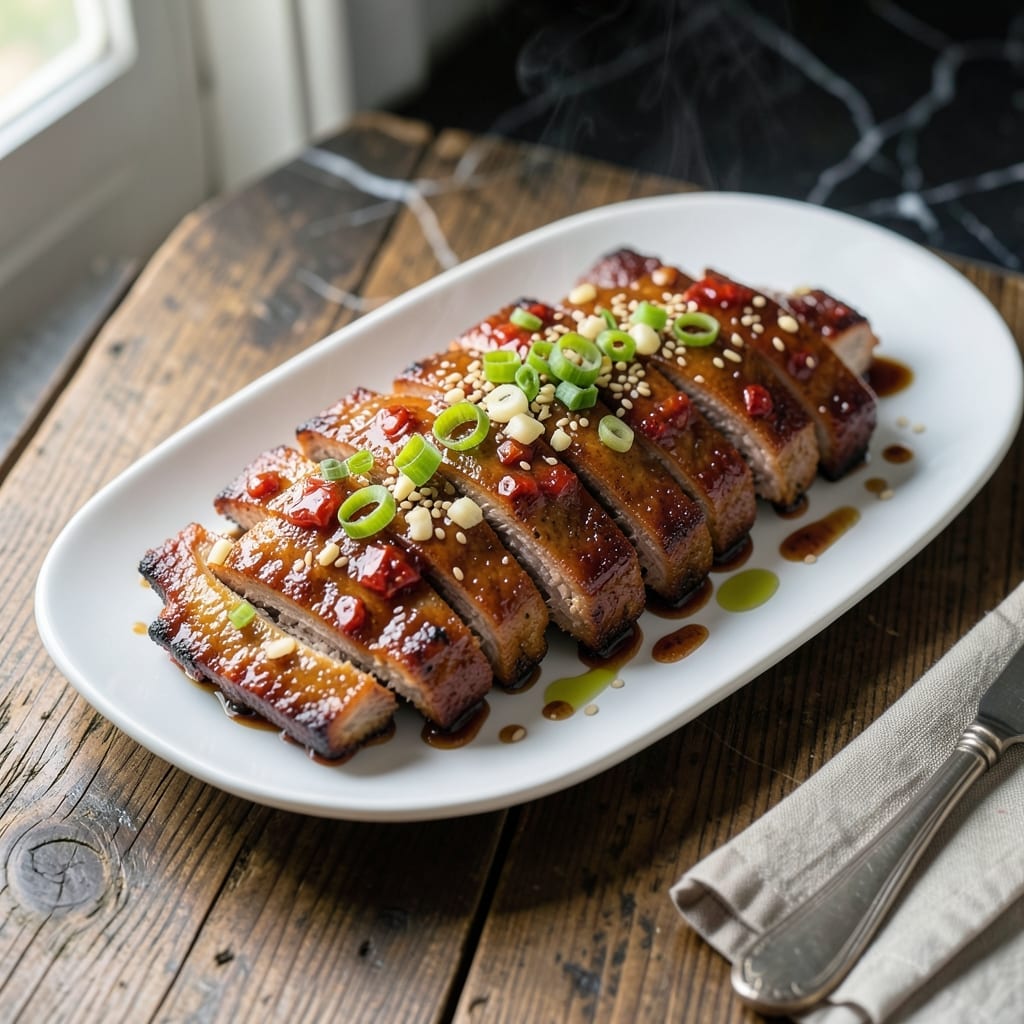
I’ve perfected the art of making fall-off-the-bone tender Korean ribs in the Instant Pot, delivering restaurant-quality results in a fraction of the time. The pressure cooker locks in moisture while infusing the meat with bold, sweet-spicy flavors.
This method combines a rich marinade of soy sauce, brown sugar, garlic, and gochujang with the Instant Pot’s precision to break down the ribs into melt-in-your-mouth perfection. No long braising required.
The result is tender ribs with a glossy, caramelized glaze that clings to every bite. The meat pulls away from the bone effortlessly, making it ideal for family dinners or special occasions.
Serve with steamed rice and quick-pickled vegetables for a complete meal. Here’s how to make it.
Ingredients for Instant Pot Korean Ribs
Pantry staples meet bold Korean flavors for these Instant Pot ribs.
| Ingredient | Amount | Notes |
|---|---|---|
| Baby Back Ribs 🥩 | 2 ½ lb | Cut into individual ribs |
| Soy Sauce 🫒 | ¾ cup | Low-sodium preferred |
| Brown Sugar 🍚 | ½ cup | Packed, light or dark |
| Gochujang 🌶️ | 3 tbsp | Korean chili paste essential |
| Garlic Cloves 🧄 | 6 cloves | Minced for marinade |
| Fresh Ginger 🌿 | 1 tbsp | Peeled and grated |
| Rice Vinegar 🍯 | 2 tbsp | Or apple cider vinegar |
| Sesame Oil 🫒 | 1 tbsp | Toasted for depth |
| Green Onions 🧅 | 4 whole | Thinly sliced for garnish |
| Toasted Sesame Seeds 🌾 | 1 tbsp | For finishing touch |
| Water 💧 | ½ cup | For pressure cooking |
| Cornstarch 🌾 | 1 tbsp | For thickening sauce |
| Vegetable Oil 🫒 | 1 tbsp | For searing ribs |
The ribs are everything here. Baby back ribs give you that perfect meat-to-bone ratio—avoid the chewier spare ribs. Costco has great pre-cut racks, but any butcher can split them for you. Look for ribs with good marbling (those white fat streaks mean flavor). The gochujang is non-negotiable—H Mart or a well-stocked Asian aisle will have it. Don’t settle for sriracha; it’s not the same.
No gochujang? Miso paste plus a dash of sriracha gets you 70% there (not perfect, but works). Brown sugar can be swapped for coconut sugar or maple syrup. Fresh ginger is best, but ground ginger at half the amount in a pinch. The soy sauce should be low-sodium so you can control the salt—Kikkoman is my go-to. Short on time? Use pre-minced garlic from a jar (just don’t tell the purists).
Marinate the ribs overnight for maximum flavor—24 hours is ideal. Leftovers keep 4-5 days in the fridge and reheat like a dream. The sauce thickens as it cools, so thin with water if needed. Always garnish fresh for that restaurant-quality finish.
Why You’ll Love This Recipe
- I’ll be real: the ribs taste even better the next day, and they reheat in 60 seconds flat.
- Set It and Forget: I toss the ribs and sauce in the Instant Pot, walk away, and 30 minutes later they’re fall-off-the-bone tender.
- Sweet-Spicy Magic: Brown sugar and gochujang caramelize into this sticky glaze that’s honestly hard to stop licking off your fingers.
- Crowd Pleaser: Between us, it’s the only dish my picky nephew and spicy-loving brother both beg for at family dinners.
Step-by-Step Instructions for Korean Ribs
Here’s the method that guarantees fall-apart tenderness with bold Korean flavors every time.
Step 1: Sear the Ribs for Maximum Flavor
Heat the 1 tbsp vegetable oil in the Instant Pot using the sauté function on normal heat. While it heats, pat the 2.5 lb baby back ribs dry—this ensures a good sear instead of steaming. I cut them into individual ribs first for even cooking and better sauce coverage.
Sear the ribs in batches for 3-4 minutes per side until deeply browned. Don’t overcrowd the pot. You’re looking for that rich, caramelized crust that develops when the natural sugars in the meat hit the hot surface. This step builds the foundation of flavor for the entire dish.
Step 2: Build the Korean-Inspired Sauce
After removing the ribs, add the 6 cloves minced garlic cloves and 1 tbsp grated fresh ginger to the pot. Sauté for 30 seconds until fragrant—just until the raw edge comes off the garlic. It burns easily, so keep it moving.
Pour in the 0.75 cup soy sauce, 0.5 cup packed brown sugar, 3 tbsp gochujang, 2 tbsp rice vinegar, and 1 tbsp sesame oil. Stir well to dissolve the brown sugar completely and deglaze the pot, scraping up all those flavorful browned bits from searing the ribs.
Step 3: Pressure Cook to Fall-Off-The-Bone Tenderness
Return all the ribs to the Instant Pot and pour in the 0.5 cup water. Secure the lid and set the valve to sealing. Cook on high pressure for 25 minutes—this is the magic number for ribs that are tender but not mushy.
Let the pressure release naturally for 10 minutes, then quick-release any remaining pressure. This gradual release helps the ribs retain their moisture and prevents them from drying out. When you open the lid, you’ll see the meat has pulled back from the bones slightly—a perfect sign of tenderness.
Step 4: Thicken the Sauce and Finish
Remove the ribs and set them aside. Skim any excess fat from the sauce, then bring it to a simmer using the sauté function. Mix the 1 tbsp cornstarch with 2 tbsp of cold water to create a slurry, then stir it into the simmering sauce.
Cook for 2-3 minutes until the sauce thickens enough to coat the back of a spoon. Return the ribs to the pot and toss them in the glossy, thickened sauce. The sauce should cling beautifully to each rib, with a balance of sweet, spicy, and umami flavors.
Garnish with 4 whole thinly sliced green onions and 1 tbsp toasted sesame seeds just before serving. The contrast of the fresh green onions and nutty sesame seeds adds the perfect finishing touch to this dish.
Pro Tips For Making Instant Pot Korean Ribs
- Pre-Sear the Ribs: A quick sear in the Instant Pot using the sauté function before pressure cooking adds a deep caramelized layer to the ribs. I learned this the hard way—skipping it leaves the meat pale and less flavorful.
- Bloom the Gochujang: Cook the gochujang and garlic in the pot for 1-2 minutes before adding liquids to wake up the flavors. Sounds weird, but it works: raw gochujang can taste harsh, but blooming mellows it out.
- Trim the Membrane: Peel off that tough silver skin on the back of the ribs before cooking—it’s non-negotiable. Your future self will thank you when the ribs are fall-off-the-bone tender instead of chewy.
- Natural Release Only: Resist the urge to quick-release the pressure; a full 10-minute natural release keeps the ribs juicy. I used to rush this part and wondered why my meat dried out.
Troubleshooting This Recipe
Sauce Too Thin
If your sauce isn’t thickening after adding the cornstarch slurry, you likely need more time. Let it simmer for an additional 3-5 minutes on sauté mode. If still thin, mix another ½ tbsp cornstarch with 1 tbsp cold water and stir in gradually. 💡
Ribs Not Tender
Undercooked ribs usually mean insufficient pressure time. Ensure you cooked on high pressure for 25 minutes with a full 10-minute natural release. If they’re still tough, return them to the pot with extra ½ cup water and cook for another 10 minutes.
Burn Notice
This often happens if the sauce is too thick before pressure cooking. Always deglaze the pot thoroughly after searing, scraping up all browned bits with the soy sauce mixture. If you get the burn notice, release pressure, add ¼ cup water, and restart.
Sauce Too Salty
Balance is key with soy sauce. Use low-sodium soy sauce as specified. If it’s still too salty, stir in 1 tbsp brown sugar or 1 tbsp rice vinegar to mellow the flavor. You can also dilute with ¼ cup water if needed.
Sauce Too Spicy
Gochujang packs heat. If it overpowers, add 2 tbsp honey or 2 tbsp brown sugar to sweeten. For immediate relief, stir in ¼ cup coconut milk to cool the spice while adding richness. Adjust to taste gradually.
Ribs Stick to Pot
Prevent this by ensuring enough liquid—½ cup water is minimum. Also, avoid stirring the ribs during cooking. If they stick, soak the pot in warm water for 15 minutes before cleaning. Non-stick Instant Pot liners help too.
Nutrition Facts
Frequently Asked Questions
Can I use spare ribs instead of baby back?
Baby back ribs are ideal for their tenderness, but spare ribs work if that’s what you have. They may need 5-10 extra minutes under pressure to become tender. Trim excess fat first for best results.
How do I make the sauce less spicy?
Reduce the gochujang to 1 tbsp or substitute half with miso paste. For immediate relief, stir in 1 tbsp honey or 2 tbsp brown sugar to balance the heat.
Can I prep this ahead of time?
Marinate ribs overnight for deeper flavor. Store in the fridge up to 24 hours before cooking. The sauce can also be prepped ahead and kept separately for 3 days.
What if my Instant Pot doesn’t have a sauté function?
Sear ribs in a skillet first, then transfer to the pot with all sauce ingredients. Add ½ cup water and proceed with pressure cooking. The flavor will still be excellent.

- 4C Bread Crumbs Meatballs Recipe: Crispy Crust and Juicy Centers - September 25, 2026
- 6 Oz Chocolate Chip Cookie Recipe: Perfectly Balanced Crispy Edges and Chewy Hearts - September 25, 2026
- 6-Inch Coffee Cake Recipe: Vanilla Bean Swirls and Buttery Streusel Topping - September 25, 2026