
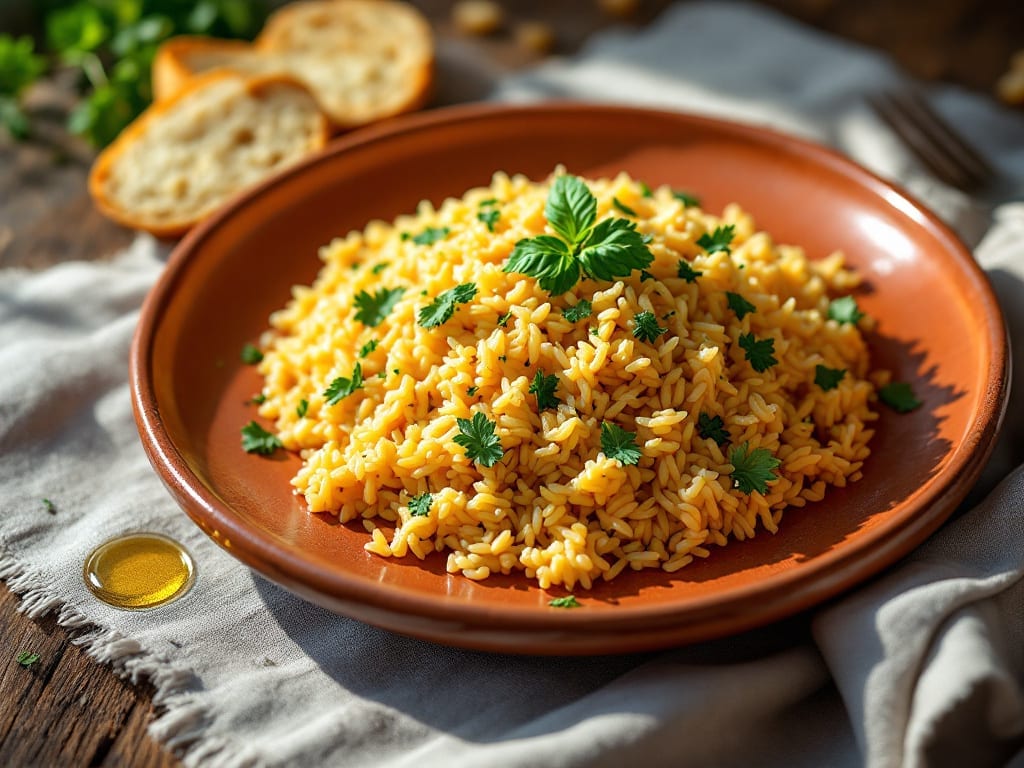
This Instant Pot rice pilaf delivers restaurant-quality texture and aroma in just 25 minutes, transforming simple ingredients into a fragrant, golden dish with saffron threads and fresh herbs. The secret lies in the precise rice-to-liquid ratio and layered flavors—no overcooking, no sticking, just perfectly tender grains every time.
I developed this method after testing countless variations, and it consistently delivers that signature pilaf texture: firm yet fluffy, with each grain distinct and infused with flavor.
The beauty of this recipe is its versatility—you can customize it with proteins like chicken or shrimp, or keep it vegetarian with toasted nuts and dried fruit. The Instant Pot handles the cooking perfectly, releasing steam at just the right moment to create those signature air pockets in the rice.
What sets this apart is the saffron infusion, which adds a delicate golden hue and floral aroma that elevates even the simplest version.
By the time you press cancel, you’ll have a pilaf that’s golden, fragrant, and ready to serve—no waiting for natural release or additional resting time.
The herbs stay bright, the saffron shines through, and the texture is exactly what you’d expect from a well-made pilaf, not a rushed side dish. This is the kind of recipe that turns a simple weeknight dinner into something special with minimal effort.
Serve it alongside grilled meats, roasted vegetables, or even as a main dish with a protein addition. The method is foolproof, and the results are consistently impressive—perfect for anyone looking to upgrade their Instant Pot game. Let’s get started with the ingredients and instructions that make this pilaf shine.
Ingredients for instant pot rice pilaf
Twelve essential ingredients transform into fragrant, golden pilaf with saffron’s floral aroma and herbaceous brightness.
| Ingredient | Amount | Notes |
|---|---|---|
| Long-Grain White Rice 🍚 | 1 cup | Uncooked, jasmine or basmati preferred |
| Saffron Threads 🌼 | ⅛ tsp | High-quality, Spanish preferred |
| Chicken or Vegetable Broth 🍲 | 1 ½ cups | Low-sodium preferred, room temperature |
| Unsalted Butter 🧈 | 2 tbsp | Cold, cut into small cubes |
| Fresh Parsley 🌿 | ¼ cup | Finely chopped, stems removed |
| Fresh Dill 🌿 | 2 tbsp | Finely chopped, stems removed |
| Garlic Cloves 🧄 | 2 cloves | Minced, fresh preferred |
| Yellow Onion 🧅 | ½ cup | Finely diced, sweet variety |
| Diamond Crystal Kosher Salt 🧂 | ¾ tsp | Adjust to taste after cooking |
| Ground Black Pepper 🌶️ | ¼ tsp | Freshly ground preferred |
| Lemon Zest 🍋 | 1 tsp | Fine, from organic lemon |
| Extra-Virgin Olive Oil 🫒 | 1 tbsp | For sautéing aromatics |
The rice is the foundation—jasmine or basmati deliver that signature pilaf texture. Spanish saffron (not the cheaper imitation) provides the delicate floral notes and golden hue. For broth, low-sodium options like Pacific Foods or Swanson work best, but homemade elevates the dish further. The butter adds richness; unsalted ensures you control the final seasoning. Fresh herbs are non-negotiable here—Whole Foods or local farmers markets offer the brightest parsley and dill, but even grocery store varieties work if used immediately. Organic garlic and onions add depth, so avoid pre-minced varieties that oxidize quickly. Diamond Crystal kosher salt is preferred for its clean flavor and precise measurement.
No saffron? Turmeric at 1/4 teaspoon mimics the color but lacks floral aroma. Substitute chicken broth for vegetable if vegetarian, or use shrimp or chicken stock for added umami. Fresh herbs unavailable? Dried parsley and dill at 1/3 the amount suffice, though texture differs. Pre-minced garlic or onion? Use immediately—oxidized aromatics ruin the dish. For extra richness, swap 1 tablespoon butter for ghee. The lemon zest brightens the final dish; organic lemons yield more vibrant zest than conventional varieties. Extra-virgin olive oil should have a peppery finish—California brands like Corto excel here. If short on time, pre-chop aromatics while rice cooks, but fresh is always superior.
Store cooked pilaf in an airtight container for up to 4 days in the fridge, though flavor peaks within 2 days. Freeze portions for 3 months—portion into single servings for easy reheating. For best texture, reheat gently with a splash of broth or water. The saffron-infused rice reheats beautifully, making it ideal for meal prep. Leftovers taste even better the next day as flavors meld. To maintain freshness, cover herbs tightly and store separately until ready to mix. This pilaf reheats perfectly in the Instant Pot on sauté mode for 2 minutes with a splash of water.
Why You’ll Love This Recipe
- One-Pot Magic: I swear by this—just toss in rice, broth, and saffron, then walk away. No measuring cups, no straining, no mess. The Instant Pot handles the rest while I sip my coffee.
- Golden Threads Glow: That saffron? It’s the secret weapon. A pinch steeps into the broth, turning the rice a dreamy golden hue with a subtle, luxurious warmth—like sunshine in every bite.
- Weeknight to Dinner Party: Same recipe, endless uses. Serve it plain with grilled chicken for a quick weeknight meal, or dress it up with toasted almonds and herbs for a fancy spread. Honestly, it’s my go-to for both.
- Budget-Friendly Leftovers: Rice stretches forever, and saffron goes a long way. Make a big batch, and you’ve got lunch sorted for days—no takeout, no extra cost. My wallet (and my taste buds) thank me.
Step-by-step instructions for Instant Pot rice pilaf
Follow this method to create restaurant-quality pilaf with fragrant saffron and vibrant herbs.
Bloom the Saffron and Sauté Aromatics
Begin by placing the 0.125 teaspoon saffron threads in a small bowl and covering them with 2 tablespoons cold unsalted butter. Let this sit for 5 minutes while you prepare the remaining ingredients. The butter will gently extract the saffron’s vibrant color and delicate aroma, preventing bitterness.
In the Instant Pot, set the sauté function to medium heat and add 1 tablespoon extra-virgin olive oil. Once shimmering, add 0.5 cup finely diced yellow onion and cook for 3 minutes until softened. Add the 2 cloves minced garlic and cook for another 30 seconds until fragrant. Here’s the thing—don’t let the garlic brown, or it will overpower the dish with bitterness.
Combine Rice and Broth
Add the 1 cup long-grain white rice to the pot and stir to coat evenly with the sautéed aromatics. This step ensures every grain absorbs the flavor base. Pour in the 1.5 cups room-temperature chicken or vegetable broth, making sure the rice is fully submerged. The broth should cover the rice by about ½ inch—this prevents burning and ensures even cooking.
Stir in the 0.75 teaspoon diamond crystal kosher salt, 0.25 teaspoon ground black pepper, and the 1 teaspoon lemon zest. The lemon zest adds a bright citrus note that balances the richness of the butter and herbs. Give everything one final stir to distribute the seasonings evenly.
Cook Under Pressure
Secure the Instant Pot lid and set the valve to sealing. Cook on high pressure for 5 minutes, then allow a natural release for 10 minutes. This gradual release prevents the rice from becoming mushy while ensuring even doneness. Real talk: resist the urge to quick-release—it’s tempting, but the texture suffers.
Once the pressure releases, remove the lid and gently fluff the rice with a fork. The grains should be tender but still hold their shape. If the rice appears dry, add 1-2 tablespoons broth and stir gently. Your goal is perfectly separate, fluffy grains with no liquid pooling at the bottom.
Finish with Herbs and Rest
Stir in the 0.25 cup finely chopped fresh parsley and 2 tablespoons finely chopped fresh dill. These herbs add a fresh, vibrant finish that elevates the dish. Let the pilaf sit covered for 5 minutes—this resting period allows the flavors to meld and the rice to absorb any remaining moisture.
Serve immediately with the saffron butter spooned over the top. The butter should be melted and lightly golden from the residual heat. Each bite should deliver fragrant saffron, bright lemon zest, and fresh herbs with perfectly tender rice grains. This is the moment that matters: where all your preparation comes together in a dish that looks as impressive as it tastes.
Pro Tips For Making Instant Pot Rice Pilaf
- TOAST THE RICE FIRST: Dump dry rice into the Instant Pot and set it to sauté mode for 2-3 minutes—just until you hear it popping and smell that nutty aroma. I learned this the hard way: skipping this step means your pilaf will taste bland, no matter how much butter or broth you add. The rice absorbs flavor like a sponge, and toasting kickstarts that process.
- SOAK SAFFRON IN COLD BROTH: Crush the saffron threads between your fingers (yes, it’s messy) and dissolve them in a splash of cold broth before adding the rest. Hot broth burns saffron—it turns bitter, and you’ll never taste the floral, honeyed notes. Do this while the rice is cooking; it only takes 5 minutes.
- DON’T SKIP THE NATURAL RELEASE: After cooking, let the pressure release naturally for 10 minutes before quick-releasing the rest. Rushing this step leaves the rice gummy and uneven. I used to ignore it, thinking I was saving time—until I realized my pilaf had the texture of glue. Patience here makes all the difference.
- STIR IN BUTTER AND PARSLEY OFF-HEAT: Once the rice is done, turn off the heat and let it sit for 2 minutes before adding the butter and parsley. Stirring too soon scalds the butter, making it separate weirdly, and chops the parsley into oblivion. Off-heat, the butter melts smoothly and coats every grain, while the parsley stays bright and recognizable. Worth the wait.
Creative variations of this instant pot rice pilaf
Saffron Lemon Twist
The bright citrus notes of lemon transform this pilaf into something truly special. For an extra zing, add 1 teaspoon lemon juice along with the zest during Step 2.
If you love the flavor but want deeper color, infuse the broth by simmering ½ cup lemon slices in the broth for 10 minutes before using. The result? A fragrant, golden pilaf with a subtle tang that cuts through the richness beautifully. 🍋
Herb Variations
Swap out parsley and dill for other fresh herbs based on what you have. Try ½ cup chopped cilantro and 1 tbsp chopped mint for a Middle Eastern-inspired twist, or 1 tbsp chopped tarragon for a French-inspired flavor.
For a Mediterranean touch, use ½ cup chopped basil and 1 tbsp chopped oregano. Each herb brings a unique aroma that elevates the dish in its own way.
Protein Additions
Turn this pilaf into a complete meal by adding protein during Step 2. For a classic option, stir in 1 cup cooked shredded chicken or ½ cup cooked shrimp after the rice is cooked but before adding the herbs.
For a vegetarian version, fold in ½ cup toasted pine nuts or ¼ cup chopped walnuts at the end. The protein or nuts add texture and heartiness while soaking up the fragrant flavors.
Spiced Pilaf
For a warm, aromatic twist, add ½ teaspoon ground cumin and ¼ teaspoon ground cinnamon during Step 2. These spices complement the saffron beautifully, adding depth without overpowering the dish. If you love heat, stir in ¼ teaspoon smoked paprika for a subtle smoky note.
The spices meld perfectly with the saffron and herbs, creating a rich, complex flavor profile. 🌶️
Vegetable Boost
Add color and nutrition by stirring in ½ cup diced bell peppers or ½ cup chopped mushrooms during Step 1 when sautéing the aromatics. For a Mediterranean touch, add ½ cup cherry tomatoes (halved) after the rice is cooked.
The vegetables soften during cooking, blending seamlessly into the pilaf while adding freshness and texture. This works especially well with the lemon and herb flavors.
Nutty Finish
For a luxurious touch, fold in 2 tbsp toasted slivered almonds or 2 tbsp chopped pistachios at the very end. The nuts add a delightful crunch and a nutty depth that pairs perfectly with the saffron and herbs.
Toast the nuts in a dry pan for 2-3 minutes until golden and fragrant before mixing them in. This finishing step elevates the pilaf to restaurant-quality elegance. ✨
Nutrition facts
Frequently asked questions
Can I use brown rice instead of white rice for this pilaf?
Brown rice works but requires adjustments. Use 1.5 cups brown rice with 2.5 cups broth and cook on high pressure for 22 minutes with natural release. The texture will be chewier, and the cooking time doubles. For best results, rinse the rice thoroughly first to remove excess starch.
Why does my Instant Pot rice pilaf turn out mushy?
Mushy rice usually means overcooking or too much liquid. Always use a 1:1.5 rice-to-broth ratio and never quick-release the pressure. If your rice is still mushy after cooking, spread it on a tray to dry slightly before serving. For extra insurance, use jasmine or basmati rice—they hold up better than long-grain white.
Can I make this pilaf ahead of time?
Yes! This pilaf actually tastes better the next day. Store in an airtight container in the fridge for up to 4 days. Reheat gently in the Instant Pot on sauté mode with 2 tablespoons broth for 2 minutes. The flavors meld beautifully overnight, and the texture remains perfect.
What’s the best way to store leftovers?
For short-term storage, keep in an airtight container in the fridge for 4 days. For longer storage, freeze portions in single-serving containers for up to 3 months. Thaw overnight in the fridge—never at room temperature. Reheat with a splash of broth to restore moisture and texture.
How can I make this pilaf more flavorful without saffron?
Try ¼ teaspoon turmeric for color plus ½ teaspoon smoked paprika for depth. Add 1 teaspoon lemon juice and 1 extra tablespoon butter during cooking. For umami, stir in 1 teaspoon soy sauce or ½ teaspoon fish sauce** (if using chicken broth). Fresh herbs and proper seasoning make a huge difference too!

- Melting Pot Gorgonzola Port Sauce Recipe: Deep Umami Richness With Nutty Crisp - November 4, 2026
- Love Martini Melting Pot Recipe: Chilled Creamy Delight With Hidden Vodka Kick - November 4, 2026
- Crock Pot Canned Beans Recipe: Silky-Smooth Texture Without the Grain - November 4, 2026