
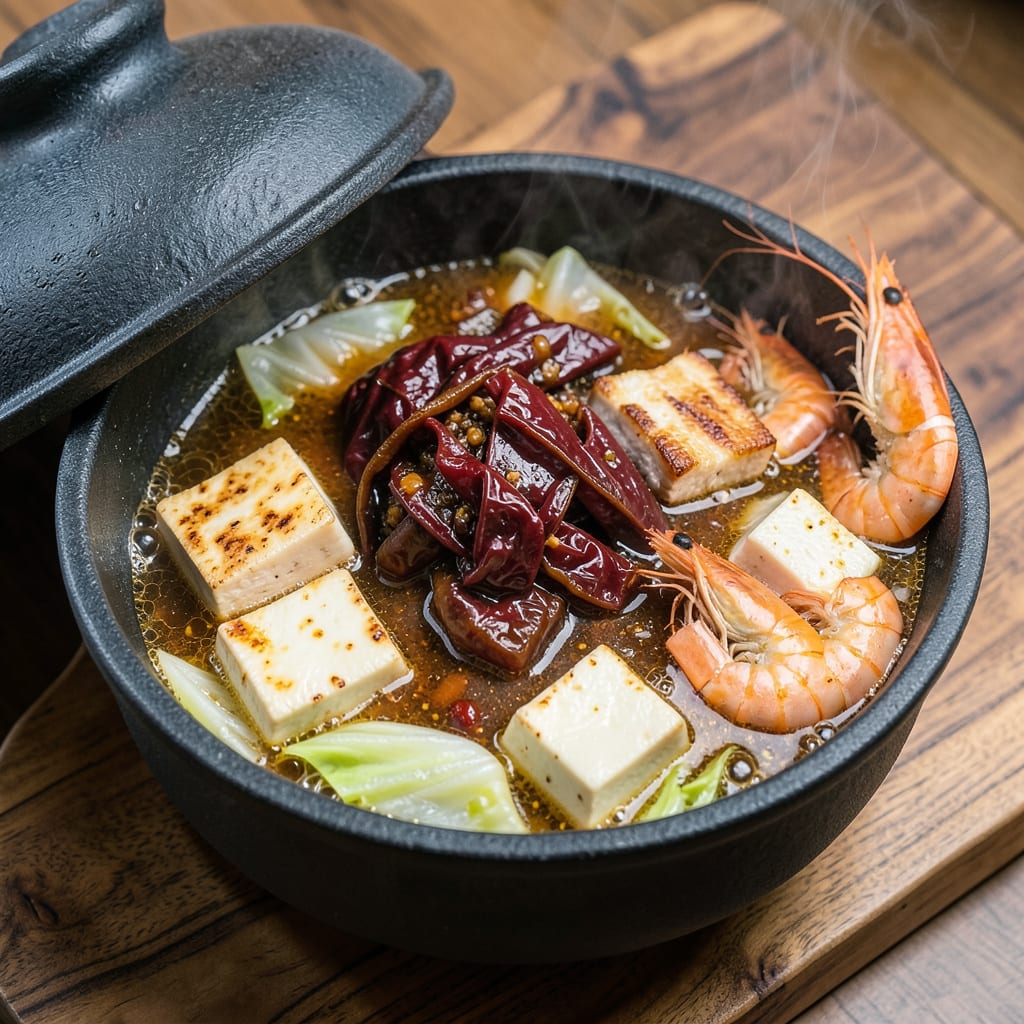
When the weather turns crisp, few dishes deliver warmth and depth like a properly made kimchi hot pot. This recipe transforms fermented kimchi into a rich, spicy broth that simmers with layers of umami and heat. The key lies in developing the broth base—sautéing aged kimchi until caramelized before adding liquid creates a foundation that’s both complex and comforting.
What emerges is a bubbling cauldron of tender seafood or tofu, crisp vegetables, and soft noodles—all bathed in that signature tangy-spicy kimchi broth. The beauty of this dish is its flexibility: customize proteins to preference while maintaining the soul of traditional Korean hot pot. Serve with steamed rice to soak up every last drop of the deeply flavorful broth.
Ingredients for Kimchi Hot Pot
This professional-grade kimchi hot pot relies on aged kimchi, quality proteins, and authentic Korean seasonings for its signature depth and complexity.
| Ingredient | Amount | Notes |
|---|---|---|
| Aged Kimchi 🥬 | 2 cups | Well-fermented, chopped with juice |
| Kimchi Base 🍲 | ½ cup | Store-bought or homemade paste |
| Pork Belly 🥓 | ½ lb | Thinly sliced (optional, omit for vegetarian) |
| Large Shrimp 🦐 | ½ lb | Peeled, deveined, tail-on |
| Soft Tofu 🧈 | 1 package | Cubed, drained (14 oz) |
| Napa Cabbage 🥬 | 2 cups | Thinly sliced, blanched |
| Enoki Mushrooms 🍄 | 1 package | Trimmed, separated (7 oz) |
| Rice Cakes 🍚 | 1 cup | Soaked in cold water |
| Chicken Broth 🫕 | 4 cups | Low-sodium preferred |
| Gochujang 🌶️ | 2 tbsp | Korean red chili paste |
| Gochugaru 🌶️ | 1 tbsp | Korean red pepper flakes |
| Garlic Cloves 🧄 | 6 cloves | Minced, divided use |
| Fresh Ginger 🌿 | 1 tbsp | Grated, peeled |
| Sesame Oil 🫒 | 1 tbsp | Toasted, for finishing |
| Green Onions 🧅 | 4 whole | Thinly sliced, for garnish |
| Steamed Rice 🍚 | 2 cups | Cooked, for serving |
The kimchi quality is paramount. Optimal results require well-fermented kimchi (3+ weeks aged) with vibrant sourness and umami. H Mart or Korean specialty markets offer superior options compared to standard grocery stores. For the gochujang and gochugaru, Chung Jung One or Sempio brands deliver consistent heat and fermentation. Freshness matters with seafood—purchase wild-caught shrimp from reputable fishmongers the day of cooking for ideal texture and flavor.
Pork belly may be substituted with thinly sliced beef brisket or omitted entirely for vegetarian adaptation. Tofu alternatives include extra-firm pressed tofu for better texture retention. When sourcing rice cakes, Korean ddukbokki cakes (cylindrical) provide authentic chew, though Japanese mochi cakes work in a pinch. For heat adjustment, reduce gochugaru by half and supplement with freshly ground black pepper to maintain complexity without overwhelming spice.
Prepared components store separately for optimal quality. Cooked broth maintains integrity for 3 days refrigerated or 3 months frozen—reheat gently to preserve flavors. Uncooked kimchi and seafood should be kept at 32°F or below and used within 24 hours of purchase. Rice cakes require overnight soaking if using dried varieties to achieve proper softness during cooking.
Why You’ll Love This Recipe
- One-Pot Magic: I toss everything—the funky aged kimchi, pork belly slices, and shrimp—into one bubbling pot. No fancy techniques, just layer flavors and let the broth do the work while I set the table.
- Funky, Spicy, Umami Bomb: That first bite where the sour kimchi hits the rich pork fat, then the shrimp sweetness cuts through? I’ve made this five times and still get chills. The tofu soaks it all up like a flavor sponge.
- Feeds My Picky Crowd: My college roommate (vegetarian) skips the pork but loads up on tofu and broth. My meat-loving dad? Extra pork belly, no complaints. Honestly, it’s the only meal we all agree on.
- Better the Next Day: I always make double because the leftovers—after the kimchi mellows overnight—taste even deeper. Reheat with rice or noodles, and it’s a whole new meal. (Yes, even the tofu holds up.)
Step-by-Step Instructions for Kimchi Hot Pot
This method ensures a perfectly balanced broth with tender ingredients and layered flavors.
Step 1: Build the Flavorful Broth Base
In a large pot over medium-high heat, combine the 4 cups chicken broth, 2 cups aged kimchi with its juice, 0.5 cup kimchi base, 2 tbsp gochujang, and 1 tbsp gochugaru. Bring to a gentle boil, then reduce heat to medium-low and simmer for 10 minutes. This allows the fermented kimchi flavors to meld with the spicy paste while developing a complex base.
Add half of the minced garlic cloves (about 3 cloves) and the 1 tbsp fresh ginger. Simmer for an additional 5 minutes until the broth becomes fragrant and slightly thickened. The ginger should mellow while the garlic infuses its pungent notes into the liquid. Taste and adjust spice level now if needed—this is your last chance before adding the delicate ingredients.
Step 2: Layer the Protein and Hearty Ingredients
Arrange the 0.5 lb pork belly slices in the simmering broth first, as they require the longest cooking time. After 3 minutes, add the 1 cup rice cakes (drained from soaking) and 1 package enoki mushrooms, gently pushing them into the liquid. The rice cakes will plump up as they absorb the spicy broth, while the mushrooms will soften without losing their delicate texture.
Nestle the 0.5 lb large shrimp into the broth, ensuring they’re partially submerged. Cook for 2 minutes, then add the 1 package soft tofu cubes. The shrimp will turn opaque pink when done—this visual cue is more reliable than timing. Avoid stirring vigorously at this stage to prevent breaking the tofu or shrimp.
Step 3: Incorporate the Vegetables and Finish
Gently fold in the 2 cups napa cabbage, ensuring it’s submerged in the broth. The blanched cabbage will soften further while retaining some crispness. Simmer for 3-4 minutes until all proteins are cooked through and the cabbage becomes translucent at the edges.
Stir in the remaining 3 cloves minced garlic and drizzle with 1 tbsp sesame oil. The sesame oil adds a nutty aroma that balances the heat. Remove from heat when the broth reaches a lively simmer with all ingredients suspended evenly throughout—the tofu should float while the pork remains tender but not falling apart.
Step 4: Rest and Serve with Garnishes
Let the hot pot rest for 5 minutes off heat. This allows the flavors to harmonize and the broth to reach its ideal consistency—thick enough to coat the ingredients but still pourable. The resting period also lets the proteins reabsorb some juices, preventing dryness when served.
Ladle into individual bowls over 2 cups steamed rice, ensuring each serving gets equal portions of broth, proteins, and vegetables. Garnish with thinly sliced green onions for freshness and color contrast. Serve immediately while bubbling hot, with extra kimchi on the side for those wanting to amplify the fermented tang.
Perfect Pairings for This kimchi hot pot
Beverage Pairings
Nothing cuts through the spicy heat of kimchi hot pot like a crisp, slightly sweet Korean lager such as Hite or OB Beer. The effervescence cleanses your palate between bites while the mild sweetness balances the fermented tang. For a non-alcoholic option, barley tea (boricha) provides a nutty contrast. 🍺
Side Dish Harmony
Serve with steamed white rice to soak up the rich broth, but don’t stop there. A side of quick-pickled radish (danmuji) adds refreshing crunch, while kimchi pancakes (kimchijeon) bring extra texture. These sides create a complete Korean meal experience without overwhelming the main dish.
Dipping Sauces
Create a simple dipping sauce by mixing 2 tbsp soy sauce, 1 tbsp rice vinegar, and 1 tsp sesame oil. For extra kick, add 1 tsp gochujang. This enhances the seafood and tofu flavors while letting the broth shine. I keep small bowls of this at the table for easy access.
Vegetable Additions
For fresh contrast, serve with blanched bean sprouts tossed with 1 tsp sesame oil and pinch of salt. The cool, crisp texture provides relief from the heat. Alternatively, a simple cucumber salad with garlic and vinegar offers a refreshing bite between spoonfuls of hot pot. 🥒
Protein Boosters
Offer additional proteins on the side for customization. Thinly sliced raw beef (bulgogi-style) or squid rings can be added to individual bowls. For vegetarians, marinated tempeh cubes provide hearty texture. Let guests cook these directly in their broth portions for perfect doneness.
Finishing Touches
Set out small dishes of toasted sesame seeds and extra gochugaru for custom heat adjustment. A wedge of fresh lime adds bright acidity that elevates the broth’s complexity. These simple additions let everyone personalize their bowl without altering the core recipe.
Nutrition Facts
Frequently Asked Questions
Can I make this without seafood?
Skip the shrimp and double the tofu for a vegetarian version. For extra protein, add 1 cup sliced mushrooms or 1 block tempeh. The broth remains just as flavorful with the kimchi and gochujang base.
How do I adjust the spice level?
Start by reducing the gochugaru to ½ tbsp and omitting the 1 tbsp from the kimchi base. For milder heat, add 1 cup coconut milk at the end. Taste as you go—kimchi’s fermentation adds natural spice too!
What’s the best pot to use?
A wide, shallow pot (like a Korean ttukbaegi) works best for even heating. For tabletop cooking, use a portable butane burner with a cast-iron pot. Avoid nonstick—it can’t handle the high heat needed for proper broth reduction.
Can I prepare ingredients ahead?
Yes! Slice all proteins/veggies and store separately in the fridge for up to 24 hours. Soak rice cakes overnight. The broth can also be pre-made and reheated—just add delicate ingredients (tofu, shrimp) fresh to avoid overcooking.

- 8 Bean Soup Recipe Crock Pot: Hearty Vegetable Medley in One Pot - September 25, 2026
- 4C Bread Crumbs Meatballs Recipe: Crispy Crust and Juicy Centers - September 25, 2026
- 6 Oz Chocolate Chip Cookie Recipe: Perfectly Balanced Crispy Edges and Chewy Hearts - September 25, 2026