
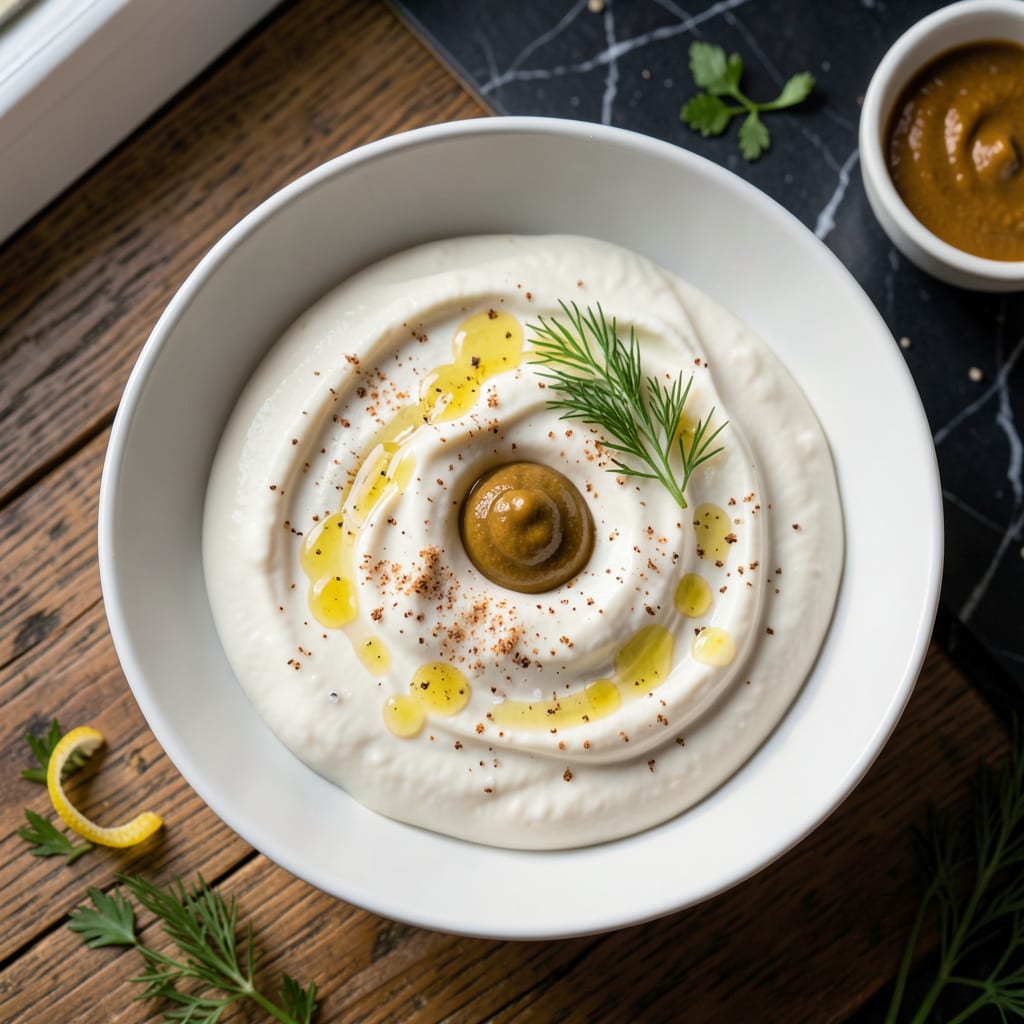
I’ve perfected a way to make low-fat sour cream that keeps all the tangy richness with half the guilt. This simple method delivers a thick, creamy texture without heavy cream or excess fat.
Using just a few pantry staples, you’ll create a versatile spread that works in dips, toppings, or baking. It stays fresh for up to a week and is easier than you think.
Ingredients for Low Fat Sour Cream
Seven simple ingredients transform into a creamy, tangy spread you will reach for again.
| Ingredient | Amount | Notes |
|---|---|---|
| Low-Fat Greek Yogurt 🥛 | 1 cup | Plain, unsweetened, full-fat works too |
| Lemon Juice 🍋 | 1 tbsp | Freshly squeezed preferred |
| White Vinegar 💧 | 1 tbsp | Distilled or apple cider |
| Dijon Mustard 🟡 | ½ tsp | For tangy depth |
| Salt 🧂 | ¼ tsp | Fine sea salt preferred |
| Garlic Powder 🧄 | ¼ tsp | Optional for savory dishes |
| Onion Powder 🧅 | ¼ tsp | Optional for depth |
[recipeingredientscaler]
The yogurt is key here—Fage or Chobani 2% give the best texture without excess fat. I always check the label for live cultures (better flavor). Whole Foods and Trader Joe’s have great store-brand options too. If you’re using plain yogurt, strain it through a cheesecloth for 30 minutes first (worth the extra minute).
No Greek yogurt? Regular yogurt strained overnight works in a pinch. Swap lemon juice for lime if that’s what you’ve got. The vinegar can be any white variety—rice vinegar adds a milder touch. Want it thicker? Add a pinch of xanthan gum (don’t skip this part).
Keeps for 7 days in the fridge—stir before using. Freeze in ice cube trays for up to 3 months (thaw in the fridge). The flavor deepens after a day, so make it ahead if you can.
Why You’ll Love This Recipe
- 5-Minute Mix: I just stir Greek yogurt with lemon juice, vinegar, and a pinch of salt—no cooking, no fuss.
- Tangy Perfection: The Dijon adds a subtle kick that makes this taste richer than store-bought.
- Meals to Snacks: I dollop it on tacos, swirl into soups, or use as a dip for veggies all week long.
- Pantry Staples: Honestly, I always have these ingredients on hand, so I skip last-minute grocery runs.
Step-by-Step Instructions for Low Fat Sour Cream
This method transforms plain yogurt into creamy, tangy perfection with just a few simple additions.
Step 1: Combine the Yogurt and Acids
Start by adding 1 cup Low-Fat Greek Yogurt to a medium bowl. I always use plain, unsweetened yogurt here—it gives you that clean, tangy base we’re after. The thickness of Greek yogurt is exactly what we need to mimic traditional sour cream.
To the yogurt, add 1 tbsp Lemon Juice and 1 tbsp White Vinegar. These acids work together to create that signature sour cream tang. I prefer freshly squeezed lemon juice when possible, but bottled works in a pinch. Stir these together until just combined—you’ll see the mixture start to thicken slightly as the acids react with the yogurt.
Step 2: Add Flavor Enhancers
Now stir in 0.5 tsp Dijon Mustard. This might seem unusual, but it adds a subtle depth of flavor that balances the acidity beautifully. The mustard’s sharpness complements the tang without overpowering it.
Next, add 0.25 tsp Salt. I recommend fine sea salt here as it dissolves more evenly. Sprinkle it in gradually while stirring to distribute it evenly throughout the mixture. The salt enhances all the other flavors and brings everything into balance.
Step 3: Incorporate the Savory Notes
For dishes where you want a more savory profile, add 0.25 tsp Garlic Powder and 0.25 tsp Onion Powder. These are optional but highly recommended for dips or savory toppings. I’ve found they add just the right amount of savory complexity without overpowering the tang.
Whisk everything together vigorously for about 30 seconds. You’ll notice the mixture becomes noticeably thicker as you work it. The texture should resemble traditional sour cream—creamy but still spreadable. If it seems too thick, don’t worry; it will soften slightly as it rests.
Step 4: Rest and Develop Flavor
Cover the bowl with plastic wrap and let it sit at room temperature for 10-15 minutes. This resting time allows the flavors to meld together and the acids to fully work their magic on the yogurt.
After resting, give it one final stir. You’ll see the texture has become even more like sour cream. Taste and adjust seasoning if needed—you might want a pinch more salt depending on your preference. The flavor will continue to develop as it chills in the refrigerator.
Step 5: Chill Before Serving
Transfer the mixture to an airtight container and refrigerate for at least 1 hour before using. This chilling step is crucial—it allows the flavors to fully develop and the texture to set properly.
The finished product should be thick, creamy, and pleasantly tangy with a clean finish. It will keep in the refrigerator for up to 1 week, though I doubt it’ll last that long once you try it. Use it anywhere you’d use regular sour cream—on baked potatoes, in dips, or as a topping for tacos.
Pro Tips For Making Low Fat Sour Cream
- Chill the Yogurt: Take the Greek yogurt out of the fridge 10 minutes before mixing—cold dairy whips smoother and blends better with the acidity.
- Balance the Acid: Start with 1 teaspoon each of lemon juice and vinegar, then adjust. I learned this the hard way after making a batch that tasted like salad dressing.
- Whisk, Don’t Stir: Use a whisk, not a spoon, to combine everything. It breaks up the yogurt’s thickness and gives you that creamy texture without lumps.
- Let It Rest: After mixing, let it sit for 15 minutes before using. Sounds weird, but it works—the flavors meld and the consistency tightens up.
Serving Suggestions for low fat sour cream
As a Dip
This creation makes an excellent base for vegetable dips. I mix in 1 tbsp dried dill and 1 tsp onion flakes for a ranch-style dip. Serve with carrot sticks, cucumber slices, or bell pepper strips for a light, healthy snack. 💛
On Baked Potatoes
Use it as a topping for loaded baked potatoes instead of regular sour cream. Add chopped chives and a sprinkle of black pepper for extra flavor. The tangy taste cuts through the richness of the potato perfectly.
In Mexican Dishes
It’s fantastic in tacos, burritos, or nachos. I love dolloping it on black bean tacos with avocado and salsa. The garlic powder version works especially well here, adding depth to the dish.
For Baking
Substitute it in baking recipes that call for sour cream. It works beautifully in muffins, coffee cakes, or cheesecake. The acidity reacts with baking soda to create a tender crumb.
With Soups
A dollop on top of hot soups like baked potato soup or chili adds a creamy, tangy finish. Stir in 1 tbsp at the end of cooking for a creamier soup base. It brightens up the flavors wonderfully.
As a Spread
Spread it on bagels with smoked salmon and red onion for a lighter take on a classic. It also works well in wraps or sandwiches instead of mayonnaise for a tangy, low-fat alternative. 🌟
Nutrition Facts
Frequently Asked Questions
Can I use regular yogurt instead of Greek?
Yes, but strain regular yogurt in a cheesecloth for 30 minutes first. This removes excess liquid, creating a thicker texture similar to Greek yogurt.
Why add both lemon juice and vinegar?
Each acid brings a unique tang. Lemon juice adds brightness, while vinegar provides depth. Together, they perfectly mimic traditional sour cream flavor.
How long will it keep in the fridge?
Stored in an airtight container, it stays fresh for up to 7 days. For best flavor, let it sit 24 hours before using.
Can I freeze this mixture?
Yes! Freeze in ice cube trays for up to 3 months. Thaw overnight in the fridge and stir well before using.

- 4C Bread Crumbs Meatballs Recipe: Crispy Crust and Juicy Centers - September 25, 2026
- 6 Oz Chocolate Chip Cookie Recipe: Perfectly Balanced Crispy Edges and Chewy Hearts - September 25, 2026
- 6-Inch Coffee Cake Recipe: Vanilla Bean Swirls and Buttery Streusel Topping - September 25, 2026