
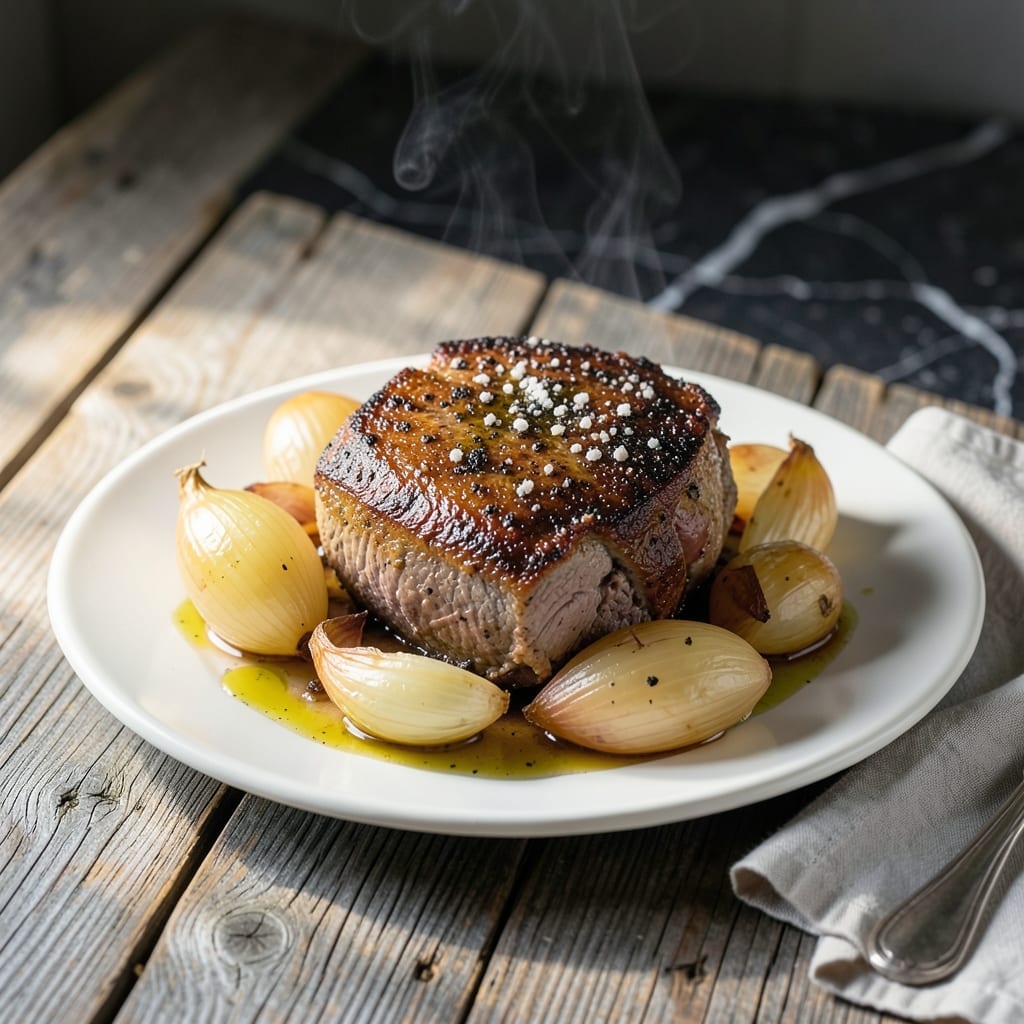
There’s a reason pot roast remains a Sunday dinner classic—this version delivers fork-tender beef that falls apart at the touch. After years of testing, I’ve perfected a method that transforms tough cuts into melt-in-your-mouth perfection.
The secret lies in low, slow cooking with aromatic vegetables and rich beef broth. This approach allows the connective tissue to break down gradually, creating that signature tenderness while infusing every bite with deep, savory flavor.
What emerges from the oven is a complete meal: succulent beef, caramelized root vegetables, and a gravy so rich it begs to be sopped up with crusty bread. The aroma alone will have your family gathering around the table before the timer goes off.
This recipe honors tradition while ensuring consistent results every time. The process is straightforward, but the outcome is anything but ordinary.
Ingredients for Magnolia Table Pot Roast
Fork-tender beef and root vegetables make this a Sunday dinner showstopper.
| Ingredient | Amount | Notes |
|---|---|---|
| Chuck Roast 🥩 | 3 lb | Boneless, well-marbled preferred |
| Kosher Salt 🧂 | 2 tsp | Diamond Crystal brand recommended |
| Black Pepper 🌶️ | 1 tsp | Freshly ground for best flavor |
| All-Purpose Flour 🌾 | ¼ cup | For thickening gravy |
| Olive Oil 🫒 | 2 tbsp | Divided for searing and vegetables |
| Yellow Onions 🧅 | 2 whole | Large, cut into wedges |
| Carrots 🥕 | 4 whole | Peeled, cut into chunks |
| Celery Stalks 🌿 | 3 whole | Cut into large pieces |
| Garlic Cloves 🧄 | 6 cloves | Smashed, skins removed |
| Rosemary Sprigs 🌿 | 2 whole | Fresh, about 6 inches each |
| Thyme Sprigs 🌿 | 4 whole | Fresh for aromatic depth |
| Bay Leaves 🍃 | 2 whole | Dried, for slow cooking |
| Beef Broth 🍲 | 3 cups | Low-sodium preferred |
| Red Wine 🍷 | 1 cup | Dry, for deglazing |
| Tomato Paste 🍅 | 2 tbsp | For umami richness |
The beef is everything here—chuck roast with good marbling is non-negotiable for that fall-apart texture. I grab mine from Whole Foods or Costco (their organic chuck is solid). Look for bright red meat with white fat streaks. The root vegetables should be fresh and firm; limp carrots or sprouting onions won’t cut it. For herbs, fresh rosemary and thyme make all the difference (dried works in a pinch, but cut the amount in half).
No red wine? Extra beef broth with a tablespoon of balsamic vinegar gets you 90% there. Out of tomato paste? Ketchup at half the amount works, though it’s sweeter. If you’re missing fresh herbs, dried Italian seasoning at one-third the quantity is fine. The flour for thickening can be swapped for cornstarch (mix it with cold water first). And if you’re short on time, baby carrots are a good shortcut.
This actually tastes better the next day once the flavors meld. Keeps 4-5 days in the fridge, freezes beautifully for 3 months. I portion leftovers into containers for easy lunches—just reheat with a splash of broth to keep the meat moist.
Why You’ll Love This Recipe
- I’ll be real: it tastes even better the next day in sandwiches or over rice, and it stretches to feed a crowd.
- One Pan Magic: I love that I just sear the chuck roast, dust it with flour, and let the oven do the rest—no fancy steps.
- Rich & Tender: The flour crust locks in juices, making every bite of that chuck roast fall-apart tender with deep, savory flavor.
- Sunday or Tuesday: Honestly, this works for a fancy dinner or a lazy weeknight—just as good with mashed potatoes or crusty bread.
Step-by-Step Instructions for Fork-Tender Beef With Root Vegetables
This method transforms tough cuts into melt-in-your-mouth perfection with minimal effort.
Step 1: Season and Sear the Chuck Roast
Pat the 3 lb Chuck Roast dry with paper towels—this ensures a good sear. Season all sides generously with 2 tsp Kosher Salt and 1 tsp Black Pepper. The salt should form a visible crust on the surface.
Heat 1 tbsp Olive Oil in a Dutch oven over medium-high heat until shimmering. Sear the roast for 4-5 minutes per side until deeply browned. You’re looking for a dark, caramelized crust that forms a flavorful foundation. Transfer the roast to a plate and set aside.
Step 2: Build the Aromatic Base
In the same pot, add the remaining 1 tbsp Olive Oil. Toss in the 2 whole Yellow Onions, 4 whole Carrots, and 3 whole Celery Stalks. Cook for 5-6 minutes until the onions begin to soften and develop golden edges.
Add the 6 cloves Garlic Cloves, 2 whole Rosemary Sprigs, 4 whole Thyme Sprigs, and 2 whole Bay Leaves. Stir in 2 tbsp Tomato Paste and cook for 1-2 minutes until it deepens in color and becomes fragrant. This step builds layers of umami that will infuse the entire dish.
Step 3: Deglaze and Braise
Pour in 1 cup Red Wine, scraping the browned bits from the bottom of the pot with a wooden spoon. Let it simmer for 3-4 minutes until reduced by half. This deglazing step lifts all those flavorful bits from searing into your sauce.
Return the roast to the pot and add 3 cups Beef Broth. The liquid should come about halfway up the meat. Bring to a gentle simmer, then cover and transfer to a 325°F oven. This low and slow method breaks down the collagen for that promised tenderness.
Step 4: Braise to Fork-Tender Perfection
Braise for 3 to 3½ hours, flipping the roast halfway through. You’ll know it’s ready when a fork slides in with absolutely no resistance and the meat falls apart at the slightest touch. The vegetables should be soft and have absorbed all the rich beefy flavors.
If the braising liquid reduces too much during cooking, add a splash of water or additional broth to maintain the level. The ideal finish is a thick, gravy-like consistency that coats the back of a spoon. This is where patience pays off—rushing this step means tough meat.
Step 5: Rest and Serve
Carefully transfer the roast to a cutting board. Skim any excess fat from the surface of the braising liquid, then adjust seasoning if needed. The 0.25 cup All-Purpose Flour isn’t needed here—your natural reductions create plenty of body.
Let the meat rest for 15 minutes before shredding or slicing. This allows the juices to redistribute, ensuring every bite is moist and flavorful. Serve the beef with the braised vegetables and plenty of that rich, aromatic sauce ladled over the top.
Pro Tips For Making Magnolia Table Pot Roast
- Sear the Chuck Hard: Use medium-high heat and don’t move the roast for at least 3-4 minutes per side to get that deep brown crust—this builds the flavor base for the entire dish.
- Pat the Roast Dry: I learned this the hard way: blot the chuck roast with paper towels before flouring, or the coating will slide right off instead of forming a proper crust.
- Resist Overcrowding the Pan: If your pot is too small, sear the roast in batches—steam from crowding turns the flour coating gummy instead of crisp.
- Use Room-Temp Beef: Pull the chuck roast out of the fridge 30-45 minutes before cooking; cold meat seizes up and browns unevenly, even if it looks fine on the outside.
Perfect Pairings for This magnolia table pot roast
Side Dish Pairings
Buttery mashed potatoes are my go-to for soaking up that rich gravy. I use Yukon Golds with ½ cup whole milk and 4 tbsp butter for creaminess. Alternatively, creamy polenta with Parmesan cheese adds a comforting Italian touch. 🥔
Bread Options
A crusty sourdough loaf or dinner rolls are perfect for mopping up every last bit of sauce. I warm my rolls in the oven at 350°F for 5-7 minutes before serving. For extra flavor, brush with garlic butter while still warm.
Vegetable Sides
Balance the richness with a green salad (mixed greens, cucumber, cherry tomatoes) dressed with a light lemon vinaigrette. Roasted Brussels sprouts with balsamic glaze add a caramelized, slightly tangy contrast that cuts through the beef’s richness.
Wine Pairings
A bold Cabernet Sauvignon with its dark fruit notes complements the beef beautifully. For white wine lovers, a Chardonnay with oak aging stands up to the dish’s heartiness. I prefer California wines for their fruit-forward profiles. 🍷
Family-Style Additions
Set out pickled vegetables (like cornichons or pickled onions) for a bright, tangy bite. A horseradish cream sauce adds a spicy kick—mix ¼ cup sour cream with 2 tbsp prepared horseradish and 1 tsp lemon juice. 💛
Nutrition Facts
Frequently Asked Questions
Can I use a different cut of beef?
Chuck roast works best, but brisket or bottom round are good alternatives. Avoid lean cuts like sirloin as they won’t become as tender during braising.
How do I know when it’s done?
The meat should pull apart easily with a fork after 3 to 3½ hours at 325°F. Internal temperature should reach 195-205°F for perfect tenderness.
Can I make this in a slow cooker?
Yes! Sear the meat first, then transfer everything to the slow cooker. Cook on low for 8-10 hours or high for 5-6 hours.
What if my gravy is too thin?
Remove the meat and simmer the liquid uncovered to reduce. For quicker results, mix 1 tbsp cornstarch with 1 tbsp cold water and stir in.

- 4C Bread Crumbs Meatballs Recipe: Crispy Crust and Juicy Centers - September 25, 2026
- 6 Oz Chocolate Chip Cookie Recipe: Perfectly Balanced Crispy Edges and Chewy Hearts - September 25, 2026
- 6-Inch Coffee Cake Recipe: Vanilla Bean Swirls and Buttery Streusel Topping - September 25, 2026