
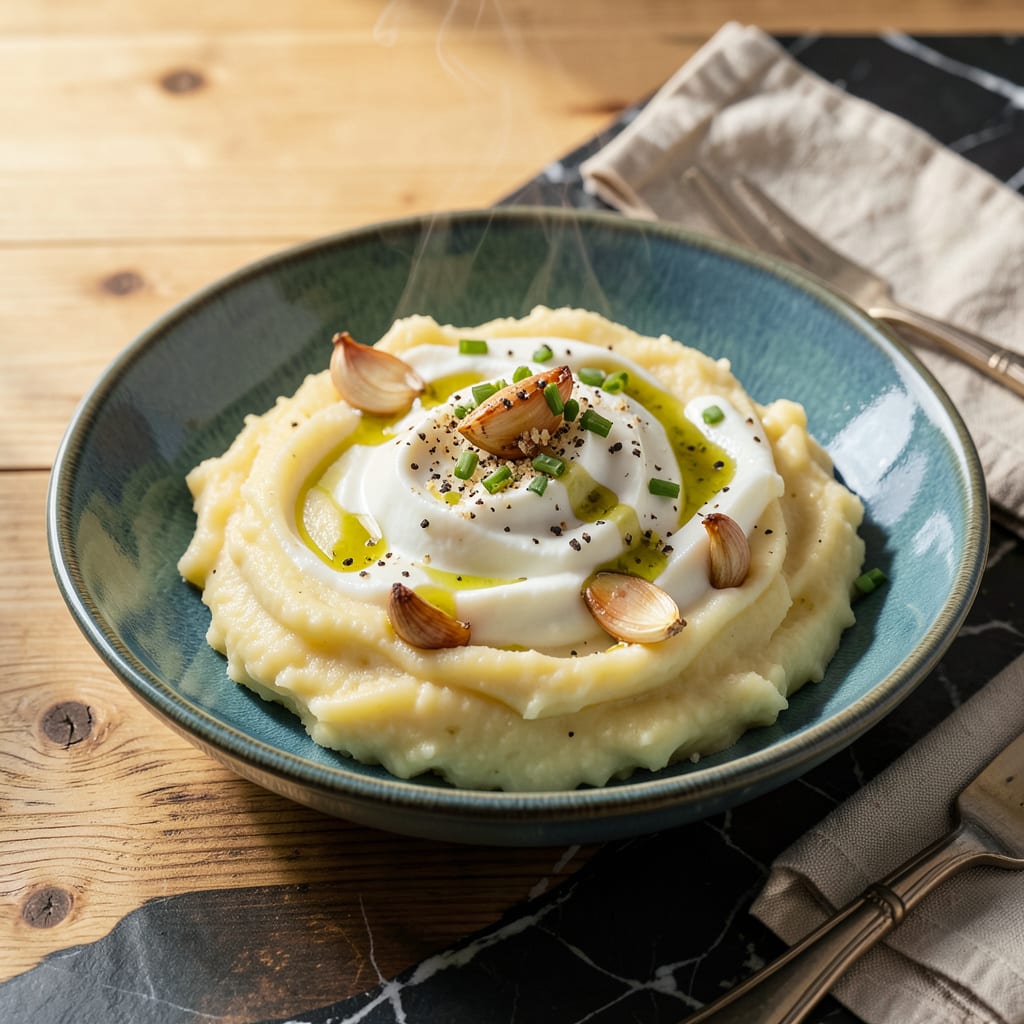
Creating perfectly creamy mashed potatoes without dairy is easier than you think. This recipe delivers the same rich, velvety texture you love, using a simple plant-based swap that works every time. No compromises—just smooth, fluffy potatoes with all the comfort of the classic version.
The secret lies in using full-fat coconut milk or olive oil to replace traditional dairy, ensuring the potatoes stay ultra-creamy and flavorful. Whether you’re vegan, lactose-intolerant, or simply out of milk, this method guarantees foolproof results with minimal effort. Ready to transform basic potatoes into something extraordinary?
Ingredients for Mashed Potato Recipe Without Milk
Just a handful of pantry staples and one clever swap deliver that ultra-creamy texture without a drop of dairy.
| Ingredient | Amount | Notes |
|---|---|---|
| Yukon Gold Potatoes 🥔 | 2 ½ lb | Peeled, cut into 1-inch cubes |
| Full-Fat Coconut Milk 🥥 | ½ cup | Canned, well-shaken before measuring |
| Extra-Virgin Olive Oil 🫒 | ¼ cup | Fruity, high-quality for richness |
| Garlic Cloves 🧄 | 4 cloves | Minced or pressed for depth |
| Vegetable Broth 🍲 | ¼ cup | Low-sodium preferred, warmed |
| Nutritional Yeast 🧀 | 2 tbsp | For cheesy, umami flavor |
| Sea Salt 🧂 | 1 ½ tsp | Fine grain, adjust to taste |
| Freshly Ground Black Pepper 🌶️ | ½ tsp | Coarse grind for texture |
| Fresh Chives 🌿 | 2 tbsp | Thinly sliced for garnish |
| Unsweetened Almond Milk 🥛 | ¼ cup | Optional, for lighter texture |
[recipeingredientscaler]
The potatoes are everything here—Yukon Golds are my go-to for their buttery texture (no waxy russets!). Look for firm, unblemished spuds at the store; they should feel heavy for their size. The coconut milk is the secret weapon: full-fat canned (like Thai Kitchen or Native Forest) gives that luscious mouthfeel. Don’t even think about the light stuff—it’ll water down the texture. Olive oil adds richness, so use something you’d drizzle on good bread (I keep a bottle of California Olive Ranch just for this).
No coconut milk? Cashew cream (blend soaked cashews with water) works beautifully, or try vegan butter like Miyoko’s for a more traditional flavor. Swap the almond milk for oat milk if that’s what you’ve got—just avoid anything vanilla-flavored. Nutritional yeast is key for that cheesy depth, but in a pinch, white miso paste (½ tsp) adds a similar umami kick. The garlic can be adjusted to taste, but don’t skip it—it balances the richness.
Mashed potatoes are best served fresh, but leftovers keep 3-4 days in the fridge. Reheat gently with a splash of broth or plant milk, stirring constantly (microwave zaps them dry). For make-ahead, prep the potatoes whole, then boil and mash just before serving. The coconut milk separates when cold—stir well before using, and don’t shy away from the thick cream at the top. That’s the good stuff.
Why You’ll Love This Recipe
- One-Pot Magic: I boil the potatoes, then mash everything right in the same pot—no colander, no extra bowls. The coconut milk and olive oil blend in so smoothly it feels like cheating.
- Garlic-Kissed Comfort: Here’s what sold me—the warm, mellow garlic infused in the olive oil, plus that hint of coconut sweetness from the full-fat milk. It’s rich without being heavy, like your favorite diner mash but way more interesting.
- Meal Prep MVP: I make a double batch Sunday night and portion it out: creamy base for shepherd’s pie one day, quick garlic toast topping the next. Honestly, it reheats better than dairy mash—no weird separation.
- Pantry-Friendly Win: No last-minute milk runs. I always have coconut milk, broth, and potatoes on hand, so this is my “forgot to grocery shop” lifesaver. And at $0.89 a pound for Yukons? It’s my budget side dish hero.
Step-by-Step Instructions for Mashed Potatoes Without Milk
Here’s how to transform simple ingredients into silky, flavorful mashed potatoes that rival traditional versions.
Step 1: Prepare and Boil the Yukon Gold Potatoes
Start by peeling the 2.5 lb Yukon Gold Potatoes and cutting them into 1-inch cubes. I prefer Yukon Golds for their naturally buttery texture and medium starch content—they mash up beautifully without becoming gluey. Place the cubed potatoes in a large pot and cover them with cold water by about 2 inches.
Add 1 tablespoon of the sea salt to the water (this seasons the potatoes from within). Bring to a rolling boil over high heat, then reduce to medium heat and simmer uncovered for 12-15 minutes. You’ll know they’re done when a fork slides into the cubes with absolutely no resistance and they start to break apart at the edges.
Drain immediately in a colander and return the potatoes to the warm pot. Let them sit for 1 minute to allow any excess moisture to evaporate—this prevents watery mashed potatoes. The potatoes should look fluffy and slightly dry on the surface when ready for the next step.
Step 2: Infuse the Liquid Base with Garlic
While the potatoes cook, combine the 0.5 cup Full-Fat Coconut Milk, 0.25 cup Extra-Virgin Olive Oil, and 4 cloves Garlic Cloves (minced) in a small saucepan. Warm this mixture over low heat for 3-4 minutes, stirring occasionally. You’re looking for the garlic to become fragrant and just barely golden—don’t let it brown or it will turn bitter.
Remove from heat and stir in the 0.25 cup Vegetable Broth and 2 tbsp Nutritional Yeast. The nutritional yeast will dissolve completely, creating a rich, umami-packed liquid that mimics the depth of dairy. Let this mixture steep for 5 minutes off the heat to allow the flavors to meld. The oil will separate slightly, which is perfectly normal and adds to the final texture.
Step 3: Mash and Incorporate the Flavors
Return to your potatoes and begin mashing them with a potato masher or ricer. I prefer a ricer for ultra-smooth results, but a masher works beautifully too—just avoid overworking them. Mash until about 80% smooth with some small lumps remaining for texture. The potatoes should look light and airy at this stage, with no visible water at the bottom of the pot.
Gradually pour the warm garlic-infused liquid over the potatoes while continuing to mash. Start with about half the mixture and incorporate it completely before adding more. You’re looking for the potatoes to become creamy but still hold their shape. The extra-virgin olive oil will emulsify with the coconut milk, creating a luxurious texture that coats each potato piece perfectly.
Step 4: Season and Adjust to Perfection
Add the remaining 0.5 tsp sea salt and 0.5 tsp Freshly Ground Black Pepper to the potatoes. Fold everything together gently with a silicone spatula, tasting as you go. The flavor should be well-seasoned with a subtle garlic background and a hint of nuttiness from the coconut milk. If you prefer a lighter texture, this is when you’d stir in the 0.25 cup Unsweetened Almond Milk, one tablespoon at a time, until reaching your desired consistency.
The final texture should be creamy enough to hold soft peaks when scooped with a spoon, but not so loose that it pools. Transfer to a serving bowl and let rest for 3-5 minutes—this allows the flavors to fully develop. The surface will develop a slight sheen from the olive oil, which is exactly what you want for visual appeal.
Step 5: Garnish and Serve Warm
Just before serving, sprinkle the 2 tbsp Fresh Chives evenly over the top of the mashed potatoes. The chives add a fresh, oniony brightness that cuts through the richness. For an extra touch of elegance, drizzle a teaspoon of the extra-virgin olive oil over the top and grind a bit more black pepper on surface.
Serve immediately while still warm. Each bite should deliver creamy, velvety potatoes with layers of flavor—the garlicky depth from the infusion, the subtle sweetness of coconut, and the umami punch from nutritional yeast. The texture will be rich and satisfying, with just enough body to hold its shape on a plate while still feeling luxuriously smooth.
Common Mistakes When Making This Dish
Overworking the Potatoes
One of the biggest mistakes I see is mashing the potatoes too aggressively. Once they’re boiled, they’re delicate—overworking them releases too much starch, turning your fluffy creation into a gummy paste. I use a potato ricer for the smoothest results, but if you’re using a masher, stop when you see just a few small lumps remaining. Those actually improve the texture! 💡
Skipping the Salt
Potatoes need salt at every stage. If you only season at the end, the flavor will taste flat. I add 1 tablespoon sea salt to the boiling water (it seasons from within) and another ½ teaspoon during final mixing. Trust me, this makes all the difference in creating that “can’t stop eating” quality we all want.
Cold Liquid Additions
Pouring cold coconut milk or broth directly into hot potatoes creates a dense, uneven texture. Always warm your liquids first—I heat mine with the garlic for 3-4 minutes until just steaming. This helps the fats emulsify properly with the potatoes, giving you that silky consistency we’re after.
Undercooking the Potatoes
Rushing the boil leads to lumpy, under-seasoned results. Your potatoes should be so tender that a fork slides in without resistance and the cubes start breaking apart at the edges. I test multiple pieces—if any feel firm in the center, give them another 2-3 minutes. The extra time ensures perfect mashing later.
Ignoring the Coconut Cream
When using canned coconut milk, don’t shake the can before opening! The thick cream at the top is pure gold for texture. I scoop that out first and whisk it with the olive oil before adding the thinner liquid below. This gives you the richest possible result without any watery separation in your final dish.
Forgetting to Rest
Serving immediately after mashing means you’ll miss out on the full flavor development. I always let my potatoes rest for 3-5 minutes before serving. This short wait allows the coconut milk to fully absorb and the flavors to meld together beautifully. The texture becomes even creamier during this time. 🥔
Nutrition Facts
Frequently Asked Questions
What can I use instead of coconut milk?
For a different flavor profile, try cashew cream (blend soaked cashews with water) or unsweetened almond milk with 1 extra tablespoon olive oil for richness. Oat milk works too, but may yield a slightly thinner texture.
If you want a more traditional taste, vegan butter (like Miyoko’s) melted with warm broth creates a familiar dairy-like creaminess. Just avoid anything with added sugars or flavors.
Why do my potatoes taste grainy?
Graininess usually comes from undercooked potatoes or insufficient liquid.
Can I make these ahead of time?
Yes, but with a trick! Prepare as directed, then transfer to a greased baking dish. Reheat covered with foil at 350°F for 20 minutes, adding a splash of warm broth if needed. The texture stays creamy this way.
For make-ahead, boil and peel potatoes whole, then mash just before serving. The coconut milk separates when cold—stir well before using.
How do I fix runny mashed potatoes?
If they’re too thin, return them to the pot and cook over low heat for 2-3 minutes, stirring constantly. For instant thickening, fold in 1-2 tablespoons instant mashed potato flakes until desired consistency is reached.
What’s the best potato variety to use?
Yukon Golds are ideal for their natural creaminess and medium starch content. Red potatoes work too but may need 1 extra tablespoon olive oil for richness. Avoid russets—they’re too starchy and can turn gluey without dairy.

- 8 Bean Soup Recipe Crock Pot: Hearty Vegetable Medley in One Pot - September 25, 2026
- 4C Bread Crumbs Meatballs Recipe: Crispy Crust and Juicy Centers - September 25, 2026
- 6 Oz Chocolate Chip Cookie Recipe: Perfectly Balanced Crispy Edges and Chewy Hearts - September 25, 2026