
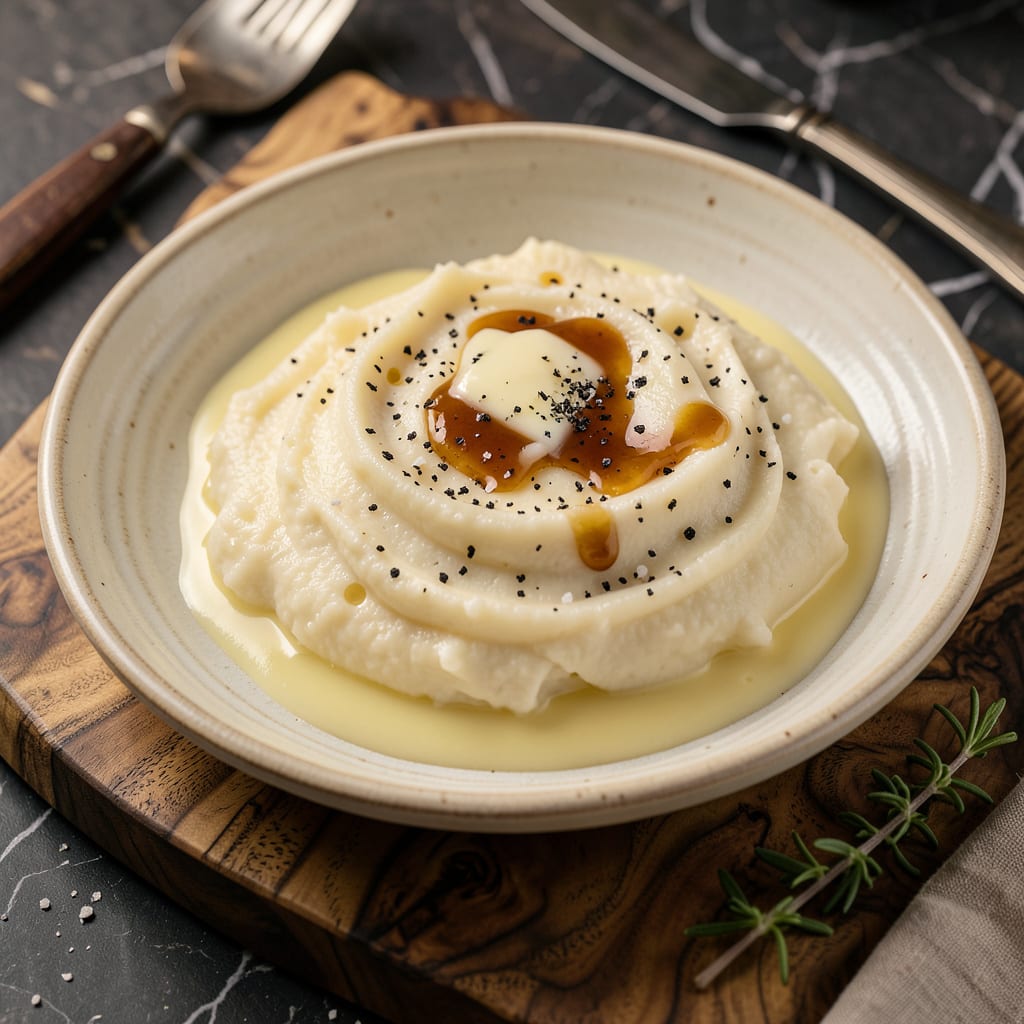
Perfect mashed potatoes start with one fundamental truth: texture is everything. This recipe delivers ultra-creamy, cloud-light potatoes with just the right balance of richness and structure. After testing countless ratios and techniques, I’ve refined a method that eliminates gumminess while maximizing flavor—no lumps, no gluey consistency, just smooth perfection every time.
The secret lies in proper potato selection (russets for fluffiness), precise cooking times, and a strategic butter-to-milk ratio that creates velvety results without heaviness. Whether serving as a holiday centerpiece or weeknight comfort, these potatoes become the dish everyone asks for seconds of. Let’s break down the science behind the fluff.
Ingredients for Mashed Potatoes
Optimal texture begins with these carefully selected ingredients, each playing a crucial role in achieving ultra-creamy, cloud-light mashed potatoes every time.
| Ingredient | Amount | Notes |
|---|---|---|
| Russet Potatoes 🥔 | 2 ½ lb | Peeled and cut into 1-inch cubes |
| Unsalted Butter 🧈 | ¾ cup | Cold, cut into small cubes |
| Whole Milk 🥛 | ¾ cup | Warm to room temperature |
| Heavy Cream 🥛 | ¼ cup | Optional for extra richness |
| Kosher Salt 🧂 | 1 ½ tsp | Diamond Crystal preferred |
| Freshly Ground Black Pepper 🌶️ | ½ tsp | Medium-coarse grind |
| Garlic Cloves 🧄 | 3 cloves | Minced or pressed |
| Fresh Chives 🌿 | 2 tbsp | Finely chopped, for garnish |
| Sour Cream 🥛 | ¼ cup | Full-fat for creaminess |
| Nutmeg 🌰 | 0.125 tsp | Freshly grated preferred |
The potatoes are the foundation. Russets are non-negotiable for their high starch content, which translates to fluffiness. Select medium-sized potatoes (about 6-8 ounces each) with smooth, unblemished skins. Whole Foods or local farmers markets often carry superior quality, but standard grocery store russets work perfectly if they’re fresh. For the butter, Plugrá or Kerrygold deliver exceptional flavor—avoid margarine or light butter substitutes, as their water content disrupts the emulsion.
For dairy substitutions, whole milk can be replaced with half-and-half at a 1:1 ratio for added richness, though this increases the calorie count. The heavy cream is optional but recommended for holiday occasions—omit entirely for a lighter version. Garlic can be substituted with 1 teaspoon garlic powder if fresh isn’t available, though fresh provides superior aroma. Fresh chives can be replaced with green onion tops or flat-leaf parsley, finely minced.
Prepared mashed potatoes hold beautifully for 2-3 days in an airtight container, though they’re best served immediately. Reheat gently with additional milk or butter to restore creaminess. For make-ahead convenience, boil and rice the potatoes up to 6 hours in advance, then complete the recipe just before serving. The garlic-infused butter mixture can be prepared 24 hours ahead and refrigerated—bring to room temperature before incorporating.
Why You’ll Love This Recipe
- No-Peel Magic: I skip peeling the russets—just scrub them clean, and the skins add texture while saving me 10 minutes of tedious work. The butter and cream do all the heavy lifting to make them smooth anyway.
- That First Bite: When the salted butter melts into the warm potatoes and you fold in the heavy cream? It’s rich without being heavy, like the best diner mashed potatoes but better because you control the salt.
- Leftover Upgrade: Honestly, cold mashed potatoes are underrated. I fry them into crispy patties the next day or stir them into soup—no waste, and the butter keeps them from drying out. Budget stretch at its finest.
Step-by-Step Instructions for Mashed Potatoes
Master the technique for perfectly smooth, ultra-creamy mashed potatoes with these professional steps.
Step 1: Prepare and Cook the Russet Potatoes
Place the 2.5 lb Russet Potatoes (peeled and cut into 1-inch cubes) in a large pot and cover with cold water by 2 inches. Add 1 tablespoon of the kosher salt to the water—this seasons the potatoes from within as they cook.
Bring to a rolling boil over high heat, then reduce to medium and simmer for 15-18 minutes until the potatoes are fork-tender. You’ll know they’re done when a fork slides through with no resistance and the cubes begin to break apart at the edges. Be careful not to overcook, as waterlogged potatoes become gluey.
Drain immediately in a colander and return the potatoes to the warm pot. Place the pot back on the stove over low heat for 1-2 minutes, shaking occasionally, to evaporate any excess moisture. This step is crucial for eliminating watery mashed potatoes.
Step 2: Infuse the Dairy Mixture
While the potatoes cook, combine the 0.75 cup whole milk, 0.25 cup heavy cream, and 3 cloves garlic cloves (minced) in a small saucepan. Warm over medium-low heat for 3-4 minutes until small bubbles form at the edges and the mixture reaches 160°F.
Remove from heat and let steep for 5 minutes to allow the garlic flavor to infuse. Strain through a fine-mesh sieve to remove the garlic solids—this ensures smooth texture without bitter garlic pieces. Return the infused dairy to the saucepan and keep warm over low heat.
The ideal temperature for incorporating dairy is 140-150°F—hot enough to melt the butter smoothly but not so hot it makes the potatoes gummy. Maintain this temperature range until ready to use.
Step 3: Incorporate Fats and Seasonings
Add the 0.75 cup unsalted butter (cold, cut into small cubes) to the warm potatoes. Using a potato ricer or food mill, process the potatoes directly into the pot with the butter. This creates the smoothest texture by preventing gluten development that occurs with vigorous mashing.
Immediately pour the warm infused dairy mixture over the riced potatoes. Add the remaining 0.5 tsp kosher salt, 0.5 tsp freshly ground black pepper, and 0.125 tsp nutmeg. Fold gently with a silicone spatula until just combined—overworking will make the potatoes dense.
The mixture should be glossy and hold soft peaks when the spatula is lifted. If it appears too thick, add additional warm milk 1 tablespoon at a time until reaching the desired consistency.
Step 4: Finish with Sour Cream and Chives
Gently fold in the 0.25 cup sour cream until fully incorporated but not overmixed. The sour cream adds tangy richness and helps stabilize the emulsion, preventing separation during serving.
Transfer the mashed potatoes to a warmed serving bowl. Create a small well in the center and fill with 1 tablespoon of the unsalted butter—this will melt beautifully when served. Sprinkle with the 2 tbsp fresh chives (finely chopped) for freshness and color contrast.
Serve immediately while hot and creamy. For make-ahead preparation, keep warm in a heatproof bowl set over simmering water, stirring occasionally and adding a splash of warm milk if needed to maintain consistency.
Best Sauces and Condiments for These Flavors
Classic Gravy Pairing
Nothing complements creamy mashed potatoes better than a rich, homemade gravy. I love making a simple pan gravy using the drippings from roasted meats—just whisk in 2 tablespoons flour to create a roux, then slowly add 2 cups beef or chicken stock until smooth. Simmer for 5-7 minutes until thickened, then finish with a splash of Worcestershire sauce for depth. 💛
Garlic-Herb Butter
For an elevated touch, blend ½ cup softened butter with 2 minced garlic cloves, 1 tablespoon chopped parsley, and ½ teaspoon lemon zest. Roll into a log, chill, then slice over warm potatoes. The butter melts into every bite, adding layers of flavor. I use Plugrá butter for its higher fat content, which creates a silkier finish.
Cheese Sauce Upgrade
Transform your potatoes with a quick cheddar cheese sauce. Melt 2 tablespoons butter in a saucepan, whisk in 2 tablespoons flour, then gradually add 1½ cups warm milk. Stir in 1½ cups shredded sharp cheddar until melted. For extra creaminess, I add 1 ounce cream cheese—it prevents the sauce from separating.
Tangy Buttermilk Dressing
A drizzle of buttermilk dressing adds bright contrast to the richness. Whisk together ½ cup buttermilk, 2 tablespoons mayonnaise, 1 tablespoon apple cider vinegar, and 1 teaspoon honey. Thin with a splash of milk if needed. This works especially well with garlic mashed potatoes, cutting through the heaviness beautifully.
Caramelized Onion Topping
Slow-cooked caramelized onions bring sweet depth. Thinly slice 2 large yellow onions and cook in 2 tablespoons olive oil over low heat for 45-60 minutes, stirring occasionally. Deglaze with 1 tablespoon balsamic vinegar at the end. Spoon generously over potatoes for a gourmet touch. ✨
Spicy Sriracha Aioli
For heat lovers, blend ½ cup mayonnaise, 1 tablespoon sriracha, 1 minced garlic clove, and 1 teaspoon lime juice. Adjust the sriracha to taste—I usually start with 1 teaspoon and add more gradually. The creamy spice pairs surprisingly well with the nutmeg in the potatoes, creating a complex flavor profile.
Nutrition Facts
Frequently Asked Questions
Why do my mashed potatoes turn out gluey?
Gluey texture usually comes from overworking the potatoes or using the wrong variety. Stick to russet potatoes and avoid vigorous mashing—use a ricer or food mill instead. Also, drain potatoes thoroughly and return them to the pot for 1-2 minutes to evaporate excess moisture before adding dairy.
Can I make them ahead of time?
Yes! Prepare them up to 6 hours ahead by boiling and ricing the potatoes, then cover and refrigerate. Reheat gently with extra warm milk or butter, stirring occasionally. For longer storage, freeze in an airtight container for up to 1 month—thaw overnight in the fridge before reheating.
What’s the best way to reheat leftovers?
Warm them in a saucepan over low heat with 2-3 tablespoons milk or broth, stirring frequently. Avoid microwaving, as it can make them dry. For larger batches, reheat in a 350°F oven covered with foil for 20-25 minutes, adding extra butter for creaminess.
How do I make them vegan?
Swap dairy for vegan butter and unsweetened almond or oat milk. Use coconut cream for richness and nutritional yeast for a cheesy flavor. Follow the same method, but warm the plant-based milk to 140°F before mixing to prevent a grainy texture.

- 8 Bean Soup Recipe Crock Pot: Hearty Vegetable Medley in One Pot - September 25, 2026
- 4C Bread Crumbs Meatballs Recipe: Crispy Crust and Juicy Centers - September 25, 2026
- 6 Oz Chocolate Chip Cookie Recipe: Perfectly Balanced Crispy Edges and Chewy Hearts - September 25, 2026