
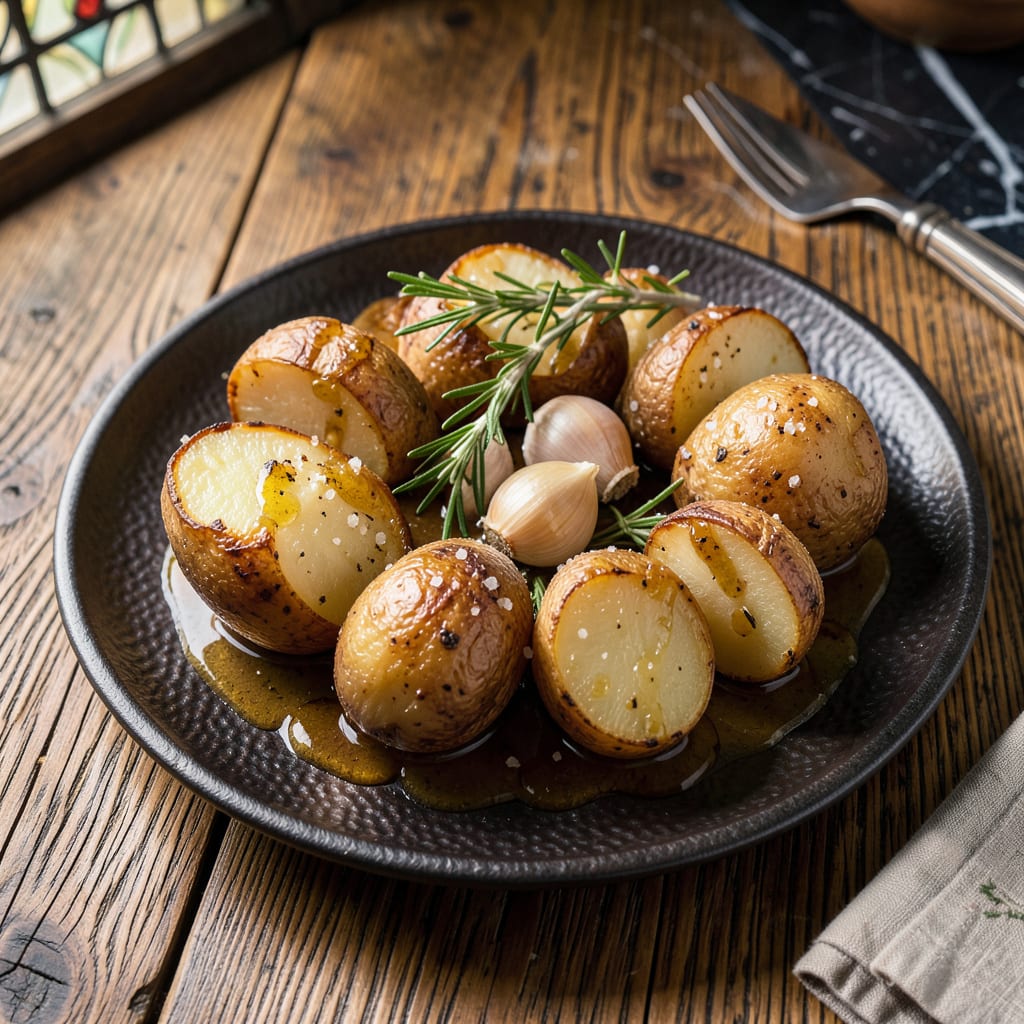
Imagine transporting your dinner table to a medieval castle feast, where hearty root vegetables were roasted over open flames and seasoned with garden-fresh herbs. This recipe reimagines that rustic tradition using potatoes—a modern twist on flavors that would have delighted medieval cooks. The result is a dish with crispy, golden edges and tender centers, infused with rosemary, garlic, and a touch of honey for depth.
The technique is simple yet precise: high-heat roasting to mimic the intensity of a hearth, paired with ingredients like butter and coarse salt that were prized in medieval kitchens. While potatoes weren’t available then, this dish captures the spirit of the era—robust, aromatic, and built for sharing. Serve it alongside crusty bread and a mug of spiced mead for the full experience.
Ingredients for Medieval Times Potato
This medieval-inspired dish requires robust ingredients that deliver crispy, aromatic results with every bite.
| Ingredient | Amount | Notes |
|---|---|---|
| Yukon Gold potatoes 🥔 | 2 ½ lb | Scrubbed, cut into 1.5-inch chunks |
| extra-virgin olive oil 🫒 | ⅓ cup | Cold-pressed, high-quality preferred |
| fresh rosemary sprigs 🌿 | 3 whole | Leaves stripped, finely chopped |
| garlic cloves 🧄 | 6 cloves | Minced to uniform consistency |
| unsalted butter 🧈 | 4 tbsp | European-style preferred for richness |
| wildflower honey 🍯 | 1 ½ tbsp | Raw, unfiltered for depth of flavor |
| coarse sea salt 🧂 | 1 ½ tsp | Maldon or Jacobsen preferred |
| freshly ground black pepper 🌶️ | 1 tsp | Tellicherry or Malabar variety |
| fresh thyme sprigs 🌿 | 4 whole | Leaves stripped, stems discarded |
| bay leaves 🌿 | 2 whole | Dried, Turkish variety preferred |
| aged balsamic vinegar 💧 | 1 tbsp | 12-year minimum for complexity |
| Dijon mustard 🥄 | 1 tsp | French-style, grainy texture preferred |
[recipeingredientscaler]
The potatoes are foundational—Yukon Golds offer the ideal balance of starch and moisture for crispy edges while maintaining a tender interior. Optimal quality requires selecting firm, blemish-free tubers from reputable sources like Whole Foods or local farmers’ markets. The extra-virgin olive oil should be cold-pressed and preferably single-origin; California Olive Ranch or Kasandrinos provide consistent quality. Fresh herbs are non-negotiable—rosemary and thyme must be vibrant green, with no woody stems, ideally sourced from specialty grocers or homegrown for maximum potency.
For the honey, raw wildflower varieties from brands like Savage Bee Co. or Local Hive deliver the complex sweetness required. Substitutions are limited but possible: maple syrup at a 1:1 ratio works, though it alters the depth slightly. The coarse sea salt can be replaced with kosher salt at 1.5:1 ratio, but avoid iodized table salt. If aged balsamic vinegar is unavailable, reduce standard balsamic by half to concentrate flavors. The Dijon mustard can be substituted with whole-grain mustard at equal measure for textural variation.
Storage requires attention to preserve quality. Potatoes keep best in a cool, dark pantry (45-50°F) for up to 3 weeks, while fresh herbs should be wrapped in damp paper towels and refrigerated for 5-7 days. The prepared dish maintains optimal texture when reheated in a 400°F oven for 8-10 minutes—microwaving compromises crispness. For make-ahead convenience, par-roast potatoes 24 hours in advance and finish with high-heat roasting before serving.
Why You’ll Love This Recipe
- One-Pan Magic: I toss everything—halved Yukon Golds, whole garlic cloves, rosemary sprigs—onto a single sheet pan. No peeling, no fancy techniques, just roast and forget until the butter and oil turn those edges golden.
- That Garlic-Butter Crust: Honestly, the first time I pulled these out, I burned my fingers stealing a piece. The rosemary gets crispy, the garlic mellows into sweetness, and the butter? It pools in all the right nooks of the potatoes.
- Feeds a Crowd (or Just Me): Between us, I’ve served this at dinner parties and also eaten the whole pan solo over two days. Cold leftovers? Still ridiculously good—maybe better—straight from the fridge.
- Pantry Staples, Fancy Results: No last-minute grocery runs. I always have these ingredients, and somehow, the combo of olive oil, butter, and fresh herbs makes it taste like I slaved over a medieval feast. (Spoiler: I didn’t.)
Step-by-Step Instructions for Crispy Herb-Roasted Potatoes
This method transforms simple potatoes into a medieval feast-worthy side with perfect crispness and aromatic depth.
Step 1: Prepare and Parboil the Potatoes
Begin by placing the 2.5 lb Yukon Gold potatoes in a large pot and covering them with cold water by 1 inch. Add 1.5 tsp coarse sea salt and bring to a rolling boil over high heat. The salted water seasons the potatoes from within, creating a flavorful foundation.
Once boiling, reduce heat to medium and simmer for 8-10 minutes until the potatoes are just fork-tender but not falling apart. You should be able to pierce them with a fork while meeting slight resistance. Drain immediately in a colander and let them sit for 2 minutes to allow excess moisture to evaporate.
While still warm, transfer the potatoes to a large bowl. The residual heat helps them absorb flavors more effectively in the next step. Gently rough up the edges by shaking them in the colander—this creates more surface area for crisping during roasting.
Step 2: Create the Herb-Infused Coating
In a small saucepan over low heat, combine the 0.33 cup extra-virgin olive oil, 4 tbsp unsalted butter, 1.5 tbsp wildflower honey, 1 tbsp aged balsamic vinegar, and 1 tsp Dijon mustard. Warm the mixture just until the butter melts completely, stirring occasionally to emulsify the ingredients.
Remove from heat and stir in the finely chopped rosemary leaves from the 3 whole fresh rosemary sprigs, minced garlic cloves, stripped thyme leaves from the 4 whole fresh thyme sprigs, 1 tsp freshly ground black pepper, and 2 whole bay leaves. Let this infusion steep for 5 minutes to allow the herbs to release their essential oils into the warm liquid.
The bay leaves should remain whole for easy removal later, while the other herbs integrate fully. This aromatic oil will create a crisp, flavorful crust on the potatoes while keeping the interior moist and tender.
Step 3: Roast to Golden Perfection
Preheat your oven to 425°F with a rack positioned in the upper third. This high heat ensures proper browning while cooking the potatoes through. Pour the herb-infused oil over the parboiled potatoes and toss gently but thoroughly to coat each piece completely.
Arrange the potatoes in a single layer on a rimmed baking sheet, leaving space between each piece to allow for even browning. Roast for 25 minutes, then carefully flip each potato using tongs. Return to the oven and continue roasting for another 20-25 minutes until the potatoes develop a deep golden-brown crust and the edges become crisp.
Halfway through the second roasting period, baste the potatoes with any accumulated pan juices. This step enhances flavor development and ensures even crisping on all surfaces. The potatoes are done when a skewer inserts easily but meets slight resistance from the crisp exterior.
Step 4: Rest and Serve
Remove the baking sheet from the oven and let the potatoes rest for 5 minutes before serving. This brief resting period allows the interior to set slightly while the crust maintains its crispness. Discard the bay leaves before transferring the potatoes to a serving platter.
The finished potatoes should exhibit a contrast of textures: a crisp, caramelized exterior giving way to a creamy, tender interior. The herb infusion will have created a complex flavor profile with sweet, tangy, and earthy notes. Serve immediately while the crust remains at its peak crispness.
For presentation, arrange the potatoes on a wooden platter to evoke medieval serving style. The rich golden color and herb flecks make for an impressive visual that complements the robust flavors. These potatoes pair exceptionally well with roasted meats or as part of a hearty vegetarian spread.
Dietary Considerations for This Dish
Vegetarian Adaptations
This dish is naturally vegetarian, making it perfect for meatless meals. The combination of Yukon Gold potatoes, butter, and olive oil provides satisfying richness without any animal products. For a vegan version, simply swap the butter for coconut oil or vegan butter—I recommend Miyoko’s Creamery for its buttery flavor. 🌱
Gluten-Free Considerations
All ingredients in this recipe are inherently gluten-free, making it safe for those with celiac disease or gluten sensitivity. The Dijon mustard and balsamic vinegar are naturally gluten-free, but always double-check labels for cross-contamination warnings. I prefer Pompeian balsamic vinegar for its purity and depth.
Dairy-Free Options
To make this dish dairy-free, replace the unsalted butter with an equal amount of extra-virgin olive oil. The wildflower honey and herbs will still create that golden, crispy crust. I’ve tested this with California Olive Ranch oil, and the results are just as delicious—just watch the roasting time closely.
Lower-Sodium Adjustments
If you’re watching your sodium intake, reduce the coarse sea salt to ½ tsp and omit it from the parboiling water. The herbs, honey, and balsamic vinegar will still deliver plenty of flavor. For extra depth, add a pinch of smoked paprika—it enhances the dish without adding salt.
Allergen Awareness
This recipe is free from common allergens like nuts, soy, and eggs. However, if you have a mustard allergy, replace the Dijon mustard with 1 tsp apple cider vinegar for tanginess. Always verify that your olive oil and honey are processed in allergen-free facilities if cross-contamination is a concern.
Diabetic-Friendly Tweaks
For those managing blood sugar, reduce the wildflower honey to ½ tbsp or replace it with a sugar-free alternative like monk fruit sweetener. The rosemary and garlic will still shine, and the crispy texture remains unchanged. Pair with a protein like grilled chicken to balance the meal. 💡
Nutrition Facts
Frequently Asked Questions
Why parboil the potatoes before roasting?
Parboiling ensures the potatoes cook evenly from the inside out. The 8-10 minute simmer softens the interior while keeping the exterior intact, so they crisp perfectly during roasting. Skipping this step risks uneven doneness or dry, mealy textures.
Can I use a different type of potato?
For best results, stick with Yukon Golds—their medium starch content balances creaminess and crispness. Russets work too but may dry out faster. Avoid waxy varieties like red potatoes; they won’t develop the same golden crust.
How do I prevent the herbs from burning?
Infuse the herbs in the warm oil mixture for 5 minutes before roasting, then remove the bay leaves halfway through cooking. The 425°F oven is hot enough to crisp the potatoes without scorching the garlic or rosemary.
What’s the best way to reheat leftovers?
Spread potatoes on a baking sheet and warm in a 400°F oven for 8-10 minutes. This restores crispness better than a microwave. Store leftovers in an airtight container for up to 3 days—reheat only once.

- 8 Bean Soup Recipe Crock Pot: Hearty Vegetable Medley in One Pot - September 25, 2026
- 4C Bread Crumbs Meatballs Recipe: Crispy Crust and Juicy Centers - September 25, 2026
- 6 Oz Chocolate Chip Cookie Recipe: Perfectly Balanced Crispy Edges and Chewy Hearts - September 25, 2026