
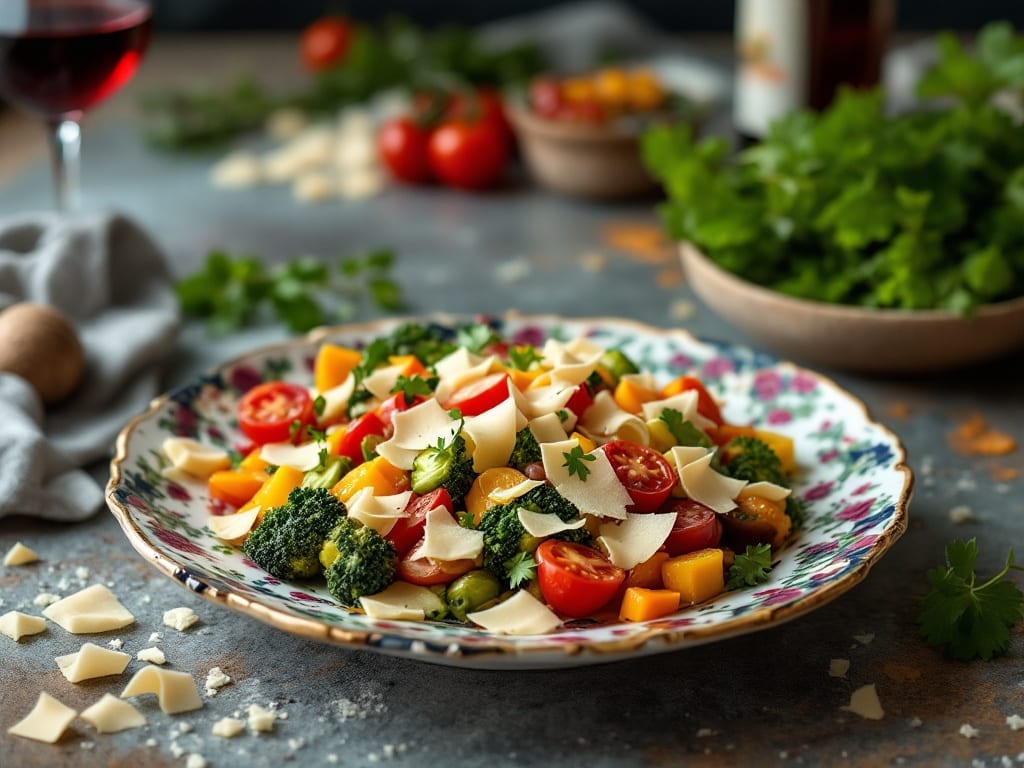
This melting pot cooking styles recipe transforms global flavors into one cohesive, restaurant-worthy dish by blending Italian braising techniques with Asian stir-fry speed and Latin American spice profiles. The result?
A one-pan wonder where tender beef chuck simmers in a tomato-pepper sauce infused with soy, cumin, and smoked paprika—creating layers of umami, heat, and acidity that balance perfectly. What makes this dish unique is how it marries slow-cooked richness with quick-fried textures, proving fusion cuisine doesn’t require complicated techniques.
The beauty of this recipe lies in its versatility and depth. You’ll start with a classic Italian-inspired braise, then elevate it with a wok-style sear to crisp the edges of the beef and vegetables.
The final touch—a sprinkle of toasted sesame seeds and fresh cilantro—bridges the gap between Mediterranean warmth and Asian brightness, all while keeping the dish simple enough for weeknights but impressive enough for guests. The key is balancing flavors without overpowering any single cultural influence.
By the time you serve this dish, you’ll have tender, caramelized beef with a sauce that’s rich yet bright, paired with al dente vegetables and a crust of toasted spices. The aroma alone—smoky, sweet, and slightly tangy—will draw everyone to the table.
This isn’t just a meal; it’s a celebration of how different culinary traditions can come together to create something entirely new and exciting.
The best part? This recipe scales effortlessly—double it for a crowd or halve it for leftovers that reheat beautifully. Whether you’re introducing fusion cooking to your repertoire or simply craving a dish that feels bold yet familiar, this is the perfect starting point.
Let’s bring the melting pot to your kitchen.
Ingredients for melting pot cooking styles
Bold flavors meet simple prep in this one-pan fusion masterpiece.
| Ingredient | Amount | Notes |
|---|---|---|
| Beef Chuck Roast 🥩 | 2 lb | Cut into 1.5-inch cubes |
| Yellow Onion 🧅 | 1 whole | Diced into 0.5-inch pieces |
| Red Bell Pepper 🌶️ | 1 whole | Cut into strips, seeds removed |
| Carrots 🥕 | 3 whole | Cut into 1-inch chunks |
| Canned San Marzano Tomatoes 🍅 | 28 oz | Crushed or diced, no salt added |
| Extra-Virgin Olive Oil 🫒 | ½ cup | For searing and deglazing |
| Low-Sodium Soy Sauce 🍜 | 2 tbsp | For umami depth |
| Smoked Paprika 🌶️ | 1 tbsp | For smoky complexity |
| Ground Cumin 🌿 | 1 tbsp | Toasted for warmth |
| Garlic Cloves 🧄 | 6 cloves | Minced for aromatic base |
| Fresh Ginger 🌿 | 1 tbsp | Grated, for zesty kick |
| Sesame Seeds 🥜 | 1 tbsp | Toasted for crunch |
| Fresh Cilantro 🌿 | ¼ cup | Chopped for brightness |
| Diamond Crystal Kosher Salt 🧂 | 1 ½ tsp | For seasoning balance |
| Freshly Ground Black Pepper 🌶️ | ½ tsp | For heat accent |
The beef chuck roast is the heart of this dish—look for well-marbled cuts at your butcher or grocery store’s meat counter. Costco or Whole Foods often carry high-quality chuck roast in bulk. If you can’t find it pre-cubed, ask them to cut it into 1.5-inch pieces for even cooking. The San Marzano tomatoes are a game-changer here—Trader Joe’s carries them canned, or find them at Italian markets. Their natural sweetness balances the smoky, spicy elements perfectly. For the bell pepper, grab a firm, vibrant red one—the fresher, the better for that crisp texture after searing.
No smoked paprika? Substitute with 1 tsp chipotle powder plus 0.5 tsp regular paprika for heat and smokiness. Running low on soy sauce? Coconut aminos work in a pinch, though the flavor will be slightly sweeter. The ginger can be swapped for 1 tsp ground ginger, but fresh is ideal—it brightens the entire dish. If sesame seeds are hard to find, toasted slivered almonds add a similar crunch. For the cilantro, fresh parsley works beautifully if you’re not a fan of the herb’s flavor. And if you’re using pre-minced garlic, toast it in the oil first to deepen its flavor.
This dish tastes even better the next day as flavors meld—portion into containers for easy leftovers. Keeps 4-5 days refrigerated or 3 months frozen. For reheating, cover with a damp paper towel to prevent drying. The sauce thickens as it cools, so add a splash of water or broth when reheating if it’s too stiff. Store the sesame seeds and cilantro separately until ready to serve to keep them fresh. If you make extra, freeze the sauce portion separately for future use in pasta or rice dishes.
Why You’ll Love This Recipe
- One-Pot Magic: I swear by this—just toss the chuck roast, onions, and peppers into a Dutch oven with the tomatoes, add water, and let it slow-cook. No chopping like a pro, no fancy techniques, just set it and forget it while you sip wine or scroll through your phone.
- Tomato-Tinged Perfection: That San Marzano tomato base? It’s the secret weapon—sweet, rich, and just tangy enough to cut through the beef’s richness. The carrots caramelize into little bursts of sweetness, and the bell pepper adds a bright, fresh crunch that keeps every bite interesting.
- Leftovers That Beg for More: Between us, this recipe always gives me at least three meals. The beef stays tender and flavorful, so I’ll pull it out for sandwiches, tacos, or even a quick pasta toss. Honestly, the second night is often the best—when the flavors have had time to meld.
- Budget-Friendly Crowd-Pleaser: A chuck roast is my go-to for feeding a houseful without breaking the bank. The veggies stretch the meal, and the tomatoes add depth without costing extra. Plus, it’s the kind of dish where no one asks, “What’s for dinner?”—they just dig in.
Step-by-step instructions for fusion beef stew with global flavors
This method marries Mediterranean warmth with Asian umami for a rich, layered stew that builds flavor in stages.
Sear the Beef Chuck Roast in Batches
Heat the 0.5 cup extra-virgin olive oil in a heavy Dutch oven over medium-high heat until shimmering. Working in batches to avoid crowding, add the 2 lb beef chuck roast cut into 1.5-inch cubes, pressing gently with a spatula during the first minute to prevent curling. Sear until deeply browned on all sides—3-4 minutes per batch—this creates the Maillard reaction that forms the stew’s deep foundation.
As you sear, remove the beef and set it aside. The pan will contain precious browned bits that we’ll deglaze next. If the oil starts smoking excessively, reduce heat slightly—you want golden, not blackened, sear marks. This step is non-negotiable for developing rich flavor.
Build the Aromatic Base with Layered Spices
In the same Dutch oven, add the 1 whole yellow onion diced into 0.5-inch pieces and the 1 whole red bell pepper in strips. Cook for 5 minutes until softened and slightly caramelized. Add the 3 whole carrots cut into 1-inch chunks and continue cooking for another 3 minutes until they begin to soften.
Stir in the 6 cloves garlic cloves (minced), 1 tbsp fresh ginger (grated), 1 tbsp smoked paprika, and 1 tbsp ground cumin. Toast these spices for 1 minute until fragrant—you should smell the earthy cumin and smoky paprika wafting through your kitchen. This aromatic base forms the flavor bridge between cultures in your stew.
Deglaze and Develop the Sauce
Pour in the 2 tbsp low-sodium soy sauce and scrape up all the browned bits from the bottom of the pot with a wooden spoon. This deglazing step captures all the meaty flavors you’ve built. Add the 28 oz canned San Marzano tomatoes (crushed or diced) and bring the mixture to a gentle simmer over medium heat. Let it cook uncovered for 15 minutes to allow the tomatoes to break down and the flavors to meld.
Here’s where the fusion happens: the soy sauce’s umami meets the tomatoes’ acidity while the spices create warmth. Stir occasionally, but don’t rush this stage—patience is key. The sauce should reduce slightly and coat the back of a spoon by the end of this time.
Simmer the Stew to Tender Perfection
Return the seared beef to the pot along with any accumulated juices. Add 1.5 tsp diamond crystal kosher salt and 0.5 tsp freshly ground black pepper, then pour in enough water to just cover the beef—about 2 cups. Bring to a gentle simmer, then reduce heat to low and cover partially with a lid. Let it cook for 2.5-3 hours until the beef is fork-tender and easily pulls apart.
Check the liquid level periodically and add hot water as needed to keep the beef submerged. The stew should have a rich, velvety consistency with beef that falls apart at the touch. This long, slow cook transforms tough chuck into melt-in-your-mouth pieces while developing deep, complex flavors.
Finish with Toasted Sesame and Fresh Cilantro
In the final 10 minutes of cooking, stir in the 1 tbsp toasted sesame seeds and 0.25 cup chopped fresh cilantro. These finishing touches add texture and brightness that cut through the richness of the stew. The sesame seeds should be toasted in a dry pan for 1-2 minutes until fragrant before adding to prevent bitterness.
Taste and adjust seasoning—you might need a touch more salt or pepper depending on your tomatoes. Serve immediately over steamed rice or crusty bread, where each spoonful delivers layers of Mediterranean warmth and Asian depth in perfect harmony.
Pro Tips For Making Melting Pot Cooking Styles
- Sear the Chuck Roast First: I used to skip this step because it seemed unnecessary, but browning that beef deeply—high heat, 3-4 minutes per side—builds flavor that lasts through hours of slow cooking. The crust locks in juices, so don’t rush it (yes, even if you’re impatient like me).
- Chop Carrots in Chunks: Thin slices turn to mush; big chunks stay intact. Cut carrots into 1-inch pieces—they’ll soften evenly without disappearing into the sauce. (And no, you can’t just “throw them in” and expect magic.)
- Deglaze with a Splash of Wine: After searing the beef, hit the pot with ¼ cup red wine (or broth) and scrape up every browned bit. That’s where the flavor hides—don’t just dump in tomatoes cold. Let it simmer 2 minutes first.
- Salt the Tomatoes: San Marzano tomatoes are sweet but still need seasoning. Sprinkle ½ teaspoon salt directly into the can before crushing them—it balances acidity and makes the sauce richer. (I learned this the hard way after tasting bland sauce twice.)
Serving suggestions for this dish
Rice Pairing Perfection
This stew shines when served over jasmine rice—its delicate floral notes complement the smoky, spicy depth of the dish. Cook 1 cup jasmine rice with 1.5 cups water and a pinch of salt, then fluff with a fork before serving.
For extra texture, top each bowl with toasted sesame seeds and a sprinkle of fresh cilantro. 🍚
For a heartier option, try brown rice—its nutty flavor stands up to the rich stew while adding fiber. I like to cook it in a rice cooker for hands-off convenience. If you prefer Italian flair, serve with crusty ciabatta to soak up every last drop of sauce.
Garnish Game-Changers
Elevate the dish with quick-pickled red onions—slice ½ small red onion thin, soak in ¼ cup vinegar and 1 tsp sugar for 10 minutes.
Their tang cuts through the richness beautifully. Another winner: crispy fried shallots—toss 2 tbsp sliced shallots in 1 tbsp oil and fry until golden. 💫
For heat lovers, add chili crisp—a Chinese condiment with crispy chili flakes and vinegar. Just 1 tsp on top adds smoky, spicy crunch. If you’re avoiding gluten, swap soy sauce in the recipe for tamari and use gluten-free rice.
Bread Basket Essentials
Set out a garlic bread basket with warm focaccia or baguette slices brushed with garlic-infused olive oil. Toast them in the oven for 3-5 minutes until golden. The bread’s crispy crust contrasts perfectly with the stew’s tender beef. 🥖
For a fusion twist, serve steamed bao buns on the side. Their soft, pillowy texture pairs surprisingly well with the hearty stew. I like to keep them warm in a steamer basket until serving.
Dessert Bridges Cultures
End the meal with tiramisu—its coffee and mascarpone layers echo the stew’s Mediterranean roots. For an Asian touch, serve mochi ice cream with red bean paste. The contrast between savory and sweet feels intentional and satisfying. 🍮
Or go simple: dark chocolate-dipped orange segments tie back to the dish’s citrusy ginger and bright cilantro. The bittersweet chocolate balances the meal’s bold flavors without overpowering them.
Nutrition facts
Frequently asked questions
What makes this dish a true “melting pot” recipe?
This recipe blends Italian braising techniques with Asian stir-fry methods and Latin American spices. The beef chuck roast gets seared like Italian ragù, then simmers in a tomato-pepper sauce infused with soy sauce (Asian umami) and smoked paprika (Latin warmth). The final sesame-cilantro garnish bridges all three traditions.
Can I substitute the beef chuck roast with another protein?
Yes! For a vegetarian version, use portobello mushrooms or chickpeas (simmer 2 extra hours for texture). Chicken thighs work well too—reduce cooking time to 1.5 hours since they cook faster. Just ensure the protein is cut into similar-sized pieces for even cooking.
How can I make this dish spicier?
Add ½ teaspoon cayenne pepper or 1 teaspoon gochujang (Korean chili paste) to the sauce during simmering. For heat with texture, sprinkle 1 teaspoon chili crisp on top before serving. Start with small amounts—you can always add more!
What’s the best way to reheat leftovers?
Reheat gently in a pot over low heat with 2 tablespoons water to prevent drying. Cover and cook for 5-7 minutes until warmed through. For extra richness, add a splash of broth or soy sauce while reheating. Leftovers keep 4-5 days refrigerated or 3 months frozen.
Can I prepare this ahead of time for a dinner party?
Make the stew 1 day ahead—flavors deepen overnight. Store in an airtight container and reheat gently. Keep the sesame seeds and cilantro separate until serving to preserve freshness. For a crowd, double the recipe and use two Dutch ovens. The long cooking time makes it perfect for meal prep!

- Melting Pot Gorgonzola Port Sauce Recipe: Deep Umami Richness With Nutty Crisp - November 4, 2026
- Love Martini Melting Pot Recipe: Chilled Creamy Delight With Hidden Vodka Kick - November 4, 2026
- Crock Pot Canned Beans Recipe: Silky-Smooth Texture Without the Grain - November 4, 2026