
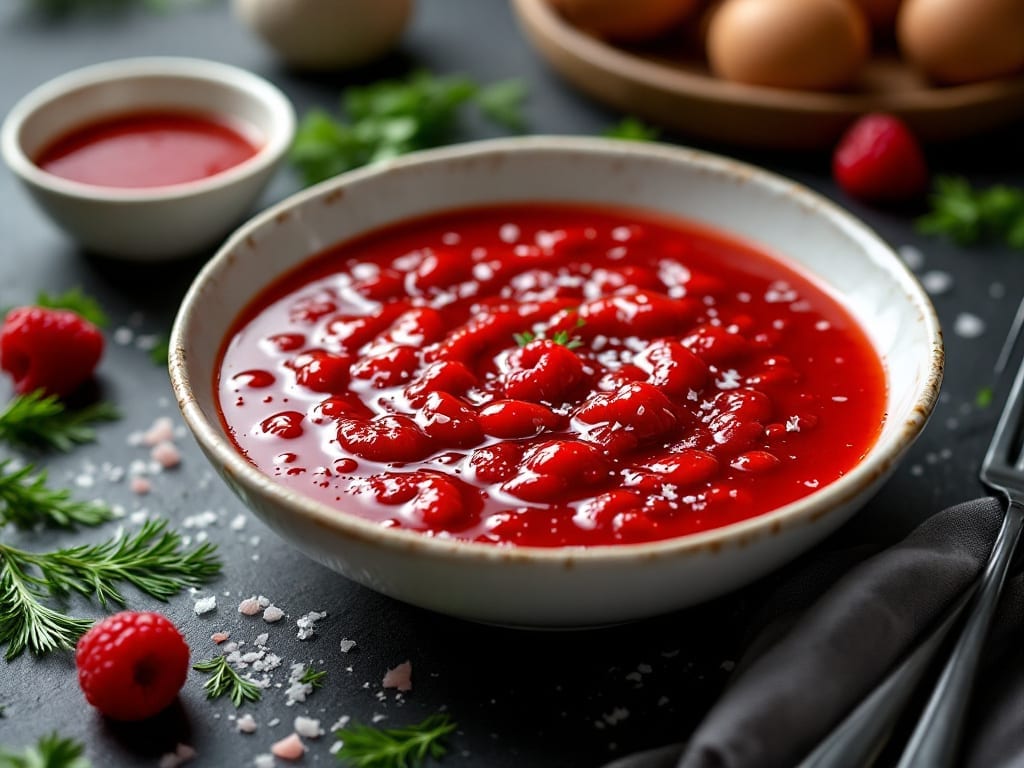
This melting pot raspberry vinaigrette recipe turns humble pantry staples into a vibrant, zesty sauce that brightens salads, grilled meats, and roasted vegetables effortlessly.
The secret lies in balancing sweet raspberry jam with sharp vinegar and smooth olive oil—a combination that delivers restaurant-quality depth with just five ingredients and five minutes of whisking. I developed this recipe after realizing most store-bought dressings lack the complexity of homemade, where fresh flavors shine through every pour.
The magic happens when you emulsify the ingredients properly, creating a smooth, velvety texture that clings beautifully to greens or crusty bread. Unlike traditional vinaigrettes that rely on mustard for thickening, this version uses raspberry jam as its natural binder, delivering a sweet-tart balance that pairs perfectly with savory dishes.
The result is a sauce that stays fresh in the fridge for up to one week, making it ideal for meal prep or last-minute gatherings.
What sets this vinaigrette apart is its versatility—drizzle it over mixed greens, toss it with roasted chicken, or use it as a marinade for grilled vegetables. The raspberry jam adds a subtle sweetness that cuts through rich flavors, while the vinegar and oil create a bold, tangy foundation.
No special equipment is needed beyond a whisk or small bowl, and the measurements are designed for foolproof results every time.
For an extra layer of flavor, consider adding fresh herbs like basil or thyme, or a pinch of black pepper for heat. The key is adjusting the sweetness to taste—more jam for a sweeter profile, or a splash of lemon juice to brighten it up.
This isn’t just a dressing; it’s a flavor multiplier that turns ordinary meals into something extraordinary.
Ingredients for melting pot raspberry vinaigrette
Five ingredients transform into vibrant vinaigrette with restaurant-quality depth.
| Ingredient | Amount | Notes |
|---|---|---|
| Raspberry Jam 🍓 | ¼ cup | High-quality, seedless preferred |
| White Wine Vinegar 🍷 | ½ cup | Dry, aged variety preferred |
| Extra-Virgin Olive Oil 🫒 | ½ cup | Light, fruity flavor profile |
| Dijon Mustard 🌶️ | 1 tbsp | Mild for subtle tang |
| Granulated Sugar 🍚 | 1 tbsp | Adjusts sweetness balance |
| Fresh Lemon Juice 🍋 | 1 tbsp | Brightens overall flavor |
| Diamond Crystal Kosher Salt 🧂 | ½ tsp | Fine grain preferred |
| Freshly Ground Black Pepper 🌶️ | ¼ tsp | Enhances depth of flavor |
| Fresh Basil Leaves 🌿 | ¼ cup | Finely chopped for garnish |
The raspberry jam serves as the flavor anchor—opt for a high-quality, seedless variety from Whole Foods or Trader Joe’s for maximum fruit concentration. The jam’s natural pectin helps emulsify the dressing without requiring additional thickeners. For white wine vinegar, seek out aged varieties like those from Bragg or Heinz Select, as their complexity elevates the finished product. Extra-virgin olive oil should be light and fruity—avoid robust, peppery oils that may overpower the delicate raspberry notes. Fresh basil leaves should be vibrant green, not wilted, and ideally harvested from your garden or a trusted farmers’ market for optimal flavor.
Substitutions can be made with careful consideration of flavor balance. For raspberry jam, strawberry or blackberry preserves work well, though the color will differ. If white wine vinegar is unavailable, apple cider vinegar provides a milder alternative, while balsamic vinegar adds depth but may darken the dressing. For Dijon mustard, whole-grain mustard thinned with water can be used, though the texture will be slightly grainier. Fresh lemon juice can be substituted with bottled lemon juice, though freshly squeezed delivers superior brightness. The granulated sugar can be replaced with honey or maple syrup, though the sweetness profile will vary—reduce by half if using liquid sweeteners.
This vinaigrette maintains peak freshness when stored in an airtight container in the refrigerator for up to one week. The emulsified texture may separate slightly over time, but a quick whisk restores its velvety consistency. For longer storage, transfer to a sterile jar and freeze for up to three months. When ready to use, thaw in the refrigerator and whisk thoroughly. The dressing pairs exceptionally well with grilled vegetables, roasted chicken, or mixed greens, and its versatility makes it ideal for both meal prep and last-minute gatherings.
Why You’ll Love This Recipe
- No Shopping List Needed: I’ll bet you’ve got every single thing already—raspberry jam, vinegar, olive oil, even that bottle of Dijon gathering dust. Honestly, this is the kind of recipe that turns pantry staples into something magical without making you feel like you’re running to the store.
- Sweet-Tart Magic: That raspberry jam isn’t just for toast—it’s the secret weapon here. The white wine vinegar cuts through the sweetness just enough to wake up your taste buds, while the Dijon mustard adds a little tangy depth. It’s bright, it’s bold, and it sticks with you.
- Salad’s Best Friend: I use this on everything—crisp greens, grilled chicken, even as a glaze for roasted sweet potatoes. It’s the kind of dressing that doesn’t just dress up a salad; it makes the whole meal feel special. (Yes, even on a Tuesday night.)
- Makes More Than You Think: A little goes a long way, so you’ll end up with leftovers—perfect for drizzling on tomorrow’s lunch or packing in a jar for your next picnic. Between us, it’s the kind of dressing that disappears faster than you can say “second helping.”
Step-by-step instructions for melting pot raspberry vinaigrette
This no-cook dressing delivers vibrant complexity with just a few simple steps.
Whisk Together the Acidic Base
In a medium bowl, combine the 0.5 cup white wine vinegar with the 0.25 cup raspberry jam. Use a whisk to emulsify them thoroughly for about 30 seconds—this breaks down the jam’s texture and distributes its flavor evenly. The mixture should become smooth and slightly syrupy, with no visible fruit chunks remaining. This foundational blend carries the tart-sweet balance that defines the dressing.
Here’s the thing—don’t rush this step. The jam needs time to fully incorporate with the vinegar, creating a cohesive liquid base. If you notice any resistance or uneven texture, simply continue whisking for another 10 seconds. This ensures the subsequent ingredients blend seamlessly without separation later.
Incorporate Mustard and Sugar
Add the 1 tablespoon Dijon mustard and 1 tablespoon granulated sugar to the vinegar-jam mixture. Whisk vigorously for 45 seconds until fully combined. The mustard acts as an emulsifier, preventing oil separation, while the sugar subtly rounds out the tartness. You’ll see the mixture transform into a smoother, thicker consistency—this is when the dressing starts taking shape.
The sugar should dissolve completely; if it doesn’t, add 1 teaspoon warm water and whisk again. This step is critical for achieving the right balance of sweetness and acidity. Taste the mixture now—it should be noticeably tangy with a hint of jam’s fruity depth. If it’s too sharp, you’ll adjust it in the next step.
Add Oil and Seasonings Gradually
With the whisk moving continuously, slowly drizzle in the 0.5 cup extra-virgin olive oil over 1-2 minutes. This gradual addition is key—it allows the oil to emulsify properly rather than creating a greasy separation. The dressing should thicken slightly as you incorporate the oil, reaching a creamy, pourable consistency. If it looks too thin, add 1 teaspoon more Dijon mustard and whisk again.
Once the oil is fully incorporated, stir in the 1 tablespoon fresh lemon juice, 0.5 teaspoon Diamond Crystal kosher salt, and 0.25 teaspoon freshly ground black pepper. The lemon juice brightens the flavors, while the salt and pepper enhance depth. Taste again—the dressing should now have a harmonious balance of sweet, tart, and savory notes. If it needs more acidity, add another ½ teaspoon white wine vinegar.
Finish with Fresh Basil
Fold in the 0.25 cup finely chopped fresh basil leaves using a rubber spatula. The basil adds a fragrant, herbal dimension that elevates the dressing from simple to sophisticated. Gently stir just until the leaves are evenly distributed—overmixing can bruise the basil and release bitterness. The final texture should be smooth with visible flecks of basil throughout.
Let the dressing rest for 5 minutes before using. This brief pause allows the flavors to meld completely. If you notice any separation after resting, simply whisk vigorously for 10-15 seconds to re-emulsify. The result should be a vibrant, glossy dressing with layers of raspberry brightness and herbal freshness.
Pro Tips For Making Melting Pot Raspberry Vinaigrette
- Whisk in stages: Start by mixing the raspberry jam, vinegar, mustard, and sugar—then slowly drizzle in the olive oil while whisking like you’re painting a fence. The jam’s thickness means you’ll need to pause halfway to scrape down the sides of your bowl; I learned this the hard way when my first batch turned into a gloppy mess.
- Strain if it’s lumpy: If your raspberry jam has seeds or bits, give the finished vinaigrette a quick pass through a fine-mesh sieve. No sieve? Nestle cheesecloth in a bowl and pour it through—it’s not pretty, but it’ll keep your dressing silky. (Yes, even if you’re impatient like me.)
- Taste before emulsifying: Check the balance of sweet, tang, and mustard before you add all the oil. The jam’s natural sugar can sneak up on you, so if it’s too cloying, add a splash more vinegar or a pinch of salt. I skip this step sometimes, and the dressing ends up tasting like dessert instead of a dressing.
- Use room-temp oil: Cold olive oil from the fridge will shock the emulsion and make it split later. Let that bottle sit out for 10 minutes—it’s a tiny wait that keeps your dressing from breaking in the jar. (Your future self will thank you.)
Wine and beer pairings for these flavors
Crisp White Wines
This raspberry vinaigrette pairs beautifully with dry Riesling or Sauvignon Blanc—their bright acidity mirrors the dressing’s tangy-sweet balance. I reach for a German Riesling like Dr. Loosen Blue Slate when serving salads, as its mineral notes complement the raspberry’s fruitiness.
For grilled meats, a New Zealand Sauvignon Blanc (like Oyster Bay) adds a zesty contrast that elevates the dish. 🍷
Light Red Options
If you prefer red wine, opt for Pinot Noir with subtle fruit notes—avoid bold Cabernets that overpower the delicate dressing. A Willamette Valley Pinot like Domaine Serene works perfectly, offering red fruit undertones that harmonize with the raspberry.
Serve chilled to enhance its crispness and prevent heat from muting the vinaigrette’s flavors.
Beer Pairings
For beer lovers, a Belgian witbier like Hoegaarden or Blue Moon provides a refreshing contrast with its citrusy notes. The dressing’s sweetness balances the beer’s effervescence, creating a delightful pairing.
Alternatively, a light lager such as Peroni or Mexican-style lager (like Modelo Especial) keeps the meal light and crisp. 🍺
Sparkling Wine
Prosecco or Spanish Cava adds a festive touch while enhancing the vinaigrette’s bright flavors. The bubbles cleanse your palate between bites, making it ideal for summer gatherings.
I recommend a dry Prosecco like La Marca—its crisp acidity and green apple notes complement the raspberry beautifully. Serve well-chilled to maintain its effervescence.
Non-Alcoholic Options
For a refreshing non-alcoholic pairing, try sparkling water with lemon or a raspberry-infused iced tea. The effervescence mimics wine’s cleansing effect, while the tea’s tartness echoes the dressing’s acidity.
For a richer option, a ginger beer like BrewDog Ginger Beer adds a spicy kick that contrasts wonderfully with the sweet-tart vinaigrette.
Nutrition facts
Frequently asked questions
Can I use frozen raspberries instead of raspberry jam?
Yes, but you’ll need to cook them first! Simmer 1 cup frozen raspberries with 1 tablespoon sugar until softened (5 minutes), then strain to remove seeds. Use this purée to replace the jam in the recipe. The texture will be slightly thinner, so add ½ teaspoon more Dijon mustard to help emulsify the dressing.
How do I fix a vinaigrette that separated?
Simply whisk vigorously for 30-45 seconds to re-emulsify. If it keeps separating, add ½ teaspoon more Dijon mustard or a pinch of xanthan gum (¼ teaspoon) to stabilize. Store in an airtight container—this helps maintain the emulsion longer. Never shake the bottle, as that breaks down the dressing faster.
What’s the best way to store leftover vinaigrette?
Transfer to an airtight glass jar and refrigerate for up to 1 week. The dressing may thicken slightly when cold—just whisk again before using. For longer storage, freeze for 3 months. Thaw overnight in the fridge and whisk to restore smoothness. Avoid metal containers, as they can react with the acidity.
Can I make this vinaigrette without mustard?
Yes, but the texture may be less stable. Replace the 1 tablespoon Dijon mustard with ½ teaspoon ground flaxseed or chia seeds mixed with 1 tablespoon water (let sit for 5 minutes to gel). Alternatively, use 1 teaspoon honey instead of sugar—it adds natural emulsifying properties. The dressing will be slightly thinner but still delicious.
What are the best uses for this vinaigrette beyond salads?
This versatile dressing works as a marinade for grilled chicken or fish, a glaze for roasted vegetables, or a dipping sauce for crusty bread. Toss it with quinoa or farro salads, drizzle over seared scallops, or use it as a finishing sauce for pasta dishes. The sweet-tart balance cuts through rich flavors beautifully.

- Braised Beef Short Ribs Recipe: Crock Pot Fall-Off-Bone Magic in 6 Hours - November 1, 2026
- Crock Pot Cocoa Recipe: Velvety Warmth With Hidden Spice Magic - November 1, 2026
- White Queso Crock Pot Recipe: Ultra-Smooth Melt Without the Grain - November 1, 2026