
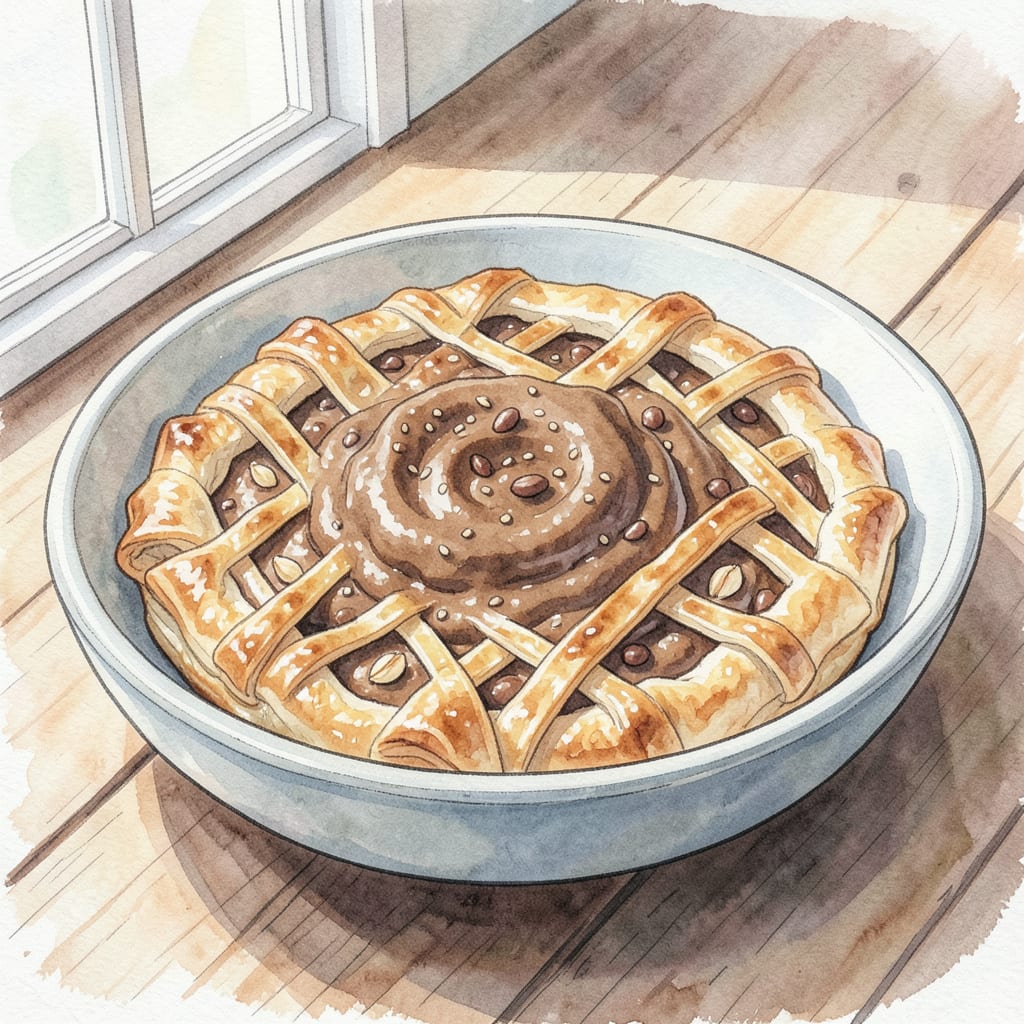
Mung bean paste is a versatile ingredient in many Asian desserts and savory dishes. I create this smooth, savory paste by blending cooked mung beans with aromatic spices and seasonings.
The result is a rich, creamy paste perfect for filling pastries, sweet soups, or as a savory sauce component. Store it in an airtight container in the refrigerator for up to a week.
Ingredients for Mung Bean Paste
Simple ingredients create this versatile Asian-style mung bean paste for various dishes.
| Ingredient | Amount | Notes |
|---|---|---|
| Dried Mung Beans 🌽 | 1 cup | Rinsed and drained |
| Water 💧 | 2 cups | For cooking beans |
| Granulated Sugar 🍮 | ¼ cup | Adjust to taste |
| Sesame Oil 🫒 | 2 tbsp | For flavor |
| Garlic Cloves 🧄 | 2 cloves | Mince before adding |
| Ginger 🌿 | 1 tbsp | Grated fresh |
| Salt 🧂 | ¼ tsp | To enhance flavor |
For the best mung beans, check Asian markets or Whole Foods. Look for bright, uniform beans without cracks. I usually buy in bulk to save money. If you’re using a different type of bean, adjust cooking time as needed. The quality of the beans directly affects the paste’s texture and flavor.
No sesame oil? Peanut oil or avocado oil work as substitutes, though the flavor will be slightly different. For a sweeter paste, increase the sugar to 1/2 cup. If you prefer less sweet, start with 2 tbsp and adjust. Fresh ginger is ideal, but ground ginger at 1/4 tsp is a decent substitute in a pinch.
This paste keeps in an airtight container in the fridge for up to 1 week. You can also freeze it for 3 months—just portion into ice cube trays for easy use. When you’re ready to use it, let it thaw overnight in the fridge or at room temperature for a few hours. Stir well before using.
Step-by-Step Instructions for Mung Bean Paste
Follow these simple steps to create a smooth, savory mung bean paste perfect for Asian-style desserts and fillings.
Step 1: Cook the Mung Beans
Rinse the 1 cup dried mung beans thoroughly until the water runs clear. In a large pot, combine the rinsed mung beans with 2 cups water. Bring to a boil over high heat, then reduce the heat to medium-low and simmer for 30-40 minutes or until the beans are very tender and have broken apart. You’ll know they’re done when they’re easily mashed between your fingers.
During cooking, stir occasionally to prevent the beans from sticking to the bottom of the pot. If the water level gets too low, add a little more water to keep the beans submerged. The beans should be very soft and mushy when they’re ready.
Step 2: Blend the Cooked Mung Beans
Drain the cooked mung beans through a fine-mesh sieve, reserving the cooking liquid. Transfer the drained beans to a blender or food processor. Add 2 cloves minced garlic cloves and 1 tablespoon grated ginger to the blender. Blend on high speed until you get a smooth, creamy paste. You may need to stop the blender and scrape down the sides a few times to ensure everything gets fully incorporated.
If the mixture is too thick, add a little of the reserved cooking liquid (start with ¼ cup) to achieve a smooth, spreadable consistency. Be careful not to add too much liquid – you want the paste to be thick enough to hold its shape.
Step 3: Sweeten and Season the Paste
Transfer the blended mung bean mixture to a non-stick pan or wok. Add 0.25 cup granulated sugar and 0.25 teaspoon salt. Cook over medium heat, stirring constantly, until the sugar has dissolved and the mixture starts to thicken. This should take about 5-7 minutes.
Continue cooking and stirring until the paste reaches your desired consistency. It should be thick enough to hold its shape when cooled. You’ll notice it thickening as you stir – that’s your cue to remove it from heat.
Step 4: Finish with Sesame Oil
Remove the pan from the heat and stir in 2 tablespoons sesame oil. This adds a rich, nutty flavor to your mung bean paste. Let the mixture cool to room temperature before using it in your favorite recipes.
The finished paste should be smooth, creamy, and fragrant. If you’re not using it immediately, you can store it in an airtight container in the refrigerator for up to 1 week. Let it come to room temperature before using.
Regional Styles of This Dish
Chinese-Style Mung Bean Paste
In Chinese cuisine, mung bean paste is often sweetened and used as a filling for pastries like mooncakes or bao. To make this version, increase the sugar to 1/2 cup and omit the sesame oil and garlic. You can also add a pinch of five-spice powder for extra depth. This sweet paste is perfect for traditional desserts. 🍮
Korean-Style Mung Bean Paste ( Nokdu-muji )
Korean cuisine features a savory mung bean paste called nokdu-muji. To make this version, omit the sugar and add more sesame oil and salt. You can also include chopped green onions and a dash of gochugaru (Korean chili flakes) for added flavor and heat. This paste is great with rice or vegetables. 🌶️
Southeast Asian-Inspired Mung Bean Paste
In Southeast Asia, mung bean paste is often flavored with local ingredients. Try adding coconut milk to the mixture for a creamier texture and a hint of coconut flavor. You can also incorporate lemongrass or kaffir lime leaves for a unique twist. This version works well in both sweet and savory dishes. 🌿
Modern Fusion Mung Bean Paste
For a modern take on traditional mung bean paste, experiment with different flavor combinations. Add a spoonful of nutella or peanut butter for a chocolate-hazelnut or nutty twist. You can also mix in some matcha powder for a green tea-flavored paste. These variations are perfect for innovative desserts or snacks. 🍫
Tips for Customizing Your Mung Bean Paste
Nutrition Facts
220kcal

- 8 Bean Soup Recipe Crock Pot: Hearty Vegetable Medley in One Pot - September 25, 2026
- 4C Bread Crumbs Meatballs Recipe: Crispy Crust and Juicy Centers - September 25, 2026
- 6 Oz Chocolate Chip Cookie Recipe: Perfectly Balanced Crispy Edges and Chewy Hearts - September 25, 2026