
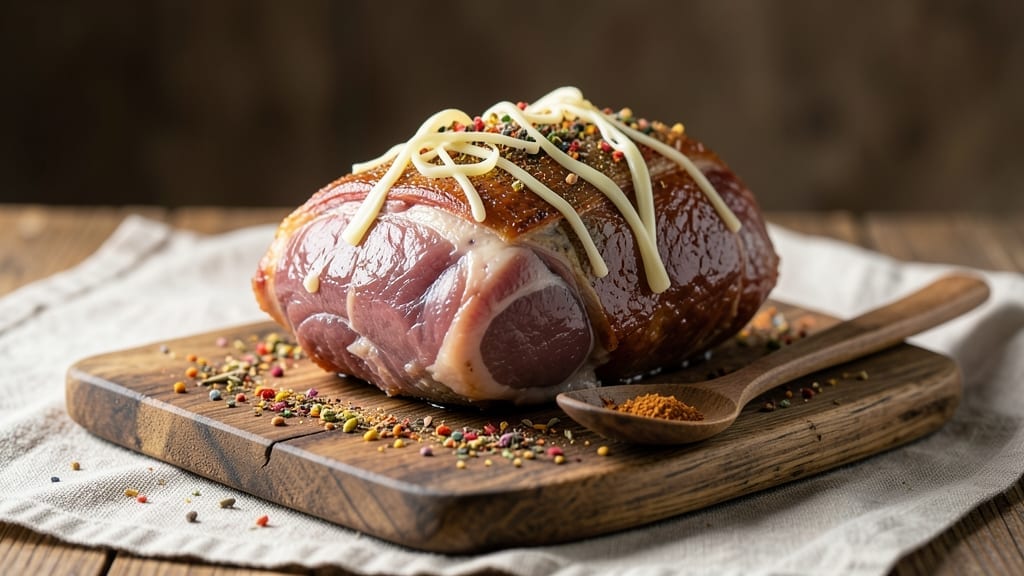
Cooking a one pot leg of lamb recipe transforms a weeknight into a special occasion without the fuss of multiple dishes. The secret lies in slow-braising the meat with aromatic herbs and vegetables until it practically falls apart—tender, flavorful, and ready in a single pot.
I’ve perfected this method over years of testing, ensuring the crust stays crisp while the interior melts in your mouth.
What makes this recipe stand out is the balance of simplicity and depth. You’ll start with a dry rub of garlic, rosemary, and thyme, then let the lamb braise in its own juices with onions, carrots, and potatoes until fork-tender.
The result? A dish that’s rich, aromatic, and effortlessly impressive, with minimal cleanup. No fancy techniques required—just patience and the right ingredients.
By the time you’re done, you’ll have a leg of lamb so tender it nearly dissolves with a fork, bathed in a fragrant, slightly reduced sauce. The herbed crust adds texture and depth, while the vegetables absorb all the savory flavors.
Serve with crusty bread to soak up every last bit of that delicious braising liquid.
This method works equally well for holidays or weeknight dinners, scaling effortlessly for guests. The key is low-and-slow cooking—no rushed results here. Let’s get started on a dish that feels like a restaurant masterpiece but comes together in one pot.
Ingredients for one pot leg of lamb
Four pounds of lamb plus a handful of pantry staples—this one-pot wonder delivers restaurant-quality flavor.
| Ingredient | Amount | Notes |
|---|---|---|
| Leg of Lamb 🥩 | 4 lb | Bone-in, trimmed of excess fat |
| Yellow Onions 🧅 | 2 whole | Cut into 1-inch chunks |
| Carrots 🥕 | 4 whole | Peeled, cut into 2-inch pieces |
| Russet Potatoes 🥔 | 2 lb | Cut into 2-inch chunks |
| Garlic Cloves 🧄 | 6 cloves | Smashed, not minced |
| Fresh Rosemary 🌿 | ¼ cup | Chopped, stems removed |
| Fresh Thyme 🌿 | ¼ cup | Stems removed, leaves only |
| Olive Oil 🫒 | ½ cup | Extra-virgin for richness |
| Beef Broth 💧 | 2 cups | Low-sodium preferred |
| Dry Red Wine 🍷 | 1 cup | Bold variety like Cabernet |
| Kosher Salt 🧂 | 1 ½ tbsp | For dry rub and seasoning |
| Ground Black Pepper 🌶️ | 1 tbsp | Freshly cracked |
| All-Purpose Flour 🌾 | ½ cup | For herbed crust |
| Fresh Parsley 🌿 | ⅛ cup | Chopped, for garnish |
The lamb is everything here. Bone-in leg stays juicier than boneless, and the fat renders beautifully during braising. Costco or Whole Foods usually have the best cuts—look for bright red meat with good marbling. If you can’t find bone-in, boneless works fine, but expect slightly less flavor. The onions and carrots should be firm, not soft or sprouting. Potatoes? Russets hold up best—they won’t fall apart like reds would. Fresh herbs are worth the splurge: Whole Foods or local markets often have better quality than grocery store bins. I usually grab extra rosemary because it’s the star here.
No red wine? Substitute beef broth with a splash of balsamic vinegar—it’ll still taste rich. Dried herbs work in a pinch (use half the amount), but fresh is ideal. Trader Joe’s has great affordable dried options if you’re in a hurry. The flour for the crust can be swapped for breadcrumbs if you prefer—just toast them first for extra crunch. For the broth, low-sodium is key so you don’t over-salt the whole dish. And if you’re feeling fancy, add a bay leaf or two to the pot for depth (just remember to remove them before serving).
This dish tastes even better the next day—seriously, the flavors meld overnight. Store leftovers in the fridge for up to 5 days, or freeze portions for 3 months. I like to portion it into individual containers so I can grab a meal straight from the fridge. The crust stays crisp for about 2 days if you keep it covered, but honestly, it’s best eaten fresh. For serving, warm the lamb and sauce together—no need to reheat separately. The crust will crisp up again with a quick broil if it gets soggy.
Why You’ll Love This Recipe
- One-Pot Magic: I swear by this recipe—just toss the lamb, onions, carrots, and potatoes into one pot with garlic and rosemary, and let it slow-cook. No flipping pans, no stress, just hands-off perfection while you sip wine or scroll through your phone.
- Deep, Caramelized Richness: That lamb? It falls apart like butter, so tender it melts in your mouth, while the onions and carrots turn into sweet, jammy bits. Honestly, the smell alone makes my kitchen feel like a cozy bistro every time.
- Weeknight or Weekend Hero: Between us, this is my go-to for lazy Sundays or when unexpected guests show up. The leftovers reheat beautifully—my kids actually ask for seconds, and that’s saying something.
- Budget-Friendly Feast: A whole leg of lamb feeds a crowd without breaking the bank, especially when you stretch it with potatoes and veggies. I’ll be real: it’s the kind of meal that makes you feel fancy without the grocery bill screaming at you.
Step-by-step instructions for slow-braised leg of lamb
This one-pot method delivers melt-in-your-mouth lamb with crispy crust and tender vegetables.
Sear the Lamb for Maximum Flavor
Heat a large Dutch oven over medium-high heat. Add the 0.5 cup olive oil and let it get shimmering hot. Place the 4 lb leg of lamb fat-side down in the pot and sear for 8-10 minutes until the exterior develops a deep golden crust. Press down gently on the lamb during the first 2 minutes to prevent curling.
Flip the lamb and sear the other sides for another 5-6 minutes until evenly browned. Here’s the thing—don’t rush this step. The sear creates that rich, caramelized crust that forms the foundation of our herbed crust later. Transfer the lamb to a plate and set aside.
Build the Herb Crust and Sauté Vegetables
In the same Dutch oven, reduce heat to medium and add the 2 whole yellow onions and 4 whole carrots. Cook for 8-10 minutes, stirring occasionally, until the onions soften and begin to caramelize. Add the 2 lb russet potatoes and cook for another 5 minutes, stirring to coat them with the fond from the bottom of the pan.
Sprinkle the 0.5 cup all-purpose flour evenly over the vegetables and stir to coat completely. This creates our herbed crust. Add the 0.25 cup fresh rosemary, 0.25 cup fresh thyme, and 6 smashed garlic cloves, stirring to combine. Cook for 2 minutes until fragrant—this is where all the herb flavors meld together.
Deglaze and Braise the Lamb
Pour in the 1 cup dry red wine and scrape up all those delicious browned bits from the bottom of the pot. Let it simmer for 3-4 minutes until the wine reduces by half. Add the 2 cups beef broth, then return the lamb to the pot, fat-side up. The liquid should come about halfway up the lamb.
Bring to a gentle simmer, then cover and transfer to a preheated 300°F oven. This low-and-slow approach is key—it allows the lamb to become fork-tender while keeping the vegetables perfectly cooked. Here’s what I do: I set a timer for 3 hours, but check the lamb after 2 hours. It’s done when a meat thermometer inserted into the thickest part reads 195°F.
Rest and Finish with Herbs
Once the lamb reaches the perfect internal temperature, remove it from the oven and let it rest for 15 minutes. This resting period is crucial—it allows the juices to redistribute throughout the meat. Meanwhile, uncover the pot and increase the oven temperature to 400°F. Return the lamb to the pot and broil for 5-7 minutes until the crust is beautifully browned.
Remove the lamb from the pot and let it rest for another 10 minutes before carving. Skim any excess fat from the braising liquid, then stir in the 0.125 cup fresh parsley. The vegetables should be tender but still holding their shape. Serve the lamb sliced against the grain with the vegetables and herbed braising liquid spooned over the top.
Pro Tips For Making One Pot Leg Of Lamb
- SEAR THE LAMB FIRST: I learned this the hard way—skipping the sear means flavorless lamb. Pat the leg dry, then hit it with high heat in the pot for 3-4 minutes per side until deep brown. That crust locks in juices and builds the foundation for everything else.
- CHOP POTATOES UNIFORM: I used to eyeball it, and half the batch ended up mushy while others stayed rock-hard. Cut the Russets into 1.5-inch chunks—big enough to hold shape but small enough to cook through evenly. No one wants a pot of lamb with potato soup hiding in it.
- ADD GARLIC LATE: Too many recipes toss garlic in at the start, and it burns before the lamb is done. Wait until the lamb’s halfway cooked, then add the whole cloves (peeled) right on top. They’ll soften perfectly without turning bitter—no need to peel them after.
- USE COLD POTATOES: Sounds weird, but it works: Add the potatoes raw to the pot when you first sear the lamb. The cold temp slows the cooking process, giving the onions and carrots time to soften without turning to mush. (Yes, even if you’re impatient like me.)
Dietary considerations for this recipe
Gluten-Free Adaptation
This recipe is naturally gluten-free if you use a certified gluten-free flour blend for the herbed crust. I recommend Bob’s Red Mill 1-to-1 Gluten-Free Baking Flour—it mimics all-purpose flour perfectly.
Simply replace the 0.5 cup all-purpose flour with the same amount of gluten-free blend. The texture will be slightly lighter but still hold up beautifully to the braising liquid. 🌾
Low-Carb/Keto Version
For a keto-friendly twist, skip the flour entirely and create your crust using 1 cup almond flour mixed with 2 tbsp psyllium husk powder (this helps bind). Toast the almond flour in the pot with the vegetables for 3-4 minutes until fragrant, then proceed with the wine and broth.
The result is a nutty, flavorful crust that’s rich in healthy fats. Just be mindful of the potatoes—substitute with cauliflower florets for a true low-carb option.
Dairy-Free Considerations
This recipe is already dairy-free, but if you’re serving guests with dairy sensitivities, double-check your beef broth label for hidden dairy additives. Some brands add whey or milk solids. I prefer Pacific Foods unsalted beef broth—it’s completely dairy-free and adds rich flavor.
The herbed crust and braising liquid remain entirely dairy-free, making this dish safe for most lactose-intolerant individuals.
Allergen-Friendly Swaps
For nut allergies, replace the almond flour crust with 1 cup sunflower seed flour (ensure it’s certified allergen-free). If you’re avoiding all grains, try 1 cup finely ground pork rinds for a crispy, zero-carb alternative.
For wine allergies, substitute the red wine with 1 cup additional beef broth plus 1 tbsp balsamic vinegar—the acidity mimics the depth of wine without the alcohol.
Protein-Packed Boost
Want to increase the protein content? Add 1 cup cooked lentils or 1 cup diced chicken breast to the pot during the final 30 minutes of braising. The lentils absorb the flavors beautifully, while the chicken adds lean protein without altering the dish’s texture.
I often use brown lentils because they hold their shape better than green varieties.
Vegetarian Adaptation
While this recipe centers on lamb, you can create a vegetarian version by replacing the lamb with 4 lb portobello mushrooms or 1 large eggplant cut into thick slices. Marinate the mushrooms or eggplant in the same herb mixture (olive oil, rosemary, thyme, garlic) for 30 minutes before searing.
The braising process will yield tender, flavorful “lamb” substitutes that work perfectly with the herbed crust. 🌱
Nutrition facts
Frequently asked questions
Why does the recipe call for a bone-in leg of lamb?
The bone-in cut stays juicier during slow cooking because the bone helps retain moisture and adds rich flavor to the braising liquid. The fat also renders beautifully, creating a more flavorful sauce. If you must use boneless, trim all visible fat to prevent excess grease in the pot.
Can I use a different cut of lamb instead of leg?
Yes, but cooking times and methods may vary. Shoulder or neck cuts work well for braising, while loin roasts are better for quick roasting. For one-pot success, stick with bone-in cuts like leg, shoulder, or neck. Adjust cooking time based on size—aim for 195°F internal temperature regardless of cut.
What if my lamb isn’t tender after 3 hours?
Check the internal temperature with a meat thermometer—it should read 195°F for perfect tenderness. If not, return to the oven for 30-60 minute increments until tender. Never rush! Overcooking can dry out the meat, so monitor closely. A fork test works too: tender lamb should separate easily.
How do I adjust this for a larger group?
Double the recipe but use a larger Dutch oven—aim for 1-2 inches of liquid to cover the lamb. Increase cooking time by 30-60 minutes for the extra volume. For 8+ servings, consider using a slow cooker (6-8 hours on low) with the same ingredients. Always check doneness with a thermometer!
Can I make this ahead of time?
This dish tastes even better the next day! Cook completely, then refrigerate uncovered for 2-4 hours to thicken the sauce. Reheat gently on the stove with 1-2 tbsp water to prevent drying. The crust may soften slightly but can be crisped again with a quick broil before serving.

- Crock Pot Round Steak Recipe: Slow-Sear Crust With Juicy Center - November 6, 2026
- Candied Sweet Potatoes Crock Pot Recipe: Caramelized Sweetness With Zero Effort - November 6, 2026
- Steak Recipe Crock Pot: Juicy, Caramelized Crust in 4 Hours - November 6, 2026