
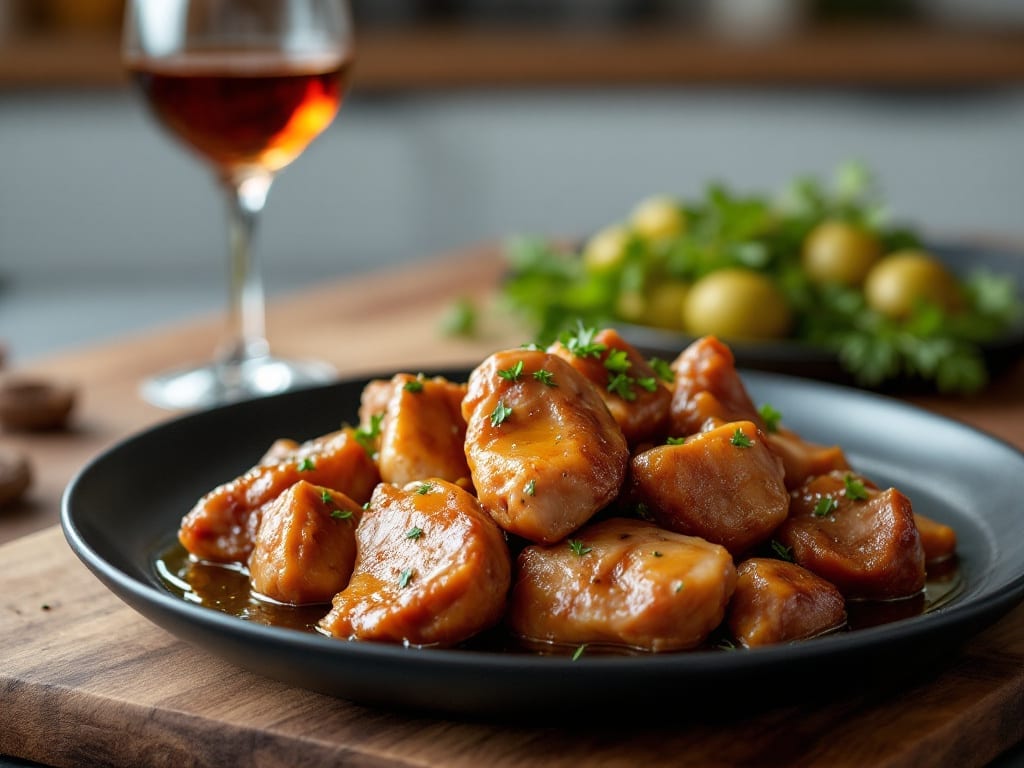
Slow-cooking pigs’ feet in a crock pot transforms tough connective tissue into fall-off-the-bone tenderness that rivals any restaurant dish. This method preserves rich, savory flavors while breaking down collagen over 8 hours, creating a dish that’s both impressive and deeply satisfying.
I first discovered this technique while experimenting with offal cuts in my Boston apartment kitchen—what started as a practical solution became a family favorite.
The secret lies in proper preparation: parboiling removes impurities, while a precise seasoning blend of garlic, thyme, and smoked paprika builds flavor layers that develop during slow cooking.
Unlike quick methods, this approach ensures the meat becomes silky and tender without drying out, with a natural richness that pairs perfectly with tangy pickles or crusty bread. The result is a dish that feels luxurious yet simple to prepare.
By the time your crock pot finishes, you’ll have meat so tender it practically melts on the bone, surrounded by a deeply flavorful broth that can be thickened into gravy. This method eliminates the guesswork of stovetop cooking while delivering restaurant-quality results at home.
The texture is what makes this dish unforgettable—velvety, rich, and impossible to resist once you try it.
Serve with classic Southern sides like collard greens or buttermilk biscuits to complete the meal. The slow-cooked approach makes this perfect for weekend dinners or holiday gatherings where you want to impress without spending hours in the kitchen. Here’s how to achieve that perfect tenderness every time.
Ingredients for pigs feet recipe crock pot
Four essential ingredients transform tough pigs’ feet into velvety, restaurant-worthy bites.
| Ingredient | Amount | Notes |
|---|---|---|
| Fresh Pigs' Feet 🐷 | 4 whole | Trimmings removed, parboiled |
| Yellow Onion 🧅 | 1 whole | Quartered, skin on |
| Carrot 🥕 | 3 whole | Large, roughly chopped |
| Celery Stalks 🥬 | 3 whole | Cut into 2-inch pieces |
| Garlic Cloves 🧄 | 6 cloves | Smashed, not minced |
| Fresh Thyme 🌿 | 2 sprigs | Stems intact for easy removal |
| Smoked Paprika 🌶️ | 2 tbsp | High-quality for depth |
| Ground Black Pepper 🌶️ | 1 tbsp | Freshly cracked preferred |
| Kosher Salt 🧂 | 1 ½ tbsp | Diamond Crystal preferred |
| Apple Cider Vinegar 🍏 | ¼ cup | For brightness, not sweetness |
| Beef Broth 💧 | 2 cups | Low-sodium, homemade preferred |
| Dark Brown Sugar 🍬 | 2 tbsp | Enhances caramelization |
| Bay Leaves 🍃 | 2 whole | Fresh if available |
| Olive Oil 🫒 | 2 tbsp | Light extra-virgin preferred |
The pigs’ feet are the star—look for fresh, untrimmed cuts at specialty butchers or high-end grocery stores like Whole Foods. The skin should be intact and free of blemishes. If you can’t find fresh, frozen works too, but thaw overnight in the fridge. The key prep step is parboiling: simmering the feet for 10 minutes removes impurities and starts the tenderizing process. I always grab mine from New York Steak or D’Artagnan when I’m feeling fancy, but even Costco carries them now. Don’t skip the parboil—it’s what makes the final texture silky instead of rubbery.
No smoked paprika? Substitute with a mix of regular paprika and a pinch of liquid smoke—it won’t be identical, but it’ll get you close. Fresh thyme is ideal, but dried works at half the amount if you’re in a pinch. The beef broth can be store-bought, but homemade adds depth—simmer bones with herbs for a few hours. For the vinegar, apple cider is best, but white wine vinegar works in a bind. The sugar isn’t for sweetness—it helps caramelize the skin slightly during cooking, adding a subtle richness. Skip it if you’re watching carbs, but I promise you’ll miss it if you do.
This dish tastes even better the next day—plan ahead. The broth thickens into gravy as it cools, so skim off excess fat before reheating. Store the meat and broth separately in airtight containers for up to 5 days in the fridge. For longer storage, freeze portions for 3 months. The skin becomes more tender with each reheat, so don’t hesitate to make extra. I always portion mine into meal-sized containers so I can grab a serving straight from the fridge for lunch. The leftovers reheat beautifully—just add a splash of broth to keep everything moist.
Why You’ll Love This Recipe
- Caramelized Magic: That crispy skin and tender, fall-off-the-bone meat? It’s like a slow-cooked hug for your taste buds. The onions and garlic turn sweet and sticky, making every bite irresistible.
- Weeknight Hero: Between us, this feeds a crowd without breaking the bank or requiring a fancy menu. Perfect for game days, potlucks, or just when you’re too tired to cook.
- Budget Feast: Pigs’ feet are cheaper than chicken thighs, and one batch stretches across meals—soup tonight, fried bites tomorrow, or even a sandwich the next day. Smart, satisfying, and wallet-friendly.
Step-by-step instructions for slow-cooked pigs’ feet
Here’s the method I’ve perfected for melt-in-your-mouth pigs’ feet that stay tender through every bite.
Parboil the Pigs’ Feet for Maximum Tenderness
Place the 4 whole fresh pigs’ feet in a large stockpot and cover with cold water by about 2 inches. Bring to a boil over high heat, then immediately reduce to a gentle simmer. Cook uncovered for exactly 45 minutes, skimming off any foam that rises to the surface during the first 10 minutes. This initial boiling removes impurities and begins the tenderizing process.
Here’s the thing—don’t skip this step. The parboiling loosens the connective tissue while preventing the meat from becoming rubbery during the long slow cook. After 45 minutes, drain the feet thoroughly and let them cool completely before transferring to your crock pot. The cooling phase is crucial as it prevents steam buildup that could make your finished dish watery.
Sear the Feet for Rich Flavor and Texture
Heat the 2 tablespoons olive oil in a large skillet over medium-high heat until shimmering. Working in batches if needed, sear the cooled pigs’ feet for 2-3 minutes per side until they develop a deep golden brown color. This step isn’t just about browning—it’s about developing those complex Maillard reactions that will infuse your finished dish with depth of flavor.
I press down gently on the feet during searing to ensure even contact with the pan. This prevents them from curling and ensures maximum surface area for browning. Transfer the seared feet to a plate and set aside. You’ll notice the skin becoming crispy at the edges—that’s your signal they’re ready for the slow cooker.
Build the Aromatic Base in the Crock Pot
In the same crock pot you’ll use for cooking, combine the quartered yellow onion, roughly chopped carrots, 2-inch celery pieces, and smashed garlic cloves. Add the 2 tablespoons smoked paprika, 1 tablespoon ground black pepper, and 1.5 tablespoons kosher salt, stirring to coat the vegetables completely. This aromatic base forms the flavor foundation for your pigs’ feet.
Pour in the 0.25 cup apple cider vinegar and 2 tablespoons dark brown sugar, stirring again to distribute evenly. The vinegar adds brightness while the sugar promotes caramelization during the cooking process. Add the 2 cups beef broth and 2 whole bay leaves, then place the seared pigs’ feet on top of the vegetable mixture. The feet should be mostly submerged but not completely covered.
Slow Cook Until Fall-Off-Bone Tender
Cover the crock pot and cook on low heat for exactly 8 hours. This extended cooking time at low temperature is what transforms tough connective tissue into silky, fork-tender meat. The slow process allows the collagen to break down completely while the flavors meld together in the liquid. I know it’s tempting to check on them earlier, but resist the urge—consistent low heat is key to perfect results.
About 30 minutes before the cooking time is complete, add the 2 sprigs fresh thyme to the pot. The thyme will infuse the final hours of cooking with its aromatic oils. When done, the meat should separate easily from the bone with just a gentle prod from a fork. The liquid should have reduced slightly but still coat the back of a spoon—a sign of proper seasoning and moisture balance.
Pro Tips For Making Pigs Feet Recipe Crock Pot
- Parboil First: I learned this the hard way—skipping the parboil leaves you with chewy, unyielding feet. Simmer them uncovered in water for 30 minutes before the crock pot. This softens the skin and connective tissue so the slow cooker can work its magic without fighting you.
- Trim the Hooves: The hooves are the toughest part, and they don’t need to be tender—just the feet. Use kitchen shears to snip off the tips of each hoof before cooking. No need to go all the way to the bone; just enough to remove the hardest bits. (Yes, it’s a little gross, but trust me.)
- Don’t Crowd the Pot: Pigs’ feet need room to breathe, or they’ll steam instead of braise. Arrange them in a single layer, skin-side up, and resist the urge to stack. If your crock pot is small, cook in batches—uneven cooking is the last thing you want here.
- Sear the Onions: After browning the feet (if you’re doing that step), don’t skip searing the onions, carrots, and celery until they’re deep golden. The caramelized flavor cuts through the richness of the pork and makes the whole dish taste like you put in effort. (Spoiler: It does.)
Essential equipment for this recipe
Crock Pot Essentials
You don’t need fancy equipment—just a 6-quart crock pot with a tight-fitting lid. I use my Hamilton Beach 6-Quart Programmable because it’s durable and handles long cooks without overheating. The key is finding one with even heat distribution—avoid cheap models that create hot spots.
If your pot has a “low” setting, that’s your target temperature (~200°F). For non-programmable models, set it to low for the full 8 hours. 🔥
Prep Tools You’ll Need
Grab a large stockpot for parboiling (I use my All-Clad Stainless Steel 8-quart) and a large skillet for searing (my Lodge cast iron works perfectly). A sharp boning knife helps trim excess fat if needed, and a fine-mesh strainer comes in handy for draining the parboiled feet.
Don’t overlook a wooden spoon—it’s gentler on your crock pot’s interior than metal.
Budget-Friendly Swaps
No fancy tools? No problem. Use a Dutch oven (even an old one) for parboiling and searing—just monitor heat closely. For the crock pot, any 6-quart model will work, even store brands like Cuisinart or Hamilton Beach.
Skip the boning knife and use kitchen shears to trim excess fat. The most important tool is actually your instant-read thermometer—I recommend Thermoworks Thermapen—to check doneness at 203°F internal temperature.
Pro Tips for Perfect Results
Line your crock pot with parchment paper cut to fit the bottom—this makes cleanup a breeze. I also add a silicone lid mat to prevent condensation from dripping onto the feet. For extra insurance against sticking, rub the interior with 1 tablespoon olive oil before adding ingredients.
And here’s a secret: place the feet skin-side down in the crock pot first—they’ll crisp up beautifully during cooking.
Safety First
Always use oven mitts when handling hot crock pots—they retain heat long after cooking. Never fill your crock pot more than 2/3 full to prevent overflow. If you’re cooking during power outages, keep a manual thermometer nearby to monitor internal temperatures.
And remember, the feet should be completely submerged in liquid** after the initial cook—add more broth if needed during the process. ⚡
Nutrition facts
Frequently asked questions
Why do I need to parboil the pigs’ feet before slow cooking?
Parboiling removes impurities and loosens connective tissue, preventing rubbery texture. The 45-minute boil also starts the tenderizing process while removing any blood or off-flavors. Skipping this step risks tough, chewy meat—no matter how long you slow cook it. Think of it as prepping the collagen for maximum breakdown during the 8-hour crock pot phase.
Can I use frozen pigs’ feet instead of fresh?
Yes, but thaw them completely in the fridge for 24 hours first. Never use cold frozen feet—they’ll release moisture and dilute your flavors. After thawing, follow the same parboiling instructions. The texture will be identical to fresh if properly thawed, but frozen feet may have slightly more connective tissue to break down.
How do I know when the meat is fully tender?
Poke the thickest part with a fork—if it slides in like butter with no resistance, it’s done. The internal temperature should reach 203°F. You’ll also see the meat pulling away from the bone naturally. For extra confirmation, check the broth: it should coat the back of a spoon and have a rich, meaty aroma. The skin should be crispy but not burnt.
What if my crock pot doesn’t have a “low” setting?
Use the “normal” setting for 6 hours, then switch to “high” for the final 2 hours. This mimics low-and-slow cooking while compensating for higher heat. Monitor closely after the first 4 hours—add ½ cup broth if the liquid reduces too much. The key is maintaining moisture throughout the entire process.
Can I make this recipe in a Dutch oven instead?
Use the same parboiling method, then sear the feet in the Dutch oven. Add all ingredients, cover, and bake at 275°F for 8 hours**. The Dutch oven retains heat better than a crock pot, so check for doneness at 7 hours. The flavors will be even more concentrated since the pot doesn’t lose heat when opened. Just be patient—rushing will make the meat tough.

- Baked Potatoes in Crock Pot Recipe: Buttery Interiors and Crispy Top Magic - November 1, 2026
- Braised Beef Short Ribs Recipe: Crock Pot Fall-Off-Bone Magic in 6 Hours - November 1, 2026
- Crock Pot Cocoa Recipe: Velvety Warmth With Hidden Spice Magic - November 1, 2026