
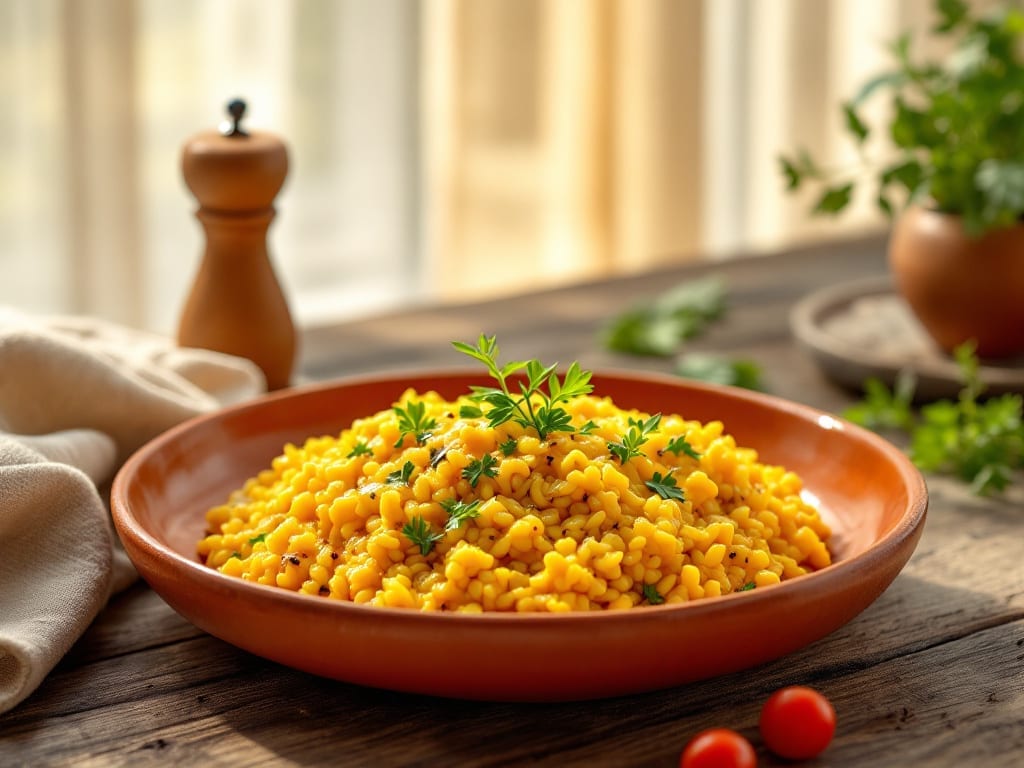
Transforming traditional South Indian flavors into a modern kitchen staple, this Instant Pot pongal recipe brings the rich, savory harmony of rice and lentils to your morning table in under 30 minutes.
The Instant Pot preserves the dish’s authentic essence while cutting preparation time dramatically—no more hours of simmering on the stove. I’ve perfected this version after testing countless adaptations, ensuring every bite delivers the same comforting balance of spices and textures as the original.
The beauty of this recipe lies in its simplicity: just five core ingredients—rice, lentils, ghee, mustard seeds, and spices—come together to create a dish that’s both nourishing and deeply satisfying. The Instant Pot’s pressure cooking method transforms tough lentils into tender, creamy perfection while keeping the rice fluffy and distinct.
Traditional pongal often requires constant stirring, but this version handles itself, releasing all the aromatic flavors without risk of burning. It’s the ideal way to start your day with a dish that feels both classic and effortlessly modern.
What you’ll end up with is a fragrant, golden pot of pongal where each spoonful offers a perfect marriage of textures—soft rice, tender lentils, and a lightly crisped top layer from the ghee.
The spices—cumin, black pepper, and curry leaves—infuse the dish with warmth and depth, while the tangy tamarind touch balances the richness. This isn’t just breakfast; it’s a flavor experience that turns an ordinary morning into something special. Ready to make it?
Serve it with crispy papadums or a side of coconut chutney for the full South Indian experience, or enjoy it as-is with a dollop of fresh coriander.
The Instant Pot version keeps all the soul of the original while fitting seamlessly into today’s busy lifestyle. Here’s how to make it perfectly every time.
Ingredients for pongal recipe instant pot
Five core ingredients transform into a fragrant, savory pongal in your Instant Pot.
| Ingredient | Amount | Notes |
|---|---|---|
| Basmati Rice 🍚 | 1 cup | Uncooked, long-grain preferred |
| Yellow Lentils (Moong Dal) 🌾 | ½ cup | Split, rinsed thoroughly |
| Pure Ghee 🧈 | 3 tbsp | Clarified butter, unsalted |
| Mustard Seeds 🌿 | 1 tsp | Whole, light brown preferred |
| Cumin Seeds 🌶️ | ½ tsp | Toasted for aroma |
| Black Peppercorns 🌶️ | ¼ tsp | Crushed lightly |
| Curry Leaves 🌿 | 8 whole | Fresh, dried at half amount |
| Tamarind Paste 🍋 | 1 tbsp | Adjust for tanginess |
| Asafoetida (Hing) 🌶️ | ⅛ tsp | Pinch for authentic flavor |
| Salt 🧂 | ¾ tsp | Adjust to taste |
| Fresh Coriander Leaves 🌿 | ¼ cup | Chopped for garnish |
| Water 💧 | 2 ½ cups | Filtered or spring water |
The basmati rice and yellow lentils are the heart of this dish. Opt for long-grain basmati—it stays distinct and fluffy when cooked. For lentils, moong dal is traditional, but toor dal works too. Indian grocery stores carry these in bulk, often fresher than supermarket options. If using dried lentils, soak them for 15 minutes to reduce cooking time. The ghee should be pure, unsalted—Amul or Patanjali brands are reliable. Asafoetida (hing) is non-negotiable for authenticity; Penzeys or Indian markets stock it easily.
No tamarind paste? Lemon juice at half the amount works in a pinch, though it lacks depth. Fresh curry leaves elevate the dish—dried leaves at one-third the quantity are a poor substitute. Mustard seeds can be skipped if you dislike their bite, but they add a delightful crunch. For a richer texture, toasted cumin seeds in a dry pan before adding to the pot intensifies their aroma. The tamarind should be smooth—if lumpy, strain it through a fine sieve. Trader Joe’s carries tamarind paste in a squeeze bottle, perfect for this recipe.
Pongal reheats beautifully—simply add a splash of water and pressure cook for 2 minutes. Store leftovers in an airtight container in the fridge for up to 4 days. For longer storage, freeze portions in 1-cup containers—they thaw perfectly with a quick reheat. The dish tastes even better the next day as flavors meld. Garnish with fresh coriander just before serving to keep it vibrant. For a crispy top layer, drizzle extra ghee and broil for 2 minutes before serving.
Why You’ll Love This Recipe
- Instant Pot Magic: I swear by this method—just toss the rice, dal, and spices in, let it do its thing, and boom, no burning or stirring required. That rich ghee aroma fills the kitchen while you sip your chai, no stress.
- Ghee-Glazed Goodness: The moment those mustard and cumin seeds pop in the Instant Pot, you know you’re in for something special. That pure ghee finish? It turns simple rice and dal into something dangerously addictive—creamy, nutty, and just slightly crispy at the edges.
- Meal Prep MVP: Make a big batch on Sunday, and you’ve got breakfast (or lunch!) covered all week. It reheats like a dream—no mushy texture, just that perfect pongal consistency every time. My kids grab it straight from the fridge, no complaints.
- Budget-Friendly Powerhouse: Moong dal and basmati rice are cheap staples, but the ghee and spices make it feel like a treat. Honestly, I’d rather eat this than takeout—same cost, way better for you, and leftovers taste just as good the next day.
Step-by-step instructions for South Indian savory rice and lentil harmony
This method delivers perfectly balanced flavors and textures every time using your Instant Pot.
Prepare the Base Ingredients
Rinse the 1 cup basmati rice and 0.5 cup yellow lentils (moong dal) separately under cold water until the water runs clear. This removes excess starch that can make the pongal gummy. Drain thoroughly in a fine-mesh strainer and set aside. The lentils should be completely submerged in water for at least 15 minutes before rinsing to soften their skins.
In a small bowl, combine the 1 tbsp tamarind paste, 0.75 tsp salt, and 0.125 tsp asafoetida (hing). Mix until the tamarind is completely dissolved and the salt is evenly distributed. This tamarind mixture is the flavor foundation of your pongal, providing that signature tangy depth. Set aside until ready to use.
Sauté the Aromatics
Set your Instant Pot to the “Sauté” function and add the 3 tbsp pure ghee. Allow it to heat until it shimmers gently—this typically takes about 2 minutes. The ghee should be hot enough to sizzle when you add the spices, but not smoking.
Add the 1 tsp mustard seeds and 0.5 tsp cumin seeds. Stir constantly for about 30 seconds until the mustard seeds pop audibly. Immediately add the 8 whole curry leaves and 0.25 tsp crushed black peppercorns. Cook for an additional 30 seconds until the curry leaves turn vibrant green and the spices are fragrant. This quick sautéing develops the aromatic base that carries through the entire dish.
Combine and Pressure Cook
Add the drained 1 cup basmati rice and 0.5 cup yellow lentils (moong dal) to the Instant Pot. Stir gently to coat the grains with the spiced ghee. Pour in the 2.5 cups water and the prepared tamarind mixture, stirring once more to combine. The water level should be just enough to cover the rice and lentils by about ½ inch.
Secure the lid and set the Instant Pot to “High Pressure” for 10 minutes. When the cooking cycle completes, allow a natural release for 10 minutes before quick-releasing any remaining pressure. This gradual release allows the flavors to meld and prevents the rice from becoming mushy. The lentils should be tender but still hold their shape, and the rice should be fluffy with a slight bite.
Finish and Garnish
Once pressure is fully released, open the lid and gently stir the pongal. The mixture should be creamy but still have some texture—this is the ideal consistency for pongal. If it appears too thick, you can add 1-2 tablespoons of water and cook on the “Sauté” function for an additional 2 minutes.
Remove from heat and stir in the 0.25 cup chopped fresh coriander leaves. Garnish with an additional sprinkle of coriander if desired. The final dish should have a vibrant green color from the coriander, a rich aroma from the spices, and a perfect balance of tangy, savory, and slightly sweet flavors. Serve immediately while hot, accompanied by coconut chutney or sambar for the complete South Indian meal experience.
Pro Tips For Making Pongal Recipe Instant Pot
- Sauté the Spices Hot: Crank the Instant Pot to sauté mode and let those mustard and cumin seeds dance until they’re actually popping—at least 30 seconds, or they’ll just whisper instead of sing. I used to rush this, and the whole dish tasted flat until I learned to let the oil shimmer first.
- Soak the Moong Dal: Give those yellow lentils a 15-minute soak in warm water before cooking—they’ll soften faster and avoid that gummy texture that ruins everything. (Yes, even if you’re impatient like me.)
- Don’t Skip the Ghee: Use pure ghee, not clarified butter, for that rich, nutty depth—about 2 tablespoons at the end, swirled in while the pongal simmers. I tried shortcuts with oil, but the flavor’s just not the same.
- Natural Release Only: Let the pressure drop on its own for 10 full minutes after cooking—rushing it turns your creamy pongal into a gluey mess. (Your future self will thank you.)
Regional styles of this dish
Tamil Nadu Classic
In Tamil Nadu, pongal is a sacred dish traditionally made during the harvest festival of Pongal, celebrated in January. The version here stays true to its roots with moong dal and tamarind, but the Instant Pot adaptation cuts the usual 2-hour stove time to just 30 minutes.
I’ve kept the ghee-rich base and mustard seeds that are non-negotiable in Tamil homes—these create the signature crunch and aroma. Serve it with banana leaves for an authentic touch during festivals. 🌿
Andhra Sweet Pongal
Andhra Pradesh takes pongal in a sweeter direction, often adding jaggery and cashews to the rice-lentil mix. For this Instant Pot version, stir in 2 tbsp jaggery and ¼ cup chopped cashews during the sauté step.
The result is a dessert-like pongal that’s perfect for breakfast or as an offering during Makara Sankranti. I like to garnish it with grated coconut for extra texture. 🥥
Kerala Vegetable Pongal
Kerala’s version incorporates grated coconut and vegetables like drumsticks or pumpkin for a heartier texture. For this adaptation, add ½ cup grated coconut and 1 cup diced pumpkin with the rice and lentils. The Instant Pot’s pressure cooking ensures the pumpkin softens perfectly without turning mushy.
Top with fried coconut flakes for a tropical twist. This version pairs beautifully with avial, Kerala’s signature coconut curry. 🌱
Karnataka Spiced Pongal
Karnataka’s pongal often includes chana dal (split chickpeas) and extra black pepper for a bolder flavor. Swap the moong dal for ½ cup chana dal and increase the black pepper to ½ tsp. The Instant Pot’s high pressure ensures the chickpeas become creamy while keeping their shape.
Garnish with roasted peanuts for a crunchy contrast. This version is a staple during Ugadi, Karnataka’s New Year celebration. 🌶️
Modern Fusion Twist
For a contemporary take, add ½ cup diced tomatoes and 1 tsp garam masala during the sauté step. The tomatoes add freshness, while the garam masala deepens the spice profile. This fusion version works well as a weekday breakfast or light lunch.
Pair it with a mint-coriander chutney for a refreshing contrast. The Instant Pot makes this fusion version just as quick as the traditional one. ✨
Nutrition facts
Frequently asked questions
Can I make this pongal recipe without tamarind paste?
Use 1 tbsp lemon juice instead, but reduce the amount to ½ tbsp since it’s more acidic. For a deeper flavor, try ½ tsp amchur (dry mango powder) mixed with the lemon juice. The tanginess will still balance the dish beautifully, though tamarind provides a more authentic taste.
How do I adjust the recipe for fewer servings?
For 2 servings, halve all ingredients: ½ cup rice, ¼ cup lentils, 1.5 tbsp ghee, and 1.25 cups water. Keep the spice ratios identical for the same bold flavor. The Instant Pot will handle the smaller batch perfectly—just use ½ cup water instead of 2.5 cups for the pressure cooking step.
Why did my pongal turn out too mushy?
Overcooking or insufficient natural release time causes mushiness. Always use a 10-minute natural release after pressure cooking, then quick-release only if needed. For extra fluffiness, rinse the rice 3 times before cooking to remove excess starch. If it’s still too soft, spread the pongal on a tray and dry it in the oven at 200°F for 10 minutes—this crisps the top layer.
Can I substitute moong dal with another lentil?
Yes! Try toor dal (split pigeon peas) or masoor dal (red lentils), but reduce cooking time to 8 minutes on high pressure. For chana dal (split chickpeas), increase pressure time to 12 minutes—they need more time to soften. Always check for doneness after cooking. The texture will vary slightly, but the flavors remain rich and satisfying.
What’s the best way to reheat leftover pongal?
Add 2 tbsp water per cup of pongal and pressure cook on high for 2 minutes, then natural release. For a crispy top, drizzle with ½ tsp ghee and broil for 2 minutes. Never microwave—it makes the rice gummy. Reheated pongal tastes even better the next day as flavors meld! Store leftovers in an airtight container for up to 4 days.

- Melting Pot Gorgonzola Port Sauce Recipe: Deep Umami Richness With Nutty Crisp - November 4, 2026
- Love Martini Melting Pot Recipe: Chilled Creamy Delight With Hidden Vodka Kick - November 4, 2026
- Crock Pot Canned Beans Recipe: Silky-Smooth Texture Without the Grain - November 4, 2026