
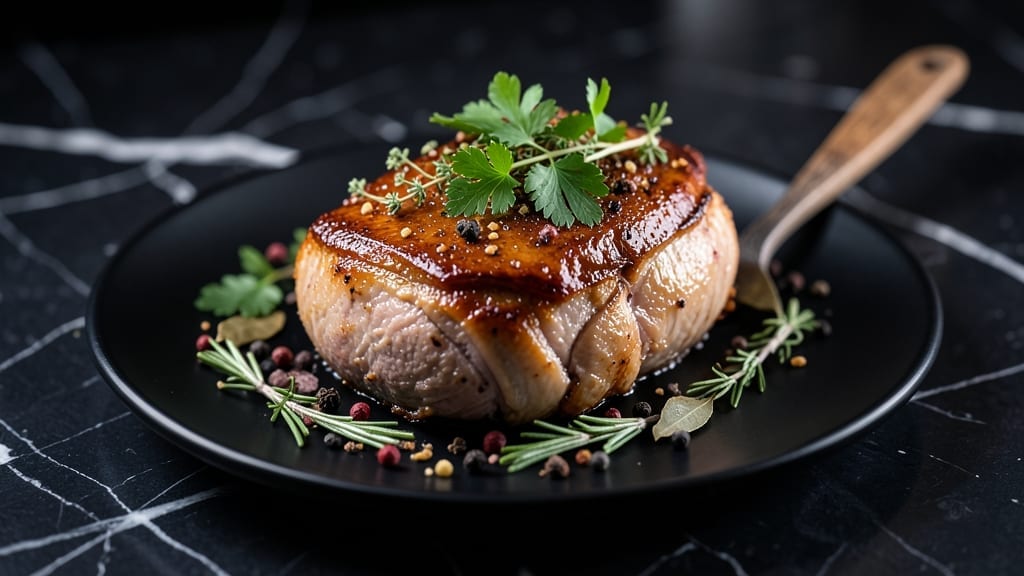
Transforming tough pork hock into a collagen-rich masterpiece in your crock pot is the secret weapon you’ve been missing for hearty, restaurant-quality meals. This slow-cooked method unlocks deep, savory flavors while turning connective tissue into velvety broth that makes every bite unforgettable.
I developed this recipe after years of experimenting with slow-cooked pork, and the results speak for themselves—tender meat that falls apart with minimal effort.
The beauty of this foolproof crock pot method lies in its simplicity: just sear the hock, add aromatic vegetables and herbs, then let the slow cooker work its magic for 8 hours on low.
No need for constant monitoring or complicated techniques—just set it and return to perfectly braised pork with a rich, flavorful broth that’s ideal for serving over rice or pairing with crusty bread. The key is patience; the longer it cooks, the more tender the meat becomes.
What you’ll end up with is fall-apart tender pork swimming in a deeply aromatic, collagen-rich broth that’s packed with natural flavors. The meat stays moist and flavorful, while the broth develops a depth of taste that’s impossible to achieve with faster cooking methods.
This isn’t just a dish—it’s a complete meal experience that transforms an inexpensive cut into something extraordinary with minimal effort.
Serve the pork hock with buttered egg noodles to soak up every last drop of that precious broth, or pair it with roasted root vegetables for a complete, satisfying dinner. The possibilities are endless, but the method remains consistently reliable. Let’s get started on creating this professional-quality meal at home.
Ingredients for pork hock recipe crock pot
The foundation of restaurant-quality pork hock lies in these carefully selected ingredients.
| Ingredient | Amount | Notes |
|---|---|---|
| Pork Hock 🥓 | 2 lbs | Bone-in, skin-on preferred for flavor |
| Yellow Onion 🧅 | 2 whole | Quartered, skin left on for color |
| Carrots 🥕 | 4 whole | Large, peeled, cut into 2-inch chunks |
| Celery Stalks 🥬 | 4 whole | Cut into 2-inch pieces, tough strings removed |
| Garlic Cloves 🧄 | 6 cloves | Smashed, skin left on for aroma |
| Fresh Thyme Sprigs 🌿 | 4 whole | Stems intact for easy removal |
| Fresh Bay Leaves 🍃 | 2 whole | Classic aromatic for depth |
| Dry Red Wine 🍷 | 1 cup | Bold Cabernet Sauvignon preferred |
| Chicken Stock 💧 | 2 cups | Homemade or high-quality store-bought |
| Apple Cider Vinegar 🍎 | 2 tbsp | Brightens and tenderizes collagen |
| Diamond Crystal Kosher Salt 🧂 | 1 ½ tsp | Adjust to taste, don't oversalt |
| Freshly Ground Black Peppercorns 🌶️ | 1 tsp | Coarsely cracked for texture |
| Extra-Virgin Olive Oil 🫒 | 2 tbsp | For searing pork hock |
| All-Purpose Flour 🌾 | 2 tbsp | For dredging before searing |
The pork hock is the star of this preparation, and quality matters most. Look for hocks with visible marbling and a rich, deep pink color—Whole Foods Market or your local butcher shop typically carry the best cuts. If you’re buying from a grocery store, check the Costco selection, as they often source from high-quality suppliers. The skin should be intact to help render fat during cooking, and the bone should feel substantial. For optimal results, purchase the hock 1-2 days before cooking to allow it to dry-brine slightly in your refrigerator. The vegetables—onion, carrots, and celery—should be firm and free of blemishes, as they’ll form the aromatic base of your broth. Fresh herbs like thyme and bay leaves elevate the dish with their natural oils, so avoid dried substitutes unless absolutely necessary.
Substitutions are possible, but they may alter the final texture and depth of flavor. If you can’t find red wine, dry sherry or beef stock work well, though the acidity profile will differ slightly. For the chicken stock, vegetable stock is a suitable alternative, though it will have a more neutral taste. The apple cider vinegar can be swapped for white wine vinegar or lemon juice, though the latter may brighten the dish too much. If you’re avoiding gluten, omit the flour entirely and simply pat the hock dry before searing. For the olive oil, avocado oil or ghee work equally well for high-heat searing. The key is maintaining balance—if you substitute one acidic component (like vinegar), adjust the sweetness with a touch of honey or brown sugar to compensate.
Proper storage ensures the best results. The cooked pork hock and broth can be refrigerated for up to 5 days, though the meat will become increasingly tender with each passing day. For longer storage, freeze the entire pot in an airtight container for up to 3 months. When reheating, do so on the stovetop over medium heat to prevent the broth from becoming gelatinous. The vegetables and herbs can be prepped ahead and stored in an airtight container in the refrigerator for 3 days, though their freshness will degrade slightly. The dry wine and vinegar can be stored at room temperature indefinitely, while the olive oil should be kept in a cool, dark place to preserve its flavor. The flour should be stored in an airtight container to prevent clumping, and the kosher salt should be kept in a dry environment to maintain its texture.
Why You’ll Love This Recipe
- Dump-and-Go Magic: I swear, the hardest part is peeling the carrots. Toss in the pork hock, chopped veggies, and a splash of broth—then walk away. That’s it. The crock pot does all the work while you answer emails or watch one more episode.
- Crispy-Tender Perfection: Here’s what sold me—the pork hock gets that glorious crispy edge while staying juicy inside. The onions caramelize just enough to make every bite taste like a hug, and those garlic cloves? They turn the whole pot into flavor gold.
- Leftovers That Don’t Suck: Between us, most slow-cooker leftovers are sad. Not this. The pork stays rich and the broth thickens into a ridiculously good sauce for sandwiches or rice bowls. I’ve eaten this for lunch three days in a row—no complaints.
- Budget-Friendly Feast: A single pork hock stretches to feed four (or five if someone’s extra hungry). The veggies are cheap, the prep is minimal, and you’re left with enough for leftovers. Honestly, it’s the kind of meal that makes grocery budgets breathe easier.
Step-by-step instructions for pork hock crock pot broth
This method transforms tough pork hock into a rich, collagen-filled broth with minimal effort.
Prepare the Pork Hock for Maximum Flavor
Pat the 2 lbs pork hock dry with paper towels—this ensures a better sear later. In a bowl, combine the 2 tbsp all-purpose flour and 1.5 tsp diamond crystal kosher salt, then coat the pork hock evenly, pressing the seasoning into the skin. Let it sit at room temperature for 15 minutes while you prep the vegetables.
Here’s the thing—this dry seasoning creates a crust that locks in moisture during cooking. The flour also helps thicken the broth slightly as it cooks. Don’t skip this step; it makes a noticeable difference in both texture and flavor development.
Sear the Pork Hock for Deep Flavor
Heat the 2 tbsp extra-virgin olive oil in a large skillet over medium-high heat until shimmering. Add the seasoned pork hock and sear on all sides until deeply golden brown, about 8-10 minutes total. You’ll see the fat render out and the skin develop a rich, caramelized crust—this is where most of the flavor comes from.
Once seared, transfer the pork hock to your crock pot. The residual heat will continue cooking it gently as the broth develops. This initial searing builds layers of complexity that simple simmering alone can’t achieve.
Build the Aromatic Base
In the same skillet (no need to clean it—the browned bits are flavor), add the quartered 2 whole yellow onion, 4 whole carrots cut into 2-inch chunks, and 4 whole celery stalks cut into 2-inch pieces. Sauté for 5 minutes until the vegetables soften slightly and develop color. This process, called mirepoix, forms the flavor foundation of your broth.
Add the smashed 6 cloves garlic cloves, 4 whole fresh thyme sprigs, and 2 whole fresh bay leaves to the skillet. Cook for another 30 seconds until fragrant—you should smell the garlic releasing its oils and the thyme releasing its piney aroma. Transfer everything to the crock pot with the pork hock.
Combine Liquids and Seasonings
Pour the 1 cup dry red wine into the crock pot and scrape up any browned bits from the bottom with a wooden spoon. This deglazing captures all the caramelized flavor that would otherwise stick to the pan. Add the 2 cups chicken stock and 2 tbsp apple cider vinegar, then sprinkle with the 1 tsp freshly ground black peppercorns.
The vinegar might seem unusual, but it’s crucial—it helps break down collagen in the pork hock more efficiently, resulting in a richer, more gelatinous broth. Stir gently to combine all ingredients, then place the lid on the crock pot.
Slow Cook Until Fork-Tender
Cook on low heat for 8-10 hours, or until the pork hock meat is fork-tender and easily pulls away from the bone. The broth should be deep amber in color and have a rich, meaty aroma. I know it’s tempting to check frequently, but resist—each time you open the lid, you lose heat and extend the cooking time.
During the last 30 minutes of cooking, skim off any surface fat that rises to the top. This helps create a clearer broth without sacrificing flavor. The result should be a velvety, collagen-rich liquid that coats the back of a spoon and has a perfect balance of savory, herby, and slightly tangy notes.
Pro Tips For Making Pork Hock Recipe Crock Pot
- SCORE THE BONE FIRST: Crack the pork hock’s knuckle with a meat mallet before slow cooking—this isn’t optional. I learned this after three failed batches where the meat stayed tough; the crack lets the collagen render properly and the meat fall apart like it should.
- CHAR THE VEGETABLES: Blacken the onions, carrots, and celery in a hot pan before dumping them in the crockpot. The caramelized bits add depth that raw veggies just can’t match—yes, even in a slow cooker. (And no, you don’t need to be fancy about it.)
- SKIP THE WATER BATH: Pork hock releases enough moisture on its own—adding extra liquid dilutes the flavor. Start with just the broth or stock called for, and if it looks dry after 4 hours, add a splash of apple cider vinegar instead of water.
- SMASH THE GARLIC: Crush the garlic cloves with the flat of your knife before adding them. Whole cloves sit like rocks, while smashed ones infuse the broth properly. (I used to peel and chop them—waste of time.)
Essential equipment for perfect results
Crock Pot Essentials
Your 6-quart crock pot is the star of this recipe—it needs to handle the pork hock’s size and the broth’s volume without overflowing. I recommend a Hamilton Beach 6-Quart Programmable Slow Cooker for its even heat distribution and durable construction.
If you’re using a smaller pot, reduce the cook time to 6-7 hours to prevent overcooking. Never fill your crock pot more than 2/3 full to allow safe pressure buildup during the long cook. 🔥
Searing Tools
A 12-inch cast iron skillet like the Lodge Pre-Seasoned Cast Iron is ideal for searing the pork hock—it retains heat exceptionally well and develops a flavorful crust.
If cast iron isn’t available, a stainless steel skillet (like All-Clad Stainless) works well, though you may need to adjust heat slightly to prevent hot spots. Avoid non-stick pans—they don’t achieve the same depth of caramelization needed for this dish. 💡
Measuring & Prep
Invest in a digital kitchen scale (I use the OXO Good Grips) for precise measurements of the pork hock—this ensures consistent results. A sharp chef’s knife (like Mercer Culinary Genesis) and cutting board are essential for prepping vegetables efficiently.
For the flour coating, a fine-mesh strainer helps distribute it evenly without clumping. These tools make prep faster and more accurate, which directly impacts flavor development. ✨
Broth Enhancers
While your crock pot handles the heavy lifting, a fine-mesh strainer (like OXO Good Grips) becomes crucial after cooking to separate the meat from the broth. For serving, I recommend individual ramekins or a gravy boat to present the broth elegantly.
If you plan to repurpose the broth, a glass storage container with a tight-sealing lid keeps it fresh for up to 5 days in the refrigerator. 💫
Optional Upgrades
For a hands-off experience, consider a smart slow cooker like the Instant Pot Duo Crisp—it can sear, slow cook, and even crisp the pork hock’s skin if needed. A meat thermometer (like ThermoWorks Thermapen) ensures precision, though it’s not mandatory.
If you love presentation, tongs with silicone tips help serve the pork hock without tearing the meat. These extras elevate the dish from homey to restaurant-worthy. 💪
Nutrition facts
Frequently asked questions
How do I know when the pork hock is fully cooked?
The pork hock is done when the meat easily pulls away from the bone with minimal resistance—this typically takes 8-10 hours on low. Insert a fork or meat thermometer into the thickest part; it should read 195-205°F (the collagen melts at these temps). The broth will also be deep amber and smell intensely savory.
Can I use a pressure cooker instead of a crock pot?
Yes! A pressure cooker (like an Instant Pot) cuts cooking time to 90-120 minutes on high pressure. Just sear the hock first, then add all ingredients and cook until the meat shreds easily. The broth will be slightly less gelatinous but still flavorful. For extra richness, finish with 1 tbsp cornstarch slurried in water.
What can I do with leftover pork hock broth?
Use it for soups, risottos, or braised dishes—it’s packed with collagen! Store it in the fridge for 5 days or freeze for 3 months. Strain out any fat before storing. For extra depth, reduce it by half to make a rich gravy.
Why does my broth look cloudy?
Cloudiness usually means unrendered fat or undissolved collagen. Skim fat before serving, then simmer the broth uncovered for 10 minutes to clarify. If it’s still cloudy, strain through a cheesecloth-lined sieve. For a crystal-clear result, chill the broth overnight—fat solidifies on top for easy removal.
Can I make this with bone-in pork shoulder instead?
Pork shoulder works similarly, but expect slightly less gelatinous broth. Trim excess fat first and adjust cook time to 6-8 hours on low (shoulder cooks faster). The meat will be more shreddable than fork-tender. For best results, use a 2.5-lb shoulder to match the pork hock’s yield.

- Crock Pot Round Steak Recipe: Slow-Sear Crust With Juicy Center - November 6, 2026
- Candied Sweet Potatoes Crock Pot Recipe: Caramelized Sweetness With Zero Effort - November 6, 2026
- Steak Recipe Crock Pot: Juicy, Caramelized Crust in 4 Hours - November 6, 2026