
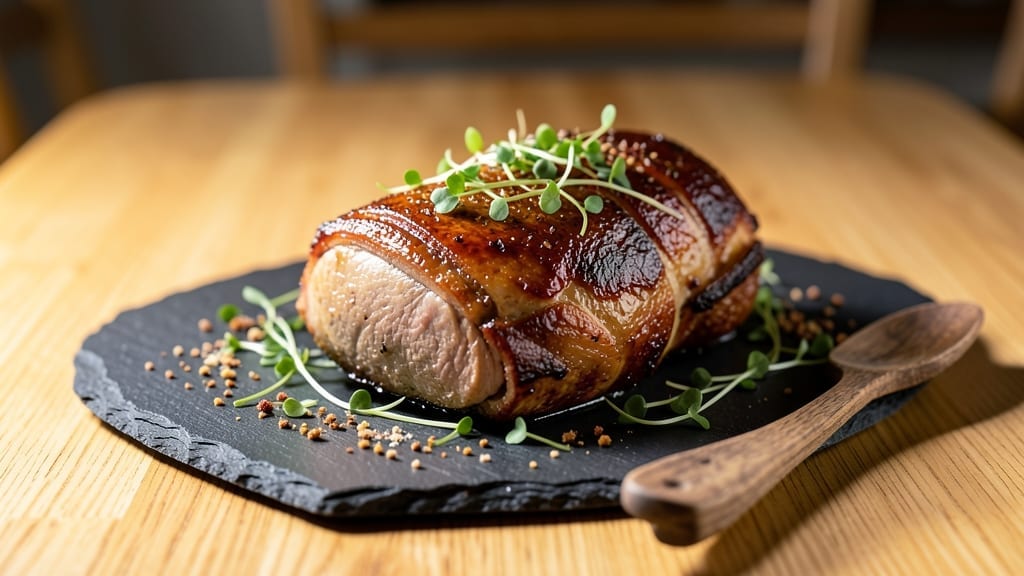
This pork shoulder Boston butt roast crock pot recipe transforms tough cuts into melt-in-your-mouth perfection with minimal effort. After years of perfecting slow-cooked pork, I’ve developed a method that delivers restaurant-quality results in just a few hours—no babysitting required.
The secret lies in proper seasoning and low-and-slow cooking that breaks down collagen into rich, flavorful juices.
What makes this recipe truly foolproof is the balance of time and temperature. A 6-8 hour cook at 200°F ensures the meat stays tender while developing deep, smoky flavors. The fat cap renders slowly, creating a self-basting sauce that coats every bite.
Unlike traditional roasting methods, the crock pot maintains consistent heat, eliminating the risk of overcooking or drying out the meat.
By the time you pull that pork shoulder from the crock pot, it will be so tender it practically falls apart at the touch. The skin will be crispy in spots, the meat will be juicy and rich, and the aroma will fill your kitchen with an irresistible scent.
This is the kind of meal that transforms a simple weeknight into a special occasion without requiring hours in the kitchen.
The best part? This recipe scales perfectly for gatherings, leftovers reheat beautifully, and the leftovers make fantastic sandwiches or tacos. Let’s get started on creating your most tender, flavorful pork shoulder yet.
Ingredients for pork shoulder boston butt roast crock pot
Six ingredients transform tough pork into fall-apart perfection with zero fuss.
| Ingredient | Amount | Notes |
|---|---|---|
| Pork Shoulder (Boston Butt) 🥩 | 5 lb | Bone-in preferred, fat cap intact |
| Yellow Onion 🧅 | 1 whole | Large, sliced into 1/2-inch pieces |
| Garlic Cloves 🧄 | 6 cloves | Peeled, smashed slightly |
| Apple Cider Vinegar 🍎 | ¼ cup | For tangy depth (not apple juice) |
| Brown Sugar 🍚 | ½ cup | Light or dark, packed |
| Smoked Paprika 🌶️ | 2 tbsp | For that smoky crock pot vibe |
| Ground Black Pepper 🌶️ | 1 tbsp | Freshly cracked for best flavor |
| Diamond Crystal Kosher Salt 🧂 | 1 ½ tbsp | Adjust to taste |
| Fresh Thyme Leaves 🌿 | ¼ cup | Or 1 tbsp dried thyme |
| Fresh Rosemary 🌿 | 1 tbsp | Chopped, stems removed |
| Beef Broth 💧 | 1 ½ cups | Low-sodium preferred |
| Apple Juice 🍎 | ½ cup | Sweetens without overpowering |
| Honey 🍯 | 2 tbsp | Wildflower preferred |
The pork shoulder is your star—bone-in with fat cap makes all the difference. Look for a piece with good marbling at Costco or your butcher shop; the fat renders down during cooking, creating that irresistible sauce. If you can’t find bone-in, don’t stress—just add a 1/2 cup extra broth to compensate. The fat cap should be at least 1/4-inch thick—that’s what gives you crispy edges. For best results, trim any excess fat from the edges, but leave the cap intact. Most grocery stores carry 4-5 lb cuts, but if yours is smaller, just adjust the cook time.
No apple cider vinegar? White vinegar or red wine works in a pinch, but the apple cider adds that subtle sweet-tart balance. Fresh thyme and rosemary are ideal, but dried works at one-third the amount—just make sure it’s labeled as culinary-grade. The beef broth should be low-sodium; if yours isn’t, just dilute it with water. For the brown sugar, light or dark both work, but light has a slightly cleaner flavor. The honey adds just enough sweetness to round out the smoky, savory notes—avoid clover honey if you can; wildflower has more complexity. If you’re feeling fancy, swap the apple juice for pear nectar—it’s sweeter and adds a lovely floral note.
This keeps 4-5 days in the fridge, but honestly, it tastes even better the next day as the flavors meld. For leftovers, portion into containers and freeze for up to 3 months. The meat reheats beautifully—just add a splash of broth or water to keep it moist. I always make a double batch because it’s perfect for sandwiches, tacos, or even loaded baked potatoes. Store the broth separately if you want to use it for other recipes—it’s packed with flavor. The pork shoulder will shrink as it cooks, so don’t be alarmed if it looks smaller when you pull it out—it’s supposed to!
Why You’ll Love This Recipe
- Sweet-Savory Magic: That caramelized brown sugar glaze? It’s the star. The vinegar tenderizes the meat while the onions melt into a sticky, slightly tangy sauce—like a cross between pulled pork and a braise. My kids fight over the last bite.
- Game-Day Hero: This isn’t just dinner—it’s the dish that saves Thanksgiving, Super Bowl parties, or even a last-minute potluck. Serve it on buns for sandwiches, over mashed potatoes, or straight from the pot with a fork. (Yes, even on a Tuesday night.)
- Budget Meal That Stretches: A whole pork shoulder feeds eight for under $20, and the leftovers? Even better the next day. I freeze portions for quick weeknight dinners—no takeout needed. Honestly, it’s the kind of meal that makes grocery shopping feel like a win.
Step-by-step instructions for slow-cooked pork shoulder roast
Here’s the foolproof method for melt-in-your-mouth pulled pork that practically cooks itself.
Season the Pork Shoulder Thoroughly
Remove the pork shoulder from the refrigerator and let it sit at room temperature for 30 minutes before cooking. This ensures even cooking throughout. Pat it dry completely with paper towels—moisture is the enemy of crispy bark and deep flavor penetration.
In a small bowl, combine the 1.5 tablespoons Diamond Crystal Kosher Salt, 2 tablespoons Smoked Paprika, 1 tablespoon Ground Black Pepper, 0.25 cup Fresh Thyme Leaves, and 1 tablespoon Fresh Rosemary. Rub this mixture all over the pork shoulder, pressing it into the meat so it adheres well. Don’t skip this step—proper seasoning creates that perfect balance of smoky, sweet, and savory flavors.
Here’s the thing—if you’re using a bone-in cut, make sure to season the cavity as well. This ensures flavor permeates every inch of the meat. Once fully coated, place the seasoned pork shoulder fat-side up in your crock pot.
Layer Aromatics and Liquid for Maximum Flavor
Slice the 1 whole Yellow Onion into ½-inch pieces and scatter them evenly around the pork shoulder. Add the 6 cloves Garlic Cloves (smashed slightly with the flat side of your knife) on top of the onions. These aromatics will infuse the meat with their signature flavors as they cook slowly.
Pour the 1.5 cups Beef Broth into the crock pot, followed by the 0.25 cup Apple Cider Vinegar and 0.5 cup Brown Sugar. The vinegar adds tangy depth while the brown sugar contributes caramelized sweetness. Stir everything together gently to distribute the liquid evenly around the pork.
This is where the magic happens—the combination of broth, vinegar, and sugar creates a flavorful cooking liquid that bastes the pork continuously. Don’t worry about overpowering the meat; the slow cook will mellow these flavors into something perfectly balanced.
Cook Low and Slow for Perfect Tenderness
Place the lid on the crock pot and cook on Low heat for 8 hours. This long, slow cook time is crucial—it breaks down the tough connective tissues in the pork shoulder, transforming it into tender, pull-apart perfection. Real talk: don’t rush this step. The internal temperature should reach 203°F when done, which typically happens around the 8-hour mark for a 5 lb pork shoulder.
About 2 hours before the cooking time is up, add the 0.5 cup Apple Juice and 2 tablespoons Honey to the crock pot. These ingredients add sweetness and moisture that will help create a glossy, slightly sticky sauce. Stir gently to combine, then return the lid and continue cooking.
Here’s what I do—if you’re not sure when it’s done, use a meat thermometer to check the internal temperature. When it reaches 203°F, remove the pork from the crock pot and let it rest for 15 minutes before shredding. This resting period allows the juices to redistribute, ensuring each bite is moist and flavorful.
Shred and Serve with the Flavorful Juices
Using two forks, shred the pork shoulder directly in the crock pot. The meat should pull apart easily with minimal effort—this is your sign that it’s perfectly cooked. Discard any large fat pieces or connective tissue that might be present.
Return the shredded pork to the crock pot and stir to combine with the cooking liquid. The result should be a rich, slightly sweet, and tangy sauce that coats every strand of meat. Serve immediately over mashed potatoes, in sandwiches, or alongside roasted vegetables for a hearty meal that’s sure to impress.
You’ve got this. This recipe delivers restaurant-quality pulled pork with minimal effort, and the best part is that it practically cooks itself while you go about your day. Enjoy the rich, smoky flavors that come from slow-cooking this classic cut of meat.
Pro Tips For Making Pork Shoulder Boston Butt Roast Crock Pot
- Trim the Fat First: Slice off that thick layer of fat on the Boston butt before it goes in the crock pot—it’s the only way to guarantee even cooking and crispy edges later. I learned this the hard way when my first batch turned out greasy and uneven.
- Sear the Meat: Brown the pork shoulder in a hot skillet for 3-4 minutes per side before dumping it in the crock pot. The Maillard reaction kicks in, giving your pulled pork that deep, caramelized flavor that slow cooking alone can’t replicate.
- Don’t Drown It: Use just enough liquid to barely cover the bottom of the crock pot—about 1 cup of apple cider vinegar and broth. Too much liquid makes the meat soggy, and you’ll end up with a watery mess instead of tender, falling-apart pork.
- Add Garlic Late: Toss the minced garlic cloves into the crock pot only during the last 30 minutes of cooking. Raw garlic burns easily, and you want it to infuse flavor without turning bitter—trust me, it makes a real difference.
Wine and beer pairings for this recipe
Red Wine Pairings
For this rich, slow-cooked pork shoulder, I reach for a medium-bodied Zinfandel from California—its jammy blackberry and spice notes complement the smoky, caramelized flavors beautifully. A 2018 Dry Creek Vineyard (around $25) has just the right balance of acidity and fruit to cut through the fat without overpowering.
If you prefer something lighter, a Chianti Classico with its bright cherry and herbal notes works wonders, especially if you added extra rosemary to your rub. 🍷
Beer Pairings
Craft beer lovers, listen up—a crisp Belgian Witbier like Allagash White brings refreshing citrus and peppery coriander that cleanses your palate between bites. The effervescence also helps cut through the richness.
For a heavier option, try a Brown Ale such as New Belgium Fat Tire, which mirrors the caramelized sweetness of the pork while adding malty depth. Avoid IPAs—they’ll overwhelm the delicate balance of flavors.
Cider Complements
Don’t underestimate the power of hard cider! A dry English-style cider like Thatchers Gold (around 5.5% ABV) has enough tannin to stand up to the pork’s richness while offering apple notes that echo your recipe’s apple cider vinegar.
For something sweeter, a German Apfelwein adds a crisp, slightly tart contrast that makes each bite sing. I keep a bottle chilled in my fridge specifically for pork dishes like this.
Non-Alcoholic Options
Skip the alcohol? No problem. A sparkling ginger beer like Feather’s adds zesty kick that cuts through the fat, while a hibiscus iced tea (steeped with 1 tbsp dried hibiscus per cup) provides tartness that mirrors the apple cider.
For something more substantial, try a smoked cherry soda—the smoke enhances the pork’s natural flavors without alcohol’s interference. These pairings prove you don’t need booze to elevate your meal. 💫
Regional Pairing Tips
If you’re cooking near the coast, I recommend a Coastal Pinot Noir from Oregon—its earthy undertones pair beautifully with the thyme and rosemary in your rub. For inland regions, a Rhône-style Syrah with its peppery finish complements the smoked paprika perfectly.
I once paired this dish with a local craft mead at a BBQ competition—it was a game-changer for balancing the sweet and smoky elements.
Nutrition facts
Frequently asked questions
Why does my pork shoulder turn out dry when slow-cooked?
Overcooking or high heat is the usual culprit. Stick to Low for 8 hours at 200°F—never exceed 205°F. The fat cap should render slowly, creating natural moisture. If you’re in a hurry, try High for 6 hours instead, but monitor closely with a meat thermometer.
Can I use a boneless pork shoulder instead?
Yes, but expect slightly less flavor and moisture. Use 1/2 cup extra broth and add 1 extra hour to cooking time. The bone helps retain juices, so boneless cuts require more attention. For best results, look for a piece with visible marbling to compensate.
What’s the best way to reheat leftovers?
Place shredded pork in a skillet with 1/4 cup broth and warm over medium-low heat for 5-7 minutes. Avoid microwaving—it dries out the meat. For sandwiches, reheat in a 350°F oven for 10 minutes with a splash of apple juice to keep it moist.
How do I make this recipe spicier?
Add 1 tbsp cayenne pepper or 1 tsp chipotle powder to the seasoning rub. For heat lovers, include 1/2 cup sliced jalapeños in the crock pot during cooking. Balance with extra honey if needed—spice and sweetness work beautifully together.
Can I cook this in an electric pressure cooker?
Use the Low pressure setting for 90 minutes, then let it naturally release for 15 minutes. The pressure method cuts cook time by half while maintaining tenderness. Just reduce broth by 1/2 cup since pressure cookers don’t need as much liquid.

- Baked Potatoes in Crock Pot Recipe: Buttery Interiors and Crispy Top Magic - November 1, 2026
- Braised Beef Short Ribs Recipe: Crock Pot Fall-Off-Bone Magic in 6 Hours - November 1, 2026
- Crock Pot Cocoa Recipe: Velvety Warmth With Hidden Spice Magic - November 1, 2026