
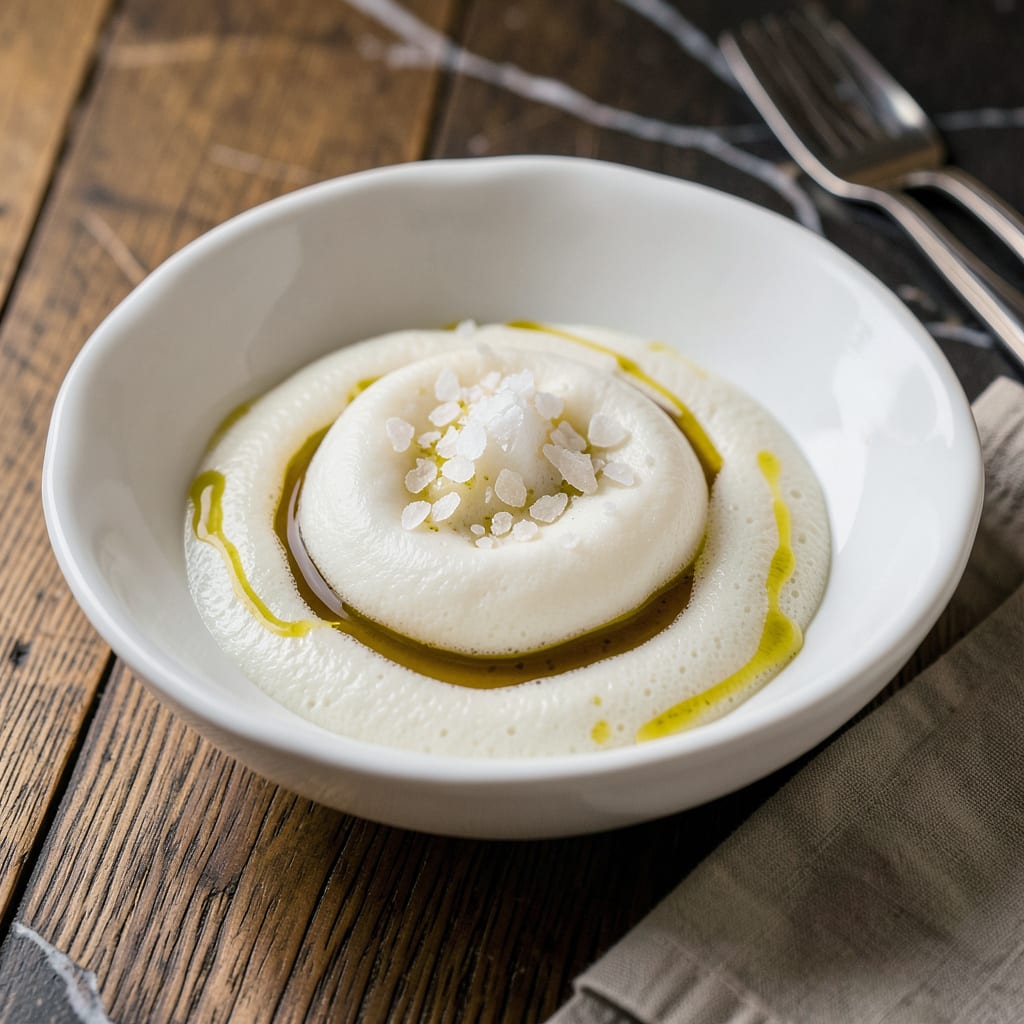
Modern plating demands texture and innovation, and this potato foam delivers both with professional precision. Using simple ingredients and a whipped cream dispenser or immersion blender, you can transform humble potatoes into a light, airy foam that elevates any dish. The technique relies on stabilizing agents like soy lecithin or aquafaba to create a silky, stable structure that holds its shape without collapsing.
The result is a versatile, vegan-friendly garnish that adds sophistication to soups, vegetarian plates, or even avant-garde cocktails. This foam brings a delicate potato essence with a velvety mouthfeel, proving that modern techniques can enhance even the most familiar flavors. Perfect for chefs and home cooks looking to experiment with contemporary presentation.
Ingredients for Potato Foam
Eight precision ingredients transform humble potatoes into a modern culinary foam with professional texture and stability.
| Ingredient | Amount | Notes |
|---|---|---|
| Russet Potatoes 🥔 | 12 oz | Peeled, diced, and boiled until tender |
| Soy Lecithin Granules 🧪 | 1 ½ tsp | Stabilizer for foam structure |
| Aquafaba 💧 | ½ cup | Chickpea brine, strained and chilled |
| Extra-Virgin Olive Oil 🫒 | 2 tbsp | Cold-pressed for neutral flavor |
| Sea Salt 🧂 | ½ tsp | Fine grain for even dispersion |
| White Pepper 🌶️ | ¼ tsp | Freshly ground for subtle heat |
| Nutritional Yeast 🧀 | 1 tbsp | Optional for umami depth |
| Distilled Water 💧 | ¼ cup | For adjusting foam consistency |
[recipeingredientscaler]
The potatoes are critical—Russets provide optimal starch content for foam stability. Source them fresh, avoiding sprouted or green-tinged specimens. Soy lecithin must be food-grade (check Modernist Pantry or specialty baking suppliers). For aquafaba, use brine from unsalted chickpeas (Goya or Eden Organic brands yield consistent results). The olive oil should be a neutral, high-quality variety to avoid overpowering the delicate potato flavor.
No soy lecithin? Sunflower lecithin works at a 1:1 ratio, though it may yield slightly less stable foam. For aquafaba substitutes, xanthan gum (0.1% by weight) can provide structure, but requires precise measurement. White pepper can be replaced with black pepper at half the quantity, though visual presentation will differ. Nutritional yeast is optional but recommended for savory applications—omit for sweet preparations.
Prepare foam immediately before service—it holds for 2-3 hours in a whipped cream dispenser with NO₂. Unused aquafaba keeps refrigerated for 5 days; soy lecithin remains stable at room temperature for 12 months if sealed. Boiled potatoes can be vacuum-sealed and refrigerated for 3 days prior to foaming. Always strain aquafaba through fine mesh to remove particulates that could destabilize the foam.
Why You’ll Love This Recipe
- I’ll be real: most foams require fancy equipment, but this one? Just a hand mixer and patience. The aquafaba whips up like magic while the russets steam—no high-speed blenders or expensive gadgets needed.
- No Blender Drama: I’ll be real: most foams require fancy equipment, but this one? Just a hand mixer and patience. The aquafaba whips up like magic while the russets steam—no high-speed blenders or expensive gadgets needed.
- Umami Meets Creamy: That first bite hits you with the deep, earthy flavor of olive oil-infused potato purée, then the foam melts into this airy, almost buttery cloud. The soy lecithin adds a subtle savory depth that makes it taste way fancier than the effort involved.
- Dinner Party Flex: I’ve served this as a starter with crusty bread, dolloped it over grilled steak, and even used it to rescue sad leftovers (yes, it revives dry roasted veggies). It’s my secret weapon for making a meal feel restaurant-worthy without the stress.
Step-by-Step Instructions for Potato Foam
Modern plating requires precision—these steps ensure a stable, silky foam with clean potato flavor.
Step 1: Prepare the Potato Base
Begin by processing the 12 oz Russet Potatoes while still warm from boiling. Transfer them to a high-speed blender along with the 2 tbsp Extra-Virgin Olive Oil. Blend on high for 2-3 minutes until completely smooth and velvety—no graininess should remain.
The warmth helps emulsify the mixture, while the olive oil adds necessary fat for foam stability. Scrape down the sides as needed to ensure even processing. The final texture should resemble thick, smooth mashed potatoes without any lumps or fibers.
Step 2: Incorporate Stabilizers and Seasonings
With the blender running on low, gradually add the 1.5 tsp Soy Lecithin Granules, 0.5 tsp Sea Salt, 0.25 tsp White Pepper, and 1 tbsp Nutritional Yeast. Increase speed to medium and blend for 1 minute until fully incorporated and the mixture becomes slightly glossy.
The soy lecithin acts as your primary emulsifier, while the nutritional yeast contributes subtle umami depth. Watch for the mixture to develop a slight sheen—this indicates the lecithin is properly dispersed. Taste and adjust seasoning if needed before proceeding.
Step 3: Create the Foam Structure
Transfer the potato mixture to a clean bowl. In a separate container, whisk the 0.5 cup Aquafaba until frothy but not yet peaked. Gently fold the aquafaba into the potato base using a silicone spatula, making 15-20 folding motions until just combined—overmixing will deflate the air bubbles.
The aquafaba provides the structural foundation for your foam. You should see a noticeable increase in volume with a mousse-like consistency. The mixture will appear slightly marbled at this stage, which is ideal for creating stable foam later.
Step 4: Adjust Consistency and Aerate
Gradually whisk in the 0.25 cup Distilled Water, 1 tablespoon at a time, until the mixture reaches a pourable but still thick consistency—similar to heavy cream. Transfer to a whipped cream dispenser with two nitrous oxide chargers, or use an immersion blender on high for 2-3 minutes to incorporate maximum air.
For dispenser method, chill for 15 minutes before charging to maximize foam stability. The ideal foam will hold soft peaks when dispensed and maintain structure for 10-15 minutes on the plate. Test foam stability by spooning a small amount onto a cold plate—it should hold its shape without collapsing.
Step 5: Plate and Serve Immediately
Dispense or spoon the foam onto your plated dish immediately after preparation. For optimal presentation, create 1-inch dollops using the back of a spoon or piping bag. The foam should have a glossy sheen and maintain clear definition without spreading excessively.
Serve within 5 minutes of plating for best texture. The foam will gradually lose structure as it warms, so keep your base components chilled until ready to assemble. Each serving should yield approximately ¼ cup of stable foam—enough for elegant garnishing without overwhelming the dish.
Essential Equipment for This Dish
Whipped Cream Dispenser
This is your secret weapon for professional-quality foam. I recommend the iSi Gourmet Whip (1-pint capacity) for its durability and precise pressure control. The stainless steel construction maintains consistent temperature, which is crucial for foam stability. Always chill your dispenser for 15 minutes before charging to maximize foam volume and longevity. 💡
High-Speed Blender
A powerful blender ensures completely smooth potato purée—the foundation of your foam. I use the Vitamix 5200 with its variable speed control to achieve that velvety texture without overheating the mixture. The tamper tool helps process thick mixtures evenly. For home cooks, the Ninja Professional offers similar performance at a lower price point.
Immersion Blender
If you’re not using a whipped cream dispenser, a quality immersion blender becomes essential for aeration. The Breville Control Grip with its 15-speed settings gives you precise control over foam texture. Use the whisk attachment for maximum air incorporation. Blend in a tall, narrow container to create a vortex that pulls in more air.
Fine Mesh Strainer
Straining your aquafaba removes any particulates that could destabilize your foam. I use a 10-inch stainless steel strainer with 200-micron holes for ultra-smooth results. This same strainer works perfectly for pushing your potato purée through if you encounter any fibrous bits. The difference in foam stability is noticeable when you remove all impurities.
Digital Scale
Precision matters with foam recipes. My OXO Good Grips 11lb scale measures in 0.1g increments, which is perfect for accurately weighing soy lecithin and other stabilizers. Even small variations in ingredient ratios can affect foam stability and texture. I always measure by weight rather than volume for consistent results. 🌡️
Charging Accessories
For whipped cream dispensers, you’ll need N₂O chargers—I prefer iSi brand for their consistent quality. Keep chargers in a cool, dry place until ready to use. You’ll also want a charger holder to prevent frozen fingers when handling the cold cartridges. Always use two chargers for maximum foam volume and stability with this recipe.
Nutrition Facts
Frequently Asked Questions
What’s the best way to store leftover foam?
Potato foam is best used immediately, but you can store the uncharged mixture in an airtight container for up to 24 hours. Keep it refrigerated and re-aerate with an immersion blender before serving. Once dispensed, foam doesn’t hold well—plan to use it within 10 minutes of preparation.
Can I make this without a whipped cream dispenser?
Yes! Use an immersion blender on high speed for 2-3 minutes to incorporate air. The foam won’t be as stable, but whisking in 0.25 tsp xanthan gum can help. For best results, chill your mixture and equipment first to maximize air retention.
Why did my foam collapse immediately?
This usually happens from insufficient stabilizers or overheating. Ensure you’re using food-grade soy lecithin and folding aquafaba gently. Overmixing or warm ingredients break the structure. Test your foam on a cold plate—it should hold for 5+ minutes if properly stabilized.
What dishes pair well with this foam?
This versatile foam elevates roasted vegetable plates, creamy soups, or even cocktails. Try it atop wild mushroom risotto or as a garnish for tomato consommé. For drinks, float a spoonful on a savory Bloody Mary for unexpected texture.
Can I use sweet potatoes instead?
Sweet potatoes work but require adjustments. Reduce aquafaba to 1/3 cup and add 1 tsp lemon juice to balance sweetness. The foam will have a golden hue and slightly denser texture. Perfect for dessert pairings like spiced chocolate mousse.

- 8 Bean Soup Recipe Crock Pot: Hearty Vegetable Medley in One Pot - September 25, 2026
- 4C Bread Crumbs Meatballs Recipe: Crispy Crust and Juicy Centers - September 25, 2026
- 6 Oz Chocolate Chip Cookie Recipe: Perfectly Balanced Crispy Edges and Chewy Hearts - September 25, 2026