
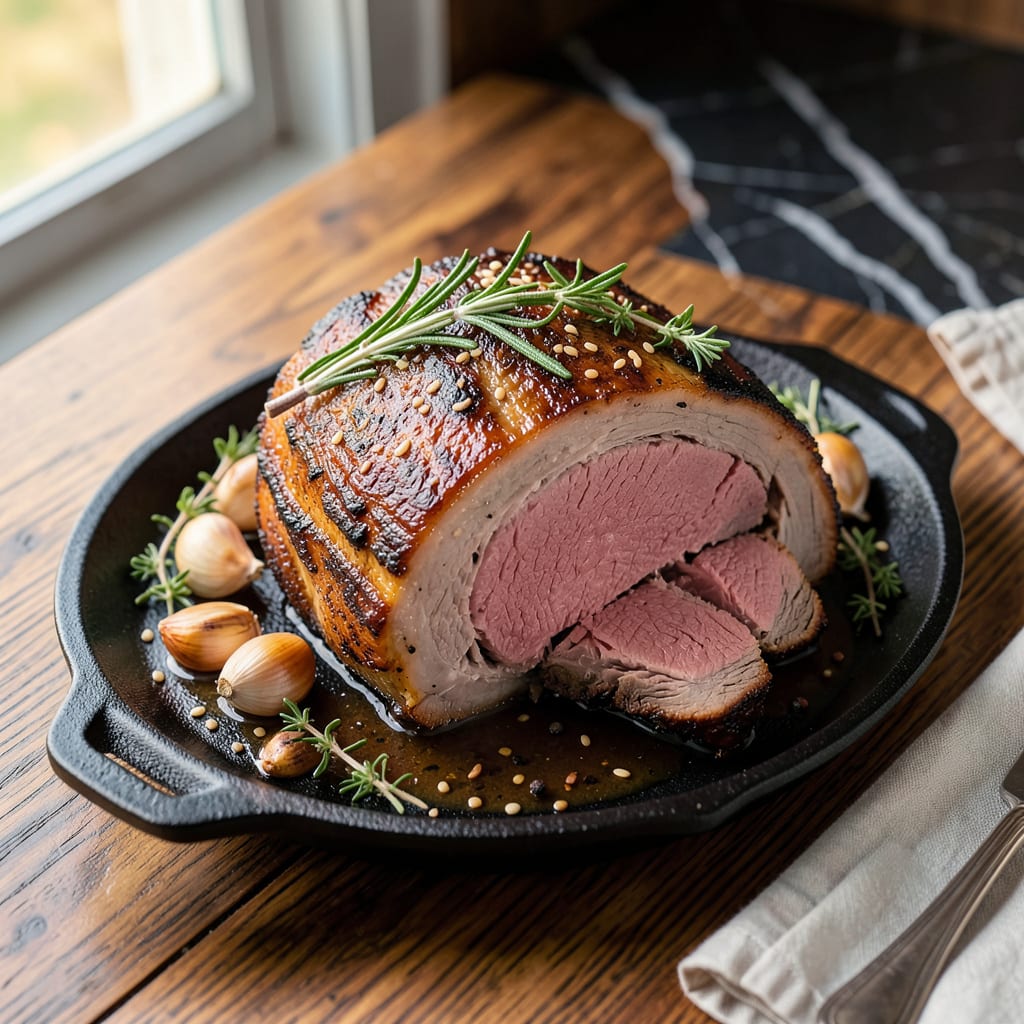
Achieving restaurant-quality prime rib at home doesn’t require hours of oven monitoring or expensive equipment. This slow cooker method delivers perfectly tender, evenly cooked meat with minimal effort, using simple ingredients and precise timing. The crock pot environment creates ideal conditions for breaking down connective tissue while maintaining juiciness.
The technique focuses on proper seasoning, controlled cooking temperatures, and strategic resting time. By following this approach, you’ll produce a showstopping centerpiece with consistent results—whether you prefer rare, medium, or well-done. No specialized skills needed, just reliable methods that ensure success every time.
Ingredients for Prime Rib Crock Pot
Sixteen ingredients transform a premium cut into restaurant-quality prime rib through precise slow-cooker methodology and strategic seasoning.
| Ingredient | Amount | Notes |
|---|---|---|
| Bone-in Prime Rib Roast 🥩 | 4 ½ lb | First-cut preferred for even cooking |
| Kosher Salt 🧂 | 2 tbsp | Diamond Crystal brand recommended |
| Coarsely Ground Black Pepper 🌶️ | 1 ½ tbsp | Freshly ground for optimal flavor |
| Fresh Rosemary Sprigs 🌿 | 4 whole | 6-inch length preferred |
| Fresh Thyme Sprigs 🍃 | 6 whole | Stems intact for easy removal |
| Garlic Cloves 🧄 | 8 cloves | Smashed, not minced |
| Beef Stock 💧 | 1 cup | Low-sodium preferred |
| Worcestershire Sauce 🍶 | 2 tbsp | Lea & Perrins recommended |
| Unsalted Butter 🧈 | 4 tbsp | European-style for richer flavor |
| Olive Oil 🫒 | 2 tbsp | Extra-virgin for searing |
| Red Wine 🍷 | ½ cup | Dry variety like Cabernet |
| Yellow Onion 🧅 | 1 whole | Quartered for aromatic base |
| Carrots 🥕 | 2 whole | Cut into 3-inch pieces |
| Celery Stalks 🌿 | 2 whole | Cut into 3-inch pieces |
The prime rib selection determines final quality. Optimal results require first-cut bone-in roast with even fat marbling—USDA Prime grade if available, though Choice performs admirably. Professional kitchens source from specialty butchers, but well-stocked supermarkets like Whole Foods or Costco offer suitable alternatives. The Diamond Crystal kosher salt specification isn’t arbitrary; its flake structure ensures proper osmosis during the extended cook time. Fresh herbs must be vibrant green with no wilting—indicative of peak essential oil content.
Substitutions require careful consideration to maintain flavor equilibrium. Sea salt at half volume may replace kosher salt, though texture differs. Dried rosemary/thyme necessitate one-third quantity with 30-minute rehydration in warm stock. For alcohol-free preparation, substitute additional beef stock plus 1 tsp balsamic vinegar for wine’s acidity. Clarified butter or ghee may replace unsalted butter at 1:1 ratio. Standard yellow onions maintain aromatic balance; shallots introduce unnecessary sweetness variation.
Preparation timing influences ingredient handling. Refrigerate roast uncovered on wire rack 24 hours prior to cooking for optimal dry-brine penetration. Store fresh herbs wrapped in damp paper towels within perforated bags for 5-7 days. Post-cooking, strained aromatics (onion/carrot/celery) may be puréed into au jus or discarded. Completed prime rib holds at 140°F internal temperature for up to 2 hours before carving—critical for large-format entertaining.
Why You’ll Love This Recipe
- Set-It-Forget-It Magic: Honestly, this might be the laziest fancy meal I’ve ever made. Toss the prime rib in the crock pot with salt, pepper, and those fresh rosemary and thyme sprigs—then walk away. No basting, no stress, just a perfectly juicy roast hours later while I fold laundry or (let’s be real) scroll through my phone.
- Herb-Crusted Luxury: That crust. The kosher salt and coarse black pepper form this crackly, golden shell, while the rosemary and thyme perfume every bite with earthy warmth. It’s the kind of flavor that makes you pause mid-chew and think, “Did I really make this?”—especially when the meat falls apart like butter.
- Holiday or Tuesday: I’ve served this at Christmas dinner and, yes, even on a random Tuesday night when I craved something special. The crock pot does all the work, so it’s just as easy to impress guests as it is to treat myself after a long day. Leftovers? They make killer sandwiches or hash for breakfast.
- No Waste, No Worry: Here’s what sold me—a bone-in prime rib usually costs a pretty penny, but the crock pot turns every scrap into something worth savoring. The bones and pan juices become the richest au jus with zero extra effort, and any leftovers stretch into two more meals. My wallet (and my family) thank me every time.
Step-by-Step Instructions for Prime Rib Crock Pot
This method transforms a luxurious cut into tender perfection with minimal hands-on time and maximum flavor development.
Step 1: Prepare the Prime Rib for Slow Cooking
Pat the 4.5 lb bone-in prime rib roast completely dry with paper towels, ensuring all surface moisture is removed. This critical step promotes even seasoning adhesion and proper browning during the searing process. Rub the roast generously with the 2 tbsp kosher salt and 1.5 tbsp coarsely ground black pepper, pressing the seasonings into all surfaces including the bone side.
Using a sharp knife, make small incisions along the fat cap and insert the 8 cloves garlic cloves (smashed) evenly throughout the roast. This technique infuses flavor directly into the meat during the long cooking process. The garlic will mellow and sweeten as it cooks, creating pockets of aromatic richness in every bite.
Step 2: Sear the Roast for Depth of Flavor
Heat the 2 tbsp olive oil in a large skillet over medium-high heat until shimmering but not smoking. Add the seasoned prime rib and sear for 3-4 minutes per side until a deep golden crust forms. The roast should release easily from the pan when properly seared – don’t force it if it sticks prematurely.
During searing, add the 4 tbsp unsalted butter to the pan and baste the roast continuously with the foaming butter. This basting process creates an additional flavor layer while promoting even browning. Transfer the seared roast to your slow cooker, placing it bone-side down to maximize contact with the cooking liquid.
Step 3: Build the Aromatic Cooking Liquid
In the same skillet used for searing, add the quartered yellow onion, carrots cut into 3-inch pieces, and celery stalks cut into 3-inch pieces. Sauté for 4-5 minutes until the vegetables develop light caramelization. Deglaze the pan with the 0.5 cup red wine, scraping up all browned bits from the bottom – these fond particles contain concentrated meat flavor.
Pour the vegetable-wine mixture into the slow cooker around the roast. Add the 1 cup beef stock, 2 tbsp Worcestershire sauce, 4 whole fresh rosemary sprigs, and 6 whole fresh thyme sprigs. The liquid should come about halfway up the roast – this level ensures proper braising without submerging the meat completely.
Step 4: Slow Cook to Perfect Doneness
Cover the slow cooker and cook on low setting for 6-8 hours or until the internal temperature reaches 135°F for medium-rare. The low, consistent heat breaks down connective tissues while maintaining the roast’s natural juiciness. Avoid opening the lid during cooking to prevent heat loss and extended cooking time.
You’ll know the roast is ready when it offers minimal resistance when pierced with a fork, and the meat begins to pull away slightly from the bone. The aromatics will have infused the cooking liquid, creating a rich, flavorful base for the final sauce. The vegetables should be completely tender and easily crushed with a spoon.
Step 5: Rest and Serve with Reduced Juices
Carefully transfer the prime rib to a cutting board and tent loosely with foil. Let it rest for 20-30 minutes before slicing – this crucial step allows the juices to redistribute throughout the meat. While the roast rests, strain the cooking liquid through a fine-mesh sieve into a saucepan.
Simmer the strained liquid over medium heat for 10-15 minutes until reduced by about one-third. The reduced juices will develop a glossy consistency perfect for spooning over the sliced meat. Carve the prime rib against the grain into 1-inch thick slices, arranging them on a platter with the reduced juices and cooked vegetables for service.
Flavor Customization for This Dish
Herb-Crusted Variation
For an aromatic crust, mix 3 tbsp Dijon mustard with 1 tbsp honey and brush over the roast before seasoning. Add 2 tbsp chopped fresh parsley and 1 tbsp fresh oregano to your salt-pepper rub. The mustard creates a sticky base that helps herbs adhere while adding tangy depth. 🌿
Spicy Coffee Rub
Replace 1 tbsp black pepper with a blend of 1 tbsp finely ground coffee and 1 tsp smoked paprika. The coffee enhances the beef’s natural richness while adding subtle bitterness. Add ½ tsp cayenne for heat lovers. This bold variation pairs exceptionally well with red wine reductions.
Garlic-Herb Butter
Create a compound butter by mixing ½ cup softened butter with 2 tbsp minced garlic, 1 tbsp chopped rosemary, and 1 tsp lemon zest. Spread this under the fat cap before cooking. As it melts, it bastes the meat from within, creating incredible moisture and flavor layers.
Wine-Infused Braise
Replace ½ cup red wine with 1 cup full-bodied red wine (like Syrah) and reduce the beef stock to ½ cup. Add 2 tbsp tomato paste to the searing pan when building your aromatic base. This creates a deeper, more complex sauce perfect for serving over mashed potatoes.
Asian-Inspired Glaze
After cooking, brush the rested roast with a glaze made from ¼ cup hoisin sauce, 2 tbsp soy sauce, and 1 tbsp rice vinegar. Broil for 2-3 minutes until glossy. Garnish with sesame seeds and sliced green onions for an unexpected fusion twist that still respects the prime rib’s elegance.
Smoky Chipotle Kick
Add 2-3 chipotle peppers in adobo (minced) to the cooking liquid along with 1 tsp ground cumin. The smoky heat penetrates beautifully during the long cook time. Serve with lime wedges to brighten the flavors. This variation transforms your prime rib into a Southwestern-inspired centerpiece. 🔥
Nutrition Facts
Frequently Asked Questions
Can I use a boneless prime rib instead?
Use the same cooking method but reduce the time by 1-2 hours since boneless cooks faster. The bone adds flavor, so compensate by increasing herbs or adding an extra garlic clove to the cooking liquid.
Why is my prime rib tough after slow cooking?
Overcooking is the most common cause. Always use a meat thermometer and remove at 135°F for medium-rare. Slicing too soon can also make it seem tough—rest for 20-30 minutes before carving to let juices redistribute.
What size crock pot works best?
A 6-quart slow cooker is ideal for a 4-5 lb roast. The roast should fit snugly without touching the sides. For larger cuts, use an 8-quart to ensure even cooking and proper liquid circulation.
Can I make this ahead of time?
Yes! Cook as directed, then refrigerate the roast in its juices for up to 2 days. Reheat gently in the cooking liquid at 250°F until warmed through. The flavors actually improve overnight.

- 8 Bean Soup Recipe Crock Pot: Hearty Vegetable Medley in One Pot - September 25, 2026
- 4C Bread Crumbs Meatballs Recipe: Crispy Crust and Juicy Centers - September 25, 2026
- 6 Oz Chocolate Chip Cookie Recipe: Perfectly Balanced Crispy Edges and Chewy Hearts - September 25, 2026