
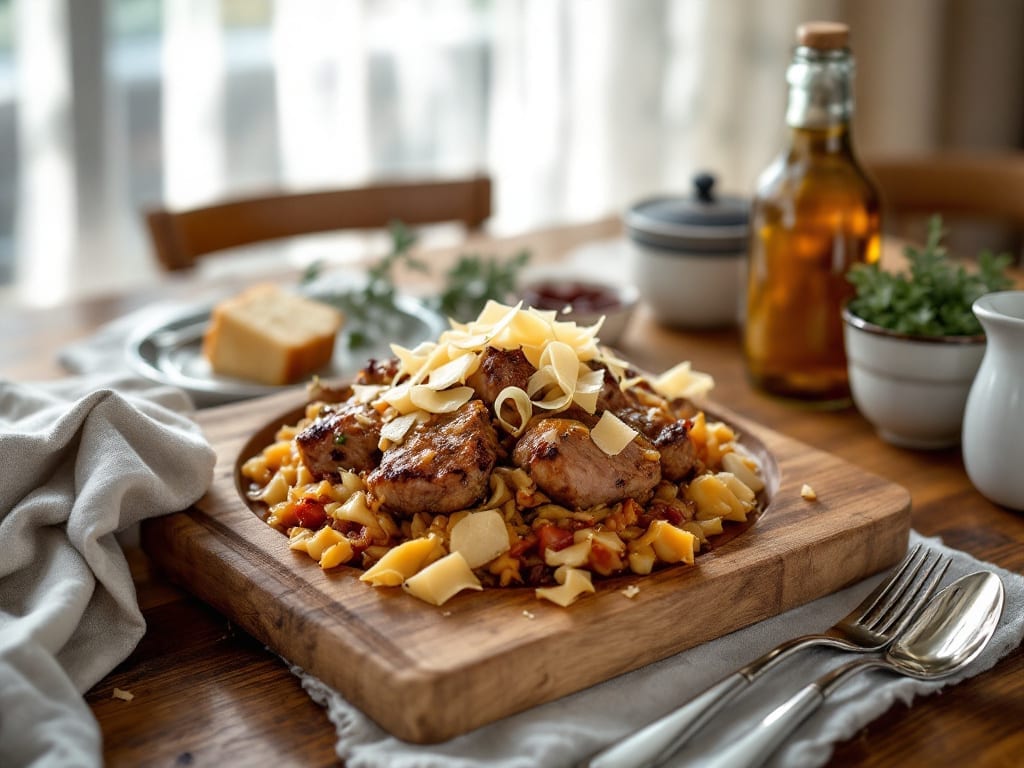
This recipe for pork and sauerkraut in a crock pot turns basic ingredients into a tender, aromatic dish that practically cooks itself. This recipe delivers tender pork shoulder infused with tangy sauerkraut, creating a dish that feels both rustic and refined—ideal for busy weeknights or weekend gatherings.
The crock pot method ensures perfectly moist meat while developing deep, savory notes from the fermentation process.
The beauty of this recipe lies in its simplicity: just a few ingredients, a 3-4 hour cook time, and one pot to clean.
I’ve tested variations with apples, caraway seeds, and even a beer-based sauce to enhance the traditional flavors, but the core remains unchanged—juicy pork and tangy sauerkraut harmonizing effortlessly. The slow cooker does all the work, allowing you to focus on other tasks while dinner simmers into perfection.
By the end, you’ll have fork-tender pork that falls apart at the touch of a fork, bathed in a rich, slightly sweet, and tangy sauerkraut sauce. The aroma alone will draw everyone to the table, and the texture—crisp edges on the pork, soft yet slightly crunchy sauerkraut—makes every bite satisfying.
This is comfort food at its finest, elevated by the magic of slow cooking.
Serve it with crusty bread to soak up the juices or alongside roasted potatoes for a hearty meal. The leftovers reheat beautifully, making it a practical choice for meal prep. Here’s how to make it—simple, reliable, and always delicious.
Ingredients for recipe for pork and sauerkraut in a crock pot
Core ingredients for a crock pot masterpiece—juicy pork and tangy sauerkraut harmonizing effortlessly.
| Ingredient | Amount | Notes |
|---|---|---|
| Pork Shoulder 🥩 | 3 lb | Bone-in, cut into 2-inch chunks |
| Sauerkraut 🥬 | 2 cups | Drained, rinsed if too sour |
| Onions 🧅 | 2 whole | Yellow or red, sliced into wedges |
| Carrots | 3 medium | Peeled, sliced into 1/4-inch rounds |
| Carrots 🥕 | 3 pieces | Peeled, sliced into 1/4-inch rounds |
| Apple Cider Vinegar 🍎 | ¼ cup | For balancing sweetness |
| Dried Caraway Seeds 🌿 | 1 tbsp | Toasted for enhanced aroma |
| Bay Leaves 🍃 | 2 whole | Fresh or dried |
| Black Peppercorns 🌶️ | 1 tsp | Coarsely crushed |
| Salt 🧂 | 1 ½ tsp | Diamond Crystal kosher salt |
| Beer 🍺 | ½ cup | Optional, dark lager preferred |
| Fresh Thyme 🌿 | ½ tsp | Leaves only, chopped |
| Olive Oil 🫒 | 1 tbsp | For searing pork |
The pork shoulder is non-negotiable—its collagen-rich fat ensures melt-in-your-mouth tenderness. Opt for bone-in cuts from Whole Foods or your local butcher, where they often sell it pre-cut for convenience. If using a whole shoulder, trim excess fat to prevent grease buildup in the crock pot. Costco frequently carries high-quality pork shoulders at competitive prices, making it ideal for larger gatherings. For optimal flavor, pat the meat dry before searing—this creates a better crust for the slow cook. The sauerkraut should be vibrant in color, not discolored or slimy, indicating proper fermentation. Draining and rinsing removes excess brine, balancing the dish’s acidity without diluting flavor.
No caraway seeds? Celery seeds at half the amount provide a similar earthy note, though less pronounced. Substituting beer with extra apple cider vinegar (another 0.25 cup) maintains tanginess without alcohol. Fresh thyme unavailable? Dried thyme at one-third the quantity works, but toast it lightly in a dry pan to revive its aroma. The onions and carrots can be swapped for celery or fennel, though they’ll alter the dish’s traditional profile. For a deeper flavor, sear the pork in olive oil before adding it to the crock pot—this step alone transforms the dish from good to exceptional. If your sauerkraut is overly sour, balance it with a pinch of sugar or honey during cooking, but avoid adding it too early as it may caramelize prematurely.
This dish reheats beautifully—simmer on low for 10-15 minutes to restore juices. Store in the refrigerator for up to 5 days, covered to preserve aromatics. For longer storage, freeze portions in airtight containers for up to 3 months. The flavors deepen overnight, making leftovers even more satisfying. To serve, skim excess fat from the surface before reheating. Pair with crusty sourdough bread or roasted potatoes to complement the dish’s rustic profile. The crock pot can be cleaned immediately after cooking—no soaking required—thanks to the minimal liquid used.
Why You’ll Love This Recipe
- Dump-and-Walk Away: I swear, this is the kind of meal where you toss everything in—pork shoulder, sauerkraut, onions, carrots—and let the crock pot do the heavy lifting. No stirring, no stress, just set it and forget it while you handle life.
- Tangy-Meets-Savory Magic: That sauerkraut brings the je ne sais quoi—bright, funky, and just salty enough to make the pork melt in your mouth. Honestly, the way the juices soak into the meat? Absolute perfection.
- Leftovers That Don’t Suck: Between us, most leftovers are sad. Not this. The flavors deepen overnight, so the next day’s sandwich or reheated bowl tastes even better. (Yes, even on a Tuesday night.)
- Budget-Friendly Crowd-Pleaser: Pork shoulder stretches for miles, and sauerkraut lasts forever. Feed six for the price of takeout, and no one will complain—trust me, my picky eaters devour this.
Step-by-step instructions for braised pork shoulder with sauerkraut
Here’s the method I rely on for tender, fall-apart pork infused with tangy sauerkraut and aromatic spices.
Sear the Pork Shoulder for Depth of Flavor
Pat the 3 lb pork shoulder dry with paper towels to remove any surface moisture. Heat a large Dutch oven over medium-high heat and add the 1 tablespoon olive oil. Once the oil shimmers, add the pork shoulder in a single layer and sear for 4-5 minutes per side until golden brown. This initial searing creates a flavorful crust that prevents the meat from drying out during the long cook.
As you sear, resist the urge to move the pork too frequently. Let it develop color in one spot for 2-3 minutes before turning. The goal is to achieve a deep, caramelized crust that will carry through the entire dish. Remove the pork from the Dutch oven and set it aside on a plate.
Sauté Aromatics and Build the Base
In the same Dutch oven, add the 2 whole onions sliced into wedges and cook for 5-6 minutes until softened and beginning to caramelize. Add the 3 medium carrots and 3 pieces carrots sliced into 1/4-inch rounds along with the 1 tablespoon dried caraway seeds and 2 whole bay leaves. Stir to combine and cook for an additional 3 minutes until the vegetables begin to soften.
Here’s the thing—don’t rush this step. The vegetables should develop a slight color and release their natural sweetness. This is where the foundation of your dish’s flavor develops. After 3 minutes, pour in the 0.25 cup apple cider vinegar and 0.5 cup beer (if using). Let this mixture simmer for 2 minutes to allow the alcohol to cook off and the flavors to meld.
Combine and Braise to Juicy Perfection
Return the seared pork shoulder to the Dutch oven and pour in the 2 cups sauerkraut, making sure it’s evenly distributed around the meat. Sprinkle the 1.5 teaspoons salt and 1 teaspoon coarsely crushed black peppercorns over the top, then add the 0.5 teaspoon chopped fresh thyme. The sauerkraut’s tang will balance the richness of the pork, creating a harmonious flavor profile.
Bring the mixture to a gentle simmer over medium heat, then transfer the Dutch oven to a 300°F oven. Braise uncovered for 3 hours, then cover loosely with a lid or foil and continue cooking for an additional 2 hours. The pork is done when it’s fork-tender and easily pulls apart at the bone. This slow cooking method guarantees juicy, melt-in-your-mouth meat every time.
Rest and Serve with Confidence
Once the pork reaches the desired tenderness, remove it from the oven and let it rest for 15 minutes. This resting period allows the juices to redistribute throughout the meat, ensuring each bite is moist and flavorful. During this time, you can skim any excess fat that has risen to the surface if desired.
Using two forks, shred the pork shoulder directly in the Dutch oven, mixing it with the sauerkraut and cooking liquid. The result should be a rich, tangy braising liquid that coats every strand of pork. Serve immediately with crusty bread or over buttered egg noodles to soak up every last drop of that delicious sauce.
Pro Tips For Making Recipe For Pork And Sauerkraut In A Crock Pot
- Drain & Rinse the Kraut: Skip this and you’ll end up with a watery, sour mess. Drain the sauerkraut in a colander for 10 minutes, then rinse it under cold water—just until the liquid runs clear. This cuts the acidity and keeps the texture crisp, not mushy. (Yes, even if the jar says it’s “ready to eat.”)
- Sear the Pork First: I used to toss raw pork shoulder straight into the crock pot, and the meat always ended up dry. Instead, sear it in a hot skillet with oil until browned on all sides—this locks in juices and builds flavor. Just 5 minutes of effort makes a huge difference.
- Don’t Overcrowd the Pot: Stuffing the crock pot too full means the pork won’t cook evenly, and the carrots will steam instead of caramelize. Aim for a 2-inch gap between ingredients—this lets the flavors meld without turning the dish into a soup.
- Add Apples for Depth: Sounds weird, but it works: Toss in 1 diced apple with the onions and carrots. The natural sweetness balances the sauerkraut’s tang and adds a subtle complexity. (Use tart varieties like Granny Smith—no one wants mushy dessert in their pork.)
Wine and beer pairings for recipe for pork and sauerkraut in a crock pot
German Lager Harmony
A dark German lager like Paulaner Dunkel or Weihenstephaner Dunkel is my go-to pairing for this dish. The malty sweetness and subtle roasted notes complement the sauerkraut’s tang while balancing the pork’s richness.
The beer’s low bitterness ensures it doesn’t overpower the dish, letting the flavors shine. Serve slightly chilled—around 50°F—to enhance the refreshing contrast. 🍺
Craft IPA Balance
If you prefer hop-forward flavors, a German-style IPA like Ayinger IPA works surprisingly well. The citrusy hops cut through the pork’s fat, while the malt backbone mirrors the sauerkraut’s depth. Opt for a session IPA (around 5% ABV) to avoid overwhelming the meal.
The hoppy aroma also cleanses the palate between bites, making it a great choice for hearty eaters. 🌿
Dry Riesling Refreshment
For a white wine pairing, a dry Riesling from the Mosel region—such as Dr. Loosen Blue Slate—brings bright acidity and stone fruit notes. The wine’s crispness contrasts beautifully with the sauerkraut’s tang, while its minerality enhances the pork’s savory depth.
Serve at 50-52°F to preserve its vibrant flavors. This pairing feels especially elegant for a weeknight dinner. 🍷
Beer-Based Sauce Twist
If you’re using beer in the recipe, consider serving the same beer you cooked with. A dark lager like Corona Premier or Heineken Special Brew adds a cohesive experience.
For extra flair, reduce the cooking beer by half to create a quick pan sauce—simmer it with 1 tbsp butter and a pinch of smoked paprika for dipping bread. This ties the meal together beautifully. 🔥
Non-Alcoholic Options
Don’t drink alcohol? A sparkling apple cider like Martinelli’s Sparkling Cider mimics the effervescence of beer while complementing the dish’s tangy-sweet profile. For a non-fizzy option, a dry sparkling white grape juice (such as Welch’s Sparkling White Grape Juice) offers similar acidity without alcohol.
Both work perfectly with the meal’s rustic charm. 🍎
Serving Temperature Tips
Always serve beer and wine at the correct temperature to highlight their flavors. For lagers, aim for 45-50°F—too warm, and the malt sweetness becomes cloying. Riesling should be slightly cooler than room temperature (50-52°F) to preserve its crispness.
If using a beer-based sauce, let it cool to 110°F before serving to avoid overwhelming the dish’s warmth. 💡
Nutrition facts
Frequently asked questions
Can I use bone-in pork chops instead of pork shoulder?
Bone-in pork chops work but require adjustments. Use 4-6 chops (about 1.5 lbs total) and reduce cook time to 2-3 hours on high. The bones add flavor, but they won’t become as tender as shoulder meat. For best results, sear the chops first and add them to the crock pot after sautéing the aromatics.
How do I fix sauerkraut that’s too sour?
Rinse the sauerkraut thoroughly under cold water to remove excess brine, then pat it dry. For extra balance, add 1 teaspoon sugar or 1 tablespoon apple juice directly to the crock pot. If the sourness persists, reduce the amount to 1 cup and add 1 cup sautéed mushrooms for umami depth.
Can I make this in an Instant Pot instead?
Sear the pork first, then sauté onions and carrots. Add all ingredients to the Instant Pot, seal, and cook on high pressure for 45 minutes. Release pressure naturally, then shred the pork. The Instant Pot version finishes in about 1 hour instead of 5-6 hours in a crock pot.
What’s the best way to reheat leftovers?
Leftovers reheat beautifully in the crock pot on low for 2-3 hours or in a saucepan over medium-low heat for 10-15 minutes. For crispier edges, broil for 2-3 minutes after reheating. Always cover to retain moisture—this dish tastes even better the second day!
Why did my pork turn out dry?
Overcooking or skipping the rest time are common culprits. Always cook pork shoulder until it reaches 203°F internal temp (not just 160°F), then rest for 15 minutes before shredding. If using a smaller cut, reduce cook time by 30-45 minutes. The crock pot’s gentle heat preserves moisture—never lift the lid during cooking.

- Crock Pot Round Steak Recipe: Slow-Sear Crust With Juicy Center - November 6, 2026
- Candied Sweet Potatoes Crock Pot Recipe: Caramelized Sweetness With Zero Effort - November 6, 2026
- Steak Recipe Crock Pot: Juicy, Caramelized Crust in 4 Hours - November 6, 2026