
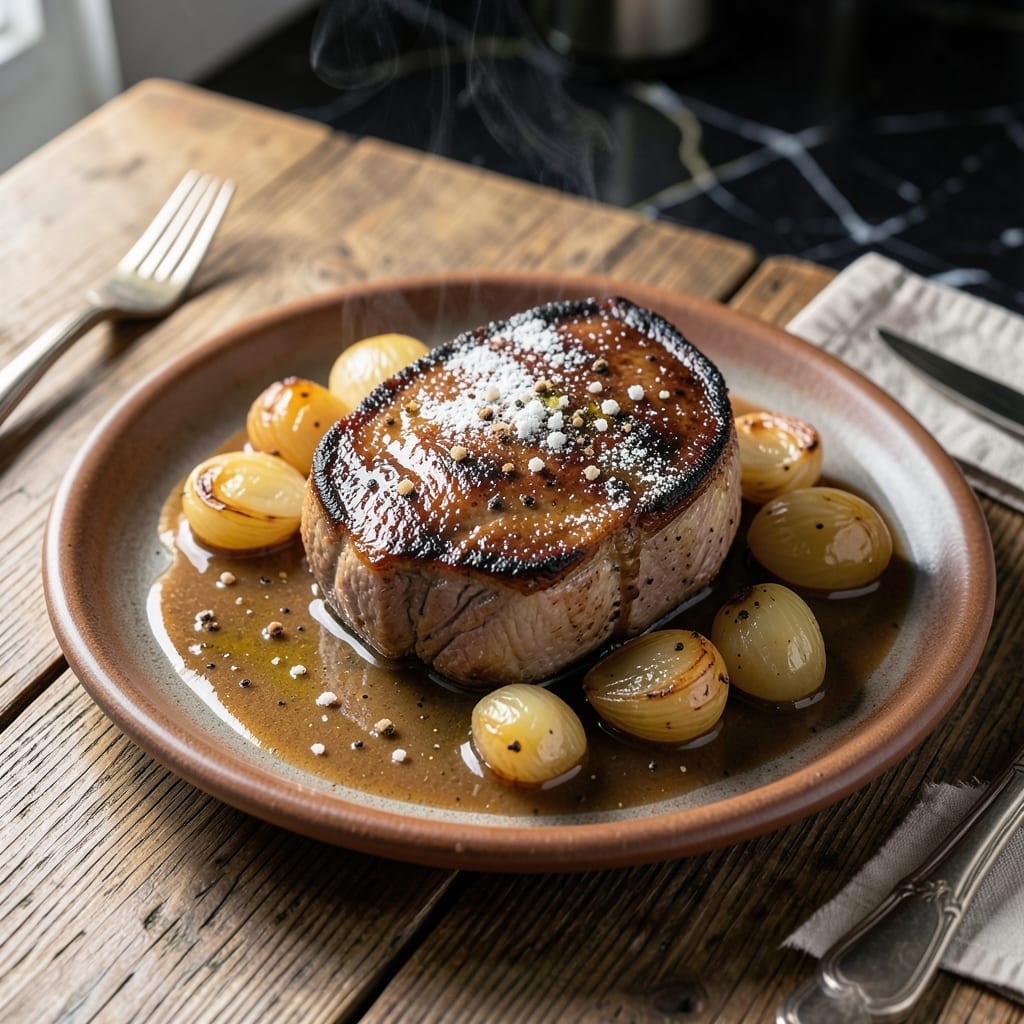
There’s nothing like the aroma of a slow-cooked pot roast filling the kitchen on a lazy Sunday afternoon. This rump roast recipe transforms an affordable cut into tender, fall-apart meat with rich, savory depth.
The secret is patience. Searing the beef first locks in flavor, while a long braise with root vegetables creates a meal that’s hearty and satisfying. Every bite delivers the warmth of home.
You’ll end up with meat so tender it practically melts, surrounded by carrots, potatoes, and onions that soak up the juices. It’s the kind of dish that brings everyone to the table.
Serve with crusty bread to soak up every last drop. Here’s how to make it right.
Ingredients for Rump Roast Pot Roast
Affordable rump roast and root vegetables create a hearty, slow-cooked Sunday classic.
| Ingredient | Amount | Notes |
|---|---|---|
| Rump Roast 🥩 | 3 lb | Well-marbled, trimmed of excess fat |
| Kosher Salt 🧂 | 2 tsp | Diamond Crystal preferred for even seasoning |
| Freshly Ground Black Pepper 🌶️ | 1 tsp | Coarse grind for texture |
| All-Purpose Flour 🌾 | ¼ cup | For dusting beef before searing |
| Vegetable Oil 🫒 | 2 tbsp | High smoke point for searing |
| Yellow Onions 🧅 | 2 whole | Large, quartered with skin on |
| Carrots 🥕 | 4 whole | Peeled, cut into 3-inch chunks |
| Yukon Gold Potatoes 🥔 | 1 ½ lb | Peeled, cut into large chunks |
| Garlic Cloves 🧄 | 6 cloves | Smashed, peeled |
| Fresh Thyme Sprigs 🌿 | 4 whole | Plus extra for garnish |
| Fresh Rosemary Sprigs 🌿 | 2 whole | Stems removed before serving |
| Bay Leaves 🍃 | 2 whole | Dried, for depth of flavor |
| Beef Stock 🥣 | 3 cups | Low-sodium preferred for control |
| Dry Red Wine 🍷 | 1 cup | Bold variety like Cabernet Sauvignon |
| Tomato Paste 🍅 | 2 tbsp | For umami richness |
The rump roast is the star here. Look for well-marbled pieces at Whole Foods or your local butcher—marbling equals tenderness. Avoid pre-cut stew meat; a whole roast allows you to control the size of your chunks. The beef stock should be high-quality, as it forms the base of your braising liquid. I prefer Better Than Bouillon for its rich, concentrated flavor.
No red wine? Substitute with an extra cup of beef stock and 1 tbsp balsamic vinegar for acidity. Fresh herbs are ideal, but dried thyme and rosemary at half the amount work in a pinch. If Yukon Golds aren’t available, russet potatoes hold up well too. For a deeper flavor, swap the tomato paste for sun-dried tomato paste (found at Trader Joe’s).
This dish tastes even better the next day. Store leftovers in an airtight container in the fridge for up to 4 days, or freeze for 3 months. Reheat gently on the stovetop with a splash of water to restore the sauce’s consistency.
Why You’ll Love This Recipe
- Set It and Forget: I brown the rump roast, dust it with flour, and let the oven do the rest—hardly any hands-on time.
- Crispy, Juicy Magic: That flour crust locks in the juices, and the simple salt and pepper combo makes every bite taste like home.
- Feeds the Whole Crew: One pot, one roast, and it stretches for sandwiches, tacos, or a second night’s dinner.
- Budget Hero: Rump roast is affordable, and with just oil, flour, and basic seasonings, I’m serving up a hearty meal without breaking the bank.
Step-by-Step Instructions for Rump Roast Pot Roast
Master these techniques for a perfectly tender pot roast with rich, deeply flavored vegetables.
Step 1: Sear and Season the Rump Roast
Pat the 3 lb rump roast dry with paper towels to ensure a proper sear. Season generously with 2 tsp kosher salt and 1 tsp freshly ground black pepper, pressing the seasoning into the meat for maximum adhesion. Lightly dust all sides with 0.25 cup all-purpose flour, tapping off any excess.
Heat 2 tbsp vegetable oil in a large Dutch oven over medium-high heat until shimmering. Sear the rump roast on all sides for 8-10 minutes total until deeply browned. This creates a flavorful fond that will enhance the finished dish. Transfer the beef to a plate and set aside.
Step 2: Sauté Aromatics and Deglaze
In the same pot, add the 2 whole yellow onions (quartered with skin on), 4 whole carrots, and 6 cloves garlic. Cook for 5-6 minutes until the vegetables begin to soften and develop color. Stir in 2 tbsp tomato paste and cook for 1-2 minutes to deepen its flavor.
Pour in 1 cup dry red wine and scrape the browned bits from the bottom of the pot with a wooden spoon. This deglazing step is crucial for building layers of flavor. Simmer for 3-4 minutes until the liquid reduces by half, then add 3 cups beef stock, 4 whole fresh thyme sprigs, 2 whole fresh rosemary sprigs, and 2 whole bay leaves.
Step 3: Slow Cook with Vegetables
Return the seared rump roast to the pot along with any accumulated juices. Add the 1.5 lb Yukon Gold potatoes (cut into large chunks) to the liquid, ensuring they are partially submerged. Bring to a simmer, then cover and transfer to a preheated 325°F oven.
Cook for 2.5 to 3 hours, turning the roast halfway through, until the meat is fork-tender and easily pulls apart. The vegetables should be soft and infused with the rich, savory liquid. Check occasionally to ensure the pot doesn’t run dry, adding a splash of water if needed.
Step 4: Rest and Serve
Carefully remove the rump roast from the pot and transfer to a cutting board. Tent loosely with foil and let rest for 15-20 minutes. This resting period allows the juices to redistribute, ensuring a moist and tender result.
Skimming excess fat from the cooking liquid, if desired, before serving. Slice the roast against the grain and arrange on a platter with the cooked vegetables. Spoon the rich, aromatic broth over the top for a Sunday dinner that delivers nostalgia in every bite.
Pro Tips For Making Rump Roast Pot Roast
- Sear It Hard: Get your oil smoking hot before adding the roast—I learned this the hard way after years of pale, sad meat. A deep brown crust on that rump roast means flavor that actually changes the outcome.
- Pat It Dry: Blot the roast with paper towels before seasoning, even if it looks dry. Sounds weird, but it works: the flour sticks better and the sear is crisper.
- Skip the Crowding: Don’t cram the pot with too many vegetables at the start. I used to do this and wondered why my roast steamed instead of browned—give it space to breathe.
- Rest Before Slicing: Let the roast sit under foil for at least 15 minutes after cooking. My grandmother swore by this, and she was right: all the juices stay put instead of running onto the cutting board.
Health Benefits of This rump roast pot roast
Rich Protein Source
This dish delivers a substantial 40-50 grams of protein per serving, essential for muscle repair and growth. Beef is a complete protein, containing all nine amino acids your body can’t produce on its own. I notice I feel fuller longer after enjoying a hearty portion. 💪
Iron and Zinc Boost
Rump roast is packed with heme iron, the most easily absorbed form, providing about 3.5mg per serving—nearly 20% of your daily needs. It’s also rich in zinc, supporting immune function and metabolism. This makes it a great choice for energy levels.
B Vitamin Complex
You’ll get a healthy dose of B12, B6, and niacin from this meal. These vitamins are vital for brain function, red blood cell production, and energy metabolism. A 3-ounce serving covers about 30% of your daily B12 requirement.
Root Vegetable Benefits
The carrots and potatoes add fiber, vitamin A, and potassium. Carrots provide beta-carotene, which your body converts to vitamin A, while potatoes offer vitamin C and B vitamins. Together, they create a balanced, nutrient-dense meal. 🥕
Low-Carb Friendly
Without added sugars or high-carb ingredients, this recipe fits well into low-carb or keto diets. The root vegetables contribute natural carbs, but you can reduce them further by limiting potatoes. Focus on the protein-rich beef for a satisfying, low-carb option.
Nutrition Facts
Frequently Asked Questions
What’s the best cooking method for this dish?
Slow braising in the oven at 325°F for 2.5 to 3 hours yields the most tender results. This low-and-slow approach breaks down tough fibers in the rump roast.
Can I use a slow cooker instead?
Yes! Sear the roast first, then cook on low for 8 hours or high for 5-6 hours. Add vegetables halfway through to prevent overcooking.
How do I know when it’s done?
The meat should pull apart easily with a fork. For food safety, internal temperature should reach 195-200°F. Don’t rush it—patience ensures tenderness.
What if my sauce is too thin?
Remove the meat and vegetables, then simmer the liquid on the stovetop for 10-15 minutes. For quicker results, mix 1 tbsp cornstarch with water and stir in.

- 4C Bread Crumbs Meatballs Recipe: Crispy Crust and Juicy Centers - September 25, 2026
- 6 Oz Chocolate Chip Cookie Recipe: Perfectly Balanced Crispy Edges and Chewy Hearts - September 25, 2026
- 6-Inch Coffee Cake Recipe: Vanilla Bean Swirls and Buttery Streusel Topping - September 25, 2026