
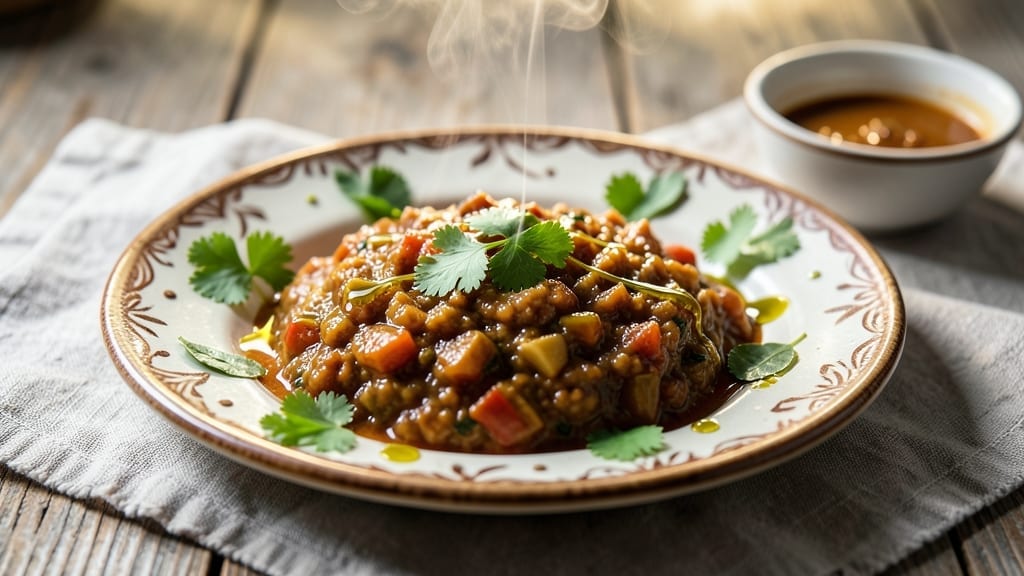
Transforming traditional sambar into a one-pot Instant Pot recipe saves time without sacrificing depth of flavor—this spiced lentil and tamarind stew delivers restaurant-quality results in under an hour.
The secret lies in layering spices through the Instant Pot’s sauté function, allowing their aromas to bloom before pressure cooking transforms tough lentils into tender, velvety perfection. My version keeps the soul of South Indian cooking while adapting it for modern kitchens.
What sets this Instant Pot sambar apart is the balance of textures: creamy lentils, vibrant vegetables, and a tangy tamarind base that brightens every bite. The recipe starts with toasting whole spices in the pot—cumin, coriander, and black pepper—before adding garlic, ginger, and curry leaves for that unmistakable aromatic punch.
Most importantly, the Instant Pot handles the long simmering process automatically, ensuring flavors meld without constant monitoring.
By the end, you’ll have a stew that’s rich yet light, with lentils breaking down just enough to create a luscious, gravy-like consistency. The tamarind adds the signature tang, while coconut milk rounds out the flavors for a dish that’s equally satisfying as a main course or side.
Serve it over steamed rice, with dosa, or even as a filling for idli—each pairing highlights a different facet of this versatile stew.
This recipe isn’t just about convenience; it’s about recreating the heart of South Indian home cooking with precision.
The Instant Pot’s natural release ensures the lentils stay tender while absorbing all the spiced flavors, and a final adjustment of salt and tamarind paste lets you tailor the tang to your preference. Ready to make sambar that tastes like it simmered all day? Let’s get started.
Ingredients for sambar recipe instant pot
Pantry staples meet South Indian spices for this Instant Pot sambar.
| Ingredient | Amount | Notes |
|---|---|---|
| Toor Lentils (Split Yellow Lentils) 🌾 | 1 ½ cups | Rinsed well before cooking |
| Coconut Milk 🥥 | 1 can | Full-fat, unsweetened (13.5 oz) |
| Medium Tomatoes 🍅 | 3 whole | Ripe, roughly chopped |
| Tamarind Paste 🍯 | ¼ cup | Adjust for tang preference |
| Fresh Curry Leaves 🌿 | ¼ cup | Dried leaves if unavailable |
| Ginger 🧄 | 1 tbsp | Fresh, grated finely |
| Garlic Cloves 🧄 | 4 cloves | Minced finely |
| Green Chilies 🌶️ | 2 whole | Slit lengthwise, seeds removed |
| Onion 🧅 | 1 whole | Medium, chopped finely |
| Cumin Seeds 🌶️ | 1 tbsp | Toasted until fragrant |
| Ground Coriander 🌿 | 1 tbsp | Freshly ground preferred |
| Black Peppercorns 🌶️ | ½ tsp | Crushed lightly |
| Salt 🧂 | 1 tsp | Adjust to taste |
| Asafoetida (Hing) 🌿 | ¼ tsp | Pinch only, optional |
| Fresh Spinach 🌱 | 1 cup | Chopped finely |
The lentils are the heart of this dish—toor lentils break down beautifully but stay intact enough to give that satisfying texture. Indian grocery stores or bulk bins at Whole Foods usually carry them, but sub red lentils in a pinch. Tamarind paste can be tricky to find outside Indian markets—Trader Joe’s sometimes has it, or look for it in the international aisle. Curry leaves are non-negotiable for that authentic flavor, but if you can’t find fresh, dried works (use half the amount). The coconut milk should be full-fat for richness—Thai Kitchen brand is reliable if you can’t find a specialty store version.
No tamarind paste? Lime juice plus a pinch of sugar gets you close, though it won’t have the exact depth. Fresh spinach is ideal, but frozen works too—just thaw and drain well. The green chilies can be swapped for red for a milder kick, or omitted entirely if you prefer no heat. Asafoetida (hing) is optional but adds that signature umami—if you don’t have it, a pinch of garlic powder works. For the ginger and garlic, fresh is always better, but jarred minced works in a bind. The tomatoes should be ripe but firm—Roma tomatoes hold up best when chopped.
This sambar tastes even better the next day as flavors meld. Store in an airtight container in the fridge for up to 5 days, or freeze portions for 3 months. I like to double the batch—it reheats beautifully and makes perfect lunches. The natural release after pressure cooking keeps the lentils tender, but if you’re short on time, a quick stir on the sauté function revives it. Serve with steamed rice or dosa for the full South Indian experience.
Why You’ll Love This Recipe
- Instant Pot Magic: I swear, the pressure cooker handles the lentils better than I ever could—no splitting or burning, just tender, fluffy toor dal every time. The tomatoes break down into a rich base while the tamarind adds that perfect tang without me having to fuss over balancing flavors.
- Tangy Creamy Balance: Honestly, the coconut milk and tamarind paste combo is where this dish shines—smooth, slightly sweet, with just enough sour kick to make your taste buds dance. Add fresh curry leaves at the end, and it’s like a little flavor explosion that doesn’t require any extra effort.
- Meal Prep MVP: Between us, this is my go-to for busy weeks. Cook a big batch on Sunday, and you’ve got lunch or dinner covered for days—whether it’s with rice, dosa, or even just toast. The leftovers actually improve overnight, getting deeper in flavor.
- Budget-Friendly Powerhouse: Toor dal and tomatoes are cheap, but this tastes like a restaurant dish. I’ll be real: I make it for guests, and they always ask for the recipe. Plus, the coconut milk stretches far, so you’re not breaking the bank for a satisfying, hearty meal.
Step-by-step instructions for Instant Pot sambar
Here’s how to make this rich, tangy stew with minimal effort and maximum flavor.
Sauté the Aromatics and Spices
Set your Instant Pot to “Sauté” mode and add the 1 tbsp cumin seeds. Let them sizzle for about 30 seconds until they release their deep, nutty aroma—this is when they’re ready for the next step. You’ll know they’re done when they stop popping and start to turn golden around the edges.
Next, add the 1 whole onion chopped finely and sauté for 3-4 minutes until it softens and becomes translucent. Here’s the thing—don’t rush this step. You want the onion to cook down completely so it doesn’t make the sambar watery later. Add the 1 tbsp ginger and 4 cloves garlic cloves minced finely, cooking for another 1-2 minutes until the raw garlic smell disappears and they’re fragrant.
Now stir in the 2 whole green chilies slit lengthwise and 0.25 cup fresh curry leaves. Cook for 30 seconds until the curry leaves wilt slightly and the chilies soften just a bit. This releases their essential oils, which carry the signature flavor of sambar. Be careful not to let them burn—they’ll darken quickly.
Build the Spiced Base
Add the 1.5 cups toor lentils (split yellow lentils) that you’ve rinsed well, the 3 whole medium tomatoes roughly chopped, 0.25 cup tamarind paste, 1 tbsp ground coriander, 0.5 tsp black peppercorns crushed lightly, 1 tsp salt, and 0.25 tsp asafoetida (hing). Stir everything together for about 1 minute until the tomatoes start to break down and the mixture becomes thick and fragrant.
Here’s where it gets good—the tamarind paste will start to dissolve and create that signature tangy flavor. If you’re using dried curry leaves instead of fresh, they’ll release their aroma more slowly, so give them an extra 30 seconds to infuse. The lentils will begin to soften slightly, but don’t worry if they’re not fully cooked yet—the pressure cooking will finish them.
Pour in the 1 can coconut milk and stir well to combine. This adds a creamy richness that balances the tangy tamarind and spicy flavors. Make sure all the ingredients are evenly distributed throughout the mixture. This is the foundation of your sambar, so take your time to get it right.
Pressure Cook to Perfection
Secure the lid on your Instant Pot and set it to “High Pressure” for 12 minutes. This is the magic moment where the lentils soften, the flavors meld together, and the tamarind’s tanginess develops fully. During this time, the pressure builds up, and the spices infuse into every part of the lentils and vegetables.
Once the cooking time is up, let the pressure release naturally for 10 minutes first. This slow release helps the lentils absorb all the flavors without becoming mushy. After the natural release, you can do a quick release by turning the valve to “venting.” Be careful when you open the lid—the steam will be hot!
Give the sambar a good stir and check the consistency. You want it to be thick but still slightly loose—it’ll thicken more as it cools. If it’s too thick, add a little water (about ¼ cup) to reach your preferred consistency. Taste and adjust the salt if needed. The sambar should have a perfect balance of tangy, spicy, and slightly sweet flavors.
Finish with Spinach and Serve
Add the 1 cup fresh spinach chopped finely and stir gently. The spinach will wilt almost immediately, adding a vibrant green color and a fresh, slightly earthy note to the sambar. Cook for another 1-2 minutes on “Sauté” mode until the spinach is fully incorporated and bright green.
Here’s the moment that matters: taste the sambar and adjust the seasoning if needed. You might want to add a bit more tamarind paste for tang, or a pinch more salt to balance the flavors. The sambar should be rich, aromatic, and perfectly balanced—tangy, spicy, and slightly sweet all at once.
Serve the sambar hot with steamed rice or dosas. The contrast of the soft rice with the thick, spiced lentils makes every bite delicious. This Instant Pot sambar is hearty, flavorful, and ready in under an hour—perfect for a comforting meal any day of the week.
Pro Tips For Making Sambar Recipe Instant Pot
- Sauté Tomatoes First: Dump raw tomatoes into the Instant Pot and you’ll end up with a watery mess. Instead, char them in a dry pan for 3-4 minutes until they collapse and darken—this concentrates their flavor and cuts cooking time later. (Yes, even if you’re impatient like me, resist the urge to rush this.)
- Rinse Lentils Twice: Skimping on rinsing toor dal leaves a gritty texture and dulls the final dish. Give those lentils two thorough rinses under cold water, swirling them in the pot to dislodge any debris. Trust me, you’ll taste the difference in the creaminess of the finished sambar.
- Add Coconut Milk Late: Tossing in coconut milk too early turns your sambar into a thin, watery stew. Wait until the lentils are tender and the spices have melded—about 5 minutes before the end of cooking—then stir it in. This keeps the richness where it belongs: coating the lentils, not diluting them.
- Toast Spices on High: The Instant Pot’s “sauté” function isn’t just for show—crank it to high heat and let those spices (cumin, coriander, mustard) dance for 30 seconds until they’re fragrant and slightly darkened. This step is non-negotiable for depth, even if it means waiting for the pot to heat up. (Your future self will notice.)
Best sauces and condiments for this sambar recipe instant pot
Tamarind-Coconut Balance
The tamarind paste in this sambar is non-negotiable for that signature tang, but the coconut milk softens the acidity beautifully. I recommend using full-fat coconut milk (like Thai Kitchen brand) for the richest texture.
If you find the tang too sharp, add ½ tsp sugar or 1 tsp jaggery to balance it—this is especially helpful if you prefer a milder flavor. 🌶️
Spice-Forward Garnishes
Fresh curry leaves should always garnish the sambar—toss 5-6 whole leaves into the pot just before serving for an aromatic finish. For extra depth, add 1 tsp roasted cumin powder or ½ tsp black pepper on top.
A drizzle of mustard oil (if you’re adventurous) or a squeeze of lemon juice brightens the dish further. 🌿
Creamy Yogurt Twist
For a cooling contrast, serve sambar with a side of yogurt mixed with roasted cumin, salt, and a pinch of red chili powder. This raita cuts through the richness and adds a refreshing element.
I like to whisk ½ cup plain yogurt with ½ tsp cumin powder and ¼ tsp chaat masala for a quick, restaurant-worthy accompaniment. 🥛
Pickled Onion Crunch
Quick-pickle ½ cup thinly sliced red onions in ½ cup vinegar, 1 tsp sugar, and ½ tsp salt for 15 minutes before serving. The bright acidity and crunch elevate the sambar’s texture, especially when paired with steamed rice or dosa.
This is a classic South Indian trick to add freshness. 🧅
Spicy Chutney Pairing
A dollop of coriander-mint chutney (blend ½ cup cilantro, ¼ cup mint, 1 green chili, and 1 tbsp lemon juice) turns sambar into a full meal. The chutney’s freshness balances the stew’s depth.
For a quicker option, use store-bought mint chutney (like Goya brand) and dilute it with a splash of water. 🌱
Tangy Lime Finish
Just before eating, squeeze ½ lime over the sambar for a burst of citrus. The acidity enhances the tamarind’s tang and brightens the coconut milk’s creaminess.
I also like to add a pinch of asafoetida (hing) to the lime juice for an umami kick—this is a secret trick in South Indian kitchens. 🍋
Nutrition facts
Frequently asked questions
Can I make this Instant Pot sambar without tamarind paste?
If you don’t have tamarind paste, mix 2 tablespoons lime juice with ½ teaspoon sugar for a similar tang. For deeper flavor, add 1 teaspoon vinegar (apple cider works best) and adjust to taste. The key is balancing acidity—start with less and add more gradually.
How do I adjust the spice level for kids or sensitive palates?
Remove the seeds from the green chilies before adding them, and reduce the amount to 1 chili instead of 2. Skip the asafoetida (hing) and use ½ teaspoon mild paprika instead of black pepper. For extra mildness, blend the finished sambar briefly to smooth out textures. Always taste before serving!
Why did my Instant Pot sambar turn out too thin?
This usually happens when the lentils don’t break down enough or the coconut milk wasn’t fully incorporated. For next time, ensure you’re using toor lentils (they hold shape better than red lentils) and stir well after pressure cooking. If needed, simmer uncovered on the “Sauté” function for 5-7 minutes to thicken naturally. A splash of cornstarch slurry (1 tsp cornstarch + 1 tbsp water) works in a pinch.
Can I make sambar ahead of time for meal prep?
Yes! This sambar tastes even better the next day as flavors meld. Store in an airtight container in the fridge for up to 5 days, or freeze portions for 3 months. Reheat on “Sauté” mode for 3-5 minutes with 2 tablespoons water to restore thickness. The natural release after pressure cooking helps preserve texture.
What’s the best way to use leftover sambar?
Transform leftovers into sambar dosa by mixing with ½ cup rice flour and ¼ cup water to make a batter, then pan-fry like regular dosa. Or turn it into sambar idli by steaming in idli molds. For quick meals, serve with naan or roti, or blend with ½ cup yogurt for a creamy sambar soup. The possibilities are endless!

- Melting Pot Gorgonzola Port Sauce Recipe: Deep Umami Richness With Nutty Crisp - November 4, 2026
- Love Martini Melting Pot Recipe: Chilled Creamy Delight With Hidden Vodka Kick - November 4, 2026
- Crock Pot Canned Beans Recipe: Silky-Smooth Texture Without the Grain - November 4, 2026