
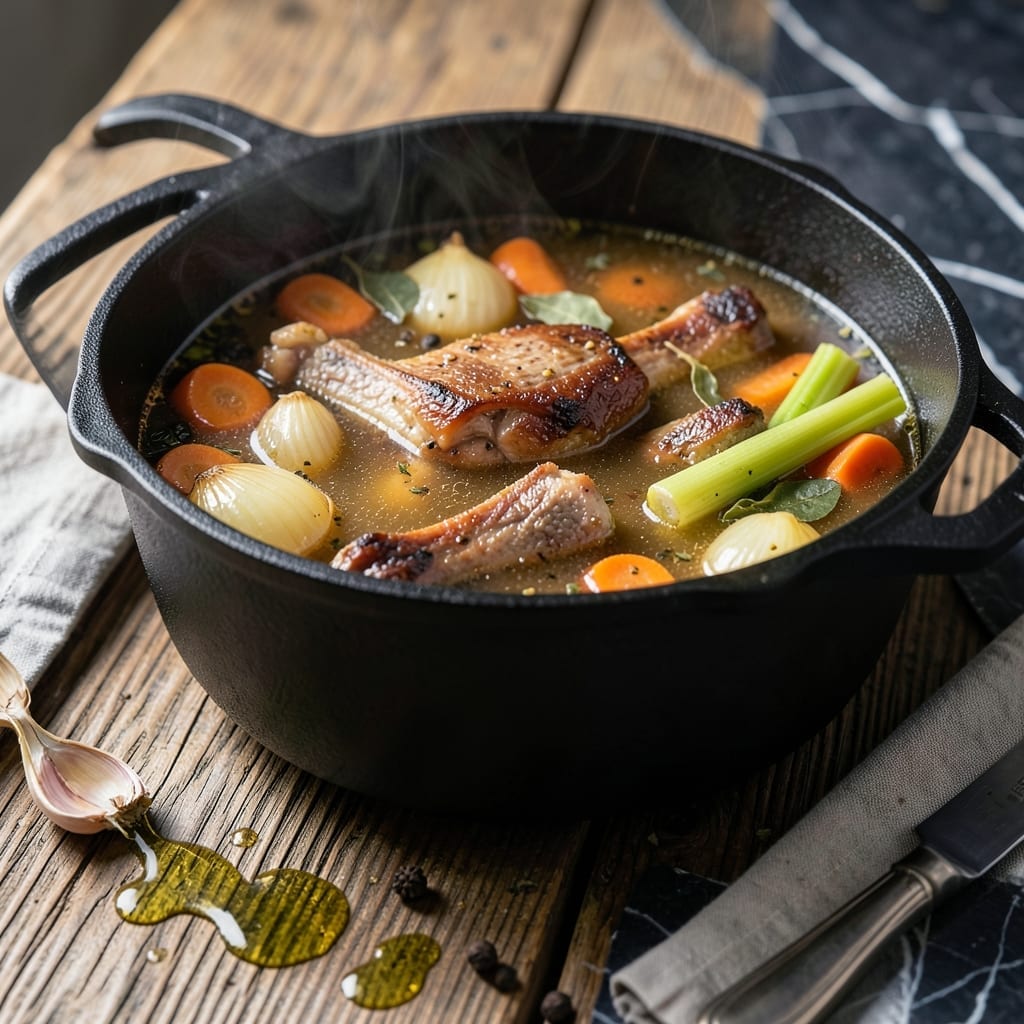
This herb-infused simmer pot transforms simple ingredients into a deeply savory broth with minimal effort. The slow cooking process extracts rich flavors from bones, vegetables, and aromatic herbs, creating a base that elevates any dish.
I developed this method to ensure consistent, restaurant-quality results at home. The key is patience—low heat and time allow the flavors to meld and intensify, resulting in a broth that’s both nourishing and packed with depth.
What emerges is a clear, golden liquid with a complex aroma and a clean, satisfying taste. It’s versatile enough for soups, risottos, or simply sipping on its own for a comforting, homemade touch.
Perfect for meal prep or a cozy weekend project. Here’s how to make it.
Ingredients for Simmer Pot Recipe Card
Transform bones, vegetables, and herbs into deeply savory restaurant-quality broth with these ingredients.
| Ingredient | Amount | Notes |
|---|---|---|
| Beef Bones 🥩 | 2 lb | Marrow or knuckle preferred |
| Chicken Bones 🍗 | 2 lb | Necks, backs, or wings |
| Yellow Onions 🧅 | 2 whole | Quartered, skin on |
| Carrots 🥕 | 3 whole | Halved, unpeeled |
| Celery Stalks 🌿 | 3 whole | Cut into large chunks |
| Garlic Heads 🧄 | 2 whole | Halved crosswise |
| Fresh Parsley 🌿 | 1 bunch | Stems included |
| Fresh Thyme 🌿 | 1 bunch | Whole sprigs |
| Bay Leaves 🍃 | 2 pieces | Dried, whole |
| Whole Black Peppercorns 🌶️ | 2 tsp | Lightly crushed |
| Kosher Salt 🧂 | 1 tbsp | Diamond Crystal preferred |
| Apple Cider Vinegar 🍏 | 2 tbsp | For brightness |
| Cold Water 💧 | 4 cups | Or enough to cover |
The bones are critical here. Ask your butcher for beef marrow and chicken backs—they’re packed with gelatin and flavor. Most Whole Foods or local butchers will save them for you if you call ahead. For vegetables, organic produce isn’t necessary, but avoid anything wilted or soft. The garlic and onions should be firm, with no green sprouts. Fresh herbs like parsley and thyme add complexity that dried simply can’t match.
No beef bones? Use all chicken bones—just increase the quantity by half. Swap carrots for parsnips if that’s what you’ve got. Dried thyme at half the amount works if fresh isn’t available, but avoid dried parsley—it’s flavorless. The vinegar can be white wine or rice vinegar if you don’t have apple cider. For extra depth, add a splash of red wine or a few mushroom stems.
This broth keeps 5 days refrigerated, but it’s best used within 3 days for peak flavor. Freeze in airtight containers for up to 6 months. Strain and cool completely before storing. Skim off any fat that solidifies on top for a cleaner finish.
Why You’ll Love This Recipe
- One Pot Wonder: I just dump the beef bones, chicken bones, onions, carrots, and celery in water and let it work its magic.
- Deep Rich Broth: The slow simmer pulls every bit of flavor from the bones and veggies into the most satisfying stock.
- Meal Prep Hero: I make a big batch on Sunday and use it all week for soups, stews, or cooking grains.
- Penny Wise: Honestly, it turns scraps and inexpensive bones into liquid gold for almost no cost.
Step-by-Step Instructions for Herb-Infused Slow-Cooked Savory Broth
Master this technique and you’ll extract maximum depth from the bones and aromatics every time.
Step 1: Roast the Beef and Chicken Bones
Preheat your oven to 400°F. Spread the 2 lb beef bones and 2 lb chicken bones on a baking sheet lined with parchment paper. Roast for 30-40 minutes, flipping halfway through, until deeply browned and caramelized.
This high-heat roasting develops the Maillard reaction, creating complex flavors that will form the foundation of your broth. The bones should turn a rich, golden brown—this indicates the collagen has begun to break down, which will later transform into gelatin, giving your broth body and richness.
Step 2: Prepare the Aromatics and Herbs
While the bones roast, quarter the 2 whole yellow onions (leave the skin on for color and depth), halve the 3 whole carrots (no need to peel), and cut the 3 whole celery stalks into large chunks. Halve the 2 whole garlic heads crosswise, exposing the cloves inside.
Lightly crush the 2 tsp whole black peppercorns with the flat side of a knife. Tie the 1 bunch fresh parsley and 1 bunch fresh thyme together with kitchen twine for easy removal later.
Step 3: Combine and Begin the Simmer
Transfer the roasted bones to a large stockpot. Add the prepared vegetables, 2 pieces bay leaves, crushed peppercorns, 1 tbsp kosher salt, and 2 tbsp apple cider vinegar. The vinegar helps extract minerals from the bones, enhancing the nutritional profile of your broth.
Pour in the 4 cups cold water (or enough to cover the ingredients by about 2 inches). Bring to a boil over high heat, then immediately reduce to a low, gentle simmer. Skim off any foam or impurities that rise to the surface during the first 30 minutes.
Step 4: Maintain a Low, Steady Simmer
Partially cover the pot and maintain a low simmer for 8-12 hours. The surface should barely shimmer, with occasional small bubbles breaking—never a rolling boil, which would cloud your broth and break down the ingredients too quickly.
Check periodically to ensure the liquid level remains consistent. If it drops too low, add a bit more water to keep the bones and vegetables submerged. The longer simmer time extracts every bit of flavor and gelatin from the bones, creating a rich, velvety texture.
Step 5: Strain and Finish
After simmering, carefully strain the broth through a fine-mesh sieve into a clean pot or large bowl. Discard all solids—they’ve given up all their goodness. Let the broth cool slightly, then skim off any fat that rises to the top if you prefer a leaner finish.
Your broth should be deep amber in color, with a rich, savory aroma and a slightly viscous texture from the gelatin. Use immediately, or store in airtight containers in the refrigerator for up to 5 days or freeze for 3 months.
Pro Tips For Making Simmer Pot Recipe Card
- Skim the Foam: In the first 30 minutes of simmering, skim off the gray foam that rises to the top—this keeps your broth clear and clean. I learned this the hard way after ending up with a murky stock that looked unappetizing.
- Roast the Bones: Toss beef and chicken bones in the oven at 400°F for 20-30 minutes until deeply browned. Sounds like an extra step, but it adds a richness to the broth that raw bones just can’t match.
- Cut Veggies Large: Chop onions, carrots, and celery into big chunks—2-3 inches at least. Smaller pieces turn to mush and cloud the broth, and nobody wants a pot of vegetable sludge.
- Simmer, Don’t Boil: Keep the heat low enough that you see gentle bubbles, not a rolling boil. After ruining a batch with aggressive heat, I now know a hard boil makes the stock bitter and greasy.
Best Sauces and Condiments for This simmer pot recipe card
Herb-Infused Drizzle
Whisk ¼ cup olive oil with 1 tbsp fresh thyme leaves from your broth bundle and 1 minced garlic clove. Drizzle over finished soups or bread for serving. The thyme deepens the broth’s herbal notes beautifully.
Citrus Finishing Oil
Combine ½ cup good olive oil with 1 tsp lemon zest and a pinch of flaky salt. Let sit for 10 minutes before drizzling over dishes. Brightens the rich broth with clean acidity. 🌟
Spicy Chili Crisp
Stir 2 tbsp chili crisp into a bowl of broth for instant heat. I love Fly By Jing or Lao Gan Ma brands. The crunchy bits add texture while the oil infuses with chili flavor.
Fresh Herb Garnish
Chop remaining parsley stems and mix with chopped chives. Sprinkle over finished dishes for freshness. Always add herbs at the end to preserve their vibrant color and aroma.
Umami Mushroom Dust
Blend dried shiitake mushrooms into a powder and sprinkle lightly over soup bowls. Add ½ tsp per serving for a deep, earthy boost that complements the simmered flavors.
This pairs especially well with the gelatinous texture of your broth. 💡
Nutrition Facts
Frequently Asked Questions
Why do I need to roast the bones first?
Roasting at 400°F for 30-40 minutes develops deep, caramelized flavors through the Maillard reaction. This creates a richer, more complex base for your broth.
Can I use a slow cooker instead of a pot?
Yes! Set it to low for 12-24 hours. The long, gentle heat extracts maximum flavor and gelatin from the bones, just like stovetop simmering.
How do I know when it’s done?
Your broth is ready when it’s deep amber in color and has a slightly viscous texture from the gelatin. The aroma should be rich and savory.
What if my broth turns cloudy?
Avoid boiling vigorously—keep it at a gentle simmer. Cloudiness often means proteins broke down too quickly. Strain through cheesecloth for a clearer finish.

- 6 Oz Chocolate Chip Cookie Recipe: Perfectly Balanced Crispy Edges and Chewy Hearts - September 25, 2026
- 6-Inch Coffee Cake Recipe: Vanilla Bean Swirls and Buttery Streusel Topping - September 25, 2026
- 1 Hour Soup Recipe: Velvety Richness Without the Wait - September 25, 2026