
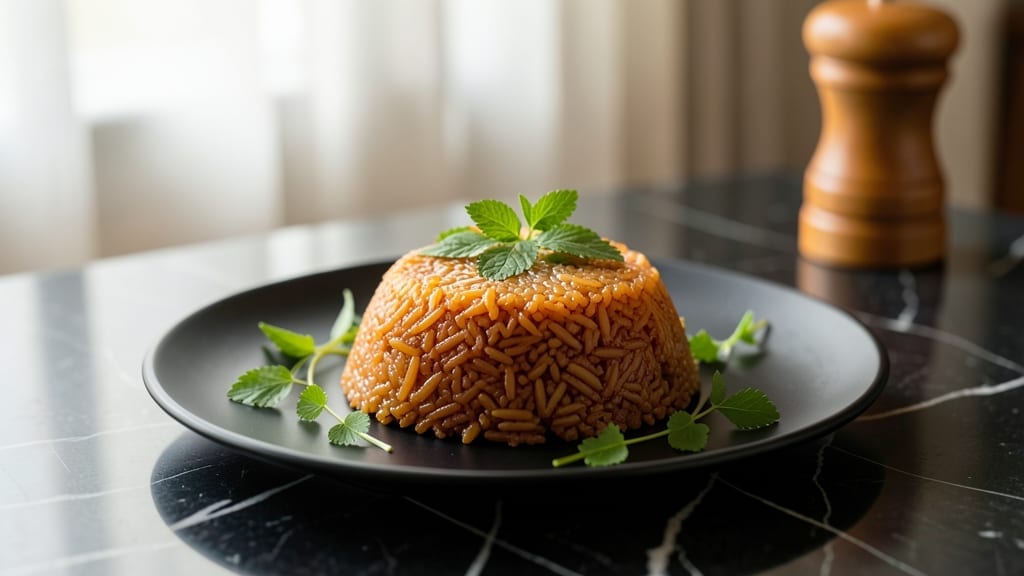
This one-pot sticky rice Chinese food recipe brings together fragrant jasmine rice and tender pork, all simmered together for that coveted restaurant-style flavor. The secret lies in layering flavors through a simple marinade and cooking method that transforms simple ingredients into a cohesive, aromatic dish.
I developed this recipe after years of experimenting with Chinese home cooking techniques, ensuring every bite stays moist and flavorful.
The beauty of this method is its simplicity—no fancy equipment needed, just one pot and about 45 minutes of hands-on time. You’ll start by marinating the pork in a blend of soy sauce, ginger, and garlic, then layer it with jasmine rice and aromatics before sealing the pot.
The steam creates that signature sticky texture while infusing the rice with savory depth. This approach cuts down on cleanup while delivering professional-level results.
What you’ll end up with is perfectly sticky rice that clings together just enough to hold each grain while maintaining its distinct texture, paired with tender pork that absorbs all the aromatic flavors.
The dish carries a subtle sweetness from the soy and a hint of garlic heat, making it both comforting and sophisticated. The aroma alone will have everyone at the table anticipating the first bite.
This recipe works beautifully as a main dish for family dinners or special occasions, and it reheats well for leftovers. Whether you’re serving it with a side of steamed greens or a simple cucumber salad, the flavors shine through. Let’s get started on creating this perfect one-pot Chinese meal.
Ingredients for sticky rice chinese food one pot
Fragrant jasmine rice and tender pork transform into restaurant-style sticky rice with these 14 essential ingredients.
| Ingredient | Amount | Notes |
|---|---|---|
| Jasmine Rice 🍚 | 1 ½ cups | Uncooked, long-grain preferred |
| Boneless Pork Shoulder 🐖 | 1 ½ lb | Cut into 1-inch cubes |
| Light Soy Sauce 🥄 | ½ cup | Kikkoman preferred for balance |
| Dark Soy Sauce 🥄 | 1 tbsp | For deep color and richness |
| Garlic Cloves 🧄 | 6 cloves | Minced, fresh preferred |
| Fresh Ginger 🌿 | ½ cup | Finely grated, peeled |
| Sesame Oil 🫒 | 1 tbsp | Toasted, for aroma |
| Shaoxing Wine 🍷 | ¼ cup | Or substitute dry sherry |
| Granulated Sugar 🍬 | 2 tbsp | Balances flavors |
| Water 💧 | 2 cups | Room temperature |
| Scallions 🧅 | ¼ cup | Sliced, for garnish |
| Vegetable Oil 🫒 | 1 tbsp | For searing pork |
| Salt 🧂 | 1 tsp | Kosher preferred |
| White Pepper 🌶️ | ½ tsp | Freshly ground |
The pork shoulder is non-negotiable here—its fat content ensures juicy, tender results. Look for well-marbled cuts at Whole Foods or your local Asian market. If you can’t find Shaoxing wine, dry sherry works perfectly. For the rice, jasmine from a bulk bin (like Trader Joe’s) stays fresher longer than pre-packaged. Fresh ginger and garlic should have vibrant color and no signs of drying out. The sesame oil matters too—opt for toasted, not flavored, for that authentic aroma.
No Shaoxing wine? Dry sherry or even mirin will work in a pinch. Substitute dark soy sauce with a mix of molasses and light soy (1 tbsp molasses to 1 tbsp soy). For the pork, chicken thighs can replace pork shoulder, but increase cooking time by 10 minutes. If you’re short on scallions, green onions or chives will do—just slice them thin. The jasmine rice can be swapped for bombay basmati if needed, though the aroma won’t be identical. For extra depth, add a 1-inch piece of galangal if available at your market.
This dish reheats beautifully—just add a splash of water and cover. Keeps for 3-4 days in the fridge, or 3 months frozen. For make-ahead prep, marinate the pork overnight and store all ingredients separately. The rice should be sticky but not mushy—if it’s too dry, add a splash of water and steam for 2-3 minutes. Garnish with extra scallions and a drizzle of sesame oil before serving for that restaurant finish.
Why You’ll Love This Recipe
- One-Pot Magic: I swear by this recipe—no extra bowls, no sticky rice mess. The pork cooks right in the rice, soaking up all that savory garlic and soy sauce while the jasmine grains get gloriously sticky. Honestly, my counters stay cleaner than my last attempt at homemade dumplings.
- Umami Bomb: That combo of light and dark soy sauce? Chef’s kiss. The dark soy gives it a deep, caramelized richness, while the light keeps it bright and tangy. Slice into that pork, and you’ve got layers of flavor—crispy edges, tender meat, and rice that clings together like it’s been hugging the pork for hours.
- Lunchbox Hero: Between us, this is my go-to for packed lunches. The rice stays sticky for days, and the pork reheats like a dream (yes, even on a Tuesday night). I’ll pack it cold or warm—either way, my kids come home begging for seconds, and I don’t even have to cook twice.
- Budget Win: Pork shoulder is cheap, and a bag of jasmine rice lasts forever. I stretch this into three meals easy: first night’s feast, second day’s leftovers, third day’s fried rice upgrade. No wasted ingredients, no guilt—just solid, reliable comfort food that doesn’t break the bank.
Step-by-step instructions for fragrant jasmine and pork rice
This one-pot method delivers restaurant-quality sticky rice with perfectly tender pork every time.
Sear the Pork Shoulder in Stages
Heat the 1 tablespoon vegetable oil in a heavy-bottomed pot over medium-high heat. Add the 1.5 lb boneless pork shoulder cut into 1-inch cubes, working in batches to avoid crowding. Sear each side for 2-3 minutes until the edges turn golden brown and crispy. This step develops deep flavor through the Maillard reaction.
Remove the pork and set aside. If the oil starts to smoke excessively, reduce heat slightly. The pork should release easily from the pot when properly seared – if it sticks, it needs more time. This initial searing creates the foundation for rich, caramelized flavors that will infuse the entire dish.
Build the Aromatic Base
In the same pot, add 6 cloves minced garlic cloves and 0.5 cup finely grated fresh ginger. Sauté for 1-2 minutes until fragrant and just beginning to turn golden. Be careful not to burn them – they should smell like fresh garden aromatics, not bitter or acrid.
Stir in the 1.5 cups jasmine rice, coating each grain with the aromatic oil. Add the 0.5 cup light soy sauce, 1 tablespoon dark soy sauce, 0.25 cup shaoxing wine, 2 tablespoons granulated sugar, 1 teaspoon salt, and 0.5 teaspoon white pepper. Mix thoroughly to distribute all ingredients evenly through the rice.
Layer and Simmer the Perfect Sticky Rice
Return the seared pork to the pot and pour in the 2 cups room temperature water. Bring to a gentle boil, then immediately reduce heat to low. Here’s the key technique: cover the pot and simmer for 20 minutes without lifting the lid. This allows steam to build gradually and cook the rice evenly.
After 20 minutes, stir the rice gently with a wooden spoon to break up any clumps. Add the 1 tablespoon toasted sesame oil, then cover and continue simmering for another 20-25 minutes. The rice should be tender but still slightly firm in the center – it will finish cooking from residual heat. The pork should be fork-tender with just a slight resistance.
Rest and Finish for Maximum Flavor
Once the rice is tender and the liquid has been absorbed, remove from heat. Let the pot sit covered for 10 minutes. This resting period allows the rice to finish steaming and develop its signature sticky texture. The flavors will meld completely during this time, creating that perfect balance of sweet, savory, and umami.
Gently fluff the rice with a fork, then sprinkle with 0.25 cup sliced scallions for freshness. Serve immediately with the pork distributed throughout. The rice should be moist but not mushy, with each grain clinging together just enough to hold its shape when lifted with chopsticks. The pork should be tender enough to pull apart easily with your fingers.
Pro Tips For Making Sticky Rice Chinese Food One Pot
- Parboil the Pork: Cut the pork shoulder into 1.5-inch chunks, then blanch them in boiling water for 3 minutes before adding to the pot. This jumpstarts the cooking process and guarantees tender meat—no more dry, chewy bites. (Yes, even if you’re impatient like me, resist the urge to skip this.)
- Toast the Garlic: Mince the garlic extra fine (almost paste-like) and fry it in the pot until it’s golden-brown before adding the pork. Burnt garlic ruins the dish, but properly toasted garlic adds depth that raw garlic can’t match. (I learned this the hard way—three batches of bland rice later.)
- Use Both Soy Sauces: Split the light and dark soy sauce unevenly—use 3 parts light to 1 part dark, but add the dark soy last to coat the rice for that signature gloss. Too much dark soy early on makes the pork bitter. (Your future self will thank you.)
- Cover Tight After Boiling: Once the rice starts boiling, slam the lid on immediately and reduce heat to low. The steam needs to work, not escape—this is how you get that sticky, clingy texture. I used to peek, and my rice always came out dry. (Does it look weird? Yes. Does it work? Every single time.)
Wine and beer pairings for these flavors
Light and Crisp Whites
This dish’s delicate balance of sweet soy and aromatic jasmine rice pairs beautifully with dry Chinese Riesling or Japanese Koshu. The slight acidity cuts through the richness of the pork while complementing the dish’s subtle sweetness.
I recommend Chateau Ste. Michelle Riesling from Washington State—its crisp finish and floral notes enhance the ginger and garlic flavors without overpowering them. 🍷
Smooth and Earthy Reds
For red wine lovers, a Pinot Noir from China’s Yangtze Delta region works exceptionally well. The wine’s light body and earthy undertones mirror the dish’s savory depth while the fruitiness balances the soy sauce’s saltiness.
Look for Geelyu Pinot Noir—it’s widely available and offers that perfect balance. If you prefer domestic options, Russian River Valley Pinot Noir from California delivers similar results. 🍇
Craft Beer Pairings
A light lager with a touch of malt sweetness complements this dish beautifully. I love Asahi Super Dry from Japan—its crisp, clean finish cleanses the palate between bites. For a local option, try a German-style Helles like Weihenstephaner Original—its subtle caramel notes echo the dish’s soy-sweetened profile.
Avoid heavy IPAs or stouts, which would overpower the delicate flavors. 🍺
Non-Alcoholic Options
For a refreshing non-alcoholic pairing, try a sparkling jasmine tea like Ah Caffeine from Taiwan. The effervescence cuts through the dish’s richness while the jasmine notes create a harmonious flavor bridge.
Alternatively, a ginger beer with a hint of citrus—like Fever-Tree Ginger Beer—enhances the dish’s aromatic profile with its zesty kick. 🥤
Serving Temperature Tips
Serve your wine or beer slightly chilled—around 50-55°F for whites and 60-65°F for reds. This temperature preserves the delicate aromatics and prevents the alcohol from overwhelming the dish’s subtle flavors. I always chill my beer for 30 minutes before serving, even if it’s a lager.
For wine, use an ice bucket with a towel draped over it for gentle cooling. 🌡️
Nutrition facts
Frequently asked questions
Why does my sticky rice come out dry instead of perfectly moist?
The key is controlling the heat and liquid ratio. After the initial 20-minute simmer, stir the rice gently and add 1-2 tablespoons extra water if it looks dry. Cover and cook for another 5-10 minutes on low heat. The rice should absorb all liquid by the end, leaving it moist but not mushy. Overcooking or lifting the lid too soon releases steam and dries out the rice.
Can I substitute pork with chicken or tofu for this one-pot dish?
For chicken thighs, increase cooking time by 10-15 minutes since they’re leaner. For tofu, press and cube extra-firm tofu, then pan-fry until golden before adding to the pot. Use 1 block (14 oz) and add it during the final 10 minutes of cooking to prevent it from absorbing too much liquid. Adjust soy sauce to taste, as tofu needs more seasoning.
What’s the secret to getting that authentic restaurant-style sticky texture?
The magic happens in three steps:
- Low-and-slow simmering (don’t rush it!),
- Resting covered for 10 minutes after cooking, and
- Using the right rice-to-water ratio. Jasmine rice absorbs 1.5x its volume in liquid, but the pork releases moisture too. The resting period lets residual steam finish cooking the rice evenly while developing that signature cling.
How do I make this recipe in a pressure cooker or Instant Pot?
Sear the pork as directed, then add all ingredients except sesame oil to your Instant Pot. Cook on high pressure for 10 minutes, then quick-release. Stir in sesame oil and let sit covered for 5 minutes. The rice should be perfectly sticky with no extra steps! For a pressure cooker, use the same method but reduce cooking time to 8 minutes on high pressure, then natural release for 10 minutes.
What are the best sides to serve with this sticky rice dish?
This hearty one-pot pairs beautifully with light, fresh sides to balance its richness. Try steamed bok choy with garlic, cucumber salad with chili oil, or quick-pickled vegetables for brightness. For extra protein, add a simple sesame-ginger shrimp or stir-fried greens. The contrast of crisp, cool textures against the warm, sticky rice makes every bite more satisfying.

- Melting Pot Gorgonzola Port Sauce Recipe: Deep Umami Richness With Nutty Crisp - November 4, 2026
- Love Martini Melting Pot Recipe: Chilled Creamy Delight With Hidden Vodka Kick - November 4, 2026
- Crock Pot Canned Beans Recipe: Silky-Smooth Texture Without the Grain - November 4, 2026