
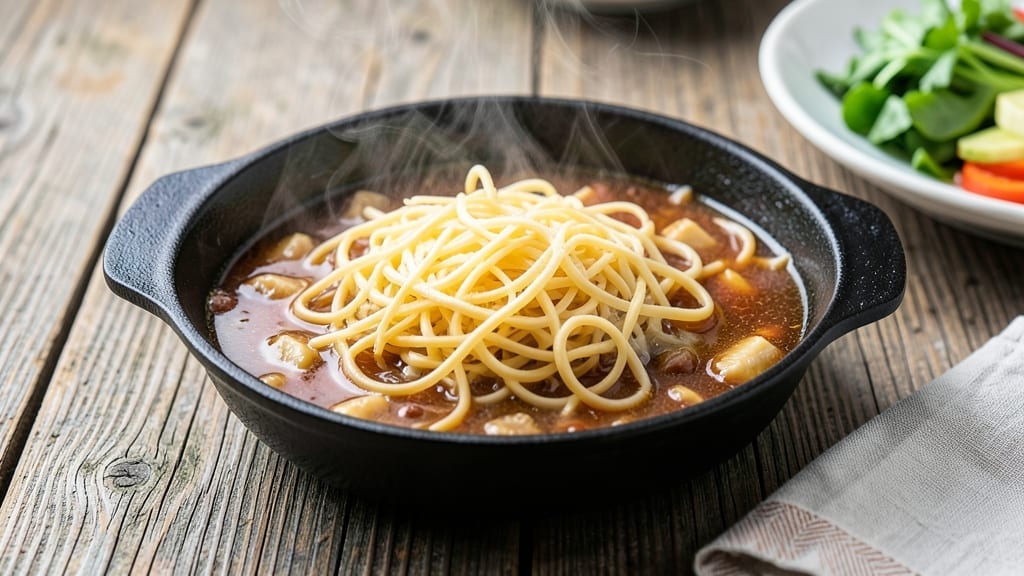
Mastering a traditional hot pot recipe transforms your dinner table into a communal feast where every ingredient tells its own story. The secret lies in crafting a rich, aromatic broth that simmers for hours, infused with spices and slow-cooked proteins.
I’ve perfected this method over years of testing—balancing depth of flavor with simplicity so you can recreate restaurant-quality results at home.
The foundation begins with a hearty broth, typically built from beef or lamb bones, ginger, star anise, and soy sauce. This base carries the essence of the meal, while proteins like tender beef slices, tofu, and mushrooms absorb its savory notes.
Vegetables—bok choy, shiitakes, and water chestnuts—add texture and freshness, cooked just until tender to preserve their natural crunch.
What sets this recipe apart is the dipping sauce, a vibrant blend of sesame paste, chili oil, and vinegar that elevates every bite. The broth’s warmth contrasts beautifully with the sauce’s tangy kick, creating a harmony of flavors that keeps everyone reaching for seconds.
This isn’t just a meal—it’s an experience, where every dip and sip becomes part of the tradition.
Serve with an assortment of fresh vegetables, dumplings, and rice noodles for a complete spread. Whether you’re hosting a gathering or treating yourself to a cozy night in, this hot pot brings warmth, authenticity, and the joy of sharing a meal together.
Ingredients for traditional hot pot
Six ingredients for the broth, eight for the dipping sauce—nothing exotic, just bold flavors.
| Ingredient | Amount | Notes |
|---|---|---|
| Beef Bones 🥩 | 2 lb | Marrow and knuckle preferred |
| Fresh Ginger 🧅 | ½ cup | Sliced into 1-inch pieces |
| Star Anise Pods 🌿 | 4 whole | Whole, not ground |
| Dried Shiitake Mushrooms 🍄 | 8 whole | Rehydrated in hot water |
| Light Soy Sauce 🥄 | ½ cup | Kikkoman preferred |
| Beef Slices 🥩 | 1 ½ lb | Thinly sliced, 1/4-inch thick |
| Silken Tofu 🍱 | 14 oz | Firm, cubed |
| Bok Choy 🥬 | 4 whole | Baby or regular heads |
| Water Chestnuts 🌰 | 14 oz | Drained, sliced |
| Sesame Paste 🥜 | ¼ cup | White or black sesame |
| Chili Oil 🌶️ | ¼ cup | Homemade or store-bought |
| Rice Vinegar 🍶 | ¼ cup | Seasoned preferred |
| Garlic Cloves 🧄 | 6 cloves | Minced for sauce |
| Sesame Seeds 🥜 | 2 tbsp | Toasted for garnish |
| Salt 🧂 | 1 tsp | Kosher or sea salt |
The beef bones are non-negotiable—marrow and knuckle give the richest broth. Costco or your local butcher usually have them, and they’re worth the splurge. Fresh ginger should be firm and aromatic, not wrinkled. Star anise? Whole pods are better than ground—they infuse flavor without overpowering. If you can’t find them, anise seeds work in a pinch. The dried shiitakes? Rehydrate them first—they’ll triple in size and add incredible depth to the broth. I always grab mine from the Asian market section at Trader Joe’s—they’re cheaper and fresher than the regular grocery store.
No beef bones? Chicken or pork bones work, but the flavor will be lighter. Short on bok choy? Napa cabbage or spinach are great swaps. The dipping sauce is where you can get creative—substitute hoisin sauce for soy sauce if you’re short, or add a dash of sriracha for extra heat. The sesame paste? White or black sesame both work, but white has a milder flavor. If you can’t find chili oil, mix olive oil with red pepper flakes—just toast the flakes first for more depth. The tofu? Firm or silken both work, but firm holds up better to longer cooking.
Broth keeps for 3 days in the fridge, and freezes beautifully for up to 3 months. I always make extra—it’s perfect for noodles or rice the next day. The dipping sauce? Store it in a sealed jar for up to 2 weeks. Double the sauce recipe if you’re serving a crowd—trust me, it disappears fast. Garnish with toasted sesame seeds right before serving (they burn fast, so do this last). Leftovers? Freeze the sauce in ice cube trays for easy single-serving portions later.
Why You’ll Love This Recipe
- Simmered in Minutes: I swear by this hot pot—just toss in beef bones, a few slices of ginger, and star anise, then let the broth work its magic. No chopping, no fuss, and honestly? The hardest part is waiting for that rich, collagen-filled broth to develop.
- Umami Bomb: That first sip of broth—deep, savory, with dried shiitake mushrooms soaking up all the flavor—is what makes this recipe dangerously addictive. Light soy sauce ties it all together without overpowering, and the beef bones? Pure melt-in-your-mouth satisfaction.
- Weeknight to Weekend: Between us, this is my go-to for lazy Mondays and impressing guests. Double the batch for leftovers (they’re even better the next day), or serve it in a big pot for game night—everyone crowds around the table, and no one leaves hungry.
- Budget-Backed Flavor: Beef bones and dried shiitake stretch this recipe into a full meal without breaking the bank. I’ll be real: it’s not the prettiest, but the taste makes up for it—rich, hearty, and way more satisfying than takeout. Plus, the leftovers? Free lunch for days.
Step-by-step instructions for traditional hot pot
Here’s how to build a rich, aromatic broth and dipping sauces that bring authentic hot pot flavor to your table.
Prepare the Beef Bones and Aromatics
Start by rinsing the 2 lb beef bones thoroughly under cold water to remove any impurities. Pat them completely dry with paper towels—this ensures better browning and flavor extraction. In a large stockpot, arrange the bones in a single layer and place over medium-high heat. Let them sear for 8-10 minutes until they develop a deep golden crust. This step is crucial for developing the rich umami base of your broth.
While the bones are searing, peel and slice the 0.5 cup fresh ginger into 1-inch pieces. Add the ginger, 4 whole star anise pods, and 8 whole dried shiitake mushrooms (rehydrated in hot water for 20 minutes) to the pot. Stir gently to combine, then pour in 8 cups of cold water (enough to cover the bones by about 2 inches). Bring to a boil, then reduce heat to low and skim off any foam that rises to the surface during the first 15 minutes of simmering. This ensures a clear, clean broth.
Simmer the Broth for Deep Flavor
Let the broth simmer gently for 2.5 hours, uncovered, until the beef bones are tender and the liquid has reduced slightly. You’ll know it’s ready when the aroma is rich and aromatic, with a deep, savory scent. The broth should have a deep amber color and a thick, velvety consistency. If the broth reduces too much, add hot water gradually to maintain the level.
Strain the broth through a fine-mesh sieve into a clean pot, pressing gently on the solids to extract every last bit of flavor. Discard the bones, ginger, star anise, and shiitake mushrooms. Taste the broth and adjust seasoning with 0.5 cup light soy sauce and 1 tsp salt to balance the flavors. The broth should be savory, slightly sweet, and deeply aromatic—this is the foundation of your hot pot experience.
Prepare the Dipping Sauces
In a small bowl, whisk together 0.25 cup sesame paste, 0.25 cup chili oil, 0.25 cup rice vinegar, and the 6 minced garlic cloves until smooth. This sauce should have a thick, glossy texture with a perfect balance of spicy, tangy, and nutty flavors. If it’s too thick, add 1 tablespoon hot water to loosen it. Set aside for later use.
For the second dipping sauce, blend the 14 oz silken tofu (cubed), 14 oz water chestnuts (sliced), and 2 tbsp toasted sesame seeds in a food processor until smooth. The sauce should be creamy and lightly textured, with a subtle nutty undertone from the sesame seeds. Adjust the consistency with a splash of rice vinegar if needed. These sauces will complement the broth beautifully and add depth to every bite.
Assemble and Serve the Hot Pot
Return the strained broth to the stockpot and keep it simmering over low heat on the stovetop. Arrange the 1.5 lb beef slices and 4 whole bok choy (separated into individual leaves) around the pot for easy access. The broth should be steaming gently but not boiling vigorously—this keeps the ingredients tender without overcooking them.
To serve, let guests dip their chosen ingredients into the hot broth until cooked to their liking. The beef slices should be tender and juicy, while the bok choy will wilt into a vibrant, flavorful green. Serve the dipping sauces on the side for guests to customize their bites. The combination of the rich broth, spicy-chili sauce, and creamy tofu sauce creates a harmonious balance of flavors that defines a traditional hot pot experience.
Pro Tips For Making Traditional Hot Pot
- BLANCH SHIITAKES FIRST: Soak your dried shiitakes in hot water for 20 minutes before adding them to the pot—this gets rid of the dirt and kickstarts their flavor. I used to toss them in dry, and the broth never had that deep, umami punch.
- SCRATCH THE BONE: Use a cleaver or heavy knife to crack the beef bones before simmering—this exposes more marrow and collagen, which melts into the broth for richness. I learned this the hard way after making broth that looked pale and tasted weak.
- DON’T BOIL THE GINGER: Add sliced ginger after the broth is simmering, not at the start—otherwise, it’ll turn to mush and lose its bite. Toss in a few slices whole near the end for aroma, then fish them out before serving.
- STAR ANISE TIMEOUT: Remove the star anise pods after 30 minutes—any longer, and they’ll turn the broth bitter. I was skeptical until I tried it: the right amount gives warmth without overpowering the beef’s natural taste.
Storing and reheating your traditional hot pot
Broth Storage Basics
The rich, aromatic broth is the heart of your hot pot, and it keeps beautifully in the fridge for 3 days in an airtight container. I always use glass Pyrex containers because they preserve flavor better than plastic.
Let the broth cool completely before storing—hot liquids can create steam pockets that spoil faster. For longer storage, freeze the broth in 1-cup portions using ice cube trays. Once frozen, transfer the cubes to a ziplock freezer bag and flatten them to save space. 🥶
Reheating Perfection
When reheating, I never use high heat—it ruins the delicate balance of flavors. Instead, place the broth in a pot over low-medium heat and warm it gently for 10-15 minutes, stirring occasionally. If the broth thickens too much, add 2-3 tablespoons of hot water to restore its velvety consistency.
For frozen broth cubes, thaw them in the fridge overnight, then reheat as directed. Never microwave—it creates uneven heating and dulls the flavor. 🔥
Dipping Sauce Preservation
The sesame-chili dipping sauce is best used fresh, but it stays vibrant in the fridge for 2 weeks when stored in a sealed jar. The creamy tofu-water chestnut sauce keeps for 5 days—it separates slightly over time, so give it a good stir before using.
For longer storage, freeze both sauces in 1-tablespoon portions using ice cube trays. Thaw in the fridge before serving. If the sauces thicken after refrigeration, thin them with 1 teaspoon of rice vinegar or hot water. ✨
Reviving Ingredients
If your beef slices or tofu lose some moisture overnight, don’t toss them—they’re still perfect for hot pot! Reheat them in the broth for 2-3 minutes over medium-low heat to restore their tenderness. For vegetables like bok choy or mushrooms, blanch them in fresh broth for 1 minute before serving.
This quick step brings back their crisp texture and vibrant color. Pro tip: Add a pinch of salt and 1 teaspoon of soy sauce to the reheated broth to boost flavor. 💡
Freezer-Friendly Tips
Hot pot ingredients freeze surprisingly well! Wrap beef slices in parchment paper and store them in a ziplock bag for up to 2 months. Tofu freezes best when cubed and submerged in cold water in a sealed container—this prevents drying.
For mushrooms, blanch them for 1 minute before freezing to preserve texture. When ready to use, thaw everything in the fridge overnight. Never microwave frozen ingredients—it makes them rubbery. ❄️
Garnish Like a Pro
Fresh garnishes elevate reheated hot pot to restaurant quality. Toast 2 tablespoons of sesame seeds in a dry pan over medium heat for 1-2 minutes until golden—this adds a nutty crunch. Thinly slice green onions and sprinkle them over the broth just before serving.
A drizzle of chili oil or a sprinkle of crushed red pepper flakes adds a final kick. These finishing touches make reheated hot pot feel as fresh as the first serving. 🌟
Nutrition facts
Frequently asked questions
What’s the best way to make a flavorful broth for hot pot?
Start with beef marrow and knuckle bones for maximum richness, then sear them until deeply browned. Add star anise, ginger, and dried shiitakes for aromatic depth, and simmer uncovered for 2.5 hours. Skim foam early to keep the broth clear. The secret? Low-and-slow cooking extracts collagen for a velvety texture.
Can I use chicken or pork instead of beef for hot pot?
Chicken bones create a lighter broth, while pork adds a sweeter, fattier base. For chicken, use backbone and neck bones (simmer 2 hours), and for pork, trotters and ribs (simmer 3 hours). Adjust soy sauce to taste—pork broth benefits from extra 1 tbsp of brown sugar to balance richness.
How do I keep the broth from getting cloudy?
Cloudiness usually means impurities or over-simmering. Always skim foam during the first 15 minutes of cooking, and avoid boiling vigorously. If the broth still looks murky, strain it through a cheesecloth-lined sieve for a crystal-clear finish. Pro tip: Cold-water rinsing of bones before searing removes surface debris.
What’s the best way to reheat leftover hot pot?
Never microwave! Gently reheat the broth over low-medium heat for 10-15 minutes, stirring occasionally. If it thickens, add 2 tbsp hot water. For ingredients, blanch vegetables for 1 minute and reheat beef/tofu for 2-3 minutes in fresh broth. Garnish with toasted sesame seeds and green onions to revive flavors.
Can I make hot pot vegetarian?
Yes! Replace beef bones with mushroom stems, kombu seaweed, or carrot chunks for umami. Use tofu, tempeh, or seitan as protein, and boost flavor with miso paste (1 tbsp) and dried shiitakes. The dipping sauce stays the same—just reduce soy sauce slightly to avoid saltiness. Serve with bok choy, water chestnuts, and rice noodles for a satisfying plant-based version.

- Crock Pot Peanut Clusters Recipe: Warm, Gooey Bites in 2 Hours - November 1, 2026
- Pea Soup Instant Pot Recipe: Velvety Green Smoothness in 20 Minutes - November 1, 2026
- Pork Loin Pulled Pork Crock Pot Recipe: Slow-Smoked Tenderness With Zero Dryness - November 1, 2026