
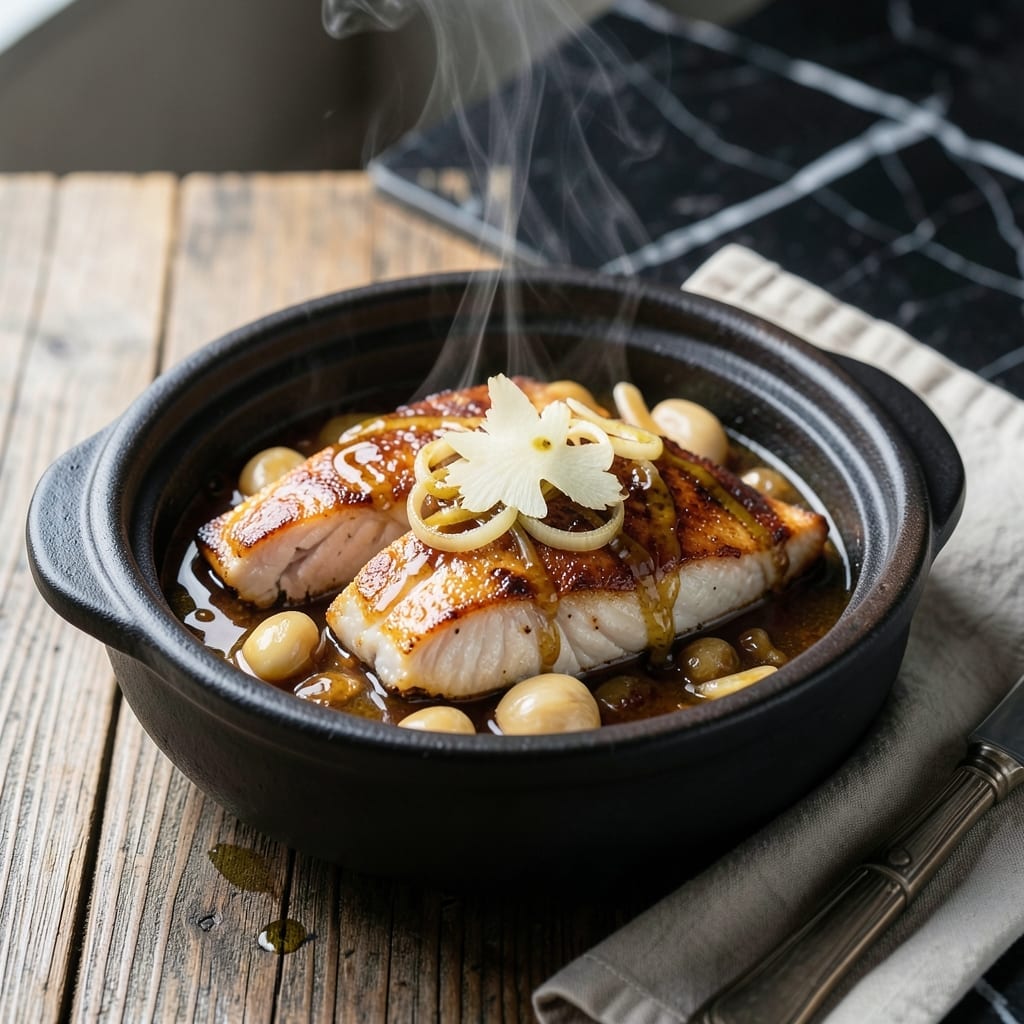
There’s something deeply satisfying about Vietnamese clay pot fish, where tender fillets meet a rich, caramelized sauce infused with aromatic herbs. This traditional dish captures the essence of balanced flavors—sweet, savory, and subtly tangy.
The secret lies in the slow simmer, allowing the fish to absorb the complex sauce while maintaining its delicate texture. A clay pot enhances the cooking process, locking in moisture and intensifying the flavors of garlic, shallots, and fish sauce.
Each bite delivers a perfect harmony of soft fish and glossy, fragrant sauce that’s ideal for serving with steamed rice. The dish is as comforting as it is flavorful, making it a standout in any meal.
Simple to prepare yet impressive in taste, this recipe brings authentic Vietnamese flavors to your table. Start with fresh fish and quality herbs for the best results.
Ingredients for Vietnamese Clay Pot Fish
Fresh fish, aromatic herbs, and a few pantry staples create this deeply flavorful dish.
| Ingredient | Amount | Notes |
|---|---|---|
| White Fish Fillets 🐟 | 1 ½ lb | Firm white fish like cod or catfish |
| Fish Sauce 💧 | 3 tbsp | Vietnamese fish sauce preferred |
| Sugar 🍚 | ½ cup | White granulated for caramelization |
| Shallots 🧅 | 4 whole | Thinly sliced for sauce |
| Garlic Cloves 🧄 | 6 cloves | Minced for depth of flavor |
| Fresh Ginger 🌿 | 1 tbsp | Finely minced or grated |
| Green Onions 🧅 | 4 whole | Sliced for garnish |
| Fresh Cilantro 🌿 | ½ cup | Roughly chopped for freshness |
| Black Pepper 🌶️ | 1 tsp | Freshly ground for best flavor |
| Vegetable Oil 🫒 | 2 tbsp | Neutral oil for cooking |
| Water 💧 | ½ cup | For adjusting sauce consistency |
| Soy Sauce 💧 | 1 tbsp | Light soy sauce for balance |
| Lime 🍈 | 1 whole | Juiced for tangy finish |
The fish matters most here. Cod or catfish hold up best to the slow simmer—avoid delicate fillets like tilapia. Red Boat fish sauce (found at Asian markets or Amazon) delivers the authentic umami depth. For the sugar, regular white granulated works perfectly for the caramelization. Fresh ginger and garlic are non-negotiable—pre-minced just doesn’t compare in flavor intensity.
No fish sauce? Soy sauce plus a pinch of MSG gets you 80% there. Shallots can be swapped for yellow onions at a 1:1 ratio, though the flavor will be slightly sharper. Out of green onions? Chives work in a pinch (use half as much). For the fish, salmon or snapper make great alternatives—just adjust cooking time as they’re thicker.
The sauce actually improves overnight. Store leftovers in an airtight container in the fridge for up to 3 days. Reheat gently on the stove—microwaving can make the fish rubbery. The herbs are best added fresh just before serving, so store cilantro and green onions separately until ready to eat.
Why You’ll Love This Recipe
- One Pan Wonder: I toss in the fish, shallots, and garlic, then let the clay pot do the work—minimal cleanup, maximum flavor.
- Sweet-Savory Magic: The fish sauce and sugar caramelize into this sticky, crave-worthy glaze that clings to the tender fish.
- Weeknight Hero: Honestly, it’s my go-to for busy evenings when I need something quick but still packed with restaurant-worthy taste.
- Budget-Friendly Feast: A few affordable ingredients stretch to feed four, and leftovers (if any) reheat beautifully the next day.
Step-by-Step Instructions for Vietnamese Clay Pot Fish
Master the technique for this caramelized dish with balanced sweet, salty, and aromatic flavors.
Step 1: Caramelize the Sugar Base
Heat 2 tbsp vegetable oil in a heavy-bottomed pot or clay pot over medium heat. Add the 0.5 cup sugar and let it melt undisturbed. I watch for the edges to turn amber first, then gently stir to create an even deep golden caramel.
This step requires patience—don’t rush with high heat. The sugar should dissolve completely before browning begins. If it starts smoking, you’ve gone too far; remove from heat immediately to prevent bitterness that would ruin the dish.
Step 2: Build the Aromatic Sauce Foundation
Once the caramel reaches a rich copper color, immediately add the 4 whole shallots, 6 cloves garlic cloves, and 1 tbsp fresh ginger. Stir constantly for 2-3 minutes until the shallots soften and turn translucent.
The caramel will harden when it hits the cooler ingredients, but it will remelt as you stir. Add the 3 tbsp fish sauce, 1 tbsp soy sauce, and 1 tsp black pepper. Pour in the 0.5 cup water and simmer for 3 minutes to create a glossy, thickened sauce.
This is where the magic happens—the fish sauce adds umami depth while the soy sauce provides balance. The sauce should coat the back of a spoon when ready.
Step 3: Poach the Fish Fillets
Gently add the 1.5 lb white fish fillets to the simmering sauce. Spoon the hot liquid over the fish to ensure even cooking. Cover and cook for 6-8 minutes on medium-low heat until the fillets are opaque and flake easily with a fork.
Don’t stir the fish—this can break the delicate fillets. Instead, occasionally baste them with the sauce. The fish is done when it reaches an internal temperature of 145°F and the thickest part separates cleanly with minimal resistance.
Step 4: Finish and Garnish
Remove from heat and squeeze the juice from the 1 whole lime over the fish. Stir gently to distribute the bright citrus notes throughout the sauce. Taste and adjust seasoning if needed, though the balance should be perfect.
Transfer to a serving dish and garnish with the 4 whole green onions and 0.5 cup fresh cilantro. The herbs add a fresh contrast to the rich caramelized sauce. Serve immediately with steamed rice to soak up every last bit of the flavorful liquid.
Pro Tips For Making Vietnamese Clay Pot Fish
- Preheat the Clay Pot: Always heat your clay pot for 5 minutes before adding oil—this prevents the fish from sticking and helps create that perfect caramelized crust on the sauce.
- Score the Fish: Lightly score the fish fillets in a crosshatch pattern before cooking; it lets the fish sauce and sugar marinade penetrate deeper and cook more evenly.
- Balance the Sauce: Taste your fish sauce and sugar mixture before adding it to the pot—I learned this the hard way after ending up with a dish that was way too salty.
- Use Fresh Shallots: Skip the pre-minced shallots and finely slice fresh ones; they release a sweeter, more aromatic flavor that pre-packaged versions just can’t match.
Wine and Beer Pairings for This Dish
Crisp White Wines
A dry Riesling from Washington State cuts through the rich caramelized sauce beautifully. Its bright acidity and citrus notes balance the sweet-savory profile. I love how the 12-13% ABV doesn’t overpower the delicate fish. 🍷
Light Beers
Vietnamese lagers like Bia Saigon are perfect—their light body and subtle maltiness complement without competing. For craft options, a pilsner with crisp finish works wonderfully. The carbonation cleanses your palate between bites.
Rosé Pairings
A Provence-style rosé with its dry profile and red fruit notes enhances the dish’s complexity. Look for bottles with 12.5% ABV or less. The subtle berry flavors harmonize with the ginger and garlic in the sauce.
Asian-Inspired Cocktails
For something different, try a lychee martini with vodka and a splash of lime. The floral sweetness mirrors the caramelized sugar while the citrus echoes the lime garnish. Shake with ice for a refreshing contrast.
Non-Alcoholic Options
Sparkling yuzu soda offers citrusy brightness that matches the lime finish. Alternatively, jasmine green tea (chilled) provides a floral, aromatic complement to the herbs. Both enhance rather than distract from the flavors.
Nutrition Facts
Frequently Asked Questions
What kind of pot can I use if I don’t have a clay pot?
A heavy-bottomed pot like a Dutch oven works perfectly. It retains heat similarly and prevents burning. Just ensure it has a tight-fitting lid for even cooking.
How do I prevent the caramel from burning?
Cook sugar over medium heat and avoid stirring until it starts to melt. Swirl the pan gently for even color. Remove from heat immediately if it begins to smoke.
Can I use a different type of fish?
Yes! Salmon or snapper work well but may need 1-2 extra minutes to cook through. Avoid delicate fish like tilapia, as they can fall apart.
How do I store leftovers?
Keep in an airtight container in the fridge for up to 3 days. Reheat gently on the stove—microwaving can make the fish rubbery.

- 4C Bread Crumbs Meatballs Recipe: Crispy Crust and Juicy Centers - September 25, 2026
- 6 Oz Chocolate Chip Cookie Recipe: Perfectly Balanced Crispy Edges and Chewy Hearts - September 25, 2026
- 6-Inch Coffee Cake Recipe: Vanilla Bean Swirls and Buttery Streusel Topping - September 25, 2026