
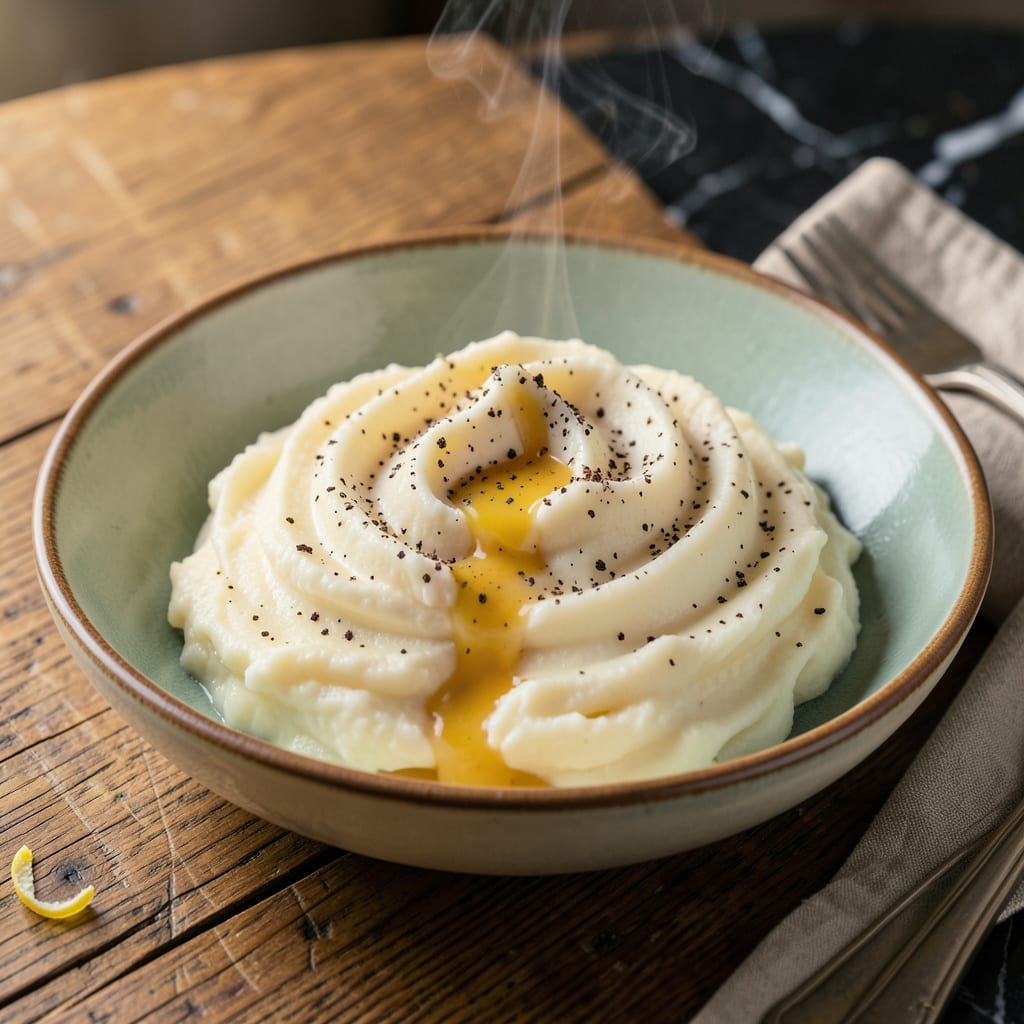
Achieving perfectly whipped mashed potatoes requires more than just boiling and mashing—it’s about technique. This recipe delivers the ideal balance of creaminess and lightness, transforming simple ingredients into a side dish that rivals any restaurant version. The secret lies in proper potato selection and precise timing during the whipping process.
What sets these mashed potatoes apart is their cloud-light texture, achieved through a combination of warm dairy and careful whipping. Whether serving with holiday roasts or weeknight meals, this method ensures consistently smooth, creamy results every time. The recipe scales easily for both intimate dinners and large gatherings.
Ingredients for Whipped Mashed Potatoes
These carefully selected ingredients transform humble potatoes into restaurant-quality whipped mashed perfection with cloud-light texture.
| Ingredient | Amount | Notes |
|---|---|---|
| Russet Potatoes 🥔 | 2 ½ lb | Peeled and cut into 1-inch cubes |
| Heavy Cream 🥛 | ¾ cup | Warm to room temperature |
| Whole Milk 🥛 | ½ cup | Warm to room temperature |
| Unsalted Butter 🧈 | ½ cup | Cut into small cubes, softened |
| Kosher Salt 🧂 | 1 ½ tsp | Diamond Crystal preferred |
| Freshly Ground Black Pepper 🌶️ | ½ tsp | Coarsely ground for texture |
| Garlic Cloves 🧄 | 3 cloves | Minced or pressed |
| Fresh Chives 🌿 | 2 tbsp | Finely chopped for garnish |
| Sour Cream 🥄 | ¼ cup | Full-fat for creaminess |
| Nutmeg 🌰 | 0.125 tsp | Freshly grated preferred |
| Bay Leaf 🍃 | 1 whole | For potato boiling water |
Potato selection is critical for optimal texture. Russet potatoes provide the ideal starch content for fluffy results, while Yukon Golds offer creamier consistency if preferred. The dairy components must be full-fat and warm—cold dairy causes gumminess. For professional results, use European-style butter (82% fat content) like Plugrá or Kerrygold. The kosher salt should be Diamond Crystal for precise seasoning control, as its larger crystals dissolve evenly during whipping.
Substitutions require careful consideration to maintain texture. Half-and-half can replace heavy cream at a 1:1 ratio, though with slightly less richness. For dairy-free versions, coconut cream works but imparts flavor. The sour cream may be substituted with full-fat Greek yogurt (strained if watery). Nutmeg is optional but recommended—mace provides similar warmth at half the quantity. Garlic powder (1 tsp) can replace fresh garlic in emergencies, though fresh offers superior aroma.
Prepared mashed potatoes hold 3-4 days refrigerated in airtight containers, though texture is best immediately after whipping. For make-ahead, prepare through mashing, then reheat with additional warm milk while whipping to restore creaminess. The dish does not freeze well—starches separate upon thawing. Garnish with chives just before serving to preserve their vibrant color and fresh flavor. Bay leaf should be removed immediately after boiling to prevent bitterness.
Why You’ll Love This Recipe
- One-Pot Magic: I swear by this for lazy cooking days—just boil the russets in one pot, drain, then whip everything together right there. No fancy tools, no extra bowls, and honestly? The cleanup is faster than ordering takeout.
- That First Bite: When warm butter meets cold heavy cream in the hot potatoes, it creates this velvety richness that’s almost ridiculous. I’ve caught people closing their eyes mid-bite—it’s that kind of simple-but-spectacular flavor.
- Budget-Friendly Luxury: Russets are cheap, butter stretches far, and a little cream goes a long way. I’ve fed six people for under $5 with this, and no one ever guesses it’s the most affordable thing on the table. Between us? It tastes like a steakhouse side.
Step-by-Step Instructions for Whipped Mashed Potatoes
Follow this professional technique to achieve restaurant-quality texture with perfect consistency every time.
Step 1: Prepare and Boil the Potatoes
Place the 2.5 lb Russet Potatoes (peeled and cut into 1-inch cubes) in a large pot and cover with cold water by 2 inches. Add the 1 whole Bay Leaf and 1.5 tsp Kosher Salt to the water. The bay leaf infuses subtle aroma while the salt seasons the potatoes from within.
Bring to a rolling boil over high heat, then reduce to medium and simmer for 15-20 minutes until the potatoes are fork-tender but not falling apart. Test by piercing a cube with a fork—it should slide in easily with minimal resistance. Drain immediately in a colander and return the potatoes to the warm pot.
Remove the bay leaf and discard. Place the pot back on the stove over low heat for 1-2 minutes, shaking occasionally, to evaporate any remaining moisture. This step is crucial for preventing watery mashed potatoes. The potatoes should appear dry and slightly fluffy around the edges.
Step 2: Heat the Dairy Components
While the potatoes cook, combine the 0.75 cup Heavy Cream and 0.5 cup Whole Milk in a small saucepan. Warm over medium-low heat for 3-4 minutes until just steaming—do not boil. The ideal temperature is 160-170°F, warm enough to melt butter but not scald the dairy.
In a separate microwave-safe bowl, heat the 0.5 cup Unsalted Butter (cut into small cubes) in 15-second intervals, stirring between each, until about 75% melted. There should still be some small butter pieces visible. This gradual melting prevents the butter from separating or becoming greasy when incorporated.
Add the 3 cloves Garlic Cloves (minced) to the warm cream mixture and let steep for 5 minutes off the heat. This infuses the dairy with garlic flavor without the risk of burning. Strain out the garlic pieces if you prefer a smoother texture, or leave them in for more pronounced flavor.
Step 3: Incorporate Ingredients for Optimal Texture
Using a potato ricer or food mill, process the dried potatoes directly into the warm pot. If you don’t have these tools, a hand masher works, but avoid overworking the potatoes. Add the warmed cream mixture in a slow, steady stream while stirring constantly with a wooden spoon.
Immediately add the partially melted butter and continue stirring until fully incorporated. The residual heat will complete the melting process. Fold in the 0.25 cup Sour Cream and 0.125 tsp Nutmeg, stirring just until combined. The sour cream adds tangy depth while the nutmeg provides warm background notes.
At this stage, the mashed potatoes should be creamy but still slightly rustic in texture. Avoid using an electric mixer at this point, as it can make the potatoes gluey. The mixture should hold its shape when spooned but still have visible texture from the potato pieces.
Step 4: Whip to Cloud-Like Consistency
Using a hand mixer on medium speed, whip the potatoes for 1-2 minutes until light and fluffy. Watch for the texture to transform from dense to airy, with visible peaks forming when you lift the beaters. Be careful not to overmix—stop as soon as you achieve a cloud-like consistency.
Season with the 0.5 tsp Freshly Ground Black Pepper, then taste and adjust salt if needed. The kosher salt added to the boiling water should provide sufficient seasoning, but different potato varieties may require slight adjustments. The pepper should be visible as small flecks throughout the potatoes.
For the smoothest texture, press a piece of plastic wrap directly onto the surface of the potatoes to prevent a skin from forming. This also helps maintain the whipped texture during the brief resting period before serving.
Step 5: Finish and Serve
Just before serving, reheat the potatoes gently if needed by placing the pot over low heat and stirring constantly for 2-3 minutes. Be careful not to let them get too hot, as this can cause the dairy to separate. The ideal serving temperature is 160°F—hot but not scalding.
Transfer to a warmed serving bowl and create decorative swirls with the back of a spoon. Sprinkle with the 2 tbsp Fresh Chives (finely chopped) for a pop of color and fresh onion flavor. The chives should be added at the very last moment to preserve their bright green color and delicate flavor.
Serve immediately while still steaming. The texture should be ultra-creamy with just enough body to hold its shape when scooped. Each bite should deliver the rich dairy flavors balanced by the subtle garlic and nutmeg undertones, with the fresh chives providing a bright finish.
Wine and Beer Pairings for This Dish
Classic White Wines
A well-chilled Chardonnay with moderate oak complements the creamy texture beautifully. I recommend Meiomi Chardonnay for its balanced vanilla notes that enhance the butter and sour cream. The wine’s crisp acidity cuts through the richness without overpowering the subtle garlic and nutmeg flavors. 🍷
Rich Red Options
For red wine lovers, a Pinot Noir with bright cherry notes works surprisingly well. Try La Crema Monterey Pinot Noir—its silky texture mirrors the potatoes’ creaminess while the fruit flavors provide a refreshing contrast. Avoid heavy tannins that would clash with the dish’s delicate balance.
Crisp Beer Pairings
A German Pilsner like Stiegl Radler offers the perfect effervescent cleanse between rich bites. The light citrus notes complement the chives while the carbonation refreshes your palate. For something darker, a Dunkelweizen brings caramel undertones that harmonize with the nutmeg. 🍺
Creamy Beer Alternatives
If you prefer malty beers, a Milk Stout such as Left Hand Nitro creates an indulgent pairing. The velvety mouthfeel echoes the potatoes’ texture while chocolate notes add depth. Serve slightly cooler than room temperature to maintain the creamy contrast.
Non-Alcoholic Options
For a sophisticated alcohol-free pairing, try sparkling apple cider with a squeeze of lemon. The bubbles and acidity mimic champagne’s palate-cleansing effect. I love Martinelli’s Gold Medal—its natural sweetness balances the savory potatoes without being cloying.
Dessert Wine Surprise
An unexpected but delightful match is a Moscato d’Asti like Saracco. The light effervescence and stone fruit flavors create a beautiful contrast to the creamy dish. This works particularly well if you’ve added extra garlic, as the wine’s sweetness tempers the pungency. ✨
Nutrition Facts
Frequently Asked Questions
What’s the best potato for extra fluffy results?
Russet potatoes are ideal for their high starch content, creating that cloud-like texture. Yukon Golds work too but yield creamier (less fluffy) results. Avoid waxy varieties like red potatoes—they become gluey when whipped.
Can I make these ahead of time?
Prepare through mashing, then refrigerate in an airtight container for 3-4 days. Reheat gently with 2-3 tbsp warm milk while whipping to restore creaminess. Avoid freezing—starches separate and become grainy when thawed.
Why did my potatoes turn out gummy?
Overworking releases too much starch! Use a potato ricer instead of a mixer until the final whipping stage. Also ensure dairy is warm (not cold) and potatoes are fully drained before mashing. Pro tip: Heat the empty bowl first to keep potatoes warm.
What’s the secret to restaurant-style smoothness?
Warm all dairy to 160-170°F and add it slowly while stirring. The final 1-2 minute whip with a hand mixer creates air pockets for that signature lightness. Never skip drying the potatoes in the pot after boiling—this removes excess moisture.

- 6-Month-Old Smash Cake Recipe: Tiny Bites of Celebration Magic - September 25, 2026
- 3 Layer Spice Cake Recipe: Warm Vanilla, Chocolate, and Spiced Swirls - September 25, 2026
- 4 Serving Mac and Cheese Recipe: Ultra-Creamy Bake With Crispy Breadcrumbs - September 25, 2026