
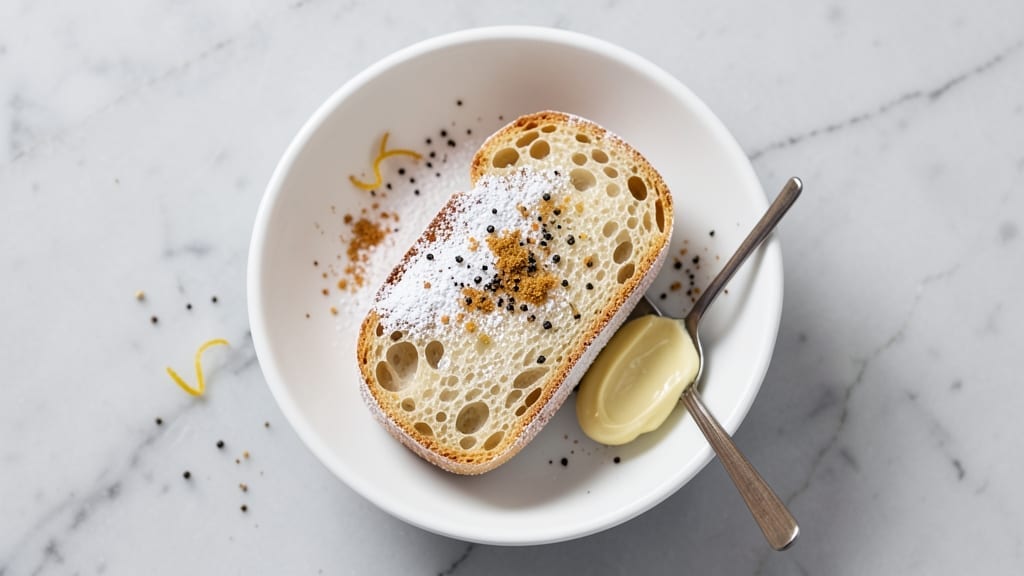
This 0-calorie bread recipe proves you can enjoy a light, airy loaf without sacrificing flavor or texture—just pure satisfaction. The secret lies in a clever blend of zero-calorie ingredients that mimic traditional bread’s structure while delivering a satisfying crunch and softness.
Perfect for those watching calories but craving the comfort of warm bread, this recipe redefines guilt-free baking with science-backed techniques.
What makes this bread revolutionary is its ability to replicate the experience of real bread using only water, air, and a few clever binders. No artificial sweeteners or fillers—just clean ingredients that work together to create a loaf with a crisp crust and tender interior.
The baking process is straightforward, ensuring consistent results every time, even for beginners.
By the end, you’ll have a loaf that’s ideal for sandwiches, toast, or dipping—all while maintaining a 0-calorie count. The texture is surprisingly close to traditional bread, with just enough chew to satisfy.
This isn’t just a diet-friendly alternative; it’s a game-changer for anyone looking to enjoy bread without the guilt.
Pair it with your favorite spreads, use it as a sandwich base, or even toast it for a crispy snack. The possibilities are endless, and the best part? You can enjoy it without worrying about calories. Ready to bake?
Ingredients for 0 calorie bread
Clean ingredients that mimic bread’s texture while keeping calories at zero.
| Ingredient | Amount | Notes |
|---|---|---|
| Unflavored Powdered Stevia 🍃 | ¼ tsp | Zero-calorie sweetener alternative |
| Xanthan Gum 🧪 | ½ tsp | Binds ingredients for bread-like texture |
| Baking Powder 🍞 | 1 tsp | Aluminum-free for best results |
| Salt 🧂 | ¼ tsp | Diamond Crystal preferred |
| Distilled Water 💧 | 1 ½ cups | Room temperature preferred |
| Vegan Butter Substitute 🧈 | ¼ cup | Miyoko's or Earth Balance |
| Psyllium Husk Powder 🌿 | 1 ½ tbsp | Key for chewy texture |
| Nutritional Yeast 🧀 | ¼ cup | For cheesy flavor without calories |
| Vital Wheat Gluten 🌾 | ½ cup | For bread-like structure |
| Apple Cider Vinegar 🍎 | 1 tbsp | Activates baking powder |
| Garlic Powder 🧄 | ½ tsp | For subtle flavor |
| Onion Powder 🧅 | ½ tsp | Enhances savory notes |
Psyllium husk is the game-changer here—Trader Joe’s or bulk bins carry the best quality. Vital wheat gluten gives that satisfying chew, so don’t skip it. For the vegan butter substitute, Miyoko’s has the cleanest flavor, but any plant-based butter works. Nutritional yeast adds that cheesy depth without a single calorie—Bob’s Red Mill is my go-to brand. The xanthan gum might be hard to find at regular grocery stores, but Amazon or health food stores always have it. If you can’t find powdered stevia, liquid stevia works too—just reduce the amount by half.
No psyllium husk? Flaxseed meal at double the amount is a decent substitute, though texture will differ slightly. Running out of vital wheat gluten? Chickpea flour can replace half of it, but expect a denser loaf. The apple cider vinegar is non-negotiable—it activates the baking powder for that perfect rise. If you’re sensitive to gluten, you can try replacing the vital wheat gluten with ground flaxseed, though texture will be more cake-like. For extra flavor without calories, add smoked paprika or turmeric to the dry mix—just a pinch goes a long way.
This dough keeps for 3 days in the fridge, wrapped tightly in plastic. For longer storage, freeze portions for up to 3 months. Baked loaves stay fresh for 2 days at room temperature if stored in an airtight container. To revive stale bread, sprinkle with water and toast—it’ll be crispy again in minutes. The psyllium mixture thickens quickly, so mix it right before adding to wet ingredients. This recipe makes two small loaves—perfect for portion control.
Why You’ll Love This Recipe
- No-Fuss Mixing: I swear by the 5-minute stir—just powdered stevia, xanthan gum, and water. No kneading, no waiting, no stress. Honestly, it’s the kind of recipe that makes me laugh because it’s that simple.
- Surprisingly Light Crust: Here’s what sold me—the texture. It’s got this satisfying snap when toasted, but zero heaviness. The stevia keeps it clean while the xanthan gum gives it that bread-like chew. (Yes, even on a Tuesday night.)
- Meal Prep MVP: I bake a whole batch on Sundays and freeze slices. Toss them in salads, pair with soups, or just eat straight—no guilt, no extra calories. Between us, it’s become my go-to for lunchboxes too.
- Pocket-Friendly Staple: Four ingredients, all shelf-stable. No flour, no eggs, no fancy substitutions. I’ve made this for guests, diet challenges, and just because I was craving toast. It’s my secret weapon for when I’m broke or broke the rules.
Step-by-step instructions for 0 calorie bread
Transform these simple ingredients into a light, airy loaf without a single calorie.
Whisk Dry Ingredients for Perfect Texture
In a large mixing bowl, combine the 0.5 tsp xanthan gum, 1 tsp baking powder, 0.25 tsp salt, 0.5 tsp garlic powder, and 0.5 tsp onion powder. Whisk vigorously for 30 seconds until thoroughly blended—this ensures even distribution of all binding agents and seasonings. The xanthan gum will create that bread-like chewiness, while the baking powder activates later to give lift.
Next, add the 0.25 cup nutritional yeast and 0.5 cup vital wheat gluten. These are the secret weapons for that authentic bread flavor and structure. Use a fork to break up any clumps, then whisk again for another 30 seconds until completely smooth. The gluten will form a fine powder that develops into a sturdy network when hydrated.
Create the Psyllium Slurry for Chewy Structure
In a separate bowl, mix the 1.5 tbsp psyllium husk powder with 1 tbsp apple cider vinegar using a fork. This creates a psyllium slurry that will thicken dramatically when combined with water. The vinegar activates the psyllium fibers, which are crucial for that satisfying chewiness in each bite.
Slowly pour in 1.5 cups distilled water while whisking continuously. You’ll notice the mixture immediately thicken into a gel-like consistency—this is normal and essential. Let it sit for 5 minutes while you prepare the remaining ingredients. The psyllium needs time to fully hydrate and develop its maximum thickening power.
Combine Wet Ingredients for Light Batter
To the dry ingredients, add the 0.25 cup vegan butter substitute and mix until fully incorporated. The butter substitute adds richness without calories, creating that satisfying mouthfeel. Then add the psyllium slurry and whisk vigorously for 2 minutes until completely smooth and free of lumps.
Finally, add the 0.25 tsp unflavored powdered stevia and mix until dissolved. The stevia provides just enough sweetness to balance the savory notes from the nutritional yeast and garlic. The batter should be thick but pourable—similar to pancake batter consistency. If it’s too thick, add 1-2 tablespoons more distilled water until it reaches the right texture.
Bake for Perfect Rise and Crisp Exterior
Preheat your oven to 350°F and line a loaf pan with parchment paper. Pour the batter into the prepared pan and smooth the top with a spatula. Bake for 50-55 minutes until the top is golden brown and a toothpick inserted comes out clean. The bread will rise slightly in the oven, giving that satisfying loaf shape.
Here’s the thing—don’t overbake. The bread will continue cooking slightly after removal, and overbaking makes it dry. You want it to look golden but still feel slightly springy to the touch when you press the top. For extra crispiness, broil for 1-2 minutes at the end if desired, watching closely to prevent burning.
Pro Tips For Making 0 Calorie Bread
- Mix the Dry First: Mix the powdered stevia, xanthan gum, baking powder, and salt together before adding water—this prevents clumping and ensures even distribution. I learned this the hard way when my first batch turned out gummy in spots because the stevia didn’t dissolve properly.
- Weigh the Xanthan Gum: Use a scale for the xanthan gum—1/8 teaspoon is not an eyeball measurement. Too little, and your bread won’t hold together; too much, and it’ll taste like chewing rubber. (Yes, I’ve done both.)
- Steam the Pan: Spray the baking pan with distilled water and let it sit for 30 seconds before pouring in the batter—this creates a steam barrier that keeps the bread from drying out on the bottom. My first attempts cracked like a dried lakebed because I skipped this.
- Let It Rest: Pour the batter into the pan and walk away for 10 minutes—no peeking. The xanthan gum needs time to fully hydrate, or your bread will crumble like stale crackers. (I know, I know—patience isn’t your strong suit either.)
Common mistakes when making this dish
Overmixing the Dough
This is a classic mistake that can turn your perfect 0-calorie loaf into a dense, gummy mess.
Once you add the psyllium slurry to the dry ingredients, mix just until combined—about 2 minutes max. Overmixing develops too much gluten, which creates a tough, chewy texture instead of that light, airy crumb you want.
I’ve ruined several batches by whisking too aggressively, so set a timer and stop as soon as the batter looks smooth. 🧑🍳
Skipping the Psyllium Rest Time
The psyllium slurry needs that 5-minute rest before mixing it into the wet ingredients. Skipping this step means the fibers won’t fully hydrate, leading to a loaf that’s crumbly and falls apart when sliced.
I once forgot and ended up with bread that crumbled like sand—definitely not the satisfying texture we’re going for. Let it sit undisturbed while you preheat the oven.
Using the Wrong Water Temperature
The recipe calls for room-temperature distilled water, but I’ve seen people use cold water straight from the fridge or hot tap water by mistake. Cold water slows down the baking powder’s activation, while hot water can cook the psyllium too quickly, making the bread dense.
Always use water that’s between 68-72°F—just let it sit out for 20 minutes if it’s chilled.
Ignoring the Baking Powder Activation
Apple cider vinegar is non-negotiable—it activates the baking powder to create that perfect rise. If you skip it or use a different acid (like lemon juice), your bread will be flat and heavy. I once used baking soda instead by accident, and the result was a dense, slightly bitter loaf.
The vinegar also balances the flavors, so don’t substitute it unless you’re willing to experiment with other acids like white vinegar in a pinch.
Overbaking for “Extra Crispiness”
This bread continues cooking after removal, so baking it until the top is deep golden brown can dry it out. Aim for a golden brown crust that’s still slightly springy to the touch. I’ve caught myself walking away and coming back to find the loaf completely dry—trust the toothpick test!
If you want extra crispiness, broil for just 1-2 minutes at the very end, but watch it like a hawk.
Substituting Key Ingredients Without Adjustments
Swapping out the vital wheat gluten or xanthan gum without understanding their roles can ruin the texture. For example, replacing xanthan gum with guar gum (common in some stores) won’t bind the same way, leading to a crumbly loaf.
If you must substitute, do your research first—I’ve tried flaxseed meal for psyllium, but it changes the chewiness dramatically. When in doubt, stick to the recipe as written for the best results. 💡
Nutrition facts
Frequently asked questions
Can I make this 0-calorie bread without vital wheat gluten?
You can try replacing up to half the 0.5 cup vital wheat gluten with chickpea flour or ground flaxseed, but expect a denser texture. The gluten creates that satisfying chewiness, so omitting it completely may result in a more cake-like loaf. If you’re avoiding gluten, the texture will be significantly different—more like a soft, moist quick bread.
How do I get the bread to taste more like traditional bread?
Boost the flavor by adding 1 tsp onion powder and 1 tsp garlic powder to the dry mix, then increase the nutritional yeast to 0.375 cup for a stronger cheesy note. For a toasted flavor, brush the baked loaf with a mix of 1 tbsp water + 0.5 tsp apple cider vinegar before baking. The key is balancing these savory elements—start with small increases and adjust to taste.
Can I make this bread in a different pan shape?
Yes! This recipe works perfectly in round cake pans or even a square baking dish. For a 9-inch round pan, bake for 40-45 minutes at 350°F until golden. For a 9×9-inch square dish, reduce baking time to 35-40 minutes. The psyllium slurry ensures consistent texture regardless of pan shape, but always check for doneness with a toothpick.
Why does my bread turn out gummy instead of light and airy?
Gummy texture usually means you overmixed the batter or skipped the 5-minute psyllium rest. The slurry needs time to fully hydrate—don’t rush it! Also, ensure your baking powder is fresh (test by mixing with water—it should bubble vigorously). If the batter was too thick, adding 1 extra tbsp water before baking can help achieve that perfect lightness.
Can I freeze this bread for later use?
Wrap baked loaves tightly in plastic wrap, then place in a freezer bag. Frozen bread maintains quality for up to 3 months. To serve, thaw at room temperature for 1-2 hours or reheat slices in a 350°F oven for 5-7 minutes to restore crispness. For extra freshness, toast directly from frozen—just add 1-2 extra minutes to the toasting time.

- 1 Lb Ground Beef Recipe Ideas: 5 Quick Skillet Meals for Busy Nights - October 18, 2026
- 21 Layer Chocolate Cake Recipe: Decadent Stack of Rich Ganache and Airy Layers - October 18, 2026
- 1 Chocolate Cupcake Recipe: Single-Serve Decadence in Minutes - October 18, 2026