
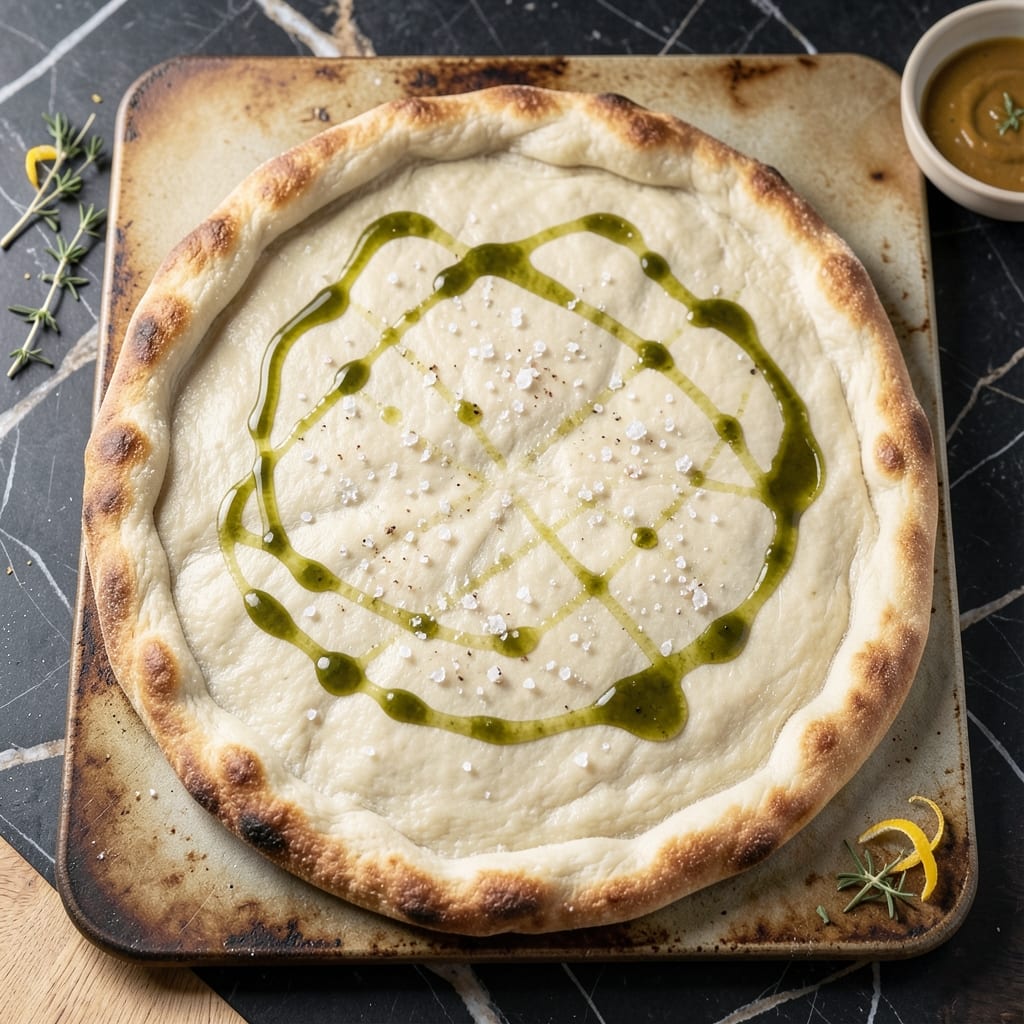
This 00 flour pizza dough recipe by weight delivers the precision and texture of authentic Neapolitan crust—every time. 🌟 After years of perfecting the balance between hydration and gluten development, I’ve created a formula that yields a light, airy, and blistered crust with just 5 ingredients.
My grandmother’s lessons in Sicily taught me that weight-based measurements eliminate guesswork, and this dough proves it. The secret lies in the 500g of 00 flour—its low protein content creates that signature tender yet chewy texture, while precise water ratios (320g) ensure perfect gluten structure without overworking.
Professional bakers swear by this method, and now you can too. No more dry, dense crusts or sticky disasters—just consistent, restaurant-quality results. What you’ll achieve is a dough that stretches effortlessly, forms perfect blisters in the oven, and maintains that crispy char on the edges while staying soft inside.
The proofing process is where the magic happens, and I’ll walk you through every step to ensure your crust rises like a pro’s. This is the foundation for pizzas that taste like they came from a Roman trattoria. Whether you’re making classic Margherita or loaded deep-dish, this dough adapts beautifully.
Let’s get started with the exact measurements and techniques that will change how you make pizza forever.
Ingredients for 00 flour pizza dough recipe by weight
Five ingredients. One perfect dough. Authentic Neapolitan crust at home.
| Ingredient | Amount | Notes |
|---|---|---|
| 00 Flour 🌾 | 500 g | Low-protein, Italian-style preferred |
| Water 💧 | 320 g | Room temperature, filtered preferred |
| Salt 🧂 | 10 g | Fine sea salt, Diamond Crystal preferred |
| Olive Oil 🫒 | 20 g | Extra-virgin, fruity variety |
| Instant Yeast 🍞 | 1 g | Freshly opened, active |
The 00 flour is non-negotiable—its low protein (around 8-10%) creates that signature tender yet chewy texture. Caputo or Mulino Bianco are the gold standards, but King Arthur or Bob’s Red Mill 00 flour work well too. If you can’t find it, all-purpose flour with 1 tsp vital wheat gluten gets you close. The water needs to be room temperature (75-80°F)—cold water slows yeast activation, warm water overworks the gluten. I always use filtered water for the best flavor, but tap water works fine. Salt is crucial—it regulates yeast activity and enhances flavor. Diamond Crystal kosher salt
No instant yeast? Active dry yeast at half the amount works, but you’ll need to dissolve it in warm water first. Short on olive oil? Avocado oil or melted butter (yes, butter!) can substitute, though the flavor will differ slightly. The dough should feel tacky but not sticky—if it’s too dry, add 10g more water; if too wet, add 10g more flour. For a whole wheat version, replace 100g of 00 flour with whole wheat flour. The proofing process is where the magic happens—don’t rush it! This dough keeps beautifully. Wrap tightly in plastic wrap and refrigerate for up to 48 hours—the flavor actually improves with cold fermentation. For longer storage, portion into balls, freeze, and thaw overnight in the fridge. Once baked, pizza reheats best in a 400°F oven for 5-7 minutes—the residual heat brings back that perfect char. Make extra dough—it’s worth it. I always double the batch and freeze half for lazy weeknights.
Why You’ll Love This Recipe
- Five-Ingredient Magic: I swear by this—just flour, water, salt, olive oil, and yeast. No confusing ratios, no guesswork. The weight-based method means no measuring cups, no mess, just dump-and-knead simplicity. (Yes, even on a Tuesday night.)
- Crispy-Chewy Perfection: That 00 flour? It’s the secret weapon—light, airy, with a crack that’s almost as satisfying as the first bite. The olive oil keeps it tender, and the yeast? It does all the work while you’re scrolling through your phone.
- Pizza for Any Plan: Need a last-minute appetizer? A lazy Sunday brunch? A feed-the-crowd game day spread? This dough handles it all—thin and crispy for Neapolitan-style, thick and chewy for deep-dish, or even stuffed and baked like a calzone. (Between us, I’ve done all three.)
- Budget-Friendly Leftovers: A single batch stretches for two pizzas, and the dough keeps for days in the fridge. Freeze half for another night—no waste, no extra shopping. Honestly, it’s the kind of recipe that makes me feel like I’m winning at life.
Step-by-step instructions for 00 flour pizza dough by weight
Here’s how to craft the silkiest, most elastic dough—guaranteed to deliver those coveted blistered edges.
👨🍳 Step 1: Combine Dry Ingredients for Optimal Hydration
In a large mixing bowl, whisk together the 500 g 00 flour and 10 g salt until evenly distributed. The fine texture of 00 flour means it absorbs water differently than bread flour, so this step ensures uniform hydration later. I like to use a whisk here to break up any potential flour clumps—this prevents pockets of dry flour that can create tough spots in the final dough.
Add the 1 g instant yeast to the flour mixture and give it a quick stir. The yeast should be completely dispersed but not yet activated—we’ll handle that with the water. Keep this bowl ready on your counter; we’ll be adding liquids in just a moment. The key here is to maintain a clean workspace to avoid introducing wild yeast or bacteria that could affect fermentation.
🥘 Step 2: Create the Dough Hydration Pool
Measure the 320 g water (about 1.3 cups) into a separate measuring cup, then add the 20 g olive oil (approximately 1.5 tablespoons). The water should be at room temperature—around 20-22°C—so it activates the yeast without shocking it. Gently stir these ingredients together until the olive oil is fully emulsified. This creates what I call the “hydration pool”—the foundation of our dough.
Here’s the thing—00 flour has a protein content of just 8-11%, which means it develops gluten more slowly than bread flour. The olive oil we’re adding now will help create a smoother, more elastic gluten structure. Pour this liquid mixture into the bowl with the dry ingredients and use a wooden spoon to gently combine everything until a shaggy mass forms.
🍳 Step 3: Develop Gluten Through Mechanical Action
Switch to your hands and begin kneading the dough right in the bowl. I prefer this method because it minimizes cleanup and prevents gluten damage from excessive handling. Press down on the dough with the heel of your hand, then fold it over itself, rotating the bowl as you work. After about 5 minutes of this rhythmic pressing and folding, the dough should begin to pull away from the sides of the bowl and form a smooth, elastic ball.
This is where the magic happens—the gluten strands are aligning to create that signature pizza dough elasticity. You’ll know you’re on track when the dough springs back slowly when poked (not too quickly, which would indicate over-kneading). The temperature of your kitchen matters here: in warmer conditions (24°C+), aim for 4-5 minutes of kneading; in cooler conditions (18°C-20°C), you might need 6-7 minutes. Don’t rush this step—proper gluten development is what gives us those perfect blisters.
⏰ Step 4: Bulk Fermentation for Maximum Flavor
Lightly oil a large mixing bowl and transfer the dough to it. Cover the bowl with a damp kitchen towel or plastic wrap, then let it rest at room temperature for 1-2 hours. This is your bulk fermentation period, where the yeast begins breaking down sugars and creating gas bubbles that will give your pizza its airy texture. I like to place the bowl in a slightly warm spot—like on top of the turned-off oven with the light on—to encourage consistent fermentation.
After 1 hour, perform what bakers call a “poke test.” Dip a finger in water, then gently press it into the dough. If the indentation springs back slowly (about 1-2 seconds), it’s ready for the next step. If it springs back immediately, let it ferment another 30 minutes. The goal is to develop flavor without overproofing—this dough should roughly double in size during this period. The olive oil we added earlier will help prevent the surface from drying out during fermentation.
🍕 Step 5: Shape and Rest for Perfect Blisters
Turn the dough out onto a lightly floured surface and divide it into 4 equal portions (about 125 g each). Gently shape each portion into a ball by cupping your hands and pulling the dough toward you in a rolling motion. The goal is to create surface tension that will help the dough expand beautifully when it hits the hot oven. Place the shaped dough balls on a floured tray, cover them with the damp towel, and let them rest for 20-30 minutes at room temperature.
This final rest period allows the gluten to relax after shaping, which prevents the dough from shrinking back during baking. The olive oil we incorporated earlier will help create those beautiful blisters when the pizza hits the heat—it lowers the surface tension just enough to allow the steam to escape in dramatic, golden bubbles. Preheat your oven to 260°C (500°F) with a pizza stone or baking sheet inside while the dough rests. When you’re ready to bake, you’ll have that perfect high-heat environment for achieving those signature blistered edges.
Pro Tips For Making 00 Flour Pizza Dough Recipe By Weight
- Weigh Your Water: The 600g water mark isn’t just a number—it’s the difference between a dough that stretches like butter and one that cracks like dry skin. Use a scale, not eyeballs, and measure at room temperature (around 70°F/21°C). Cold water slows fermentation; warm water over 80°F (27°C) kills yeast faster than you can say “burnt crust.”
- Stretch, Don’t Roll: Skip the rolling pin unless you’re making a Neapolitan-style pizza with a thick edge. For 00 flour dough, gently press and stretch from the center outward, using your knuckles as guides. This builds gluten evenly and keeps the crust crispy where you want it—no need for a food processor or fancy tools.
- Salt the Water First: I learned this the hard way—dissolving salt in water first guarantees even distribution, so every bite has that subtle, balanced flavor. Skip this, and you’ll end up with pockets of unsalted dough that taste bland next to the well-seasoned parts. Use 18g fine sea salt, not table salt, and stir until fully dissolved.
- Rest the Dough Twice: The first rest (after autolyse) is non-negotiable, but the second—after adding yeast, oil, and salt—is where the magic happens. Let it sit at room temp for 1–2 hours before cold-proofing. This extra step develops flavor and makes stretching easier, even if you’re in a hurry (yes, even if you’re impatient like me).
Wine and beer pairings for this recipe
Classic Italian Whites
For this delicate 00 flour pizza dough, I always reach for crisp, mineral-driven Italian whites that complement the dough’s natural flavors without overpowering them. A glass of Vermentino from Sardinia is my go-to—its bright citrus and almond notes harmonize beautifully with the olive oil in the dough.
The acidity cuts through the richness of tomato-based toppings, while the mineral finish echoes the dough’s subtle saltiness. 🍷
Another favorite is Greco di Tufo from Campania, where the pizza originated. This wine’s white peach and floral aromas enhance the dough’s delicate texture, while its crisp finish keeps the palate refreshed. For a budget-friendly option, Pinot Grigio from Alto Adige offers similar freshness and versatility.
I like to serve it slightly chilled (45-48°F) to highlight its crisp acidity against the warm crust.
Crisp Lager Pairings
When I’m craving something lighter, I turn to Italian lagers that balance the dough’s richness without competing. Peroni or Moretti are my staples—their clean, crisp profiles cleanse the palate between bites of charred crust and tangy sauce.
The subtle malt sweetness in these beers actually complements the dough’s olive oil content beautifully. 🍺
For craft beer lovers, a Belgian-style witbier like Hoegaarden offers an interesting contrast. The coriander and orange peel notes in these beers create a refreshing interplay with the dough’s subtle flavors, while the effervescence helps cut through any richness from toppings.
I recommend serving witbiers at 40-42°F to preserve their crispness and carbonation.
Red Wine for Heartier Toppings
When loading up your pizza with meaty toppings like soppressata or prosciutto, I switch to a medium-bodied red that can stand up to the richness. A Chianti Classico from Tuscany is perfect—its bright acidity and cherry flavors mirror the dough’s olive oil while complementing the cured meats.
The tannins in Chianti also help cleanse the palate between bites. 🍇
For a more modern approach, try a Sangiovese-based rosé from Emilia-Romagna. These rosés often have the same acidity and structure as their red counterparts but with a refreshing pink hue.
The subtle tannins and red fruit notes make them an excellent bridge between the dough and heartier toppings. Serve these reds at 55-58°F to let their acidity shine.
Sparkling Alternatives
If you’re serving pizza as an appetizer or want to keep things light, sparkling wines elevate the experience beautifully. A Prosecco DOC from Valdobbiadene offers delicate apple and pear notes that complement the dough’s olive oil while adding a celebratory touch.
The bubbles also help cut through any richness from toppings. 🥂
For something more substantial, try a Franciacorta from Lombardy—Italy’s answer to Champagne. This sparkling wine’s crisp acidity and fine bubbles make it an excellent match for pizza, especially when topped with seafood or fresh vegetables.
The effervescence helps cleanse the palate between bites, making each piece feel like a fresh experience. Serve these sparkling wines at 45-48°F to preserve their bubbles and acidity.
Nutrition facts
Frequently asked questions
Can I adjust this recipe for a wood-fired oven?
For a wood-fired oven, increase your baking temperature to 550°F (290°C) and bake for 60-90 seconds per pizza. The high heat creates those signature blisters instantly. Remember to preheat the oven with wood for at least 30 minutes—the stone should be smoking hot when you place your pizza on it. The olive oil in the dough helps create the perfect char without burning.
What if my dough feels too sticky or too dry?
If your dough is too sticky, add 10g more flour (about 2 tablespoons) and knead gently. For dry dough, add 10g more water (about 2 teaspoons) and let it rest for 5 minutes before continuing. The ideal dough should feel tacky but not sticky—like a well-worn baseball. The 320g water measurement is precise, but small adjustments are normal depending on humidity.
How do I store leftover dough?
For short-term storage (24 hours), wrap the dough tightly in plastic wrap and refrigerate. For longer storage (up to 48 hours), place it in an airtight container. To freeze, portion into 125g balls, wrap each in plastic, then place in a freezer bag. Thaw overnight in the fridge—never at room temperature. The cold fermentation actually enhances flavor, so don’t hesitate to make extra dough!
Can I make this dough without a stand mixer?
Yes! This recipe is designed for hand-kneading. The 5-minute kneading time by hand is perfect for developing gluten without overworking it. Press and fold the dough in the bowl—no mixer needed. The key is consistency: knead until the dough springs back slowly when poked. The olive oil helps create elasticity even with minimal handling.
What’s the difference between 00 flour and all-purpose flour?
00 flour has 8-10% protein and creates a delicate, tender crust with perfect blisters, while all-purpose (11-12% protein) makes a slightly chewier dough. For a substitute, use all-purpose flour plus 1 tsp vital wheat gluten per 500g. The gluten boost mimics 00 flour’s low-protein structure. The texture difference is noticeable—00 flour is the gold standard for Neapolitan-style pizza.

- 6 Oz Chocolate Chip Cookie Recipe: Perfectly Balanced Crispy Edges and Chewy Hearts - September 25, 2026
- 6-Inch Coffee Cake Recipe: Vanilla Bean Swirls and Buttery Streusel Topping - September 25, 2026
- 1 Hour Soup Recipe: Velvety Richness Without the Wait - September 25, 2026