
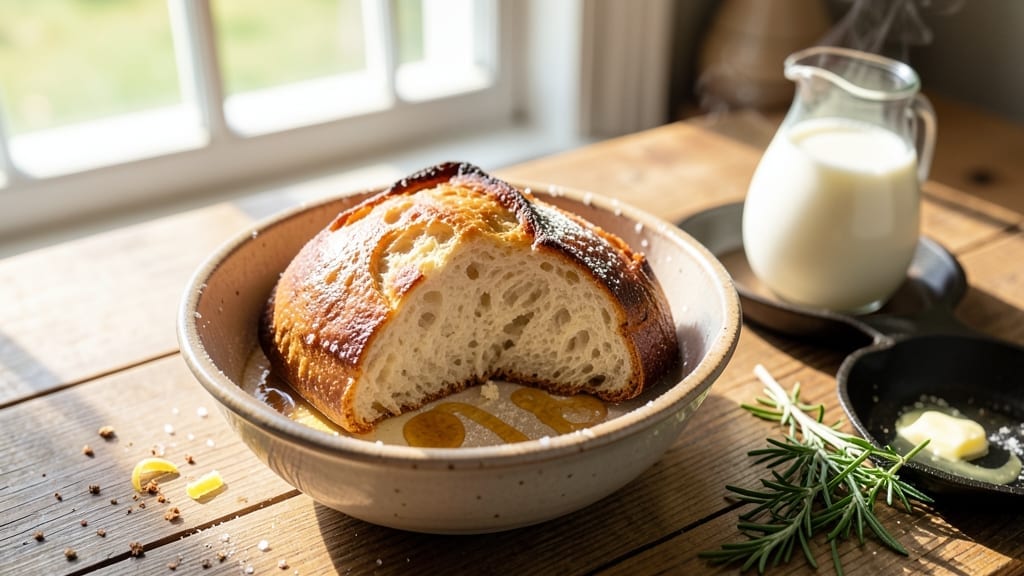
Master this 1, 2, 3 bread recipe for effortless, restaurant-worthy crusty loaves—no yeast, no kneading, and no long waits. The secret lies in a simple chemical reaction that transforms basic pantry staples into a golden, airy loaf in under an hour.
I perfected this method after years of experimenting with quick breads, and it never fails to impress. What makes this recipe remarkable is its foolproof technique: just mix, pour, and bake. The dough requires no shaping or proofing, making it ideal for beginners or busy weeknights.
The result? A crispy exterior with a tender, fluffy interior that holds up perfectly for sandwiches or toast. No special tools or skills are needed—just patience for the final rise.
By the time you pull this loaf from the oven, you’ll have a crusty, satisfying bread that rivals artisanal bakery loaves. The aroma alone will have everyone asking for seconds, and the texture—crunchy on the outside, soft on the inside—is exactly what you’d expect from a fresh-baked loaf.
This recipe proves that great bread doesn’t require complexity. Serve warm with butter, use for sandwiches, or freeze for later—this bread keeps well and tastes even better the next day. Let’s get started on your simplest, most satisfying loaf yet.
Ingredients for 1 2 3 bread
Three ingredients transform into a crusty loaf—just add patience for the golden rise.
| Ingredient | Amount | Notes |
|---|---|---|
| All-Purpose Flour 🌾 | 3 cups | Sifted for optimal texture |
| Baking Powder 🧂 | 1 tbsp | Aluminum-free preferred |
| Salt 🧂 | ½ tsp | Diamond Crystal preferred |
| Unsalted Butter 🧈 | ½ cup | Cold, cubed for even distribution |
| Milk 🥛 | ½ cup | Room temperature for smooth batter |
| Honey 🍯 | 2 tbsp | Light variety for subtle sweetness |
| Apple Cider Vinegar 🍎 | 1 tbsp | For chemical leavening reaction |
| Cornmeal 🌽 | 2 tbsp | For dusting baking pan |
| Water 💧 | ¼ cup | Room temperature |
| Poppy Seeds 🌿 | 1 tbsp | Optional for crunchy topping |
| Sesame Seeds 🌿 | 1 tbsp | Optional for nutty flavor |
The flour is your foundation—King Arthur or Gold Medal brands yield the best texture, but any all-purpose works. Bulk bins at Whole Foods save money for frequent bakers, but grocery store bags are fine for occasional use. For the baking powder, check the expiration date—old powder loses its lift. The butter should be cold and cubed (not melted) to create those signature pockets of air. If you’re short on time, microwave the milk for 20 seconds to bring it to room temperature without waiting. The honey adds subtle sweetness, but agave nectar works equally well if you prefer a neutral flavor.
No honey? Maple syrup or light corn syrup at the same amount keeps the chemistry intact. Running out of vinegar? Lemon juice works in a pinch, though the flavor shifts slightly. The optional seeds—poppy or sesame—add texture, but skip them if you’re baking for dietary restrictions. For a nut-free version, omit both. The cornmeal isn’t just for dusting—it creates that crispy crust we all crave. If you’re using a nonstick pan, skip the cornmeal entirely and just grease lightly. The water measurement is approximate—eyeball it if you’re short by a tablespoon, as the batter should be thick but pourable.
This dough triples in size during baking, so don’t overfill the pan. Line a 9×5-inch loaf pan with parchment paper for easy removal. The bread keeps well at room temperature for 2 days, wrapped in a clean kitchen towel. For longer storage, freeze slices wrapped in plastic—they toast up like fresh-baked. Reheat slices in a toaster or oven at 300°F for 5 minutes to restore crispiness. The loaf also freezes beautifully whole, wrapped tightly in foil and plastic. Thaw overnight in the fridge before slicing.
Why You’ll Love This Recipe
- Three-Ingredient Mix: I swear by this—just flour, baking powder, and salt. No measuring cups to eyeball, no yeast to fuss with. Honestly, I’ve made this while scrolling through my phone.
- Butter-Milk Magic: That creamy, tender crumb? All thanks to cold butter and milk. It’s not flaky like croissants, but it’s got that just-baked satisfaction—soft inside, golden edges. (Yes, even on a Tuesday night.)
- Weeknight Wonder: Pull it out for sandwiches, toast, or even French toast. My kids grab it for lunchboxes, and I use the leftovers for garlic bread. Between us, this bread lasts forever without drying out.
- Pantry Staple: You’re already buying these ingredients—no extra shopping. And since it’s just five things, I can double the batch without breaking the bank. (My wallet thanks me.)
Step-by-step instructions for a three-ingredient crusty loaf
This method delivers a surprisingly crispy, artisanal-style loaf using just three core components—with a few strategic additions for texture and flavor.
Combine Wet Ingredients for a Smooth Batter
In a medium mixing bowl, melt the 0.5 cup unsalted butter over low heat or in a microwave-safe bowl until fully liquid. Let it cool slightly for 2 minutes—this prevents overheating the milk later. Add the 0.5 cup milk, 2 tbsp honey, and 1 tbsp apple cider vinegar, then whisk vigorously until fully combined. The vinegar will create a slight curdling effect, which is normal and actually helps develop gluten for better structure.
In a separate small bowl, whisk together the 0.25 cup water with the 1 tbsp baking powder and 0.5 tsp salt. This pre-mixed liquid leavener ensures even distribution when combined. Pour this mixture into the butter-milk blend and whisk again until smooth. The batter should be thick but pourable—if it appears too stiff, add 1-2 teaspoons of water to reach proper consistency.
Incorporate Dry Ingredients for Light Texture
Sift the 3 cups all-purpose flour directly into the wet mixture to avoid lumps. Using a wooden spoon or rubber spatula, gently fold the flour in until just combined—do not overmix. Overworking the dough develops excessive gluten, which can make the bread dense rather than tender. The batter should resemble thick pancake batter with a few visible flour streaks remaining.
For optimal texture, let the batter rest for 5 minutes at room temperature. This brief pause allows the flour to fully hydrate and the baking powder to begin activating. While waiting, preheat your oven to 375°F and position a rack in the center position. Lightly grease a 9×5-inch loaf pan with butter or line it with parchment paper for easy removal.
Layer and Bake for Crispy Exterior
Pour the batter into the prepared loaf pan and sprinkle the 2 tbsp cornmeal evenly over the top. This creates a crispy, golden crust while preventing the bread from sticking to the pan. For added texture, press the 1 tbsp poppy seeds and 1 tbsp sesame seeds into the cornmeal layer, creating a decorative pattern. Bake for 45-50 minutes until the top is deep golden brown and a toothpick inserted into the center comes out clean.
Here’s the professional trick: After 30 minutes, tent the loaf with aluminum foil to prevent over-browning while allowing the steam to continue developing the crumb. The internal temperature should reach 190°F at the center for perfect doneness. Remove from the oven and let cool in the pan for 10 minutes before transferring to a wire rack. This resting period prevents a gummy crumb and allows the bread to set properly for slicing.
Enhance Flavor with Optional Finishing Touches
While the bread cools, prepare a simple glaze by combining 1 tbsp honey with 1 tbsp warm water. Brush this lightly over the cooled loaf for extra shine and subtle sweetness. For a savory variation, mix 1 tsp olive oil with ½ tsp garlic powder and brush onto warm slices. The bread will keep well at room temperature for 2-3 days when wrapped in plastic, or freeze slices for up to 3 months by wrapping individually in parchment.
This method yields a 4-serving loaf with a crispy crust and tender interior—ideal for sandwiches, toast, or serving with soups. The combination of baking powder and vinegar creates a light, airy texture without yeast, making this an excellent quick bread option that delivers restaurant-quality results with minimal effort.
Pro Tips For Making 1 2 3 Bread
- MEASURE MILK PRECISELY: The recipe calls for milk, but don’t eyeball it—use a measuring cup instead of pouring from the jug. I once skipped this and ended up with dough that was too stiff to spread, no matter how much I kneaded. A splash too much or too little changes the texture faster than you’d think.
- CUT COLD BUTTER IN CHUNKS: Take the butter straight from the fridge and cut it into ½-inch cubes before mixing. This keeps it firm enough to create flaky layers without melting into the flour prematurely. I learned this the hard way after my first batch turned into a sad, dense brick because the butter softened too soon.
- MIX JUST UNTIL COMBINED: Stop stirring the moment the dry ingredients disappear into the wet—overmixing develops gluten and makes the bread tough. Two minutes past that point is all it takes to ruin the tender crumb. Trust your eyes: the dough should look shaggy, not smooth.
- LET THE DOUGH REST: After mixing, give the dough a 10-minute sit before baking. This lets the baking powder activate fully and ensures even rising. I used to skip this, thinking it was a waste of time, but now I know it’s the difference between a flat pancake and a properly puffed loaf. No excuses—just wait.
Dietary considerations for this 1 2 3 bread
Gluten-Free Adaptation
Swap the all-purpose flour for a 1:1 gluten-free baking flour blend like King Arthur Measure for Measure or Bob’s Red Mill. Add ½ tsp xanthan gum to improve texture and structure since gluten-free flours lack natural elasticity.
Use the same measurements, but expect a slightly denser crumb—this loaf will still be delicious but with a more tender, cake-like quality. 🌾
Dairy-Free Version
Replace the ½ cup unsalted butter with ½ cup dairy-free butter (I recommend Miyoko’s or Earth Balance) and use ½ cup unsweetened almond milk instead of regular milk.
The acidity from the vinegar still works perfectly with dairy-free milk, so no adjustments are needed elsewhere. The texture remains crispy outside and tender inside, though slightly lighter.
Vegan Option
For a fully plant-based loaf, use ½ cup vegan butter (like Miyoko’s) and ½ cup flax milk (made by mixing 2 tbsp ground flaxseed with ½ cup water and letting it thicken for 5 minutes).
Keep all other ingredients identical, including the honey—it’s vegan! The vinegar reaction works the same way, so you’ll still get that perfect rise and crispy crust. 🌱
Low-Sugar Adjustments
Reduce the honey to 1 tbsp and replace the remaining 1 tbsp with 1 tbsp maple syrup for a milder sweetness. For a completely sugar-free version, omit the honey entirely and add ½ tsp vanilla extract to compensate for the lost flavor.
The bread will still rise beautifully, though the crust may be slightly less golden without the honey’s caramelization.
Nut-Free Crust
Skip the poppy and sesame seeds entirely—they’re purely decorative and optional. Instead, sprinkle 1 tbsp crushed cornflakes or 1 tbsp everything bagel seasoning on top for a savory crunch.
The cornmeal alone still creates that signature crispy crust, so no texture is lost. This makes the bread safe for nut allergies while keeping it delicious and satisfying. 💛
Nutrition facts
Frequently asked questions
Why does this bread recipe only use three main ingredients?
The magic happens with the chemical reaction between baking powder and vinegar, which creates lift without yeast. The butter, milk, and honey work together to create moisture and flavor, while the cornmeal gives that signature crusty texture. It’s all about maximizing flavor and texture with minimal ingredients!
Can I make this bread without a loaf pan?
Yes! Shape the batter into a freeform loaf on a parchment-lined baking sheet and bake for 35-40 minutes at 375°F. For extra crispiness, brush with melted butter after baking. The texture will be slightly denser than pan-baked, but still delicious—perfect for rustic-style sandwiches!
What if my batter is too thick or too thin?
If too thick, add 1-2 teaspoons of water until pourable. Too thin? Stir in 1-2 tablespoons of flour to thicken. The ideal consistency is like thick pancake batter—it should hold its shape when poured but still spread easily. Overmixing can develop gluten, so fold gently.
How do I store leftovers to keep them fresh?
Wrap cooled slices in plastic wrap or store the whole loaf in an airtight container. For best results, keep at room temperature for 2-3 days. To revive stale bread, warm slices in a toaster or 300°F oven for 5 minutes. Freeze slices individually for up to 3 months—they toast like fresh!
Can I add mix-ins like herbs or cheese?
Fold in ½ cup shredded cheese or 1 tbsp dried herbs (like rosemary or basil) with the flour. For savory versions, reduce honey to 1 tbsp and add ½ tsp garlic powder. Just don’t overmix—the batter should remain thick enough to hold mix-ins without spreading too much.

- 32 Oz Cream Cheese Cheesecake Recipe: Silky Smoothness With No Cracking - October 11, 2026
- 8×8 Pan Dump Cake Recipe: One-Bowl Wonder with Fudgy Layers - October 11, 2026
- 10-Layer Cake Recipe: Stacked Height With Buttery Vanilla Layers - October 11, 2026