
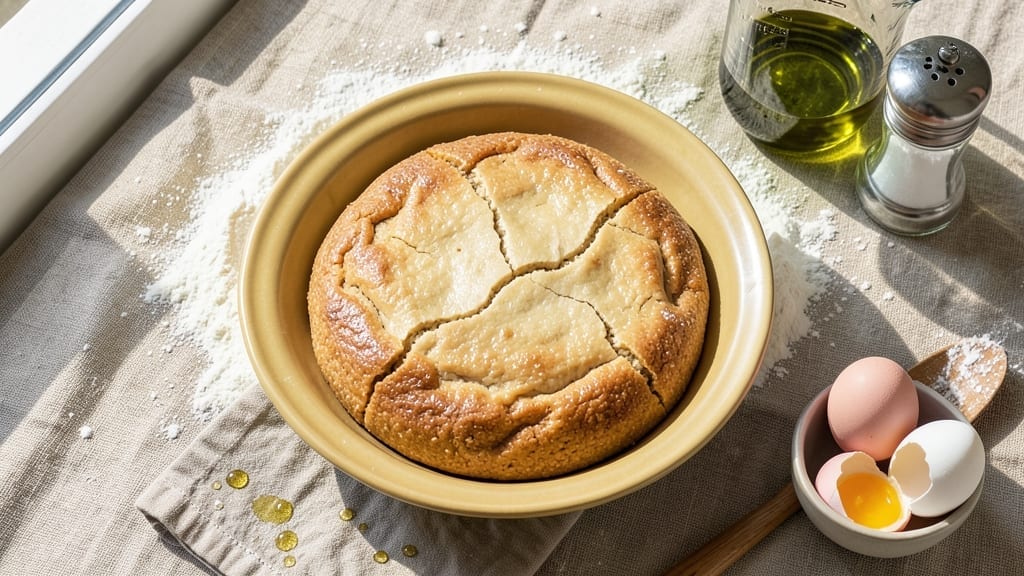
This 1 lb pasta dough recipe delivers the kind of fresh, handmade quality you can’t find in stores—golden, silky strands that cling to every sauce like a dream. The secret lies in precise ratios and traditional Italian techniques that transform simple ingredients into something extraordinary.
I’ve perfected this method after years of testing, ensuring it’s foolproof for beginners while still delivering restaurant-worthy results.
With just flour, eggs, water, and a pinch of salt, you’ll create dough that’s elastic, smooth, and ready for any shape—whether you’re rolling it thin for delicate tagliatelle or cutting it wide for hearty pappardelle.
The 30-minute process includes kneading, resting, and rolling, but don’t let that intimidate you: this dough is forgiving and rewards patience with perfect texture. No stand mixer? No problem—your hands will work just fine.
What you’ll end up with is 1 pound of vibrant, versatile dough that transforms into pasta so tender it practically melts in your mouth. The key is resting the dough properly—this step ensures it develops gluten evenly, giving you smooth, silky strands that cook up al dente every time.
Whether you’re making a classic fettuccine Alfredo or a rustic ragù, this dough is the foundation of a meal that feels like a labor of love.
Pair it with your favorite sauce, or try one of the full recipes in the instructions—like a creamy mushroom pappardelle or a bright lemon garlic aglio e olio—to see why homemade pasta changes everything. Let’s get started on your freshest pasta yet.
Ingredients for 1 lb pasta dough
Four simple ingredients transform into golden, silky pasta dough perfect for any shape.
| Ingredient | Amount | Notes |
|---|---|---|
| All-Purpose Flour 🌾 | 2 ½ cups | Plus 2 tbsp for dusting, unbleached preferred |
| Large Eggs 🥚 | 3 whole | Room temperature for best incorporation |
| Extra-Virgin Olive Oil 🫒 | 1 tbsp | High quality, fruity variety |
| Water 💧 | ½ cup | Room temperature preferred |
| Fine Sea Salt 🧂 | ½ tsp | Diamond Crystal preferred |
| Semolina Flour 🌾 | ¼ cup | For dusting and rolling |
The flour is where magic happens—King Arthur or Caputo Tipo 00 if you want to splurge, but good all-purpose works fine. I always grab a 5 lb bag from Whole Foods because it stays fresh longer, but any grocery store brand is fine. The eggs? Pasture-raised if you can find them—richer flavor, but regular large eggs work perfectly. Room temperature eggs mix in better, so take them out 30 minutes before you start. The olive oil should be fruity and peppery—none of that cheap cooking oil nonsense. If you’re in a pinch, avocado oil works too, but it lacks that authentic Italian touch.
No extra-virgin olive oil? Light olive oil or avocado oil gets you close, but the flavor won’t be as vibrant. Short on eggs? Add 1 tbsp water per egg omitted, but the dough might be slightly less elastic. The water needs to be room temperature—cold water makes the dough tough. For a lower-carb version, swap half the all-purpose flour for almond flour, but the texture will be different. Semolina is key for rolling—it prevents sticking and gives that classic pasta texture. If you can’t find semolina, all-purpose flour works in a pinch, but the pasta might be slightly grittier.
This dough keeps beautifully—wrap it tightly in plastic and refrigerate for up to 3 days. For longer storage, freeze portions for up to 3 months. Let it sit at room temperature for 30 minutes before rolling to prevent cracking. The dough is most forgiving right after mixing, so don’t stress if it feels slightly sticky. It’ll come together as you work it. Once shaped, cook immediately for best texture—fresh pasta is at its peak within 2 hours of rolling.
Why You’ll Love This Recipe
- Fewer Ingredients, More Magic: I swear by this combo—just flour, eggs, olive oil, and salt. That’s it. No confusing ratios, no obscure pantry staples. Honestly, my pantry’s been stocked with these basics for years, and this dough never lets me down.
- Goldilocks Texture: The olive oil keeps it tender without being greasy, while the eggs add that perfect bite. Roll it thin for delicate noodles or thick for hearty lasagna sheets—it’s the kind of dough that rewards experimentation. (Yes, even on a Tuesday night.)
- Weeknight Reinvented: Fridge it for 2 days or freeze it for months. Need fettuccine? Tagliatelle? Handmade ravioli? This dough handles it all, and I’ve used it for everything from quick weeknight suppers to impressing guests. Between us, it’s my secret weapon for lazy Sundays.
- Pocketbook-Friendly Luxury: Fresh pasta tastes like a splurge, but this costs pennies to make. A pound of flour, a handful of eggs, and a drizzle of olive oil stretch into meals that feel restaurant-worthy. My daughter picks out the salt crystals for sprinkling—because even kids notice how good it tastes.
Step-by-step instructions for 1 pound pasta dough
Here’s how to make professional-quality pasta dough at home—simple, foolproof, and ready in 30 minutes.
Combine Dry Ingredients for Perfect Texture
On a clean work surface or in a large mixing bowl, mound the 2.5 cups all-purpose flour and create a well in the center. This creates a volcano shape that makes mixing easier. Add the 0.5 tsp fine sea salt and the 0.25 cup semolina flour to the well—semolina gives that beautiful golden crust on fresh pasta.
I like to use my fingers to gently break up any flour clumps before mixing. This ensures even distribution of the salt and semolina throughout the dough. The semolina should be evenly sprinkled, not clumped in one spot—this prevents uneven texture in your finished pasta.
Add Wet Ingredients and Mix to Form a Shaggy Dough
Crack the 3 whole large eggs directly into the well and add the 1 tbsp extra-virgin olive oil and 0.5 cup water. The eggs should be at room temperature—they’ll incorporate more smoothly and create a lighter dough. Use a fork to gently beat the eggs first, then gradually incorporate the flour from the sides into the center.
Here’s the thing—don’t overmix yet. You’re looking for a shaggy, sticky dough that comes together when pressed. If it’s too dry, add 1 teaspoon water at a time until it holds. If too sticky, add 1 tablespoon flour. The dough should be soft but manageable, not wet or crumbly.
Knead Until Silky Smooth
Turn the dough onto a lightly floured surface and knead for 8-10 minutes by hand. I press down with the heel of my hand, fold the dough over, and rotate—this builds gluten gradually. The dough should become smooth, elastic, and slightly springy when pressed.
This is where patience pays off. If the dough tears or feels sticky, add just enough flour to smooth it out (about 1 tablespoon). If it’s too dry, add 1 teaspoon water. You’ll know it’s ready when it’s no longer sticky to the touch and passes the “windowpane test”—stretch a small piece thin enough to see light through without tearing.
Rest the Dough for Optimal Results
Shape the dough into a smooth ball, lightly coat it with the 2 tbsp reserved all-purpose flour, and wrap tightly in plastic wrap. Let it rest at room temperature for 30 minutes—this relaxes the gluten and makes rolling easier. I place it in a bowl to maintain shape and prevent sticking.
Don’t skip this step! Resting allows the flour to fully hydrate and the gluten to relax, which prevents the dough from shrinking or cracking when you roll it out. If you’re short on time, you can rest it in the refrigerator for up to 24 hours—this actually improves flavor as the dough develops.
Divide and Prepare for Rolling
After resting, divide the dough into 4 equal pieces (about 4 ounces each) for 4 servings. Dust your work surface and rolling pin with semolina flour—this prevents sticking and gives that classic pasta texture. Cover the unused portions with a damp towel to keep them soft.
This is where the magic happens. The semolina creates that beautiful golden crust when cooked, and it prevents the dough from sticking to your rolling pin. Work with one piece at a time to keep the dough from drying out. If you’re not using it immediately, you can refrigerate the divided portions for up to 2 days or freeze for 3 months.
Pro Tips For Making 1 Lb Pasta Dough
- CHILL THE EGGS FIRST: Cold eggs slide through the flour better and prevent a gummy dough. Pop them in the fridge for 10 minutes before cracking—your hands will thank you, and the texture stays silky instead of sticky.
- WEIGH YOUR FLOUR: Scooping flour from the bag packs in air, which throws off hydration. Use a kitchen scale for 400g (plus 20g for dusting) and sift it twice—this guarantees a smooth, even dough every time.
- KNEAD JUST ENOUGH: Overworking the dough makes it tough and chewy. Stop when it springs back slowly when poked (about 8-10 minutes by hand). Less effort, same result—no one notices if you skip the gym workout.
- REST THE DOUGH: Wrap it tightly in plastic and let it sit at room temp for 30 minutes before rolling. This relaxes the gluten, so it doesn’t snap when cutting. (Yes, even if you’re impatient like me.)
Pro cooking tips for perfect results
Hand-Kneading Secrets
Forget the stand mixer—hand-kneading builds stronger gluten and gives you better control. I press the dough flat with the heel of my palm, then fold it over itself like a letter, rotating 90 degrees each time.
This method develops gluten evenly in just 8-10 minutes. The dough should feel smooth, elastic, and slightly springy when pressed. If it resists, you’re on the right track! 💪
Temperature Control
Room-temperature ingredients are non-negotiable for perfect dough. Cold eggs or water create tough pasta. I take eggs out 30 minutes before mixing and use water from the tap (not ice-cold). The dough should feel slightly tacky but not sticky—think of it like modeling clay.
If it’s too dry, add 1 tsp water; too sticky? Sprinkle 1 tbsp flour and knead it in.
Resting Like a Pro
Never skip the 30-minute rest—this is where the dough transforms. I wrap mine in plastic and place it in a bowl to maintain shape. Cold weather? No problem—rest it in the fridge for up to 24 hours for even better flavor development.
The gluten relaxes, making rolling effortless. Pro tip: Poke the dough gently—if it springs back slowly, it’s ready.
Rolling Pin Alternatives
No rolling pin? Use a wine bottle or even a smooth wooden spoon> wrapped in plastic wrap. For even thickness, roll from the center outward, rotating the dough ¼ turn after each pass.
If the dough sticks, dust with semolina flour—it’s magic for preventing sticking and adds that classic golden crust. 🌟
Thickness Matters
For delicate noodles like tagliatelle, aim for 1-2mm thickness>—use a ruler to check. Thicker pasta like pappardelle should be 3-4mm.> Press gently but firmly—too much pressure makes the dough tear.
I like to roll the dough through a pasta machine set to its thinnest setting, then gradually increase thickness for wider noodles.
Storage Hacks
Fresh dough keeps for 3 days in the fridge or 3 months frozen. For freezing, wrap each portion tightly in plastic and place in a ziplock bag> with parchment paper between layers.
Thaw overnight in the fridge before rolling. Never microwave—it makes the dough gummy. For quick use, roll immediately after resting for the best texture. ❄️
Nutrition facts
Frequently asked questions
Can I use this dough recipe for gluten-free pasta?
This classic recipe isn’t gluten-free, but you can adapt it! Swap the all-purpose flour for a 1:1 gluten-free flour blend (like Bob’s Red Mill) and add 1 extra egg for binding. The dough will be slightly stickier, so use semolina-free cornstarch instead for rolling. Texture will differ—expect a denser, more delicate result.
Why does my dough tear when rolling?
Tearing usually means the dough wasn’t rested long enough or needs more gluten development. Let it rest 30 more minutes if possible, or knead 2-3 extra minutes by hand. Keep your rolling pin and surface well-dusted with semolina. If it’s still tearing, the dough may be too dry—sprinkle 1 tsp water and knead briefly.
How thin should I roll the dough for different pasta shapes?
For delicate shapes like angel hair, aim for 1mm thickness. Tagliatelle needs 1.5-2mm, while pappardelle should be 3-4mm. Use a ruler to check! For wider noodles, roll thicker first, then gradually thin as you work. Pro tip: Roll from center outward, rotating ¼ turn after each pass for even thickness.
Can I make this dough ahead of time?
Shape the dough into a ball, wrap tightly in plastic, and refrigerate for up to 3 days or freeze for 3 months. Let it sit at room temperature for 30 minutes before rolling. Cold dough is easier to handle and develops better flavor. For freezing, wrap portions separately in plastic with parchment between layers.
What’s the best way to test if my pasta is al dente?
Cut a small piece and taste it—it should be tender but still offer slight resistance (about 1-2 minutes of cooking time remaining). For precise timing, start checking 2 minutes before the package instructions suggest. Fresh pasta cooks faster than dried—typically 2-4 minutes in boiling water. Save some pasta water to toss with sauce for creaminess!

- 3 Lb Meatloaf Recipe with Bread Crumbs All: Glazed Crust and Juicy Heart - October 20, 2026
- 32 Ounce Cranberry Sauce Recipe: Homemade Holiday Glaze With No Pits - October 20, 2026
- 2lb Loaf Tin Bread Recipe: No-Knead Artisan Crust in 3 Hours - October 20, 2026