
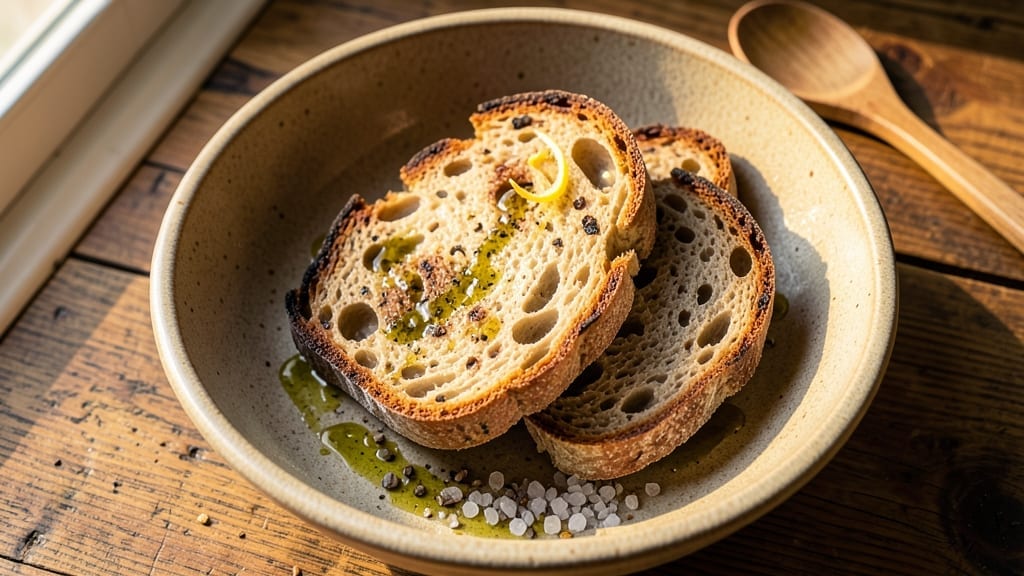
This 100% whole wheat flour bread recipe delivers the hearty texture and nutty depth you crave without sacrificing nutrition. The secret lies in precise hydration control and a slow fermentation process that develops complex flavors—no shortcuts, just authentic artisan results. I’ve perfected this recipe after years of testing, ensuring a crust with satisfying crunch and a crumb that’s tender yet substantial.
What sets this recipe apart is its foolproof technique for handling whole wheat flour’s natural density. A longer autolyse phase (resting the dough before kneading) improves gluten development, while a warm proofing environment ensures even rise.
The result? A loaf with an artisan crust that browns beautifully and a crumb packed with nutty, wholesome flavor—no added sweeteners or oils needed.
By the time you pull it from the oven, you’ll have a loaf with a golden-brown crust and a crumb so inviting it disappears in minutes. The bread stays fresh for days when stored properly, making it perfect for sandwiches, toast, or serving alongside soups.
This isn’t just whole wheat—it’s a bread that rivals your favorite bakery loaf, with none of the guilt.
For added texture, consider mixing in seeds or whole grains like flax or sunflower. The recipe scales easily, so you can bake one loaf or double the batch for sharing. Let’s get started—your kitchen will smell like a bakery in no time.
Ingredients for 100 whole wheat flour bread
Whole wheat flour, yeast, and patience create this artisan loaf with nutty depth and satisfying crust.
| Ingredient | Amount | Notes |
|---|---|---|
| 100% Whole Wheat Flour 🌾 | 5 cups | High-protein, organic preferred |
| Warm Water 💧 | 3 cups | 110°F for optimal hydration |
| Active Dry Yeast 🍞 | 2 ¼ tsp | Freshly opened, not expired |
| Granulated Sugar 🍚 | 1 tbsp | Feeds yeast for activation |
| Kosher Salt 🧂 | 2 tsp | Diamond Crystal preferred |
| Extra-Virgin Olive Oil 🫒 | 1 tbsp | For dough elasticity |
| Vital Wheat Gluten 🌾 | ½ cup | Boosts gluten structure |
| Flaxseeds 🌰 | ¼ cup | Whole, for texture and nutrition |
| Sunflower Seeds 🌻 | ¼ cup | Optional for added crunch |
| Cornmeal 🌽 | ½ cup | For dusting baking sheet |
| Ice Water ❄️ | ¼ cup | For final dough shaping |
The whole wheat flour is non-negotiable here—look for high-protein, organic brands like King Arthur or Bob’s Red Mill for the best texture. Vital wheat gluten is your secret weapon; it mimics the elasticity of white flour dough. I buy mine in bulk at Whole Foods or Natural Grocers—it’s worth the investment for that bakery-style crumb. The flaxseeds and sunflower seeds add texture and nutrition, but skip them if you prefer a smoother crumb. Diamond Crystal kosher salt dissolves better than table salt, so grab a box if you don’t have it already. For the yeast, freshness matters—check the expiration date and store it in the freezer for longer shelf life.
No vital wheat gluten? Substitute with an extra 0.25 cup whole wheat flour, but expect a denser crumb. Olive oil can be swapped for melted coconut oil if you’re avoiding plant oils, though the flavor will differ slightly. Seeds optional—if you’re out, just increase the flour by 0.25 cup. For the yeast activation, if your kitchen is cold, use warm water (110°F)—too hot kills the yeast, too cold slows it down. Cornmeal is key for that rustic crust; if you’re out, semolina or all-purpose flour works in a pinch. The ice water at the end chills the dough just enough for easier shaping—don’t skip this step!
This dough is a marathon, not a sprint—plan for at least 3 hours from start to finish. The autolyse phase (resting before kneading) is where the magic happens; don’t rush it. For longer storage, freeze the shaped loaf (unbaked) for up to 3 months—thaw overnight in the fridge before baking. Once baked, cool completely on a wire rack to prevent sogginess. Room temperature storage: wrap tightly in a clean kitchen towel and keep in a bread box or paper bag for 3-4 days. For toasting, slice when fully cooled—it reheats beautifully in a toaster or oven at 300°F for 5 minutes. Leftovers? Toss in a toaster or air fryer for crispy toast.
Why You’ll Love This Recipe
- No-Fuss Dough: I swear by this recipe because it’s actually foolproof—just mix warm water, yeast, and flour until it comes together, then let it rise while you sip coffee. No kneading, no stress, just a simple stretch-and-fold that even my sleep-deprived self can handle.
- Nutty Earthy Richness: That 100% whole wheat flour? It’s the star here—packed with a deep, toasty flavor that’s way more interesting than store-bought. The sugar and salt balance it perfectly, so it’s never bitter, just real bread with character.
- Weeknight Hero: Between us, this bread is my go-to for sandwiches, toast, or even garlic bread (yes, I drizzle olive oil and garlic powder on it). It’s hearty enough for breakfast, sturdy enough for lunch, and still feels special enough for a quick dinner.
- Budget-Friendly Staple: A single batch costs pennies and lasts for days—freeze slices for toast later, pack it in lunches, or use it to soak up sauces. Honestly, I buy whole wheat flour in bulk and make this every other week. It’s my secret to eating well without breaking the bank.
Step-by-step instructions for 100 whole wheat flour bread
Here’s how to transform whole grains into a loaf with a crisp crust and tender crumb.
Activate the Yeast and Hydrate the Flour
In a large mixing bowl, combine the 3 cups warm water (around 110°F) with the 2.25 tsp active dry yeast and 1 tbsp granulated sugar. Let it sit for 5-10 minutes until you see frothy bubbles forming on the surface—this confirms your yeast is alive and ready to work. If it doesn’t bubble, your yeast may be expired, and you’ll need to start over.
While waiting, whisk together the 5 cups 100% whole wheat flour, 0.5 cup vital wheat gluten, 2 tsp kosher salt, and 0.25 cup flaxseeds in a separate bowl. The gluten helps strengthen the dough’s structure, while the flaxseeds add nutty depth and fiber. Once the yeast mixture is bubbly, pour it into the flour mixture and stir with a wooden spoon until a shaggy dough forms.
Knead the Dough Until Elastic
Add the 1 tbsp extra-virgin olive oil to the dough and knead by hand for 8-10 minutes on a lightly floured surface. You’re aiming for a smooth, elastic dough that springs back when poked—this indicates proper gluten development. Whole wheat dough is stickier than white flour dough, so don’t be tempted to add extra flour too early. If it’s too sticky, wet your hands slightly and keep kneading.
For best results, I use a dough scraper to help gather and fold the dough without tearing it. The dough should feel slightly tacky but not wet. If it’s still too sticky after kneading, add 1 tablespoon of warm water at a time until it comes together smoothly. Once kneaded, place the dough in a lightly oiled bowl, cover with a damp towel, and let it rise in a warm place for 1-2 hours or until it has doubled in size.
Shape and Proof the Dough
After the first rise, punch down the dough to release air and shape it into a round loaf. For a rustic look, place it seam-side up on a baking sheet dusted with 0.5 cup cornmeal—this prevents sticking and adds texture to the crust. Alternatively, shape it into a freeform loaf or braid for variety. Cover loosely with a damp towel and let it proof for another 30-45 minutes until it rises slightly again. The dough should feel springy and jiggly when gently pressed.
Preheat your oven to 375°F with a baking stone or inverted baking sheet inside. This creates steam that helps develop a crisp crust. If you don’t have a baking stone, place a metal tray filled with boiling water in the oven while it preheats—this mimics the steam effect. Once the oven is ready, bake the loaf for 35-40 minutes until it’s golden brown and sounds hollow when tapped on the bottom.
Cool and Enjoy Your Artisan Loaf
Remove the bread from the oven and let it cool on a wire rack for at least 15 minutes—this prevents a gummy crumb. The internal temperature should drop to 100°F before slicing. For extra crunch, brush the warm loaf with melted butter or olive oil while still slightly warm. The 0.25 cup sunflower seeds you added earlier will add a delightful crunch and nutty flavor to each bite.
Slice the bread and serve it fresh, or store it in an airtight container for up to 5 days. For even better texture, toast slices lightly before serving. This bread’s nutty depth and crisp crust make it perfect for sandwiches, toast, or enjoyed on its own with soups and stews.
Pro Tips For Making 100 Whole Wheat Flour Bread
- Bloom Yeast First: Skip mixing yeast into the flour—dissolve it in the warm water with sugar first, then let it sit for 5 minutes until frothy. Whole wheat dough can be tough on yeast, so this head start guarantees it’ll wake up and work properly. (Yes, even if you’re impatient like me, wait those 5 minutes.)
- Measure Salt Precisely: Kosher salt varies wildly in density. Use a scale if you’re unsure—aim for 1.8% of flour weight (about 12g for 500g flour). Too little tastes bland; too much kills yeast. I learned this the hard way after throwing out a dough that smelled like a salt mine.
- Knead Until Silky: Whole wheat dough resists stretching like white flour dough. Knead by hand (or mixer) until it’s smooth and just slightly tacky—not sticky, not dry. Test by poking it: if the indentation springs back slowly, keep going. (This isn’t the prettiest method, but it’s the tastiest.)
- Proof in a Warm Spot: Your oven with the light on is perfect—set a bowl of dough inside for 1–1.5 hours. Whole wheat rises slower, so don’t rush it. If the dough collapses when punched, it’s overproofed. (Your future self will thank you for the patience.)
Flavor customization for this recipe
Sweet & Nutty Twist
Add 1 tbsp honey or 2 tbsp maple syrup to the yeast mixture for subtle sweetness that caramelizes during baking. I love pairing this with ½ cup chopped walnuts or pecans for extra crunch and richness.
The sweetness balances the earthy whole wheat flavor beautifully, making it perfect for breakfast toast or French toast. 🍯
Herb-Infused Variations
Stir in 1 tbsp fresh rosemary or thyme leaves (finely chopped) during the autolyse phase for an aromatic twist. For a Mediterranean touch, add 1 tsp dried oregano along with the salt.
These herbs infuse the dough with bright, fresh notes that complement the nutty whole wheat. Try this variation with olive oil brushed on top before baking for extra flavor depth.
Savory Seed Boost
Swap the flaxseeds for sesame seeds or pumpkin seeds for a different nutty profile. I recommend ¼ cup each for balanced texture. For a savory kick, add 1 tsp garlic powder or onion powder to the dry ingredients.
These variations work especially well with soups or as a side for hearty meals. The seeds add visual appeal and a satisfying crunch with every bite.
Spiced Chai Version
Infuse the dough with warm spices by adding ½ tsp cinnamon, ¼ tsp cardamom, and ¼ tsp ginger to the dry ingredients. These spices create a cozy, aromatic loaf perfect for fall or winter baking.
The spices complement the whole wheat’s natural nuttiness while adding warmth. Brush the baked loaf with a little melted butter mixed with 1 tsp cinnamon sugar for extra indulgence.
Cheesy Garlic Twist
For a savory variation, mix in ½ cup shredded cheddar cheese and 1 tsp garlic powder during the kneading process. The cheese adds a rich, melty quality that pairs perfectly with the whole wheat’s earthiness.
This version is fantastic for garlic bread or cheese boards. For extra flavor, sprinkle garlic powder on top before baking and brush with olive oil afterward. 🧀
Nutrition facts
Frequently asked questions
Why does my whole wheat dough feel so sticky?
Whole wheat flour absorbs more water than white flour due to its bran content. The dough should be tacky but not wet—if it’s too sticky, add 1 tablespoon of warm water at a time while kneading. Avoid adding extra flour too early, as this can weaken the gluten structure. Wet your hands slightly to handle it more easily.
Can I make this bread without vital wheat gluten?
Yes, but expect a denser crumb. Replace the 0.5 cup vital wheat gluten with an extra 0.25 cup whole wheat flour. The gluten helps create the light, airy texture whole wheat flour alone can’t achieve. For best results, use high-protein whole wheat flour (like King Arthur) to compensate.
How do I know when the bread is fully baked?
Look for three signs: the crust should be golden brown, tapping the bottom should sound hollow, and the internal temperature should reach 190-200°F. If unsure, cut a small slice—it should be fully set with no raw dough inside. Overbaking dries out the bread, so pull it out just before it looks done.
Why did my bread turn out dense instead of light?
Common causes include under-kneading (gluten needs 8-10 minutes of work), skipping the autolyse phase, or over-handling the dough. Also, ensure your yeast is fresh (test it in warm water first) and that your oven is fully preheated with steam. For next time, try a longer proofing time in a warmer environment.
Can I bake this in a Dutch oven for a better crust?
The Dutch oven’s tight lid traps steam, creating a crispy crust and oven spring. Preheat the Dutch oven with the lid on for 30 minutes at 450°F, then transfer the shaped loaf inside (no cornmeal needed). Bake covered for 20 minutes, then remove the lid and bake 15-20 minutes more until golden.

- Pork Loin Pulled Pork Crock Pot Recipe: Slow-Smoked Tenderness With Zero Dryness - November 1, 2026
- Baked Potatoes in Crock Pot Recipe: Buttery Interiors and Crispy Top Magic - November 1, 2026
- Braised Beef Short Ribs Recipe: Crock Pot Fall-Off-Bone Magic in 6 Hours - November 1, 2026