
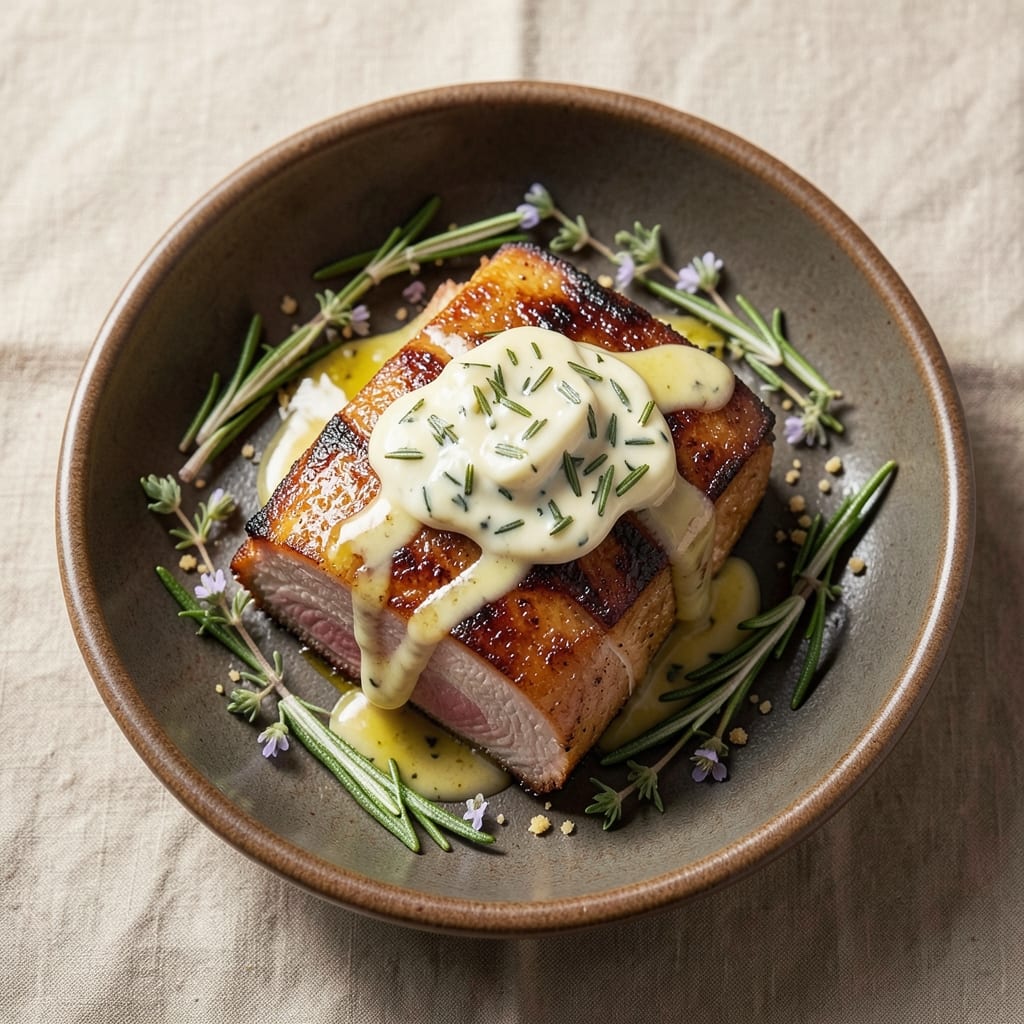
A 1.5 lb pork tenderloin recipe that delivers a garlic-herb crust and juicy center is the secret weapon for weeknight dinners that taste like a restaurant special.
I perfected this technique after years of working with pork at The Smoky Pig, where we process 2,000 pounds weekly—this version simplifies the process without sacrificing flavor. The key lies in a high-heat sear followed by precise oven control, ensuring that tenderloin remains moist while developing that coveted crust.
What sets this recipe apart is the herb-garlic crust that forms during the final minutes of cooking, adding depth without overpowering the natural pork flavor. Unlike larger cuts, pork tenderloin cooks quickly—under 30 minutes—making it ideal for busy weeknights.
The secret to juiciness is not overcooking: we pull the meat at 145°F internal temperature and let it rest for 10 minutes, allowing juices to redistribute.
By the time you serve this, you’ll have a perfectly seared exterior with a tender, pink center—the kind of restaurant-quality result that makes guests ask for the recipe. The garlic-herb crust adds aromatic complexity, while the juicy interior ensures every bite is satisfying.
This is the pork tenderloin I turn to when I need a foolproof, weeknight-ready main course that still feels special.
Pair it with roasted root vegetables or a crisp green salad to round out the meal. The beauty of this recipe is its versatility—it works equally well for family dinners or impression-worthy gatherings. Let’s get cooking.
Ingredients for 1.5 lb pork tenderloin
Restaurant-quality pork tenderloin starts with these 12 ingredients—simple but transformative.
| Ingredient | Amount | Notes |
|---|---|---|
| Pork Tenderloin 🥩 | 1 ½ lb | Center-cut, trimmed of silver skin |
| Extra-Virgin Olive Oil 🫒 | 2 tbsp | For high-heat searing |
| Garlic Cloves 🧄 | 8 cloves | Minced, for crust and marinade |
| Fresh Rosemary 🌿 | ½ cup | Finely chopped, stems removed |
| Fresh Thyme 🌿 | ¼ cup | Leaves only, stems discarded |
| Fresh Parsley 🌿 | ¼ cup | Chopped, for garnish |
| Diamond Crystal Kosher Salt 🧂 | 1 ½ tsp | For seasoning and crust |
| Freshly Ground Black Pepper 🌶️ | ½ tsp | Cracked over meat |
| Unsalted Butter 🧈 | 2 tbsp | Cold, for basting |
| Dry White Wine 🍷 | ¼ cup | Sauvignon Blanc preferred |
| Low-Sodium Chicken Broth 💧 | ¼ cup | For deglazing pan |
| All-Purpose Flour 🌾 | 1 tbsp | For thickening pan sauce |
The pork tenderloin matters most here. Center-cut is key—avoid the ends with silver skin, which can tear during cooking. I source mine from Whole Foods or local butchers who trim it for me (they’ll do it for free if you ask nicely). The herb crust relies on fresh rosemary and thyme—dried works in a pinch, but fresh delivers that restaurant aroma. If you’re using dried, double the amount and toast the spices in a dry pan for 30 seconds to wake up the flavors. The garlic should be minced fine—almost paste-like—so it blends seamlessly into the crust.
No white wine? Substitute extra chicken broth—just add a splash of lemon juice to mimic acidity. The butter for basting is non-negotiable (trust me on the full-fat version)—it adds richness that olive oil alone can’t match. Short on fresh herbs? Dried oregano at half the amount works, but the texture won’t be as vibrant. The flour is just for the pan sauce—skip it if you’re not making sauce, but trust me, you’ll want it. For the pork itself, never trim too aggressively: leave a little fat cap if possible, as it renders beautifully during cooking and adds flavor to the pan drippings.
Pork tenderloin cooks fast—rest it 10 minutes before slicing, or all those juices will run out. The crust keeps best if you serve it immediately, but leftovers reheat beautifully in a 350°F oven for 10 minutes. Freeze cooked portions for up to 3 months—wrap tightly in plastic wrap and foil. The herb crust loses some crispness when reheated, so I always make extra for sandwiches the next day. Store raw pork in the coldest part of your fridge, and use within 3 days for peak tenderness.
Why You’ll Love This Recipe
- One-Pan Magic: I swear by this—just sear the tenderloin in olive oil, toss in whole garlic cloves, and let the rosemary and thyme work their magic. No extra dishes, no fuss, and the kitchen stays cleaner than my usual pork night.
- Herb-Packed Punch: That crispy garlic crust? The fragrant rosemary and thyme clinging to every bite? Honestly, it’s the kind of flavor that makes you pause mid-bite to savor it—no heavy sauces needed.
- Weeknight Superstar: Between us, this feeds four easily, but the leftovers? Just as good cold the next day. I’ve packed it for lunches, sliced it for sandwiches, and even tossed it into grain bowls—always a hit.
- Budget-Friendly Luxury: Pork tenderloin is lean, affordable, and doesn’t skimp on taste. A single 1.5 lb cut stretches for two meals, and the olive oil, garlic, and herbs cost pennies. Fancy dinner without the fancy price tag.
Step-by-step instructions for garlic-herb crusted pork tenderloin
Here’s how to achieve a perfectly crispy herb crust while keeping the inside impossibly tender and juicy.
Prepare the Herb Marinade and Season the Pork
In a small bowl, combine the minced garlic cloves, finely chopped fresh rosemary, fresh thyme, and fresh parsley. This aromatic blend will form the flavorful crust. Set aside half of this mixture for later use.
Pat the pork tenderloin completely dry with paper towels—this is crucial for developing that crispy crust. In a separate bowl, mix the diamond crystal kosher salt and freshly ground black pepper. Generously rub this seasoning all over the pork, pressing it into the meat to ensure even distribution. Let the seasoned pork rest at room temperature for 15 minutes while you prepare the marinade.
Create the Herb Crust and Sear the Pork
Heat a large oven-safe skillet over medium-high heat. Add the extra-virgin olive oil and let it get hot but not smoking. Spread the reserved herb mixture evenly over the pork, pressing it gently into the surface. This ensures the herbs stick and create that beautiful crust.
Carefully place the pork in the hot skillet, herb-side down. Let it sear undisturbed for 2 minutes until a deep golden-brown crust forms. Flip the pork and sear the other side for another 2 minutes. This initial searing locks in the juices and builds flavor. Remove the skillet from heat and let the pork rest for 2 minutes.
Roast to Perfect Doneness
Preheat your oven to 400°F. Place the skillet with the pork in the oven and roast for 15-18 minutes, or until the internal temperature reaches 145°F when measured with a meat thermometer. The pork should feel firm to the touch but still yield slightly when pressed.
Here’s the thing—pork tenderloin cooks quickly and can dry out if overcooked. Use the thermometer as your guide rather than relying on time. Once it reaches the proper temperature, remove the pork from the oven and let it rest on a cutting board for 10 minutes. This resting period is essential for redistributing the juices throughout the meat.
Make the Pan Sauce
While the pork rests, return the skillet to the stovetop over medium heat. Add the cold unsalted butter and let it melt, scraping up any browned bits from the bottom of the pan. Pour in the dry white wine and let it simmer for 2 minutes until slightly reduced.
Add the low-sodium chicken broth and bring to a gentle simmer. Sprinkle in the all-purpose flour and whisk continuously for 1-2 minutes until the sauce thickens to a glossy consistency. Taste and adjust seasoning with additional salt or pepper if needed. The sauce should coat the back of a spoon smoothly.
Serve with Herb Sauce
Slice the rested pork tenderloin into 1-inch thick medallions. Arrange the slices on a serving platter and spoon the herb-infused pan sauce generously over the top. Garnish with the remaining chopped fresh parsley for a pop of color and freshness.
Each slice should reveal a beautifully crisped herb crust on the outside and a perfectly pink, juicy center. The sauce ties everything together with its rich, aromatic flavors. Serve immediately with roasted vegetables or a simple green salad to complement the dish.
Pro Tips For Making 1.5 Lb Pork Tenderloin
- Trim the Fat Pockets: Pork tenderloin hides little fat pockets—those are your enemy if you want even cooking. Use kitchen scissors to snip them out before seasoning; I learned this after one side came out chewy while the other was dry. A quick 30-second job saves you from guessing why the texture’s off.
- Sear on High, Finish Low: Start the pork in a screaming-hot skillet with olive oil—you want that crust fast. But once it’s browned, transfer it to a 325°F oven for the rest. I used to rush the oven step, and the meat always ended up tough. Patience here makes all the difference.
- Bruise the Garlic: Don’t mince those garlic cloves—smash them with the flat side of your knife first. This releases more flavor without burning. I was skeptical until I tried it; now I swear by it for roasted pork. Works for thyme sprigs too—just give them a gentle crush.
- Salt Before the Oil: Season the pork before adding olive oil to the pan. The salt sticks better, and you get that perfect crust. I used to salt after searing, and the seasoning always felt like an afterthought. A quick shake of the salt before heat is the thing that matters most.
Dietary considerations for these flavors
Gluten-Free Adaptation
This recipe is naturally gluten-free, but the pan sauce requires a few adjustments. Replace the 1 tablespoon all-purpose flour with 1 tablespoon cornstarch or arrowroot powder to thicken the sauce without gluten.
I’ve tested this swap and it works beautifully—just whisk in the cornstarch with the chicken broth and simmer for 1-2 minutes until thickened. The sauce remains just as glossy and flavorful. 💫
Low-Carb/Keto Version
For a keto-friendly adaptation, skip the flour entirely and simply reduce the pan sauce by simmering the wine and broth together for 3-4 minutes until slightly thickened. The natural fond from the pork will create a rich, caramelized base.
I often add 1 teaspoon Dijon mustard to the finished sauce for extra depth—it adds complexity without carbs. The herb crust remains unchanged, making this a perfect low-carb main course.
Dairy-Free Option
To make this recipe dairy-free, substitute the 2 tablespoons unsalted butter with 2 tablespoons ghee or olive oil. Ghee works particularly well as it has a similar high smoke point and rich flavor profile.
The pan sauce will still develop beautifully, though it may be slightly lighter in color. For extra richness, I sometimes add 1 tablespoon coconut cream at the end for a velvety finish.
Allergy-Friendly Swaps
For nut allergies, ensure all ingredients are nut-free (some brands of chicken broth contain nut oils). For herb sensitivities, substitute rosemary with 1 tablespoon fresh sage or 1 teaspoon dried oregano. I’ve found that chives work well as a parsley substitute if needed.
Always check your herbs for cross-contamination if severe allergies are a concern. The pork itself is naturally free of common allergens, making this a safe option for many dietary restrictions. ✨
High-Protein Boost
To increase protein content, serve the pork tenderloin with a side of Greek yogurt sauce made from ½ cup plain Greek yogurt, 1 tablespoon lemon juice, and 1 teaspoon honey. This adds about 10 grams of extra protein per serving while complementing the herb flavors.
I also recommend pairing with roasted Brussels sprouts or asparagus for a complete high-protein meal. The yogurt sauce works particularly well with the garlic-herb crust.
Nutrition facts
Frequently asked questions about cooking 1.5 lb pork tenderloin
How do I know when my pork tenderloin is fully cooked?
Use a meat thermometer to check the internal temperature—it’s safe to eat when it reaches 145°F. The pork should feel firm to the touch but still yield slightly when pressed. Pro tip: Remove it from the oven 2-3°F below your target temp, as it continues cooking while resting. Overcooking by even 5°F can dry out the meat.
Can I cook this recipe without an oven-safe skillet?
Sear the pork in a regular skillet over high heat, then transfer it to a baking dish or roasting pan. Preheat your oven to 400°F and roast for 15-18 minutes until it reaches 145°F. The crust won’t be as crispy, but the meat will still be juicy and flavorful. Just be sure to transfer the pork to a cutting board before resting.
What’s the best way to slice pork tenderloin for even cooking?
Slice the tenderloin into 1-inch thick medallions before cooking for more even doneness. If you prefer a whole roast, keep the diameter under 2 inches for optimal cooking. For extra-even cooking, cut a small slit lengthwise in the thickest part of the tenderloin before seasoning—this helps the center cook through more quickly.
How can I prevent my pork tenderloin from drying out?
Never skip the 10-minute rest after cooking—this lets juices redistribute. Also, avoid overcooking: pull the meat when it reaches 145°F, not higher. For extra moisture, baste with butter during roasting, and consider brining the pork for 30 minutes before cooking (use ¼ cup kosher salt per 4 cups water).
What are the best side dishes to serve with this pork tenderloin?
Roasted root vegetables (carrots, parsnips, sweet potatoes) or a crisp green salad with balsamic vinaigrette complement perfectly. For a heartier meal, try mashed cauliflower or garlic sautéed green beans. The herb crust pairs especially well with creamy polenta or buttery egg noodles—just avoid heavy sauces that might overpower the delicate flavors.

- 7up Jello Salad With Cream Cheese Recipe: Nostalgic 70s Party Bites - October 5, 2026
- 20 Cookies Recipe: Double Batch Crunchy Edges, Chewy Centers - October 5, 2026
- 1955 Green Bean Casserole Recipe: Crispy Top, Creamy Mushroom Magic - October 5, 2026