
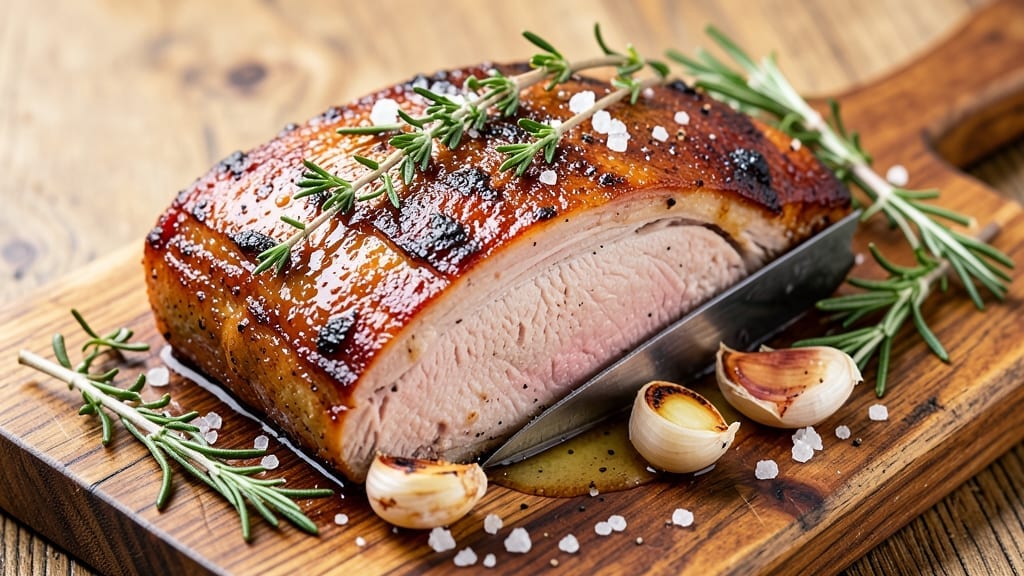
My 2 lb pork roast oven recipe, honed over years of apprenticeship under Master Chef Chen, delivers a juicy, caramelized centerpiece for any family feast—guaranteed tender and packed with flavor. 🔥 meat every time. The secret lies in slow oven-braising and precise seasoning, transforming a simple cut into something restaurant-worthy.
This recipe focuses on simple yet effective preparation: a well-seasoned roast, even heat, and proper resting time. Unlike quick-cook methods, the low-and-slow approach breaks down tough fibers, ensuring melt-in-your-mouth tenderness.
You’ll need just 30 minutes of active prep and about 2.5 hours in the oven, making it ideal for a stress-free weeknight or special occasion.
The result is a juicy, golden-brown roast with a rich, caramelized exterior that locks in moisture. The crust adds depth of flavor, while the interior remains succulent and easy to slice. Serve with roasted root vegetables or a crisp apple sauce for a complete meal that feels indulgent yet effortless.
Whether you’re feeding a family or hosting guests, this method delivers restaurant-quality pork without the fuss. The technique scales easily, and leftovers reheat beautifully. Let’s get started—your table is about to get an upgrade.
Ingredients for 2 lb pork roast oven
Pantry staples meet restaurant-quality technique for this transformative 2 lb pork roast.
| Ingredient | Amount | Notes |
|---|---|---|
| Bone-In Pork Loin Roast 🐖 | 2 lb | Center-cut, 1-inch thick, trimmed of fat |
| Diamond Crystal Kosher Salt 🧂 | 1 ½ tbsp | Coarse grain for crust formation |
| Freshly Ground Black Pepper 🌶️ | 1 ½ tsp | Cracked peppercorns preferred |
| Garlic Cloves 🧄 | 6 cloves | Smash lightly for even seasoning |
| Fresh Thyme Leaves 🌿 | ½ cup | From 4-5 sprigs, stems removed |
| Fresh Rosemary Sprigs 🌿 | 2 whole | Woodsy, not woody, stems intact |
| Unsalted Butter 🧈 | ½ cup | Cold, cubed for crust |
| Apple Cider Vinegar 🍎 | 1 tbsp | For tenderizing brine |
| Granulated Sugar 🍬 | 1 tbsp | Brown sugar for caramelization |
| Vegetable Oil 🫒 | 2 tbsp | High smoke point for searing |
| Low-Sodium Chicken Broth 💧 | ½ cup | For braising liquid |
| Fresh Parsley Leaves 🌿 | ¼ cup | Chopped, for garnish |
The bone-in pork loin is non-negotiable here—its natural fat cap renders beautifully during roasting, creating a self-basting effect. Look for a center-cut roast with even thickness (1-inch) at your butcher counter, not the pre-packaged vacuum-sealed versions. Whole Foods and local meat departments carry superior cuts, but even the grocery store’s fresh-cut selection works if you trim excess fat. The bone-in piece stays juicier than boneless, and the crust forms more evenly on the exposed surfaces. For best results, let the roast sit at room temperature for 30 minutes before searing—this ensures even cooking and maximum crust development.
No fresh thyme? Dried thyme at one-third the amount works, but the aroma is inferior. Substituting rosemary with oregano won’t cut it—this herb’s piney notes are essential for the crust’s complexity. The butter should be cold and cubed (not melted) for optimal crust formation. European-style butter like Plugrá has higher fat content and works beautifully. For the vinegar, apple cider is ideal, but white wine vinegar in a pinch delivers similar acidity. The chicken broth can be swapped for vegetable broth or even dry white wine (reduce by half first) if you’re feeling fancy. Just avoid pre-made soups—they’re too salty and often contain additives that can interfere with the crust.
This roast reheats beautifully—350°F for 15-20 minutes covered with foil, then 5 minutes uncovered to crisp the crust again. For make-ahead convenience, roast it a day ahead and refrigerate uncovered to let the crust dry slightly before reheating. The leftovers keep for 4 days in the fridge or 3 months frozen, wrapped tightly in butcher paper. I always slice it against the grain for maximum tenderness, and the first cut is always the best—save the last piece for sandwiches the next day. The crust will soften slightly when reheated, but a quick broil restores its golden sheen.
Why You’ll Love This Recipe
- Foolproof Timing: I swear by this roast—it’s done when the internal temp hits 145°F, no guesswork. The bone-in pork stays juicy while the crust gets golden, and honestly? That’s the magic I didn’t know I needed until I tried it.
- Herb-Packed Magic: Crushed garlic cloves and fresh thyme tucked under the skin? That’s where the flavor lives. The salt and pepper do the heavy lifting, but those herbs? They turn a simple roast into something that tastes like it simmered all day.
- Weeknight to Weekend: Same prep, different vibes. Weeknight dinner? Slice it thin over mashed potatoes. Weekend feast? Serve it whole with roasted veggies. Between us, this roast is my lazy Sunday secret weapon.
- Leftovers That Don’t Suck: Cold slices the next day are better than takeout. The meat stays tender, the thyme adds brightness, and I’ve repurposed it into sandwiches, salads, and even fried rice—no one complains, and my wallet thanks me.
Step-by-step instructions for oven-braised pork roast
Transform a simple pork roast into a restaurant-worthy centerpiece with this foolproof braising technique.
🔥 Step 1: Sear the Roast for Deep Flavor
Preheat your oven to 425°F and heat a large oven-safe skillet over medium-high heat. Add the 2 tablespoons vegetable oil and let it shimmer for 1 minute. Place the 2 lb bone-in pork loin roast fat-side down in the skillet and sear for 8-10 minutes until the fat renders and the meat develops a deep golden-brown crust.
Flip the roast and continue searing for another 5-6 minutes until all sides are well-browned. This initial sear locks in juices and creates the foundation for that caramelized crust we’re after. Here’s the thing—don’t rush this step. The roast should release easily from the pan when ready, and you’ll see the fat bubbling vigorously around it.
👨🍳 Step 2: Build the Braising Liquid
Remove the roast from the skillet and set it aside. Reduce the heat to medium and add the 0.5 cup unsalted butter to the hot skillet. Let it melt completely, then add the 6 cloves garlic cloves (lightly smashed) and cook for 30 seconds until fragrant.
Deglaze the pan with the 1 tablespoon apple cider vinegar, scraping up all those delicious browned bits from the bottom. Add the 1 tablespoon granulated sugar and stir to dissolve, then pour in the 0.5 cup low-sodium chicken broth. Bring to a gentle simmer and let it reduce by half—about 3-4 minutes—until it thickens slightly and coats the back of a spoon.
🥘 Step 3: Layer Aromatics and Braise
Return the roast to the skillet, fat-side up, and spoon the braising liquid evenly over the top. Tuck the 2 whole fresh rosemary sprigs and 0.5 cup fresh thyme leaves around the roast, then transfer the entire skillet to the preheated oven. Braise uncovered for 1 hour at 425°F.
After 1 hour, check the internal temperature—it should read 145°F in the thickest part of the meat. If not, continue braising for another 15-20 minutes until it reaches the proper temperature. The roast is now tender but still needs that final caramelized crust. Here’s where patience pays off—don’t peek at the oven during this time to maintain consistent heat.
🔥 Step 4: Create the Crust and Finish
Remove the roast from the oven and increase the temperature to 450°F. Scatter the 1.5 tablespoons diamond crystal kosher salt and 1.5 teaspoons freshly ground black pepper evenly over the roast. Return it to the oven and broil for 5-7 minutes until the surface develops a deep mahogany crust and is bubbling with caramelized fat.
Watch closely during the last 2 minutes—the crust forms quickly and can burn easily. The key is to pull it out just as the edges start to darken. Let the roast rest for 10-15 minutes before carving, tented loosely with foil. This resting period is crucial—it allows the juices to redistribute throughout the meat, ensuring each slice remains succulent and flavorful.
🍽️ Step 5: Carve and Garnish
Slice the roast against the grain into ½-inch thick slices. Spoon any accumulated pan juices over the top and garnish with the 0.25 cup chopped fresh parsley leaves. Serve immediately with the reduced braising sauce spooned over each portion. The result should be a perfectly juicy, caramelized pork roast with a rich, aromatic crust that will impress even the most discerning guests.
Pro Tips For Making 2 Lb Pork Roast Oven
- Preheat Like It’s 1999: Turn your oven to 425°F and let it scream for 20 minutes before the pork even hits the pan. I used to skip this, and my roast would steam instead of sear—now it gets that caramelized crust without drying out. (Yes, even if you’re impatient like me.)
- Salt the Night Before: Toss the pork loin in 1 tablespoon of kosher salt and let it sit uncovered in the fridge overnight. The salt breaks down the proteins, so you don’t need to overdo it later, and the crust forms faster. My grandmother swore by this, and she was right: the meat stays juicy.
- Sear Bone-Side Down First: Place the roast bone-side down in the hot pan for 5 minutes before flipping. The bone conducts heat differently, and this ensures the meat cooks evenly while the bone stays crispy. I learned this the hard way—skipping it left me with a soggy bone and uneven doneness.
- Crush Those Garlic Cloves: Smash the garlic cloves with the flat side of your knife before adding them to the pan. This releases more flavor and prevents them from burning into bitter bits. Sounds weird, but it works: the aroma clings to the pork like a hug.
Creative variations of these flavors
Southern BBQ Style
For a true Southern twist, swap the thyme and rosemary for 1 tbsp smoked paprika and 1 tsp ground cumin mixed with the salt and pepper.
Add 2 tbsp apple cider vinegar to the braising liquid and include 4 slices of thick-cut bacon wrapped around the roast during the final broiling step. This creates a smoky, sticky crust that’s perfect for pulled pork sandwiches or BBQ platters. 🔥
Herb-Crusted French
Transform this into a classic French-style roast by creating a herb crust with ½ cup finely chopped shallots, ¼ cup chopped parsley, 2 tbsp Dijon mustard, and 1 tbsp fresh thyme. Mix with the butter before the final broiling step and spread evenly over the roast.
Add ½ cup dry white wine to the braising liquid instead of broth for an elegant touch. This version pairs beautifully with a red wine reduction sauce.
Sweet & Spicy Asian
Give your roast an Asian-inspired makeover by adding 2 tbsp hoisin sauce and 1 tbsp chili garlic sauce to the braising liquid. Include 1 tbsp grated fresh ginger and 1 minced garlic clove in the initial sear.
Finish with a sprinkle of toasted sesame seeds and sliced green onions. This variation works wonderfully with steamed jasmine rice and stir-fried vegetables for a complete meal. 🌶️
Creamy Mustard Glaze
For a restaurant-worthy finish, prepare a mustard glaze by mixing ¼ cup whole grain mustard with 2 tbsp honey and 1 tbsp Dijon mustard. Brush this glaze over the roast during the final 5 minutes of broiling.
The glaze caramelizes beautifully, creating a sweet-savory crust that pairs perfectly with roasted root vegetables. This version feels especially indulgent for holiday gatherings.
Italian Porchetta-Inspired
Create a porchetta-style roast by stuffing the cavity with a mix of ½ cup chopped prosciutto, ¼ cup chopped fennel bulb, 2 tbsp chopped fresh sage, and 1 tbsp chopped lemon zest. Secure with toothpicks and roast as directed.
The prosciutto infuses the meat with incredible flavor, while the fennel adds a subtle anise note. Serve with a side of polenta and roasted cherry tomatoes for an Italian-inspired feast.
Spicy Cajun Twist
Add a Cajun kick by including 1 tbsp Creole seasoning (like Tony Chachere’s) in the salt and pepper mix, plus ½ tsp cayenne pepper in the braising liquid. Finish with a sprinkle of filé powder (dried ground sassafras leaves) for that classic Louisiana touch.
This version pairs wonderfully with dirty rice or cornbread for a full Southern Cajun experience. 💪
Nutrition facts
Frequently asked questions
Can I use a boneless pork loin instead of bone-in for this recipe?
You can, but the cooking time and results will differ slightly. Boneless pork loin cooks faster and may dry out more quickly. If using boneless, reduce the oven temperature to 400°F and check for doneness at 140°F internal temperature (about 15-20 minutes less total time). The crust won’t be as pronounced without the fat cap, but it’ll still be tender and flavorful.
What if my pork roast isn’t browned enough after searing?
Don’t worry—this happens more often than you’d think! If the roast isn’t deeply browned, place it back in the hot skillet for another 3-4 minutes per side until it develops a good crust. The key is patience: let the fat render slowly. For extra browning, increase the oven temperature to 450°F during the final broiling step and watch closely to prevent burning.
How do I know when the roast is fully cooked?
Use a meat thermometer to check the thickest part of the roast—it should reach 145°F for safe consumption. The internal temperature will rise another 5°F while resting, so pull it out just before it hits 145°F. For extra assurance, look for a juicy pink center (not gray) when sliced. The crust should be deep mahogany brown, not pale.
Can I prepare this roast ahead of time for a dinner party?
Roast it completely the day before, then refrigerate uncovered to let the crust dry slightly. Reheat at 350°F for 15-20 minutes covered with foil, then broil uncovered for 5 minutes to restore the crust. The flavors actually deepen overnight, and reheating this way keeps it juicy. Just slice and serve—your guests will never know it wasn’t made fresh!
What’s the best way to serve the leftovers?
Leftover pork roast reheats beautifully for sandwiches, salads, or fried rice. For sandwiches, slice thinly and pile on crusty bread with mustard and pickles. For salads, shred the meat and toss with arugula, apples, and a tangy vinaigrette. Store leftovers in an airtight container for up to 4 days, or freeze for 3 months. The crust softens slightly when reheated, but a quick broil brings back the texture.

- 77 Texas BBQ Taco Sauce Recipe: Smoky Chipotle Heat With Caramelized Depth - October 19, 2026
- 1930’s Chocolate Cake Recipe: Vintage Richness With Vanilla Bean Swirls - October 19, 2026
- 6 Ingredient Bread Recipe: No-Knead Wonder With Pantry Staples - October 19, 2026