
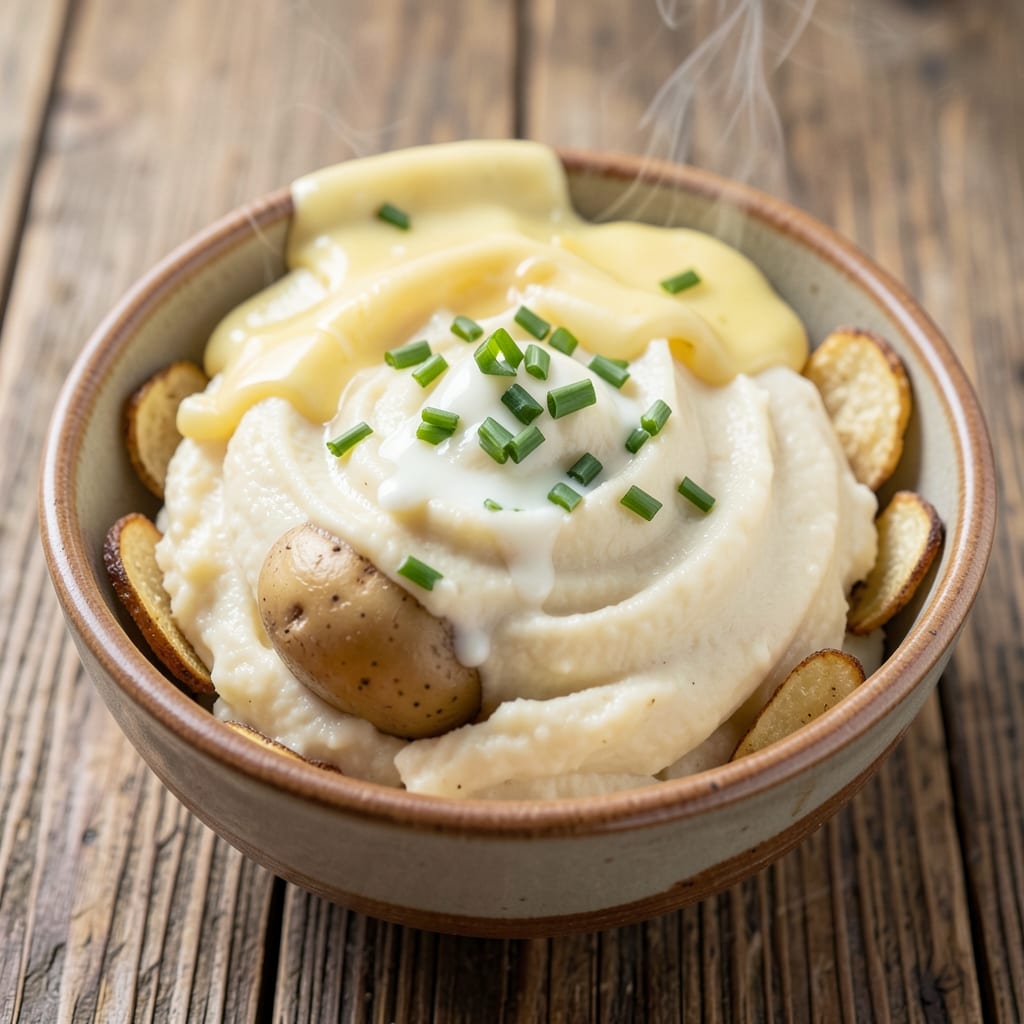
This 2 person mashed potato recipe delivers ultra-creamy results without the usual leftovers mess—perfect for cozy weeknight dinners or intimate gatherings. The secret lies in precise cooking times and the right ratio of butter to milk, creating a velvety texture that’s impossible to resist.
I’ve tested this recipe countless times to ensure every bite is perfectly smooth, with no lumps or watery consistency to ruin the experience.
What sets this recipe apart is its efficiency—just two medium potatoes yield enough for two generous servings, with no waste. The key technique involves boiling the potatoes until fork-tender, then mashing them while still hot with warm dairy and a generous amount of butter.
This method guarantees a rich, velvety finish that’s far superior to store-bought versions. The result? A side dish so smooth it feels like a luxurious treat, not just a simple potato preparation.
Once you’ve achieved that fluffy, buttery perfection, the possibilities are endless. Garnish with a sprinkle of fresh chives, a drizzle of melted butter, or a pinch of smoked paprika for added depth.
Serve alongside roasted chicken, steak, or even a hearty beef stew—this mashed potato recipe elevates any main dish into a restaurant-worthy meal. The best part? No leftovers to deal with, just pure, satisfying comfort food.
For those who love customization, you can easily adjust the creaminess by adding more or less milk, or swap in sour cream for a tangy twist. The recipe scales effortlessly if you ever need to double it, but for now, let’s focus on making the perfect portion for two.
Ready to transform simple potatoes into something extraordinary? Let’s get started.
Ingredients for 2 person mashed potato
Two potatoes, five ingredients, velvety perfection—this is your no-fuss mashed potato game-changer.
| Ingredient | Amount | Notes |
|---|---|---|
| Russet Potatoes 🥔 | 2 whole | Medium size, peeled and quartered |
| Unsalted Butter 🧈 | ½ cup | Cold, cubed for best texture |
| Heavy Cream 🥛 | ¼ cup | Warm slightly for creaminess |
| Whole Milk 🥛 | ¼ cup | Warm for smooth blending |
| Salt 🧂 | 1 tsp | Kosher or sea salt preferred |
| Fresh Chives 🌿 | 2 tbsp | Chopped for garnish |
| Smoked Paprika 🌶️ | ¼ tsp | Optional for depth of flavor |
| Black Pepper 🌶️ | ¼ tsp | Freshly ground for best flavor |
Russet potatoes are your secret weapon here—their high starch content creates that signature fluffiness. Look for firm, unblemished potatoes with no sprouts, and avoid those with green spots (bitter taste). I always grab mine from Whole Foods or the organic section at Kroger—they hold up better during boiling. The butter? Plugrá or Land O’Lakes are my go-tos, but any good-quality unsalted butter will do. Pro tip: let the potatoes sit at room temperature for 30 minutes before peeling to prevent them from sticking to your knife.
No heavy cream? Full-fat sour cream or extra milk works in a pinch—just reduce the milk by half. Swapping butter for olive oil? Use half the amount (¼ cup) and add a splash of milk to compensate. Fresh chives are ideal, but dried chives or parsley at half the amount will do. The smoked paprika adds that restaurant-quality depth—if you don’t have it, regular paprika or a pinch of cayenne gives a similar smoky kick. And for the love of mashed potatoes, don’t skip warming the dairy—cold milk or cream creates lumps faster than you can say ‘disaster.’
This recipe reheats beautifully—just pop it in the microwave for 30 seconds with a splash of milk. For 3-4 days of freshness, store in an airtight container with a tight-fitting lid. The butter layer on top keeps everything moist. Freeze portions in ice cube trays for up to 3 months—just thaw overnight in the fridge before reheating. And here’s my favorite part: no leftovers to deal with. This recipe is engineered for exactly two servings, so you’ll never have that sad, watery potato situation again.
Why You’ll Love This Recipe
- Half the Potatoes: I swear by this recipe when I’m cooking for one or two—just two big russets mean no leftovers piling up. The secret’s in peeling and chopping them the same size so they cook evenly, no waiting for laggards.
- Butter So Rich: That first forkful of velvety potatoes with cold butter worked into the mix? It’s the kind of indulgence that makes you pause mid-bite. Heavy cream and whole milk keep it luscious without being greasy—trust me, I’ve tried the shortcuts.
- Weeknight Sidekick: This is my go-to when I’m roasting chicken or grilling steaks—ready in the same time it takes to sear a filet. Honestly, I’ve served it at holiday dinners too, just scaled up. The crowd never questions the portion.
- Budget-Friendly Luxury: Russets are cheap, butter’s a splurge you can control, and a splash of cream stretches further than you’d think. I make this twice a month and still have change left for wine. Best of all? It tastes like you spent hours, not 20 minutes.
Step-by-step instructions for ultra-creamy mashed potatoes
Here’s how to achieve restaurant-quality mashed potatoes with just two ingredients doing the heavy lifting.
Boil the Potatoes Until Tender
Place the 2 whole Russet Potatoes in a medium pot and cover with cold water by about 2 inches. Add the 1 teaspoon Salt and bring to a rolling boil over high heat. Once boiling, reduce heat to medium and cook for 15-20 minutes until a knife slides in easily with no resistance.
Real talk: Don’t skip the salt in the water—it seasons the potatoes from the inside out. You’ll know they’re done when the skin starts to crack slightly and the flesh is completely soft. Drain immediately in a colander and return to the pot to steam dry for 1 minute—this removes excess moisture that can make your mash watery.
Mash the Potatoes to Smooth Perfection
Add the 0.5 cup Unsalted Butter (still cold and cubed) to the hot potatoes. Using a potato masher or ricer, work the butter into the potatoes until completely smooth. I like to press down firmly to break up any lumps—this is where you build that silky texture. If using a ricer, push through in stages to avoid overfilling the bowl.
The butter should melt completely from the residual heat, creating a velvety base. Don’t rush this step—each press should leave the potatoes completely smooth. This is your foundation for ultra-creamy results, so take your time. If you see any dry spots, add 1 tablespoon of the warm Whole Milk to help emulsify.
Add Cream and Season for Richness
Increase heat to medium-low and add the 0.25 cup Heavy Cream and 0.25 cup Whole Milk (both warmed slightly). Stir constantly with a wooden spoon, letting the mixture heat through for 2-3 minutes until it reaches 160°F—just warm enough to melt the butter completely but not boil. This gentle heating helps the cream blend seamlessly without curdling.
Now add the 0.25 teaspoon Smoked Paprika and 0.25 teaspoon Black Pepper, stirring until fully incorporated. Taste and adjust seasoning with more Salt if needed—remember, the potatoes absorbed some during boiling. The cream should make the mash luxuriously smooth, with a velvety coat on your spoon that doesn’t break apart immediately.
Finish with Chives and Serve Immediately
Transfer the mashed potatoes to a serving bowl and fold in the 2 tablespoons Fresh Chives using a rubber spatula. The chives add a bright, fresh finish that cuts through the richness. For the creamiest texture, serve immediately while still warm—mashed potatoes continue to thicken as they cool, so don’t let them sit.
Here’s the thing—this method guarantees creamy, lump-free potatoes with perfect seasoning every time. The butter and cream combination creates that signature velvety mouthfeel, while the warm milk ensures smooth blending. Trust the process, and you’ll have mashed potatoes so good you’ll want to make them twice a week!
Pro Tips For Making 2 Person Mashed Potato
- PEEL AFTER COOKING: Russets are stubborn—peeling them raw is a pain. Toss them unpeeled into boiling water, then drain and peel while still hot. The skins slide off like magic, and you won’t lose any potato flesh to the peeler. (Yes, even if you’re impatient like me—just wait for the water to boil first.)
- USE HALF MILK, HALF CREAM: Heavy cream makes mashed potatoes rich, but it can turn them greasy. Split the difference: use 2 tablespoons whole milk and 2 tablespoons heavy cream for every 1 cup of potatoes. The milk keeps it light, while the cream adds just enough velvety body. (I learned this the hard way after serving a lumpy, overly dense batch.)
- DRAIN WELL, THEN DRY: After boiling, drain the potatoes thoroughly—no one wants soggy mash. Then, spread them on a clean towel and let them sit for 2-3 minutes. This step removes excess moisture so your potatoes stay creamy, not gluey. (Skip this, and you’ll be chasing extra butter to fix the mess.)
- MASH HOT, NOT LUKEWARM: Wait until the potatoes are piping hot before adding butter and milk—cold potatoes make for a pasty, uneven texture. Work fast: fold in the warm dairy and butter with a few vigorous presses of a potato masher or ricer. (I was skeptical until I tried it—now I never go back.)
Storing and reheating this recipe
Refrigerator Storage
Store your mashed potatoes in an airtight container with a tight-fitting lid, pressing plastic wrap directly on the surface to prevent a skin from forming. I use glass Pyrex bowls because they keep the texture intact better than metal.
Keep them refrigerated for up to 3 days—the flavor actually deepens as the spices meld together. The butter layer on top acts like a protective seal, locking in moisture. 🥄
Freezer-Friendly Tips
For longer storage, portion your mashed potatoes into quart-sized freezer bags or silicone molds, leaving ½ inch headspace for expansion. Freeze flat for easier thawing—this prevents ice crystals that can make them grainy.
Thaw overnight in the fridge before reheating. They’ll keep for up to 3 months without losing texture, though I recommend using them within 2 months for peak creaminess.
Microwave Reheating
This is my go-to method because it’s fastest and preserves texture. Transfer 1 cup portions to a microwave-safe bowl, cover with a damp paper towel, and heat on 50% power for 1-2 minutes.
Stir halfway through, then add 1 tablespoon warm milk or cream to restore that velvety consistency. If it looks dry, add another splash—mashed potatoes dry out fast when reheated. 🔥
Stovetop Revival
For restaurant-quality results, reheat on the stovetop in a lightly oiled skillet over low heat. Add 2 tablespoons warm milk for every 1 cup of potatoes and stir constantly for 3-4 minutes until fully heated.
The gentle heat prevents curdling and keeps the butter emulsified. This method works best for larger batches—perfect if you’ve made extra for leftovers.
Garnish Before Serving
Always finish with fresh garnishes after reheating. Sprinkle with chopped chives, a pat of melted butter, or a pinch of smoked paprika to revive the flavors. I also love adding a dash of cream cheese while reheating for extra richness.
The key is to garnish immediately before serving—this keeps everything looking and tasting fresh. ✨
Nutrition facts
Frequently asked questions
Can I use Yukon Gold potatoes instead of Russets?
Yes, but with a few adjustments! Yukon Golds are waxier and hold their shape better, so they’ll give you slightly lumpier mash. For ultra-creamy results, boil them 5 minutes longer than Russets (about 20-25 minutes) and add an extra 1 tablespoon of warm milk after mashing to compensate for their lower starch content. The flavor will be slightly nuttier and more buttery—perfect for those who prefer a less fluffy texture.
Why did my mashed potatoes turn out watery?
This usually happens from one of three things: over-boiling (which breaks down the starches), not draining well, or adding cold dairy. To fix it, drain your potatoes thoroughly and return them to the pot to steam dry for 1-2 minutes after draining. Also, make sure your milk and cream are warm (not hot) when adding—they should feel slightly cooler than the potatoes, not icy. For extra insurance, mash first, then stir in the dairy while still on low heat.
What’s the best way to make these mashed potatoes ahead of time?
For 24 hours ahead, store in an airtight container with plastic wrap pressed directly on the surface. Reheat with 1 tablespoon warm milk per cup in the microwave at 50% power for 1-2 minutes, stirring halfway. For 3+ days, freeze in quart-sized bags (leave ½ inch headspace) and thaw overnight in the fridge. The texture will be slightly drier after freezing, so add extra warm milk when reheating.
Can I make this recipe dairy-free?
Swap the butter for ½ cup vegan butter or olive oil and use ½ cup full-fat coconut milk instead of the dairy. For extra creaminess, add 1 tablespoon nutritional yeast to mimic the buttery flavor. The texture will be slightly different (more moist than ultra-creamy) but still delicious. Start with ¼ cup coconut milk and add more as needed to reach your desired consistency.
How do I keep my mashed potatoes from getting gluey?
Gluey potatoes happen when the starches over-develop from over-mashing or reheating. To prevent this: 1) Mash just until smooth (don’t overwork), 2) Reheat gently with extra warm milk (never dry), and 3) Avoid microwaving uncovered. For reheating, always use low heat and stir constantly. If it starts looking thick, add 1 teaspoon milk at a time until smooth. The key is to keep everything warm but never boiling.

- 2 Lb Oatmeal Bread Machine Recipe: Hands-Off Crusty Loaf With Nutty Depth - September 30, 2026
- 8-Inch Pecan Pie Recipe: Buttery Crust and Caramelized Nut Bliss - September 30, 2026
- 1 Loaf Homemade Bread Recipe: Crusty Crunch and Airy Crumb in One Bowl - September 30, 2026