
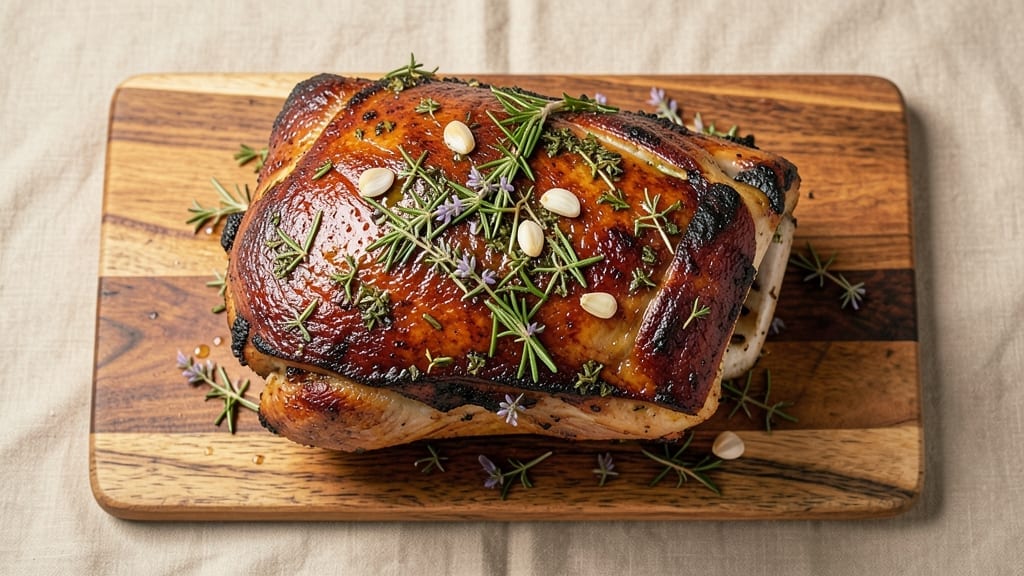
A 2.5 lb standing rib roast cooked to a perfect juicy pink center is the ultimate centerpiece for any dinner table—rich, tender, and packed with flavor that impresses even the most discerning guests.
The secret lies in a simple herb crust that locks in moisture while creating a flavorful bark, and a precise roasting method that ensures every bite stays succulent. This isn’t your typical dry, overcooked roast; it’s a restaurant-quality cut that delivers melt-in-your-mouth tenderness without sacrificing that satisfying crust.
What sets this recipe apart is the balance of technique and simplicity—no fancy equipment or complicated steps, just a well-seasoned roast, a steady oven temperature, and patience.
The herb crust isn’t just for flavor; it acts as a protective barrier that keeps the meat moist while adding layers of aromatic depth.
And the resting time is non-negotiable—it’s the difference between a roast that falls apart beautifully and one that loses its juices the moment you slice into it.
By the time you serve this roast, you’ll have a perfectly pink center surrounded by a flavorful crust, all cut into generous slices that hold their shape on the plate.
The aroma alone will have everyone anticipating the first bite, and the texture—tender yet slightly firm—will make this the star of your meal. Whether you’re hosting a holiday feast or treating yourself to a special Sunday dinner, this recipe delivers results that feel like a five-star restaurant experience.
Pair it with classic sides like roasted garlic mashed potatoes, a crisp green salad, or caramelized onions to complete the meal. The key is letting the roast shine as the centerpiece while the sides complement its richness.
Here’s how to achieve that perfect balance of flavor, texture, and presentation every time.
Ingredients for 2.5 lb standing rib roast
A restaurant-worthy roast starts with these premium ingredients—rich, aromatic, and carefully chosen for that perfect herb crust and juicy pink center.
| Ingredient | Amount | Notes |
|---|---|---|
| Standing Rib Roast 🥩 | 2 ½ lb | Bone-in, center-cut for even cooking |
| Fresh Rosemary 🌿 | ½ cup | Finely chopped, fresh preferred |
| Fresh Thyme 🌿 | ¼ cup | Leaves only, stems removed |
| Fresh Garlic 🧄 | 6 cloves | Peeled, smashed for intense flavor |
| Extra-Virgin Olive Oil 🫒 | ⅓ cup | High-quality, fruity variety |
| Diamond Crystal Kosher Salt 🧂 | 1 ½ tbsp | Coarse grain for even seasoning |
| Freshly Ground Black Pepper 🌶️ | 1 ½ tsp | Freshly cracked for maximum aroma |
| Unsalted Butter 🧈 | ½ cup | Cold, cut into small cubes |
| Yellow Onion 🧅 | 1 whole | Thinly sliced for herb crust |
| Fresh Parsley 🌿 | ¼ cup | Chopped, for garnish and crust |
| Beef Tallow or Duck Fat 🥄 | 2 tbsp | For basting, optional but recommended |
The standing rib roast is your star, so splurge on a center-cut piece with good marbling—Costco or Whole Foods carry excellent cuts, but ask your butcher for a well-trimmed piece if you want to get fancy. Look for vibrant color and firm texture; anything grayish or soft is a no-go. Fresh herbs are non-negotiable here—Trader Joe’s sells great bundles, but if you’re growing your own, snip the rosemary and thyme right before using for maximum fragrance. The garlic should smell pungent, not musty, and the olive oil? California Avocado or Colavita are my go-tos for that rich, fruity depth that carries through the crust.
No fresh rosemary? Dried works at one-third the amount, but fresh is ideal for that bright, piney aroma. Short on butter? Vegan butter or coconut oil holds up fine, though traditional butter gives the crust its signature richness. The onion adds sweetness to the crust—yellow or red both work, but avoid sweet onions like Vidalia if you want pure savory depth. For the tallow or duck fat, render your own if you’re ambitious, or grab pre-made from the butcher section. Pro tip: if your roast is lean, add an extra tablespoon of fat to keep it moist. And if you’re out of parsley, cilantro or chives** work in a pinch for garnish.
This roast tastes even better the next day—rest it for 15-20 minutes before slicing to retain juices, then store wrapped in foil for up to 3 days. For longer storage, freeze portions in airtight containers for up to 3 months. The herb crust keeps well for 2 days in the fridge if prepped ahead, but the butter will soften, so add it just before roasting. Slice against the grain for maximum tenderness, and save the trimmings for a quick pan sauce—deglaze with red wine** and a splash of beef broth for instant flavor.
Why You’ll Love This Recipe
- Herb-Crusted Magic: That combination of rosemary and thyme with garlic? It’s like a flavor bomb that turns a simple roast into something restaurant-worthy. The crust is fragrant, the meat melts in your mouth, and my kids actually ask for seconds—no joke.
- Weeknight Hero: Between us, this is my go-to when I need to feed a crowd but don’t want to slave over the stove. It’s done in under two hours, and the leftovers? Perfect for sandwiches or a quick hash the next day. (Yes, even on a Tuesday night.)
- Budget-Friendly Feast: A 2.5 lb roast stretches further than you’d think, and the fresh herbs make it feel special without breaking the bank. I’ve served this for holidays, game days, and lazy Sundays—same recipe, always hits the spot. My wallet (and guests) thank me.
Step-by-step instructions for herb-crusted standing rib roast
Here’s how to transform a simple rib roast into a showstopping centerpiece with a fragrant herb crust and a perfectly pink interior.
Prepare the Herb Crust Mixture
In a food processor, combine the 0.5 cup fresh rosemary, 0.25 cup fresh thyme, 6 cloves fresh garlic, 1 whole yellow onion, and 0.25 cup fresh parsley. Pulse until finely chopped but not pasty—you want visible texture for that rustic, aromatic crust. Transfer the herb mixture to a medium bowl.
Add the 0.33 cup extra-virgin olive oil and 0.5 cup unsalted butter to the bowl. Using your hands, work the mixture until it forms a loose, crumbly paste. This ensures the herbs adhere beautifully to the roast and infuse every bite with flavor. The butter adds richness that balances the herbs’ intensity, while the olive oil helps bind everything together.
Season and Coat the Roast
Pat the 2.5 lb standing rib roast completely dry with paper towels—this is critical for achieving a crispy crust. Season both sides generously with 1.5 tbsp diamond crystal kosher salt and 1.5 tsp freshly ground black pepper, pressing the salt into the meat so it penetrates slightly. Let the roast sit at room temperature for 30 minutes while you preheat the oven to 425°F.
Spread the herb mixture evenly over the entire surface of the roast, pressing gently to ensure it sticks. For extra flavor, tuck some of the herb paste into the crevices and around the bone. Place the roast on a rack set inside a roasting pan—this allows heat to circulate evenly for a perfectly cooked roast. If using, rub the 2 tbsp beef tallow or duck fat over the top for an extra layer of richness and moisture.
Roast to Juicy Perfection
Roast the rib roast at 425°F for 20 minutes to render the fat and create a golden-brown crust. Reduce the oven temperature to 325°F and continue roasting for 1 hour 15 minutes to 1 hour 30 minutes, depending on your preferred doneness. For a juicy pink center, aim for an internal temperature of 130°F—this is the perfect medium-rare finish for a standing rib roast.
Baste the roast every 20 minutes with its own juices and any rendered fat. This keeps the meat moist and enhances the herb crust’s flavor. The roast is done when the internal temperature reaches 130°F and the crust is deeply golden and crisp. Let the roast rest for 15 minutes before carving—this allows the juices to redistribute, ensuring every slice is succulent and flavorful.
Carve and Serve with Confidence
Slice the roast against the grain into ½-inch thick slices, starting from the bone outward. This technique ensures each bite is tender and easy to chew. Arrange the slices on a warm platter, spooning any pan juices over the top for extra richness. Garnish with additional fresh parsley for a pop of color and freshness.
Serve immediately with roasted vegetables, crusty bread, or a simple green salad to balance the dish. The herb crust should be fragrant and slightly crisp, while the meat remains juicy and pink at the center. This roast delivers restaurant-quality results with minimal effort—perfect for any special occasion or Sunday dinner.
Pro Tips For Making 2.5 Lb Standing Rib Roast
- USE A MEAT THERMOMETER: The rib roast’s internal temp is your only reliable guide—aim for 130°F (medium-rare) for a 2.5 lb roast. I learned this the hard way: guessing by touch led to either dry meat or sad, undercooked slices. (Yes, even with a 2.5 lb cut, don’t eyeball it.)
- SMASH GARLIC CLOVES: Peel and crush those garlic cloves with the flat side of your knife—this releases more flavor than mincing. My grandmother swore by this, and she was right: the roast absorbs the aroma better when the garlic is bruised, not just chopped. (Bonus: skip the pre-minced jar stuff.)
- SEAR IN BATCHES: A crowded pan steams instead of sears. Brown the roast in two rounds—start with the bone side down for 3 minutes, flip, then add the flat side. This gives you a deep crust without a sad, greasy mess. (I used to rush this, and the roast just sat there looking sad.)
- REST UNDER FOIL: Let the roast rest 10-15 minutes under foil—this keeps it warm while the juices redistribute. I know, I know, you want to slice immediately, but cutting too soon turns your perfect roast into a sad, juicy pile of disappointment. (Your future self will thank you.)
Wine and beer pairings for 2.5 lb standing rib roast
Bold Red Wine
For a standing rib roast with its rich, herbaceous flavors, a full-bodied red wine is your best bet. I always reach for a Cabernet Sauvignon from Napa Valley—its dark fruit notes and velvety tannins complement the rosemary and garlic perfectly.
A 2018 Cakebread or 2019 Far Niente (both under $100) brings out the roast’s depth while standing up to its intensity. 🍷
Earthy Pinot Noir
If you prefer something lighter but still robust, a Pinot Noir from Oregon’s Willamette Valley offers an elegant contrast. The bright acidity and red fruit flavors cut through the butter in the herb crust without overpowering the beef.
Look for Domaine Serene or La Crema—both deliver complexity at reasonable prices ($30-$50).
Malbec for Bold Lovers
For those who love their reds bold and jammy, an Argentinian Malbec like Catena Zapata or Bodega Norton pairs beautifully. The dark plum and chocolate notes mirror the roast’s crust while adding a touch of smokiness. Serve slightly chilled (55-60°F) to enhance its velvety texture.
Beer Pairings
A Belgian Dubbel like Westmalle Trappist or a German Dunkelweizen from Weihenstephan adds a malty, slightly sweet contrast to the herb crust. For a lighter option, try a crisp American IPA (like Stone Ruination)—the hop bitterness balances the richness of the roast beautifully. 🍺
Non-Alcoholic Options
Don’t drink alcohol? No problem. A sparkling apple cider (like Martinelli’s) or hibiscus iced tea with a splash of lime provides refreshing acidity that cleanses the palate between bites. For something richer, try a smoked black tea (like Lapsang Souchong)—the smoky notes echo the roast’s crust.
Nutrition facts
Frequently asked questions
What’s the ideal internal temperature for a juicy pink center?
For a standing rib roast, aim for 130°F internal temperature—this gives you that perfect medium-rare finish with a pink center. Use a meat thermometer inserted into the thickest part (not touching bone) to check. The roast will continue rising 5°F while resting, so pull it out just before it hits your target.
Can I use dried herbs instead of fresh?
Yes, but adjust the amounts! Use 1 tbsp dried rosemary and 1 tsp dried thyme (about 1/3 the fresh quantity). Dried herbs lack moisture, so add 1 extra tbsp olive oil to the crust mixture to compensate. The flavor will be less vibrant but still delicious—just not as aromatic as fresh.
How do I prevent the roast from drying out?
Three key steps: 1) Don’t skip the resting time—15 minutes lets juices redistribute. 2) Baste every 20 minutes with rendered fat. 3) Use a meat thermometer instead of guessing time. A 2.5 lb roast at 325°F should never exceed 135°F internal temp for juiciness.
What’s the best way to reheat leftovers?
Slice the roast first, then reheat in a skillet with 1 tbsp butter over medium-low heat for 2-3 minutes per side. For larger portions, cover tightly with foil and warm in a 275°F oven for 15-20 minutes. Never microwave—it turns meat rubbery. Leftovers keep well for 3 days wrapped tightly.
Should I trim the fat cap before roasting?
Leave it on! The fat cap renders during roasting, basting the meat automatically and keeping it moist. If you’re concerned about appearance, trim just the outer layer of fat to ¼-inch thickness**. The remaining fat protects the meat from drying out—it’s nature’s basting tool.

- 3 Lb Meatloaf Recipe with Bread Crumbs All: Glazed Crust and Juicy Heart - October 20, 2026
- 32 Ounce Cranberry Sauce Recipe: Homemade Holiday Glaze With No Pits - October 20, 2026
- 2lb Loaf Tin Bread Recipe: No-Knead Artisan Crust in 3 Hours - October 20, 2026