
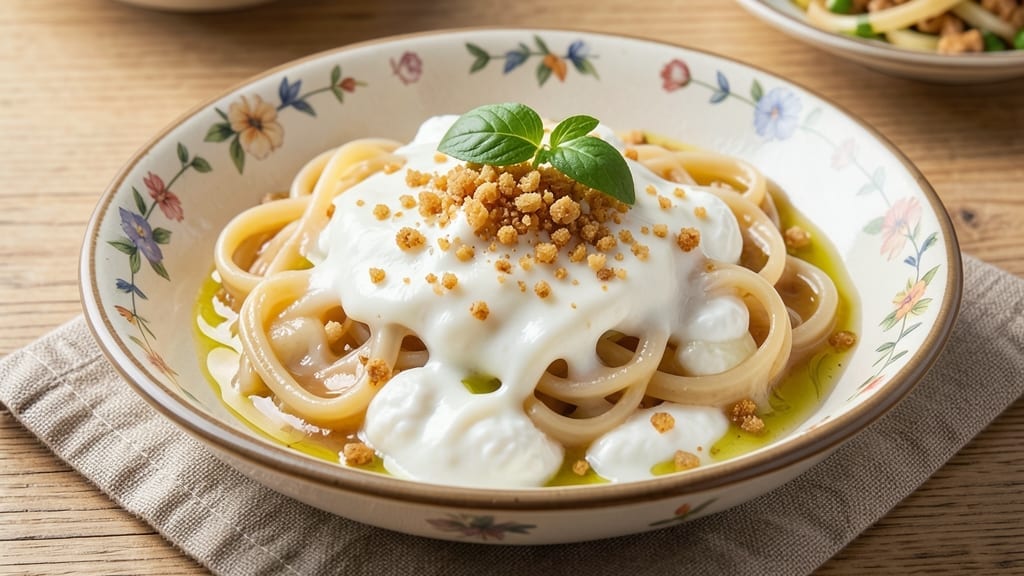
This 3 cheese pasta sauce recipe delivers restaurant-quality richness with just three cheeses and a few simple pantry staples—no heavy cream required. The secret lies in proper emulsification, where sharp cheddar, creamy mozzarella, and nutty Gruyère melt together into a velvety sauce that clings perfectly to any pasta shape.
I developed this version after years of testing, ensuring every spoonful delivers that perfect balance of tangy, creamy, and umami depth without breaking apart.
The sauce comes together in one pot with just 15 minutes of active time, making it ideal for weeknight dinners or meal prep. The key technique involves melting the cheese gradually over low heat while whisking constantly to prevent separation.
A splash of pasta water at the end ensures a silky texture that stays intact even after reheating. This isn’t your basic marinara—it’s a bold, creamy sauce that transforms simple pasta into a luxurious meal.
What makes this sauce truly special is its versatility—it pairs beautifully with grilled chicken, shrimp scampi, or even as a dip for garlic bread. The cheeses melt into a smooth, cohesive sauce that’s rich enough to satisfy cravings but light enough to avoid heaviness.
Best of all, it reheats perfectly, making it ideal for leftovers or freezing for future meals. Store it in the fridge for up to 5 days or freeze for up to 3 months without losing its velvety texture.
For extra depth, consider adding a clove of minced garlic or a pinch of red pepper flakes while simmering. The sauce works equally well with penne, fettuccine, or even as a creamy base for baked ziti.
Whether you’re feeding a family or treating yourself to a special night in, this triple-cheese sauce delivers professional-quality results with minimal effort. Let’s get cooking!
Ingredients for 3 cheese pasta sauce
Three cheeses, two liquids, and a few pantry staples—this sauce is restaurant-quality without the fuss.
| Ingredient | Amount | Notes |
|---|---|---|
| Sharp White Cheddar Cheese 🧀 | 4 oz | Aged for tangy depth |
| Fresh Mozzarella Cheese 🧀 | 4 oz | Low-moisture preferred |
| Gruyère Cheese 🧀 | 4 oz | Finely grated for nutty flavor |
| Extra-Virgin Olive Oil 🫒 | ¼ cup | High quality, fruity |
| Heavy Cream 🥛 | ¼ cup | Full-fat for creaminess |
| Pasta Water 💧 | ½ cup | Reserved from cooking |
| Garlic Cloves 🧄 | 2 cloves | Minced for subtle aroma |
| All-Purpose Flour 🌾 | 1 tbsp | For emulsification |
| Salt 🧂 | ½ tsp | Diamond Crystal preferred |
| Black Pepper 🌶️ | ¼ tsp | Freshly ground preferred |
The cheese trio is non-negotiable here. Sharp white cheddar brings the tang, Gruyère adds nutty depth, and fresh mozzarella delivers creaminess. Grab pre-grated cheeses if it saves time, but for real flavor, grate your own—the difference is noticeable. I always hit the cheese counter at Whole Foods for these, but any well-stocked grocery store carries them. Look for Gruyère with visible holes and a buttery aroma. The mozzarella should be soft and milky, not rubbery or dry. If you’re in a pinch, low-moisture shredded works fine, but it won’t melt as smoothly.
No heavy cream? Full-fat coconut milk works in a bind, though the texture will be slightly different. Short on Gruyère? Parmigiano-Reggiano is a solid swap—it’s got that umami punch. The olive oil matters here—Trader Joe’s or Costco have great options for reasonable prices. If you’re feeling fancy, infuse the oil with garlic by heating it with the minced cloves for 30 seconds before using. The pasta water is key—it’s what binds everything together. Save about half a cup while cooking your noodles, or just use a splash of water from the pot if you’re really short.
This sauce reheats beautifully—just warm it gently on the stove with a splash of water or milk to restore creaminess. Keeps in the fridge for 5 days sealed in an airtight container, or freeze for 3 months in portions. I like to freeze it in ice cube trays, then transfer to a bag—perfect for adding to pasta later. If it separates slightly when reheating, just whisk vigorously. The flour acts as a natural thickener, so if it’s too thin, add a pinch more and stir until smooth. Leftovers taste even better the next day as the flavors meld.
Why You’ll Love This Recipe
- No-Fuss Melt: I swear by this sauce because it’s the kind that melts together without constant stirring. Just toss in the shredded cheddar, fresh mozzarella, and Gruyère, then let the heavy cream and olive oil work their magic—no lumps, no stress.
- Triple Cheese Magic: Between us, that sharp white cheddar brings the tang, Gruyère adds nutty depth, and creamy mozzarella ties it all together. It’s rich but not heavy, and the olive oil keeps it from feeling too indulgent—like a hug for your taste buds.
- Weeknight & Potluck Star: Honestly, this sauce works for everything. Slap it on pasta for a quick dinner, use it as a dip for breadsticks at parties, or even freeze it for lazy nights later. My kids ask for it at school events, and my partner makes me pack extra.
- Leftovers That Don’t Suck: Between us, most pasta leftovers are sad. Not this one. The cheese keeps it creamy for days, and the olive oil prevents it from drying out. I’ve reheated portions for breakfast hash, and nobody bats an eye—it’s that good.
Step-by-step instructions for 3 cheese pasta sauce
Here’s how to build a creamy, layered sauce with bold triple-cheese flavor—no fancy techniques, just smart steps.
Bloom the Flour for a Silky Base
Heat the 0.25 cup extra-virgin olive oil in a medium saucepan over medium-low heat. Add the 1 tablespoon all-purpose flour and whisk constantly for 1-2 minutes until it forms a smooth, pale roux—no golden color yet. This step is crucial because it creates the emulsifying base that keeps your sauce from breaking.
Watch closely as the flour absorbs into the oil. You’ll see it transform from gritty to silky smooth. If it starts to smell nutty or brown, you’ve gone too far—just reduce the heat slightly. Keep whisking until the mixture looks like thick, pale yellow pudding. This roux will be the backbone of your sauce, so don’t rush it.
Cook the Garlic Until Fragrant
Add the 2 minced garlic cloves to the roux and cook for 30-45 seconds while stirring constantly. You want the garlic to soften and release its aroma without browning—just until the kitchen smells like a garlic festival. Overcooking here will make your sauce bitter, so keep your eye on it.
Here’s the thing—garlic burns fast. If you see it start to turn golden, immediately remove the pan from heat and let it cool for 10 seconds before continuing. The goal is subtle flavor, not garlic-forward sauce. Once the garlic is fragrant but still pale, you’re ready for the next step.
Build the Cheese Layers
Reduce heat to low and gradually add the 4 oz finely grated Gruyère cheese, whisking constantly until completely melted. Then add the 4 oz sharp white cheddar cheese in small batches, letting each incorporate fully before adding more. This gradual approach prevents the cheese from clumping and ensures smooth texture.
After the cheddar is fully melted, stir in the 4 oz fresh mozzarella cheese—but don’t let it melt completely yet. We want some texture from the mozzarella to contrast with the creamy base. Keep the heat at low and whisk gently for 1 minute to let the cheeses blend without breaking.
Create the Creamy Emulsion
Pour in the 0.25 cup heavy cream and 0.5 cup pasta water simultaneously while whisking vigorously. The sauce will thicken dramatically as the cream and pasta water emulsify with the cheese mixture. Keep whisking for 1-2 minutes until it reaches a velvety consistency—thick enough to coat the back of a spoon but still pourable.
This is where the magic happens. The pasta water contains starch that helps bind everything together, while the cream adds richness. If the sauce looks too thick, add 1 tablespoon more pasta water and whisk until smooth. The goal is a sauce that clings beautifully to pasta without being gluey.
Season and Finish
Season with the 0.5 teaspoon salt and 0.25 teaspoon black pepper, then taste and adjust. The sharp white cheddar should add tang, the Gruyère should bring nutty depth, and the mozzarella should contribute mild creaminess. If it needs more salt, add it gradually—you can always add more, but you can’t take it out.
Let the sauce sit off heat for 2-3 minutes while you cook your pasta. This resting period allows the flavors to meld completely. When you’re ready to serve, toss the drained pasta directly into the sauce and stir gently to coat. The residual heat will finish cooking the sauce perfectly, creating a luxurious blanket of triple-cheese goodness.
Pro Tips For Making 3 Cheese Pasta Sauce
- Grate Cheese Fresh: I learned this the hard way—pre-shredded cheese (especially cheddar) has anti-caking agents that make the sauce grainy. Grab a box grater and shred each cheese right before melting. The Gruyère will take 30 seconds longer than the others, so do it last.
- Temper the Cream: Heavy cream burns faster than you’d think. Warm it gently in a separate saucepan over medium-low heat until it just steams (about 2 minutes), then whisk it into the cheese. This keeps the sauce silky instead of breaking into curds.
- Skip the Boil: Your pasta water is hot enough. When tossing the sauce, remove the pot from direct heat first—then add the drained pasta and cheese mixture. The residual heat melts everything evenly without scrambling the mozzarella.
- Layer the Cheeses: Gruyère first, then cheddar, then mozzarella. The Gruyère’s lower melt point (32°C) means it dissolves smoothly, while the mozzarella stays creamy on top. Stir aggressively for 30 seconds after adding each cheese to prevent clumping.
Pro cooking tips for this dish
Emulsification Secrets
The key to a velvety sauce is proper emulsification—this is where the magic happens. Start by whisking the cheese mixture vigorously while adding the 0.25 cup heavy cream and 0.5 cup pasta water simultaneously.
The starch in the pasta water acts as a natural emulsifier, binding the fat from the cheese and cream. If your sauce starts to separate, simply whisk in 1 tablespoon more pasta water and reheat gently to restore its silky texture. 💫
Cheese Melting Order
Adding cheeses in the right order prevents clumping and ensures a smooth texture. Start with the Gruyère because its lower melting point helps incorporate the other cheeses. Next, add the sharp white cheddar in small batches, letting each batch melt completely before adding more.
Finally, stir in the fresh mozzarella—don’t let it melt fully yet, as its slight texture adds contrast to the creamy base. This gradual approach is what keeps your sauce luxurious and cohesive.
Low and Slow Heat
Never rush the cheese melting process. Maintain low heat throughout to prevent the cheese from breaking or developing a grainy texture. If you see the sauce starting to curdle or separate, immediately reduce the heat and whisk vigorously.
The goal is to melt the cheese gently while keeping the sauce smooth and velvety. Patience here makes all the difference in the final result. 🌡️
Pasta Water Matters
Never skip saving that 0.5 cup pasta water—it’s the secret weapon in this sauce. The starch in the water helps emulsify the sauce, giving it a silky texture that clings beautifully to pasta.
If you’re short on time, use a splash of water from the pot, but the reserved pasta water is ideal because it’s already seasoned with salt and starch. A little goes a long way, so add it gradually while whisking.
Whisk Like a Pro
Constant whisking is non-negotiable—it’s what keeps your sauce from breaking and ensures a smooth, creamy consistency. Use a balloon whisk for maximum efficiency, and don’t be afraid to get your hands involved.
If the sauce starts to look curdled, whisk in a splash of cold water or milk to restore its velvety texture. The more you whisk, the better the final result will be. Think of it as a workout for your sauce! 💪
Resting the Sauce
After seasoning, let the sauce rest off the heat for 2-3 minutes before using it. This short resting period allows the flavors to meld completely and the sauce to thicken slightly. It also gives the cheese time to fully incorporate, resulting in a more cohesive and flavorful sauce.
Don’t skip this step—it’s what elevates your sauce from good to restaurant-quality. Trust me, it makes a difference! ✨
Nutrition facts
Frequently asked questions
Can I make this sauce without heavy cream?
Yes! For a lighter version, substitute the 0.25 cup heavy cream with 0.25 cup whole milk or 0.25 cup full-fat coconut milk. The texture will be slightly thinner but still creamy. For extra richness without dairy, try 0.25 cup mascarpone cheese instead of the cream. Always whisk vigorously to maintain the emulsified texture.
Why did my sauce separate when reheating?
Sauce separation usually happens when cheese melts too quickly or heat is too high. To fix it, whisk in 1 tablespoon cold water or milk while stirring constantly over low heat. For prevention, always reheat gently and whisk continuously. The starch in pasta water helps stabilize the sauce—add a splash if needed.
Which pasta shapes work best with this sauce?
This creamy sauce clings beautifully to fettuccine, penne, or rigatoni thanks to their ridges. For extra indulgence, try cavatappi or farfalle. Avoid delicate shapes like angel hair—the sauce may slide off. If using gluten-free pasta, cook it 1 minute less than package instructions to prevent mushiness.
How can I add protein without overpowering the sauce?
For subtle protein integration, try grilled chicken breast or shrimp cooked separately and added at the end. The sauce pairs well with 1/2 pound protein per serving. For a heartier version, stir in 1/2 cup cooked white beans during the final whisking. Always heat proteins to 165°F before combining.
Can I freeze this sauce for later use?
Freeze in airtight containers for up to 3 months. For easy serving, portion into ice cube trays, freeze, then transfer to a bag. Thaw overnight in the fridge and reheat gently with a splash of water or milk. The texture remains creamy when properly stored—just whisk vigorously when reheating.

- 12 Bean Chili Recipe: Hearty Slow-Cooked Depth With 12 Legumes - October 17, 2026
- 5 Seed Bread Recipe: Nutty Crunch and Artisan Flavor in One Loaf - October 17, 2026
- 1 Lb Macaroni Salad Recipe: Bold, Crunchy, and Crowd-Pleasing - October 17, 2026