
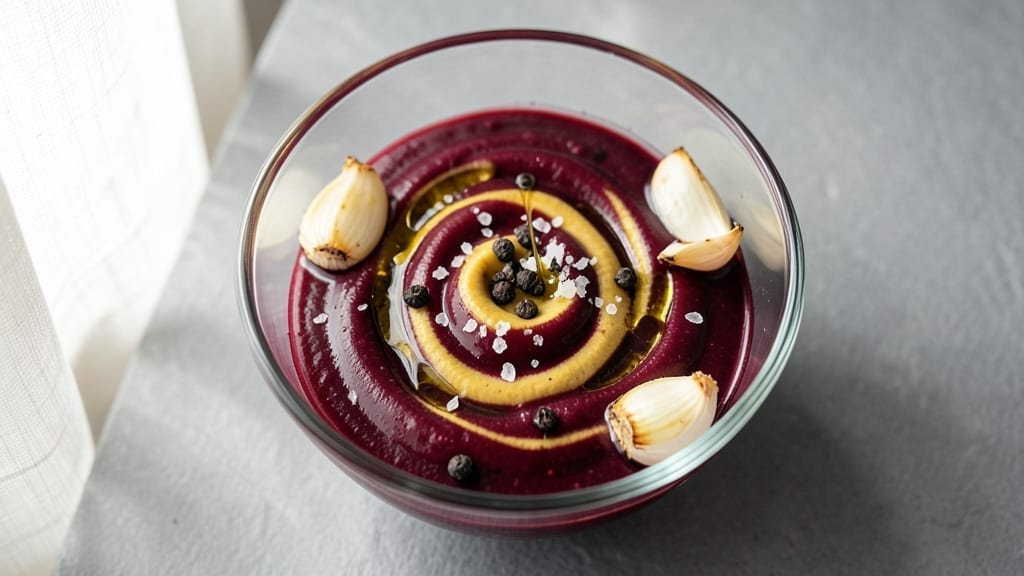
Here’s your 321 salad dressing recipe—where restaurant-worthy boldness comes from just three effortless ingredients, no fuss. The secret lies in balancing acidity, fat, and freshness to create a vinaigrette that clings perfectly to greens while standing up to hearty vegetables.
I developed this during a particularly busy week when I needed something that tasted gourmet but required minimal effort.
The magic happens with a precise 3:2:1 ratio of oil to vinegar to Dijon mustard, which creates a stable emulsion that won’t separate. This dressing works equally well on crisp arugula salads, hearty kale mixes, or as a marinade for grilled vegetables.
The Dijon mustard adds depth while preventing the vinegar from overpowering, and the high-quality olive oil ensures rich, velvety texture.
What you’ll end up with is a tangy, aromatic dressing that’s bright enough to cut through rich ingredients but balanced enough to complement delicate greens. The acidity from the vinegar keeps the dressing fresh-tasting even after a week in the fridge, making it perfect for meal prep.
This isn’t just another basic vinaigrette—it’s a versatile base that transforms ordinary salads into standout dishes.
Use it as-is for classic green salads, or customize with fresh herbs, minced garlic, or a touch of honey for sweetness. The possibilities are endless, but the preparation couldn’t be simpler. Let’s make this dressing that elevates every salad you’ll make this week.
Ingredients for 321 salad dressing
Three ingredients, one perfect ratio—this bold vinaigrette transforms any salad into restaurant-worthy.
| Ingredient | Amount | Notes |
|---|---|---|
| Extra-Virgin Olive Oil 🫒 | ¾ cup | High-quality, fruity, not bitter |
| Red Wine Vinegar 🍷 | ½ cup | Dry, bold variety preferred |
| Dijon Mustard 🌶️ | ¼ cup | Smooth, not chunky |
| Salt 🧂 | 1 ½ tsp | Kosher or sea salt |
| Black Pepper 🌶️ | ½ tsp | Freshly ground preferred |
| Garlic Cloves 🧄 | 2 cloves | Minced, optional for depth |
| Fresh Parsley 🌿 | ¼ cup | Chopped, optional garnish |
The olive oil is non-negotiable here—look for extra-virgin with a fruity aroma, not that cheap grocery store stuff. Trader Joe’s or Whole Foods carry great options, or grab a small bottle of California olive oil if you want to splurge. Vinegar matters too: dry red wine vinegar has more complexity than white vinegar. Balsamic vinegar works in a pinch, but it’ll throw off the balance. Skip the pre-mixed salad dressings—they’re loaded with preservatives and won’t taste as fresh. For the mustard, Maille Dijon is my go-to, but any smooth Dijon will do. The garlic and parsley are optional but add serious depth—minced with a microplane if you’re feeling fancy.
No red wine vinegar? Apple cider vinegar or white wine vinegar both work, but you might want to add a pinch more salt to compensate. Short on Dijon? Yellow mustard at half the amount gets you close, though it’s less refined. The dressing will still emulsify, but the flavor won’t be as sophisticated. Want to skip the garlic? Add a pinch of garlic powder instead. No fresh parsley? Dried parsley at one-third the amount works in a bind. The key is keeping that 3:2:1 ratio—if you adjust one ingredient, tweak another to maintain balance. Pro tip: if your dressing separates, just whisk it again or give it a quick shake.
This keeps for 1-2 weeks in the fridge, but it’s best used within the first week. Store it in a clean glass jar with a tight seal—no need for fancy containers. If you make extra, freeze half in ice cube trays for single-serving portions. To use frozen dressing, thaw in the fridge overnight and whisk before using. The flavor actually improves over time, getting more complex as the ingredients marry. I like to make a big batch on Sundays so I have dressing ready for the week. Just remember: if it smells off, toss it—vinegar-based dressings can go bad faster than you’d think.
Why You’ll Love This Recipe
- Five-Ingredient Magic: I swear by this combo—just oil, vinegar, mustard, and salt. That’s it. No fancy gadgets, no measuring cups with tiny lines you can’t see. Honestly, I keep a jar of this in the fridge because it’s the kind of dressing you’ll reach for every time.
- Tangy Kick: The red wine vinegar cuts through greens like a knife, while the Dijon mustard adds this deep, savory punch. Between us, it’s the kind of flavor that makes plain lettuce feel like a gourmet choice—no over-the-top labels needed.
- Leftover Goldmine: This dressing lasts forever in the fridge, and it only gets better as the flavors meld. I’ll be real: I’ve had a jar sit for weeks, and it’s still the star of my salads. No sad, wilted dressing here—just pure, reliable flavor.
- Budget Brightener: Extra-virgin olive oil and red wine vinegar are pantry staples that won’t break the bank. A little goes a long way, so you’re not drowning in expensive ingredients. Plus, the Dijon mustard adds that je ne sais quoi without costing a fortune.
Step-by-step instructions for bold vinaigrette dressing
Let’s whip up this tangy, flavorful dressing that’s foolproof every time.
Whisk Together the Base Ingredients
In a medium bowl, combine the 0.5 cup red wine vinegar and 0.25 cup Dijon mustard. Use a whisk to blend them thoroughly for about 30 seconds until the mustard is completely dissolved and the mixture is smooth. This base creates the perfect balance of tangy and creamy flavors that define a great vinaigrette.
Real talk: don’t skip this step. The mustard needs to fully incorporate with the vinegar to create that signature texture. If you see any streaks of mustard remaining, keep whisking until it disappears completely. This is your flavor foundation, so take your time here.
Gradually Add the Olive Oil
With the whisk still in the bowl, begin adding the 0.75 cup extra-virgin olive oil very slowly—about 1 tablespoon at a time. This gradual approach is crucial because it allows you to emulsify the dressing properly, preventing it from separating later. Whisk continuously until each addition is fully incorporated before adding more.
You’ll notice the mixture will start to thicken as you add the oil. This is normal and exactly what you want. The key here is patience—rushing this step often leads to a dressing that breaks apart. Once all the oil is incorporated, you should have a smooth, creamy vinaigrette with a glossy sheen.
Season with Salt, Pepper, and Garlic
Add the 1.5 teaspoons salt, 0.5 teaspoon black pepper, and 2 minced garlic cloves (if using) to the dressing. Stir well with the whisk or a fork to fully distribute the seasonings. Taste and adjust the seasoning if needed—you might want to add a bit more salt or pepper to suit your preference.
This is where the dressing comes together. The garlic adds depth, while the salt and pepper balance the acidity. I like to give it a good stir here because the garlic can sometimes settle at the bottom. If you’re using garlic, let it infuse for about 5 minutes before serving to let those flavors really meld.
Finish with Fresh Parsley (Optional)
Stir in the 0.25 cup chopped fresh parsley just before serving. The parsley adds a bright, fresh element that cuts through the richness of the olive oil and balances the acidity. It also makes the dressing look stunning—those little green flecks make any salad look restaurant-worthy.
Give it one final taste to make sure everything is balanced. If the dressing has separated slightly (which can happen with parsley), just give it a quick whisk to bring it back together. This dressing keeps well in the fridge for up to 1 week, so you can make a big batch and use it all week long.
Pro Tips For Making 321 Salad Dressing
- Whisk in Stages: Start by mixing the mustard and vinegar first—this keeps the oil from separating when you add it last. Drizzle in the olive oil slowly while whisking like you’re beating eggs, or you’ll end up with a greasy puddle instead of an emulsified dressing.
- Use Cold Mustard: Grab that Dijon from the fridge—cold mustard blends smoother and doesn’t thin out the dressing prematurely. I learned this after making a batch that turned into a sad, runny sauce because the mustard was at room temp.
- Salt the Oil: Salt the olive oil before combining it with the vinegar-mustard mix. This way, the salt distributes evenly, and you won’t end up with clumps of undissolved crystals. (Yes, even if the recipe says to salt at the end.)
- Shake Before Measuring: Give that extra-virgin olive oil a good shake before pouring—sediment settles, and you don’t want grit in your dressing. I skipped this once and ended up with a batch that tasted like I’d added sand to my salad. Not ideal.
Wine and beer pairings for this 321 salad dressing
White Wine Pairings
This bright, tangy vinaigrette pairs beautifully with crisp Sauvignon Blanc wines from New Zealand or Loire Valley. The citrusy notes in wines like Cloudy Bay or Sancerre complement the dressing’s acidity while cutting through rich salad ingredients like avocado or roasted vegetables.
I love opening a chilled bottle of Sauvignon Blanc alongside this dressing—it’s like a flavor symphony. 🍷
Red Wine Pairings
For heartier salads with grilled meats or roasted vegetables, try a light-bodied Pinot Noir from Oregon or Burgundy. The earthy undertones in wines like Domaine Drouhin or La Crema enhance the Dijon mustard’s depth without overpowering the dressing.
Serve slightly cooler than room temperature—around 55°F—to let the wine’s fruitiness shine through.
Beer Pairings
A crisp Belgian Witbier like Hoegaarden or Stella Artois works wonderfully with this dressing. The coriander and citrus notes in these beers mirror the vinaigrette’s brightness, creating a refreshing contrast. For a malty option, try a pale ale—the caramel and hoppy flavors balance the dressing’s tanginess beautifully. 🍺
Sparkling Wine Options
If you’re serving this dressing at a celebration, a glass of Prosecco or Cava adds an elegant touch. The bubbles cleanse your palate between bites, making the salad’s flavors pop. Look for La Marca Prosecco or Freixenet Cordon Negro for affordable yet quality options that won’t overpower the dressing.
Non-Alcoholic Pairings
For a refreshing non-alcoholic option, try sparkling apple cider or ginger beer. The effervescence and slight sweetness complement the dressing’s acidity. I also love pairing it with iced hibiscus tea—the tartness in the tea enhances the vinaigrette’s bold flavors without competing for attention.
Nutrition facts
Frequently asked questions
Why does this dressing use a 3:2:1 ratio?
The 3:2:1 ratio of oil to vinegar to mustard creates the perfect balance of richness, acidity, and creaminess. The oil provides body and fat-soluble vitamins, the vinegar adds tang to cut through richness, and the mustard acts as an emulsifier that keeps everything together. This ratio also ensures the dressing won’t be too heavy or too sharp, making it versatile for any salad.
Can I make this dressing without Dijon mustard?
Yes, but the flavor will be less refined. Use yellow mustard at half the amount (about 1.5 tablespoons) or whole-grain mustard at 1/4 the amount. For a completely mustard-free version, add 1 teaspoon honey or maple syrup to help balance the acidity and improve emulsification. The texture might separate more easily, so whisk vigorously when using.
How do I fix separated dressing?
Simply whisk or shake the jar vigorously for 30 seconds until fully re-emulsified. If it keeps separating, it might be too much oil—try adding 1-2 teaspoons vinegar and whisking again. For future batches, add ingredients in a slow, steady stream while whisking continuously. The mustard helps bind the emulsion, so ensure it’s fully dissolved in the vinegar first.
What’s the best way to store this dressing?
Store in a clean glass jar or airtight container in the fridge for up to 1 week. The vinegar helps preserve it longer than most dressings, but always check for any off smells before using. For longer storage, freeze in ice cube trays—thaw overnight in the fridge and whisk before serving. Avoid metal containers as they can react with the acidity over time.
Can I use this dressing for anything besides salads?
It works as a marinade for grilled chicken or fish, a dip for crudités or breadsticks, or even a finishing sauce for roasted vegetables or pasta. The acidity tenderizes meats, while the oil keeps everything moist. For marinades, use within 24 hours for best flavor. The dressing’s versatility makes it a pantry staple worth making in bulk!

- 12 Bean Chili Recipe: Hearty Slow-Cooked Depth With 12 Legumes - October 17, 2026
- 5 Seed Bread Recipe: Nutty Crunch and Artisan Flavor in One Loaf - October 17, 2026
- 1 Lb Macaroni Salad Recipe: Bold, Crunchy, and Crowd-Pleasing - October 17, 2026