
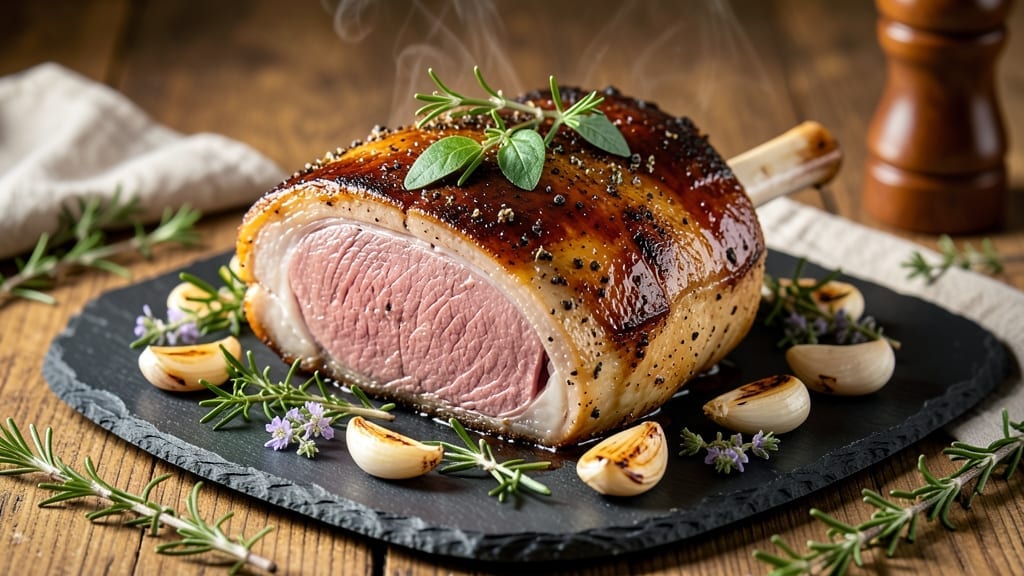
A 3lb bone-in beef rib roast cooked to perfection delivers melt-in-your-mouth tenderness with a rich, flavorful crust—this recipe ensures every slice stays juicy and pink at the center. The secret lies in a precise balance of high-heat searing and low-and-slow roasting, transforming tough cuts into restaurant-quality results.
With a simple herb crust and proper resting technique, you’ll achieve a roast that’s impossible to resist.
This method focuses on juicy results by controlling internal temperature and cooking time, ensuring the meat remains tender without drying out. The bone-in element adds natural richness, while a blend of aromatic herbs and spices creates a flavorful crust that locks in moisture.
Whether serving for a special occasion or weeknight dinner, this roast delivers impressive, foolproof results.
By following the exact temperature guidelines and resting period, you’ll avoid common pitfalls like overcooking or uneven doneness. The result is a juicy, pink center with a beautifully caramelized exterior—perfect for slicing against the grain. Pair with roasted vegetables or a classic horseradish cream for a complete meal.
The key to success is patience: letting the roast rest before slicing ensures every bite stays moist and flavorful. This recipe simplifies the process while delivering professional-quality results at home. Ready to elevate your roast night? Let’s get started.
Ingredients for 3lb beef rib roast bone in
Precision-cut beef and aromatic herbs create a bone-in masterpiece with juicy pink perfection.
| Ingredient | Amount | Notes |
|---|---|---|
| Bone-In Beef Rib Roast 🥩 | 3 lb | Center-cut rib roast, bone-in preferred |
| Kosher Salt 🧂 | 1 ½ tbsp | Diamond Crystal preferred for flaky texture |
| Freshly Ground Black Pepper 🌶️ | 1 tbsp | Freshly cracked for optimal flavor |
| Fresh Rosemary Sprigs 🌿 | 6 whole | Woody stems removed, leaves chopped |
| Fresh Thyme Sprigs 🌿 | 6 whole | Leaves only, stems discarded |
| Garlic Cloves 🧄 | 8 cloves | Smashed but not minced for even seasoning |
| Extra-Virgin Olive Oil 🫒 | 2 tbsp | High-quality for crust development |
| Unsalted Butter 🧈 | ½ cup | Cold, cubed for herb crust |
| Yellow Onion 🧅 | 1 whole | Peeled, cut into 1-inch thick slices |
| Carrots 🥕 | 4 whole | Whole, scrubbed, 2-inch lengths |
| Fresh Parsley 🌿 | ¼ cup | Chopped, for garnish and flavor |
| Red Wine 🍷 | ½ cup | Dry variety like Cabernet Sauvignon |
| Beef Stock 💧 | ½ cup | Homemade or high-quality store-bought |
| Horseradish Cream 🧈 | ½ cup | Store-bought or homemade for serving |
The bone-in rib roast is non-negotiable for this recipe—center-cut sections deliver superior tenderness and flavor. Local butchers often carry premium cuts with better marbling than grocery store options, so if possible, source from a specialty meat counter. Look for vibrant red color and visible fat marbling, which ensures moisture during roasting. The bone itself adds natural richness to the broth as it cooks. If your butcher offers a dry-aged option, even better—it intensifies the beef’s flavor profile. For the herb crust, Whole Foods Market and Costco consistently carry high-quality fresh rosemary and thyme, but any well-stocked grocery store’s produce section will suffice. The key is using sprigs rather than dried herbs—the aromatic oils in fresh herbs infuse the crust far more effectively.
No fresh rosemary? Dried rosemary at one-third the amount works in a pinch, though the flavor won’t be as vibrant. Substituting red wine with beef stock plus a splash of balsamic vinegar maintains depth without altering the roasting process. For the butter crust, European-style unsalted butter like Plugrá or President creates a richer, more flavorful crust than generic brands. If you’re short on time, olive oil and extra butter can be used in equal parts without sacrificing texture. The garlic should be smashed (not minced) to prevent it from burning during the high-heat sear—this ensures even distribution of flavor without bitterness. For the vegetables, baby carrots or parsnips work just as well as whole carrots, though they’ll cook slightly faster.
This roast reheats beautifully—simply warm in a 350°F oven for 20-30 minutes covered with foil to retain moisture. Store leftovers in an airtight container for up to 4 days, though the flavor actually improves overnight as the juices redistribute. For long-term storage, freeze portions in vacuum-sealed bags for up to 3 months. The herb crust can be prepped ahead and refrigerated for 24 hours before roasting, making this an ideal make-ahead recipe. When serving, slice against the grain for maximum tenderness—a sharp carving knife is essential here. The horseradish cream should be served chilled alongside the roast for optimal flavor contrast.
Why You’ll Love This Recipe
- I’ll be real: I’ve walked away from this roast for hours. The oven does all the work while you handle the real chaos of life. By the time you check, it’s fall-apart tender with that rosemary perfume wafting through the house.
- Two-Ingredient Magic: I swear, just salt and pepper—plus those rosemary sprigs—transform this rib roast into something restaurant-worthy. No fancy marinades, no stressing over herbs. The bone-in secret? It renders into flavor gold while you sleep.
- Weeknight Crowd-Pleaser: Between us, this is the only roast I make when friends drop by unannounced. Three pounds feeds six without stretching my budget, and the crispy pepper crust? Everyone fights for the last slice.
- Leftovers That Don’t Suck: Honestly, I plan for seconds. Slice the roast thin for sandwiches, cube it for hash the next night, or toss it into pasta. The meat stays juicy for days—no dry, sad leftovers here.
Step-by-step instructions for herb-crusted beef rib roast
Master this technique for a perfectly cooked rib roast with a flavorful crust and tender pink center.
Prepare the Roast and Herb Butter Mixture
Remove the 3 lb bone-in beef rib roast from the refrigerator and let it sit at room temperature for 30 minutes to ensure even cooking. Pat the roast dry thoroughly with paper towels, focusing on the fat cap and any moisture in the cavity. This step is critical for developing that coveted crispy crust.
In a small bowl, combine the 0.5 cup unsalted butter with the 6 whole fresh rosemary sprigs (stems removed, leaves chopped), 6 whole fresh thyme sprigs (leaves only), and 8 cloves garlic (smashed but not minced). Press the mixture into the roast’s surface using your fingers, working it into the crevices and fat cap. Save any remaining herb butter for later use in the pan.
Season and Sear the Roast
Preheat your oven to 425°F with a rack positioned in the lower third. Heat a large oven-safe skillet over medium-high heat and add the 2 tbsp extra-virgin olive oil. Once shimmering, place the roast fat-side down in the pan and sear for 8-10 minutes until the fat cap is golden brown and crispy.
Flip the roast and sear the other side for another 6-8 minutes. Sprinkle evenly with the 1.5 tbsp kosher salt and 1 tbsp freshly ground black pepper, pressing gently to adhere. The roast should now have a deep golden crust with rendered fat pooling in the pan. Transfer the skillet to the preheated oven.
Roast with Vegetables and Wine Deglaze
Place the 1 whole yellow onion (cut into 1-inch slices) and 4 whole carrots (2-inch lengths) around the roast in the skillet. Pour in the 0.5 cup red wine and scrape up any browned bits from the bottom of the pan using a wooden spoon. This deglazing step captures all the concentrated flavors.
Cover the skillet loosely with aluminum foil and roast for 1 hour 15 minutes until the internal temperature reaches 130°F (measured with a meat thermometer in the thickest part of the roast). The vegetables should be tender, and the roast should have a rich, caramelized crust. Avoid opening the oven during this time to maintain consistent heat.
Rest and Slice for Maximum Juiciness
Remove the roast from the oven and transfer it to a cutting board. Tent loosely with aluminum foil and let it rest for 20-30 minutes before slicing. This resting period is essential for redistributing the juices throughout the meat, ensuring each slice remains succulent and flavorful.
While the roast rests, place the skillet back on the stovetop over medium heat and add the 0.5 cup beef stock. Scrape up any remaining browned bits and let it simmer for 3-4 minutes until slightly reduced. This will create a flavorful pan sauce to accompany the roast. Slice the roast against the grain into ½-inch thick portions and serve with the pan sauce and 0.5 cup horseradish cream on the side.
Pro Tips For Making 3lb Beef Rib Roast Bone In
- Sear Until Black: Don’t just brown the rib roast—get those deep sear marks by cooking it over direct heat until the edges are nearly charred. I used to pull it too soon, and the crust never developed that rich, caramelized flavor. High heat. Seriously, crank it up until you see smoke, then move it to the oven.
- Trim the Fat Cap: That thick layer of fat on a rib roast? Trim it down to about ¼-inch thick before seasoning. Too much fat can steam the meat instead of letting it crisp, and it’ll make your pan grease a mess. Use kitchen shears—it’s faster than a knife and less messy.
- Salt the Night Before: Season the roast with kosher salt at least 12 hours ahead. This draws out moisture, which evaporates and leaves behind a more concentrated, flavorful crust. I learned this the hard way after a dry, bland roast—now I salt it the evening before and let it sit uncovered in the fridge.
- Roast at 425°F First: Start the roast in a screaming-hot oven (425°F) for the first 20 minutes to build that crust, then drop to 325°F. I was skeptical until I tried it—this two-stage approach guarantees a crispy exterior without overcooking the center. Use an oven thermometer to confirm your oven’s actual temp.
Best sauces and condiments for these flavors
Classic Horseradish Cream
This tangy, creamy condiment is a must-have for your rib roast—its sharp horseradish cuts through the richness while adding a bright, refreshing contrast.
I blend ½ cup sour cream with 2 tbsp prepared horseradish, 1 tbsp Dijon mustard, 1 tsp lemon juice, and a pinch of salt. Chill for at least 30 minutes before serving to let flavors meld.
For extra richness, fold in 1 tbsp crème fraîche at the end. 🧈
Red Wine Reduction Sauce
Use the leftover red wine from your roasting pan to create a silky, flavorful sauce that elevates every bite. After removing the roast, deglaze the pan with ½ cup red wine and reduce by half over medium heat.
Stir in 1 tbsp cold butter and a splash of beef stock to create a glossy finish. This sauce pairs beautifully with the herb-crusted roast and adds depth to your plate. 🍷
Garlic-Herb Butter
For an extra layer of flavor, whip together ¼ cup softened butter, 1 tbsp chopped fresh parsley, 1 tsp minced garlic, ½ tsp lemon zest, and a pinch of salt.
Spread this mixture over the roast after searing but before roasting to create a fragrant, golden crust. The butter melts into the meat, infusing it with aromatic richness. Store any leftovers in the fridge for up to 3 days. 🌿
Smoky Chipotle Aioli
If you love a hint of smokiness, this aioli adds a bold twist to your rib roast. Mix ½ cup mayonnaise with 1 tsp adobo sauce (from canned chipotles), ½ tsp smoked paprika, and a squeeze of lime juice.
Drizzle lightly over sliced roast or serve as a dipping sauce for crusty bread. The smoky, slightly spicy notes complement the beef beautifully. 🌶️
Roasted Garlic Mashed Potatoes
While your roast rests, make a batch of creamy mashed potatoes to soak up any extra pan juices. Boil 2 lbs Yukon Gold potatoes until tender, then mash with 4 tbsp butter, ½ cup warm milk, 2 roasted garlic cloves, and salt to taste.
The roasted garlic adds natural sweetness that balances the richness of the beef. Serve immediately for the best texture. ❄️
Pan Sauce with Fresh Herbs
After roasting, don’t discard the drippings! Deglaze the pan with ½ cup beef stock and reduce until thickened. Stir in 1 tbsp chopped fresh thyme and rosemary for a fragrant finish.
This sauce ties all the flavors together and adds a luxurious touch to your roast. For extra richness, whisk in 1 tbsp cold butter at the end. 💫
Nutrition facts
Frequently asked questions
Why should I cook a bone-in rib roast instead of boneless?
The bone adds natural richness to the meat and helps retain moisture during roasting. Bone-in cuts also cook more evenly and develop deeper flavor as they render fat. Plus, the bone creates a natural handle for easy carving and adds visual appeal to your presentation.
How do I know when the roast is done without overcooking it?
Use a meat thermometer to check the internal temperature. For medium-rare, aim for 130°F in the thickest part of the roast. Remove it from the oven 5°F below your target temperature—it’ll rise another 5°F while resting. Never rely on color or time alone, as these vary by oven and roast size.
Can I make this recipe in a regular oven instead of a skillet?
Yes! Transfer the seared roast to a roasting pan with the vegetables and wine. Use a meat thermometer to monitor temperature, and cover loosely with foil. The cooking time may increase by 10-15 minutes compared to the skillet method, but the results will be equally delicious.
What if my roast turns out dry?
Dryness usually means it was overcooked or didn’t rest properly. Next time, remove the roast when it reaches 125°F for medium-rare and let it rest for the full 20-30 minutes. If your roast is already dry, try slicing thinly and serving with extra pan sauce or a creamy horseradish cream.
How far ahead can I prepare the herb butter mixture?
You can make the herb butter up to 24 hours ahead and store it in the fridge. Just bring it to room temperature before pressing it onto the roast. The flavors develop more deeply over time, making your crust even more aromatic when roasted.

- Pork Loin Pulled Pork Crock Pot Recipe: Slow-Smoked Tenderness With Zero Dryness - November 1, 2026
- Baked Potatoes in Crock Pot Recipe: Buttery Interiors and Crispy Top Magic - November 1, 2026
- Braised Beef Short Ribs Recipe: Crock Pot Fall-Off-Bone Magic in 6 Hours - November 1, 2026