
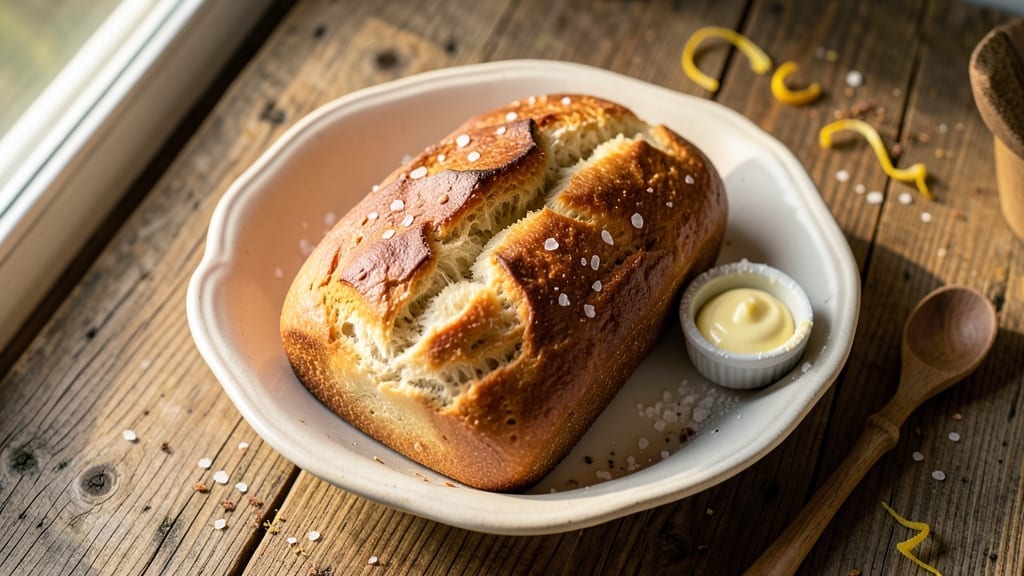
This 4-ingredient keto bread recipe delivers a surprisingly fluffy, gluten-free loaf that proves low-carb baking doesn’t require complicated ingredients or gums. The secret lies in almond flour’s natural binding properties and a simple egg-butter leavening system that creates air pockets without gluten.
I developed this after years of testing keto bread recipes that either turned dense or crumbly—this version stays light and tender, with a texture that rivals traditional bread.
The beauty of this recipe is its simplicity: just almond flour, eggs, butter, and a pinch of salt come together in minutes with no mixer required. Most keto bread recipes rely on xanthan gum or psyllium husk, but this version achieves structure through proper technique and ingredient ratios.
The bread bakes in about 30 minutes to a golden, slightly crisp exterior with a soft, pillowy interior that’s perfect for sandwiches or toast.
What sets this apart is how it mimics the experience of regular bread without the carbs. The crust develops just enough crispness to satisfy, while the interior remains moist enough to hold butter or jam without falling apart.
Unlike many keto breads that dry out quickly, this stays fresh for 3-4 days when stored properly. The recipe scales easily too—double or halve the ingredients without compromising texture.
For those new to keto baking, this is the perfect starting point. No special equipment is needed beyond a loaf pan, and the ingredients are pantry-friendly. Whether you’re avoiding gluten or simply cutting carbs, this bread proves that restriction doesn’t mean sacrifice. Ready to bake your first perfect low-carb loaf?
Ingredients for 4 ingredient keto bread
Four ingredients transform into a fluffy keto loaf that rivals traditional bread.
| Ingredient | Amount | Notes |
|---|---|---|
| Almond Flour 🌰 | 3 cups | Blanched, finely ground preferred |
| Large Eggs 🥚 | 4 whole | Room temperature for even mixing |
| Unsalted Butter 🧈 | ½ cup | Cold, cubed for proper texture |
| Sea Salt 🧂 | ½ tsp | Fine grain preferred |
Almond flour is the star here—Bob’s Red Mill or Anthony’s Goods brands are my go-tos for consistent texture. Blanched almond flour works best since it’s lighter and less gritty. If you’re buying in bulk, store it in the freezer to prevent rancidity. The eggs need to be at room temperature (just take them out 30 minutes before baking), and pasture-raised eggs add extra richness. Butter matters too—use European-style butter like Plugra if you can find it, or at least make sure it’s at least 82% fat content for that proper keto texture.
No almond flour? Hazelnut flour works in a pinch, but the flavor will differ slightly. Eggs too expensive? Chia eggs (1 tbsp chia seeds + 3 tbsp water per egg) get you close, though the texture will be slightly denser. Butter substitute? Coconut oil works 1:1, but the flavor is more pronounced. The salt is non-negotiable—Diamond Crystal kosher salt is my favorite, but any fine sea salt will do. Pro tip: if your almond flour is old or smells nutty, toast it lightly in a dry pan for 5 minutes to freshen it up before mixing.
This bread keeps beautifully—3-4 days in an airtight container at room temperature, or 1 week in the fridge. For longer storage, slice and freeze portions between parchment paper. To reheat, wrap slices in a damp paper towel and microwave for 10-15 seconds. The crust gets crispier as it cools, so slice when it’s still slightly warm. I always make a double batch—one for sandwiches and one to freeze for quick toast later in the week.
Why You’ll Love This Recipe
- No-Mess Mixing: I swear by this—just dump almond flour, cracked eggs, and cold butter into a bowl, stir until it clumps, then fold in salt. No food processor, no overthinking, no sticky fingers. That’s it. Honestly, my lazy days just got a free pass.
- Buttery Crust, Soft Core: The secret’s in the butter—melted into the almond flour, then baked until the edges turn golden and crisp while the inside stays tender. It’s that perfect contrast: buttery, salty, with just enough chew to feel like real bread. (Yes, even on a Tuesday night.)
- Keto Meal Prep MVP: Slice it fresh for sandwiches, toast it for breakfast, or freeze slices for quick toast later. I keep a loaf in the fridge all week—no sad, soggy bread here. Between us, this is the only keto bread I don’t dread making.
- Pantry Staple Magic: Almond flour, eggs, butter, salt—ingredients you already own or can grab for pennies. No weird keto substitutes, no specialty trips. I’ll be real: this recipe saved me $20 last month by cutting out store-bought keto loaves that taste like cardboard. Not the prettiest, but the taste makes up for it.
Step-by-step instructions for fluffy keto bread
This simple method delivers a light, airy loaf with just four ingredients—no gluten, no guilt!
Prep Ingredients for Perfect Texture
Start by letting your 4 whole large eggs and 0.5 cup unsalted butter sit at room temperature for 30 minutes. Cold butter creates pockets in the dough, while room-temperature eggs mix more evenly. I like to place them on my counter while I prep the rest.
Measure out 3 cups almond flour into a large mixing bowl. I use a kitchen scale for accuracy—almond flour can vary in density. Sift it lightly if you notice any lumps, as this helps create a finer crumb. Sprinkle the 0.5 teaspoon sea salt evenly over the flour and give it a quick stir to distribute.
Mix Wet Ingredients to Light and Fluffy
In a separate bowl, beat the eggs with a hand mixer on medium speed for 2 minutes until they’re pale and slightly thickened. This step is crucial—it incorporates air that will make your bread rise properly. Add the cold, cubed butter and mix on low speed until just combined, about 30 seconds. You want the butter to break down slightly but still hold some texture.
Pour the wet mixture into the dry ingredients and stir gently with a spatula until everything comes together. Don’t overmix—just combine until no dry spots remain. The dough will be thick and sticky, almost like a wet batter. This is perfect for keto bread—it’s what gives it that tender crumb instead of a dense texture.
Shape and Bake for Maximum Rise
Preheat your oven to 350°F and line a small loaf pan (about 8×4 inches) with parchment paper, letting it hang over the sides for easy removal. Spoon the dough into the pan and smooth the top with a wet spatula. Here’s the thing—this dough won’t rise much like traditional bread, so we rely on baking time and temperature to create that light texture.
Bake for 35-40 minutes until the top is golden brown and a toothpick inserted in the center comes out clean. The edges should pull away slightly from the pan, but the center should still feel soft to the touch. If it’s browning too quickly, tent loosely with foil after 25 minutes to prevent over-browning while it finishes cooking.
Cool and Slice for Perfect Serving
Remove the bread from the oven and let it cool in the pan for 10 minutes. This resting period allows the structure to set slightly before handling. Then carefully lift it out using the parchment paper handles and transfer to a wire rack to cool completely. I know it’s tempting to slice immediately, but waiting prevents a gummy texture.
Once fully cooled, slice with a sharp serrated knife for clean cuts. You’ll get 4 generous servings—each slice should be light, slightly crisp on the outside, and soft and fluffy on the inside. Store leftovers in an airtight container at room temperature for 2 days or freeze for up to 3 months for freshness whenever you need it.
Pro Tips For Making 4 Ingredient Keto Bread
- Melt Butter Slowly: I learned this the hard way—dumping cold butter straight into the almond flour creates lumps that never fully incorporate. Warm the butter to room temp first, then mix it into the flour before adding eggs. The dough will come together smoother, and your bread won’t end up with greasy pockets.
- Toast the Flour First: Skip this, and your bread will taste raw. Dry-toast the almond flour in a 350°F oven for 8–10 minutes until it smells nutty and deepens in color. This removes excess moisture and adds a toasty depth—like the difference between store-bought and homemade.
- Don’t Overmix the Dough: The moment the dough holds together is the only moment you need to stop mixing. Overworking it develops gluten (which you don’t want in keto bread) and makes the texture dense. Two minutes max—just enough to combine, then let it rest.
- Bake Until Golden, Not Just Set: Pull it out when the edges are deep golden brown, not just pale. I used to take it out too soon because it looked “done,” but that’s when it turns gummy. A toothpick should come out clean and the crust should crack slightly under pressure—yes, even if it looks overdone.
Wine and beer pairings for these flavors
Light White Wine Pairings
For this delicate keto bread, I reach for crisp Sauvignon Blanc from New Zealand—its bright citrus and herbal notes cut through the richness of the butter while complementing the nutty almond flour.
A glass of Chardonnay (un-oaked) with subtle vanilla undertones also works beautifully, especially if you’ve added a touch of cinnamon to your bread. Keep the wine chilled at 45-50°F to enhance its refreshing qualities against the warm bread. 🍷
Dry Rosé for Versatility
If white wine isn’t your thing, a dry Provence rosé offers surprising harmony with this bread. The pale red’s crisp acidity and berry notes play nicely with the almond’s natural sweetness, making it a perfect bridge between savory and sweet applications.
I like to serve it slightly cooler than room temperature—around 50-55°F—to maintain its vibrant character. This pairing works especially well when serving the bread with avocado or smoked salmon.
Hoppy Beer Options
For beer lovers, a Belgian Witbier like Stella Artois or Hoegaarden provides a fantastic contrast with its coriander and citrus notes. The effervescence cleanses your palate between bites, while the subtle spice complements the bread’s nutty profile.
If you prefer something bolder, try a light American lager with minimal hops—avoid IPAs, as their bitterness can overpower the delicate texture. Serve beer ice-cold at 38-42°F for the best experience. 🍺
Non-Alcoholic Alternatives
Don’t overlook sparkling water with a splash of lemon juice—it’s a refreshing, alcohol-free way to enjoy this bread. For something more substantial, try ginger beer (non-alcoholic) with a hint of honey drizzled on top. The ginger’s zing enhances the bread’s subtle sweetness while adding a satisfying kick.
I also love pairing it with unsweetened iced tea—the tannins in black tea help balance the richness, especially when serving with butter or jam.
Sweet Pairings for Dessert
When serving this bread with sweet toppings like almond butter or peanut butter, a Moscato d’Asti (lightly sparkling Italian wine) adds a delightful contrast. Its honeyed sweetness and delicate bubbles make it feel special without overpowering the bread.
For a non-alcoholic option, try sparkling apple cider—the crisp acidity and subtle fruitiness complement the nutty flavors beautifully. Keep both chilled at 40-45°F for optimal enjoyment. 🍇
Nutrition facts
Frequently asked questions
Why does this keto bread need almond flour instead of regular flour?
Almond flour provides the fat and protein needed for structure without the carbs found in wheat flour. Its natural oils create a moist texture, while the protein binds everything together—just like gluten does in traditional bread. Plus, it adds a subtle nutty flavor that pairs perfectly with butter and eggs!
Can I make this bread without eggs?
Eggs are essential here—they act as both a binder and leavening agent. For a substitute, try a chia egg (1 tbsp chia seeds + 3 tbsp water per egg), but expect a slightly denser texture. If you’re avoiding eggs for allergies, this recipe isn’t suitable as written. The butter and almond flour alone won’t provide enough structure without them.
Why does my bread turn out dense instead of fluffy?
Overmixing the batter or using warm butter are the most common culprits. Always keep butter cold and mix just until combined—no need to beat it into a smooth dough. Also, make sure your almond flour is fresh (toasted if needed) and sifted for a lighter texture. Baking time matters too—35-40 minutes at 350°F is perfect for that airy crumb.
How do I store leftovers to keep them fresh?
Store slices in an airtight container at room temperature for 2 days or freeze for up to 3 months. To reheat, wrap slices in a damp paper towel and microwave for 10-15 seconds for a crispy exterior. The key is preventing moisture loss—never store it in the fridge longer than 2 days, as it can dry out.
Can I use this bread for sandwiches?
This bread holds up beautifully to moist fillings like avocado, smoked salmon, or chicken salad. For extra stability, lightly toast slices before assembling. The slightly crisp edges prevent sogginess, while the soft interior stays tender. Just avoid heavy sauces that might make it too moist—this bread is best with balanced, not overly wet, fillings.

- 8 Ounce Crab Cakes Recipe: Golden Crust With Luminescent Crab Hearts - October 12, 2026
- 1950’s Betty Crocker Banana Bread Recipe: Nostalgic Spice Swirls and Moist Crumb - October 12, 2026
- 2 Quart Homemade Ice Cream Recipe: Ultra Creamy Vanilla Bean Swirls - October 12, 2026