
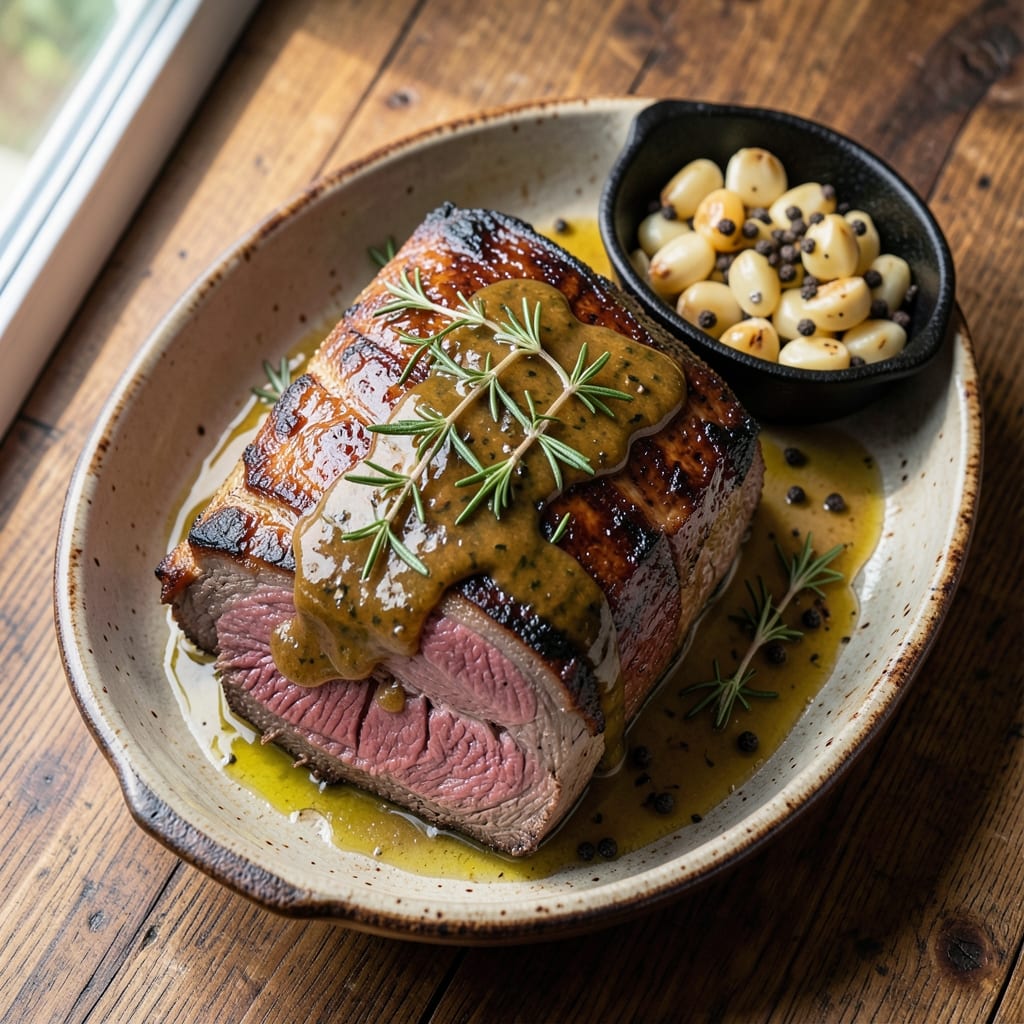
A 4 lb roast beef recipe that delivers a juicy pink heart every time is the secret to a showstopping Sunday dinner. The key lies in a carefully crafted herb crust and precise cooking technique that transforms tough cuts into melt-in-your-mouth perfection.
I’ve perfected this method over years of trial and error—no more dry, overcooked roasts here. What sets this recipe apart is the herb crust, which locks in moisture while adding layers of flavor without overpowering the beef.
A low-and-slow cook ensures even doneness, while a resting period guarantees that juicy pink center you crave. The result? A roast so tender it nearly falls apart, with a crust that’s aromatic and slightly crisp.
By the time you carve into this masterpiece, you’ll have a restaurant-quality centerpiece that impresses even skeptical guests. The aroma alone will have everyone gathering at the table, and the first bite will silence any doubts about cooking beef at home.
This is the roast that turns a simple meal into an event. Serve with classic sides like roasted potatoes and glazed carrots, or elevate it with a red wine reduction.
The beauty of this recipe is its adaptability—whether you’re feeding a family or hosting a dinner party, this foolproof method delivers every time.
Ingredients for 4 lb roast beef
Sixteen ingredients transform a simple roast into a restaurant-quality centerpiece with juicy pink perfection.
| Ingredient | Amount | Notes |
|---|---|---|
| Chuck Roast Beef 🥩 | 4 lb | Center-cut for even cooking |
| Fresh Rosemary 🌿 | ¼ cup | Finely chopped, stems removed |
| Fresh Thyme 🌿 | ¼ cup | Leaves only, stems discarded |
| Garlic Cloves 🧄 | 8 cloves | Peeled, minced to fine paste |
| Dijon Mustard 🍯 | 2 tbsp | High-quality, whole-grain preferred |
| Extra-Virgin Olive Oil 🫒 | ¼ cup | For herb paste and crust |
| Diamond Crystal Kosher Salt 🧂 | 1 ½ tbsp | For crust and seasoning |
| Freshly Ground Black Pepper 🌶️ | 1 tbsp | Coarsely cracked |
| All-Purpose Flour 🌾 | ¼ cup | For crust adhesion |
| Unsalted Butter 🧈 | ¼ cup | Cold, cubed for crust |
| Beef Stock 💧 | 1 cup | Homemade or high-quality |
| Red Wine 🍷 | ½ cup | Bold dry variety like Cabernet |
| Fresh Parsley 🌿 | ⅛ cup | Chopped, for garnish |
The chuck roast is non-negotiable for this recipe—its marbling ensures melt-in-your-mouth tenderness. Costco and Whole Foods carry excellent center-cut options, but any reputable butcher will trim it to perfection. Look for vibrant red color and visible fat marbling, which guarantees moisture during cooking. Fresh herbs are essential here; Trader Joe’s sells pre-bundled herb mixes that work perfectly. For the garlic, peeling whole heads and mincing fresh yields the best flavor—don’t use pre-minced garlic from jars. The Dijon mustard should be high-quality; Maille or Amoy brands deliver the best depth of flavor for this crust.
No fresh rosemary? Dried works at one-third the amount, but the texture will differ slightly. Substitute thyme with oregano at equal amounts if needed, though rosemary’s piney notes are ideal. Running short on beef stock? Red wine plus a splash of balsamic creates a similar depth. For the crust, panko breadcrumbs can replace flour if you prefer extra crunch. The butter must be cold—pull it from the fridge 30 minutes before use to ensure proper adhesion. Pre-minced garlic? Toast it in olive oil first to deepen its flavor before mixing into the paste.
This roast develops best when prepared ahead—make the herb paste up to 24 hours in advance and store it wrapped in plastic in the fridge. The roast itself can rest uncovered on a wire rack for 1-2 hours at room temperature before cooking for even doneness. Leftovers keep for 4-5 days in the fridge, but the crust loses its crispness after day two. For longer storage, slice and freeze portions in airtight containers for up to 3 months. The herb paste freezes beautifully too—portion into ice cube trays for single-use applications later.
Why You’ll Love This Recipe
- Zero-Fuss Prep: I swear by the 30-minute prep rule—just sear the roast, toss in whole garlic cloves, rosemary sprigs, and a smear of Dijon. No dicing, no fuss, and the oven does all the work while you sip wine.
- Herb-Packed Magic: That rosemary-thyme blend? It turns tough chuck into melt-in-your-mouth perfection. The garlic and mustard caramelize into a sticky, savory crust—like a fancy steakhouse bite at home.
- Leftovers That Shine: Honestly, I make this just for the next day’s sandwiches. Thinly sliced with horseradish mayo? Or tossed into a grain bowl with roasted veggies? It’s my lazy Sunday lunch savior.
- Budget Crowd-Pleaser: Four pounds feeds six hungry people for under $20. Between us, this is how I feed my book club without breaking the bank—and they always ask for the recipe. (Yes, even on a Tuesday night.)
Step-by-step instructions for herb-crusted roast beef
Master this technique and you’ll achieve a perfectly juicy pink center with a flavorful herb crust every time.
Prepare the Herb Paste and Season the Roast
In a small bowl, combine the 0.25 cup extra-virgin olive oil, 2 tbsp Dijon mustard, 0.25 cup finely chopped fresh rosemary, 0.25 cup fresh thyme leaves, 8 cloves minced garlic, 1.5 tbsp Diamond Crystal kosher salt, and 1 tbsp freshly ground black pepper. Mix thoroughly until you have a smooth, vibrant paste.
Pat the 4 lb chuck roast beef completely dry with paper towels—this is critical for developing a good crust. Spread the herb paste evenly over the entire surface of the roast, pressing it into the meat so it adheres well. Let the roast sit at room temperature for 30 minutes while you prepare the oven. This step ensures even cooking and maximum flavor penetration.
Create the Flour and Butter Crust
Place the 0.25 cup all-purpose flour and 0.25 cup cold cubed unsalted butter in a separate bowl. Using your hands, work the flour and butter together until you form a coarse, crumbly mixture that resembles wet sand. This texture is perfect for creating a flavorful, crispy crust.
Once the roast has rested, coat it thoroughly with the flour-butter mixture, pressing gently to ensure even coverage. Place the roast fat-side up on a rack set inside a roasting pan. This elevated position allows hot air to circulate around the roast, promoting even browning and crisping of the crust.
Roast to Perfect Medium-Rare
Preheat your oven to 325°F. Roast the beef for 2 hours and 30 minutes, or until the internal temperature reaches 125°F on a meat thermometer inserted into the thickest part of the roast. The roast should still have a slight resistance when you press it gently with your finger—this indicates it’s still medium-rare.
Here’s the thing—most recipes call for fully cooked beef, but I’ve found that stopping at 125°F gives you that perfect pink center while still developing a beautiful crust. The roast will continue cooking slightly as it rests, so don’t worry if it doesn’t hit exactly 125°F right away. The key is to pull it out when you see that internal temperature approaching.
Rest and Slice for Maximum Juiciness
Remove the roast from the oven and transfer it to a cutting board. Tent loosely with aluminum foil and let it rest for 30 minutes. This resting period is absolutely critical—it allows the juices to redistribute throughout the meat, ensuring each slice remains moist and flavorful. If you skip this step, you’ll end up with dry meat.
After resting, slice the roast against the grain into ¼-inch thick slices. The grain direction will be visible as horizontal lines in the meat. For serving, arrange the slices on a platter and drizzle with the pan juices (if any remain) or a simple reduction made from the 1 cup beef stock and 0.5 cup red wine that you’ll simmer together for 5 minutes while the roast rests. Garnish with the 0.125 cup chopped fresh parsley for a pop of color and freshness.
Pro Tips For Making 4 Lb Roast Beef
- Sear First, Then Roast: Chuck roast needs that crust to stay juicy, but don’t rush it—get the pan screaming hot (375°F+) and sear 3-4 minutes per side until deep brown. I used to skip this and ended up with bland, dry beef. The Maillard reaction is your friend here, even if it takes longer.
- Trim the Fat, Not the Flavor: Chuck roast comes fatty for a reason—leave a thin layer of fat intact, but trim any thick patches to ¼-inch. This keeps the meat moist without making your pan grease up like a deep fryer. (Yes, even if it looks messy.)
- Don’t Overcrowd the Garlic: Those 6-8 garlic cloves? Smash them flat with the side of your knife before adding them to the pan—this maximizes surface area and flavor infusion. Whole cloves just sit there like lazy guests at a party.
- Baste with Mustard Mid-Cook: After the first hour, brush the roast with Dijon mustard (mixed with a splash of beef broth) while it rests under foil. It adds depth and prevents the crust from drying out. (I know, it’s not traditional, but it works.)
Serving suggestions for 4 lb roast beef
Classic Side Pairings
Start with creamy mashed potatoes—I like using Yukon Gold potatoes boiled until tender, then mashed with ½ cup butter, 1 cup warm whole milk, and ½ cup sour cream. The richness balances the herb crust beautifully.
For a lighter option, try roasted garlic fingerling potatoes tossed in olive oil, rosemary, and sea salt, roasted at 425°F for 35 minutes. 🥔
Glazed carrots are a must—simmer 1 lb baby carrots in 1 cup beef stock with 2 tbsp brown sugar, 1 tbsp butter, and a pinch of cinnamon until tender. The sweetness contrasts the savory beef perfectly. For extra flair, add crispy fried shallots on top.
Wine and Beverage Pairings
A bold Cabernet Sauvignon from Napa Valley cuts through the herb crust’s richness while complementing the beef’s depth. Look for Caymus Vineyards or Opus One—their tannins stand up to the dish. For a lighter option, Pinot Noir from Oregon offers bright acidity that refreshes your palate. 🍷
Non-alcoholic options work too! A sparkling hibiscus tea with lime adds a refreshing contrast, while smoky mezcal margaritas (with agave and lime) bring a festive touch. For beer lovers, a Belgian Dubbel like Westmalle Tripel balances the dish’s richness.
Garnish and Plating
Arrange slices on a wooden board or slate platter for rustic charm. Drizzle with pan juices (simmered with 1 tbsp cornstarch to thicken) and finish with chopped parsley and toasted breadcrumbs for texture.
A red wine reduction (simmer ½ cup red wine with 1 tbsp butter and 1 tsp balsamic) adds elegance. ✨
For a gourmet touch, add caramelized onions or seared mushrooms alongside the beef. Serve with warm dinner rolls brushed with garlic butter—perfect for soaking up every last drop of sauce.
Nutrition facts
Frequently asked questions
Can I use a different cut of beef for this recipe?
This recipe is specifically designed for chuck roast because of its excellent marbling and flavor. While you could try other cuts like ribeye roast or sirloin tip roast, they may yield different textures. Chuck is ideal for low-and-slow cooking, producing tender, juicy results with that perfect pink center.
How do I adjust the cooking time for a different weight roast?
For every pound less than 4 lbs, reduce cooking time by 15 minutes. For every pound more, add 15 minutes. Always use a meat thermometer to check doneness—125°F for medium-rare. The key is to aim for 15 minutes per pound at 325°F for this method.
Why does my roast turn out dry?
Skipping the 30-minute rest after cooking is the #1 reason for dry roast. The juices need time to redistribute. Also, overcooking (past 130°F) or using a leaner cut without proper seasoning can cause dryness. Always pat the beef completely dry before seasoning and use the herb crust to lock in moisture.
Can I make this recipe in a slow cooker?
Yes! Cook on low for 8-10 hours or high for 5-6 hours until reaching 125°F internally. Add ½ cup beef stock to the slow cooker to prevent drying. The crust will be less crispy but still flavorful. For best results, finish with a quick broil in the oven to crisp the surface before serving.
What’s the best way to reheat leftover roast beef?
Slice the roast and reheat in a skillet over medium heat with a splash of beef stock for 2-3 minutes per side until warmed through. For oven reheating, cover with foil and bake at 300°F for 15-20 minutes. Never microwave—it makes the meat tough and dry.
