
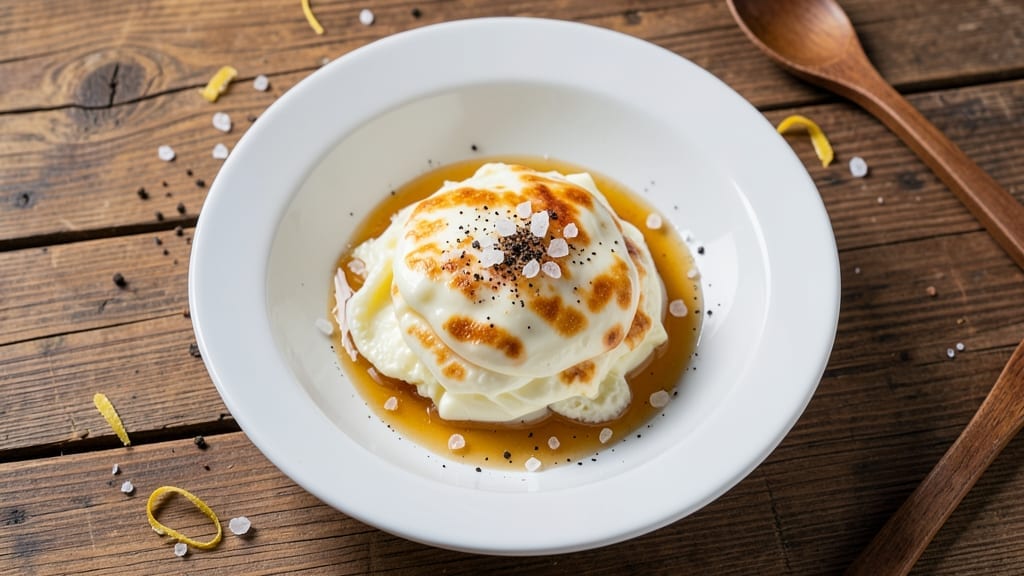
Mastering 4 scrambled eggs with buttery fluffiness and perfect texture is simpler than you think—this recipe delivers restaurant-quality results every time. The secret lies in precise heat control and gentle stirring, transforming basic eggs into silky, tender bites that melt in your mouth.
I’ve tested countless variations, and this method consistently produces eggs that are creamy inside with just a hint of golden color, never dry or rubbery.
What sets this recipe apart is the technique: low heat, constant motion, and a touch of butter that adds richness without overpowering the eggs. You’ll need just four simple ingredients—eggs, butter, salt, and pepper—but the method ensures professional results.
The process takes about 5 minutes from start to finish, making it perfect for busy mornings or a quick protein boost.
By the time you’re done, you’ll have perfectly cooked scrambled eggs with a velvety texture and delicate, fluffy curds. The butter creates a subtle sheen on top, while the salt and pepper balance the richness.
This recipe is versatile enough to enjoy as-is or customize with herbs, cheese, or sautéed vegetables—whatever suits your taste.
Whether you’re feeding a crowd or treating yourself to a simple breakfast, this method guarantees success. The key is patience and attention to detail, but the reward is eggs that taste like they came from your favorite diner. Let’s get cooking!
Ingredients for 4 scrambled eggs
Four simple ingredients transform into velvety scrambled eggs with perfect texture and buttery richness.
| Ingredient | Amount | Notes |
|---|---|---|
| Large Eggs 🥚 | 4 whole | Freshly cracked, room temperature preferred |
| Unsalted Butter 🧈 | 2 tbsp | Cold, cut into small cubes |
| Kosher Salt 🧂 | ¼ tsp | Diamond Crystal preferred for precision |
| Freshly Ground Black Pepper 🌶️ | ⅛ tsp | Adjust to taste |
The eggs are non-negotiable—farm-fresh or store-bought large eggs work best, but avoid anything older than 2 weeks for optimal texture. I grab mine from Whole Foods when possible, but any reputable grocery store carries good quality. Room temperature eggs scramble more evenly, so take them out of the fridge 10-15 minutes before cooking. For the butter, unsalted is essential—it lets you control the saltiness perfectly. Grab a small tub from Trader Joe’s if you want to splurge on European-style butter, but regular unsalted works fine too. Just make sure it’s cold when you start so it melts gradually.
No unsalted butter? Olive oil or coconut oil works in a pinch—use the same amount, but know the flavor will be slightly different. Freshly ground pepper is ideal, but pre-ground is fine if you’ve got it. The salt? Diamond Crystal kosher salt1 tbsp heavy cream to the eggs before scrambling. For a cheesy twist, Parmesan or feta can be stirred in at the end. The key is to keep everything simple—no need for fancy ingredients when technique does the magic.
Eggs keep best in their carton in the fridge for 3 weeks, but use these within 1 week of cracking for optimal texture. Butter should be stored in an airtight container in the fridge for up to 6 months. For leftovers, store scrambled eggs in a sealed container for 2-3 days—they reheat beautifully in a skillet with a splash of water or milk. Freezing isn’t recommended as the texture suffers, but you can freeze the eggs themselves for up to 3 months if you want to prep ahead. The secret to perfect scrambled eggs? They’re best eaten fresh, so make just what you need.
Why You’ll Love This Recipe
- Here’s what sold me: that first bite of creamy scrambled eggs with a whisper of black pepper and just enough salt to make your taste buds wake up. The butter doesn’t just cook—it sings, giving each bite a richness that turns a simple breakfast into something you’d happily eat for dinner.
- Five-Minute Miracle: I’ll be real—this recipe changed how I start my mornings. Four eggs, a pan, a knife? That’s it. No fancy techniques, just butter melting into golden pools while the eggs curl into perfect, velvety ribbons. Even on days when I’m running late, I’ve got this.
- Butter-Pepper Magic: Here’s what sold me: that first bite of creamy scrambled eggs with a whisper of black pepper and just enough salt to make your taste buds wake up. The butter doesn’t just cook—it sings, giving each bite a richness that turns a simple breakfast into something you’d happily eat for dinner.
- Breakfast, Lunch, Snack: Between us, these eggs work everywhere. Scrape them onto toast for a quick lunch, fold them into a wrap for a protein boost, or serve them as a side when I’m too tired to plan. My college-aged son even sneaks them into his post-gym smoothie (yes, really).
Step-by-step instructions for perfectly fluffy scrambled eggs
Here’s how to achieve silky, buttery scrambled eggs that stay moist and never turn rubbery.
Prep Ingredients for Optimal Texture
Crack the 4 whole Large Eggs into a medium bowl, making sure no shells slip in. I like to use a fine-mesh strainer over the bowl to catch any shell fragments—those tiny bits can make eggs gritty. Add the 0.25 tsp Kosher Salt and 0.125 tsp Freshly Ground Black Pepper and whisk gently until just combined. The eggs should look uniform with no streaks of white.
While you’re whisking, cut the 2 tbsp Unsalted Butter into small cubes—this size ensures even melting and better distribution in the eggs. I prefer cold butter because it melts gradually, creating steam that keeps the eggs tender. Let the butter sit at room temperature for about 5 minutes before using so it’s easier to cut.
Heat the Pan Just Right
Use a nonstick skillet (8-inch diameter works best) and place it over medium-low heat. The key here is patience—you want the pan to get hot enough to melt the butter but not so hot that it burns before the eggs cook. I test the heat by adding one cube of butter and watching it melt slowly. When it’s ready, the butter should foam gently and turn golden, not brown.
Add all 2 tbsp Unsalted Butter to the pan and let it melt completely, swirling occasionally to coat the entire surface. This creates a flavorful, even base for your eggs. If the butter starts to brown too quickly, reduce the heat slightly. You’re aiming for a gentle sizzle, not a vigorous fry.
Cook the Eggs Low and Slow
Pour the egg mixture into the skillet and let it sit undisturbed for about 10 seconds. This allows the eggs to start setting at the bottom without stirring immediately. After that brief pause, use a silicone spatula to gently push the eggs from one side of the pan to the other, letting the uncooked egg flow to the empty space. Repeat this motion continuously—this is what creates those soft, creamy curds.
Keep the heat at medium-low throughout. You’ll know you’re doing it right when the eggs look slightly wet and glossy, not dry or stringy. It should take about 2-3 minutes total. If the eggs start to look too dry or pull away from the pan, reduce the heat slightly. The goal is to cook them just until they’re set but still tender—you want to see soft, slightly runny centers when you’re done.
Finish with Buttery Perfection
When the eggs are nearly set but still slightly undercooked in the center (about 2-3 minutes total cooking time), remove the pan from heat. This is crucial—finishing off the heat ensures they don’t overcook and turn rubbery. Give them one final gentle fold with your spatula, just to distribute any remaining liquid.
Let the eggs rest in the pan for about 30 seconds—this allows any remaining heat to gently finish cooking them while keeping them creamy. Then transfer to a warmed plate. The result should be eggs with soft, buttery curds and just a hint of liquid in the center. Serve immediately while they’re at their peak texture and temperature.
Pro Tips For Making 4 Scrambled Eggs
- Crack Eggs First: Dump all four eggs into a bowl before heating the pan—this guarantees even cooking. I learned this the hard way when one egg ended up rubbery while the others were perfect, just because I cracked them in stages.
- Use Cold Butter: Take that unsalted butter straight from the fridge and melt it in the pan over medium-low. Cold butter creates a richer, slower melt that coats the eggs evenly instead of burning or splattering like hot butter will.
- Stop Before They Look Done: Pull the pan off heat when the eggs are still slightly wet and stringy—about 80% cooked. Let them sit for 30 seconds to finish setting; this keeps them creamy instead of dry. (Yes, even if you’re impatient like me.)
- Salt the Butter, Not the Eggs: Mix a pinch of kosher salt directly into the melted butter before adding the eggs. This distributes flavor evenly and avoids that weird, uneven saltiness that happens when you season after cooking. Trust me, it makes a real difference.
Perfect pairings for 4 scrambled eggs
Classic Toast Pairings
Nothing beats buttery scrambled eggs with a slice of crispy sourdough toast—the crunch contrasts beautifully with the eggs’ soft texture. I like to toast thick-cut sourdough from Breads Bakery until golden, then top with a pat of the same butter used for the eggs.
For extra richness, add a smear of garlic-herb butter or a sprinkle of flaky sea salt. 🥖
Fresh Herb Garnishes
Brighten your eggs with fresh chives or parsley, chopped finely over the top. I prefer chives for their mild onion flavor, which pairs perfectly with the eggs’ richness. For a pop of color, add a few microgreens or sliced radishes—they add freshness without overpowering.
A pinch of smoked paprika or crushed red pepper also works for heat lovers.
Cheesy Additions
For a heartier breakfast, stir in shredded sharp cheddar or crumbled feta during the last 30 seconds of cooking. I love Parmigiano-Reggiano for its nutty depth—just sprinkle it on top before serving. If you’re feeling fancy, add crispy prosciutto or avocado slices for a brunch-worthy twist.
Beverage Pairings
Start your day with a hot cup of black coffee—the bitterness cuts through the eggs’ richness. For something lighter, try green tea or sparkling water with lemon. If you prefer something creamy, a latte or chai complements the buttery flavors beautifully. 💛
Side Dish Ideas
Serve your scrambled eggs with crispy home fries or roasted potatoes for a satisfying meal. A simple avocado salad with lime and cilantro adds freshness, while sautéed spinach with garlic brings extra flavor. For a protein boost, add crispy bacon or smoked salmon on the side.
Sweet Finishing Touches
If you crave something sweet, drizzle honey or maple syrup over the eggs for a subtle contrast. I also love adding a sugar snap pea or asparagus spear on the side—their natural sweetness balances the savory flavors. A sprinkle of toasted sesame seeds adds a nutty crunch for Asian-inspired flair.
Nutrition facts
Frequently asked questions
Why do my scrambled eggs turn out rubbery?
Rubbery eggs happen when they’re overcooked or stirred too aggressively. The secret is low heat and gentle folding—never high heat or vigorous stirring. Cook on medium-low and remove from heat when eggs are still slightly underdone, then let them rest for 30 seconds off the heat. This keeps them creamy and tender.
Can I make scrambled eggs without butter?
Yes! Use 2 tbsp olive oil or coconut oil instead—just heat it until shimmering but not smoking. The texture will be slightly different (less rich), but still delicious. For extra flavor, add a pinch of garlic powder or smoked paprika to the oil before cooking.
How do I make fluffy scrambled eggs?
Fluffiness comes from two things: low heat and constant gentle stirring. Let the eggs cook undisturbed for 10 seconds after pouring, then push them gently with a spatula to let uncooked egg flow underneath. Remove from heat when they’re still slightly runny, then fold once more. The residual heat finishes cooking them perfectly.
Can I add cheese to scrambled eggs?
For sharp cheddar or feta, stir it in during the last 30 seconds of cooking so it melts smoothly. For Parmesan or goat cheese, sprinkle it on top after removing from heat. The key is to add cheese late—this prevents it from getting stringy or overcooked.
What’s the best pan for scrambled eggs?
A nonstick skillet (8-inch diameter) is ideal—it prevents sticking and makes folding easier. If you don’t have nonstick, use a well-seasoned cast-iron pan. Avoid stainless steel unless it’s well-coated, as eggs can stick and turn dry. Always use medium-low heat to protect your pan’s surface.
