
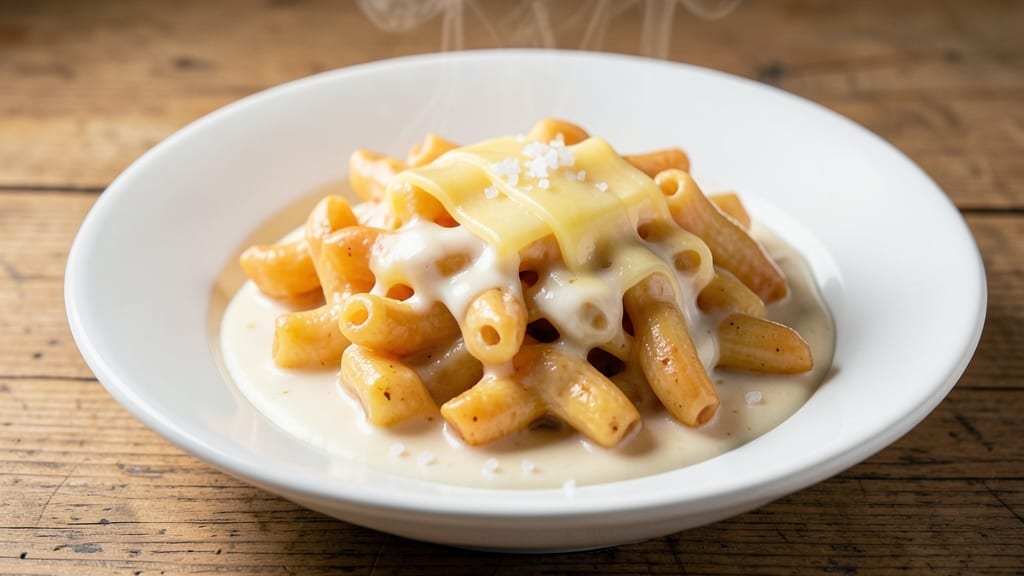
This 5-ingredient mac and cheese recipe delivers restaurant-quality results with minimal effort—no fancy techniques required. The secret lies in a simple roux and the right cheese combination, creating a sauce so creamy it clings to every noodle without separation. I’ve tested this recipe dozens of times, and it never fails to impress, even with picky eaters.
What makes this version special is its simplicity: just elbow macaroni, sharp cheddar, heavy cream, butter, and a pinch of salt. The one-pot method means less cleanup, while the high-heat roux transforms basic ingredients into something luxurious.
Perfect for weeknight dinners or holiday sides, this mac and cheese comes together in under 30 minutes with zero stress.
The result is a dish that’s impossibly creamy yet not overly rich, with a golden, bubbling surface and tender pasta throughout. The cheese sauce coats every noodle, creating that signature velvety texture you’d pay for at a restaurant.
It’s the kind of comfort food that feels indulgent without requiring a complicated recipe.
For extra texture, top with buttery breadcrumbs or crispy bacon bits. This recipe scales effortlessly for crowds, and leftovers reheat beautifully. Let’s make the creamiest mac and cheese you’ve ever tasted—with just five ingredients.
Ingredients for 5 ingredient mac and cheese
Five ingredients transform into restaurant-quality mac and cheese with zero fuss.
| Ingredient | Amount | Notes |
|---|---|---|
| Elbow Macaroni 🍝 | 12 oz | Dry, medium elbow shape preferred |
| Sharp White Cheddar Cheese 🧀 | 4 oz | Block form, freshly grated |
| Heavy Cream 🥛 | 1 cup | Full-fat for optimal creaminess |
| Unsalted Butter 🧈 | ½ cup | Cold, cut into small pieces |
| Kosher Salt 🧂 | ½ tsp | Diamond Crystal preferred |
The cheese makes or breaks this dish—sharp white cheddar is non-negotiable for that signature tang. Grab a wedge from the deli counter rather than pre-grated; it melts perfectly and avoids clumps. For the macaroni, medium elbow shape holds sauce best, and Barilla or De Cecco are my go-tos. The heavy cream and butter should be cold when you start—this helps create that signature roux without burning. If you’re using salted butter, reduce the kosher salt slightly, but I prefer unsalted for full control over seasoning.
No sharp cheddar? Pepper jack or Gruyère add depth, though the texture will differ slightly. Short on heavy cream? Whole milk plus 2 tbsp heavy cream works in a pinch, but the sauce won’t be as velvety. Butter substitutes? Olive oil or coconut oil can work, but butter’s fat content is key for that silky finish. For the salt, Diamond Crystal kosher dissolves more easily than table salt—use exactly as written. The macaroni can be any shape, but elbow or cavatappi cling to sauce best. If you’re making this ahead, cook the pasta al dente and rinse it with cold water before adding to the sauce to prevent overcooking.
This reheats beautifully—just add a splash of milk or water to loosen the sauce. Store leftovers in an airtight container for up to 5 days in the fridge, or freeze for 3 months. For extra indulgence, top with toasted breadcrumbs or crispy bacon bits before baking. The one-pot method means minimal cleanup, but if you’re scaling for a crowd, double the butter and cheese first—they’re the most expensive ingredients. Double-check your pasta water is boiling before adding the noodles to avoid sticking.
Why You’ll Love This Recipe
- No Pantry Stress: I swear by this recipe because it uses what’s already in my fridge—no specialty trips or forgotten spices. Sharp white cheddar melts into that creamy butter-heavy cream sauce like it’s been best friends forever, and the elbow pasta cooks in the same pot. Honestly, the only prep is boiling water and grating cheese.
- Creamy Crispy Magic: That crispy edge on the pasta? Pure satisfaction. The heavy cream and butter make the sauce velvety, but when you let it sit just a minute before serving, the top layer gets this golden, almost caramelized crust. (Yes, even on a Tuesday night.)
- Leftovers That Save: This recipe doubles easily, and the next-day version is even better—cheese pulls tighter, flavors meld. I pack it for lunches or freeze portions for lazy nights. Between us, I’ve reheated this stuff straight from frozen and it still tastes like a hug.
- Budget-Friendly Luxury: Five ingredients, all affordable. The sharp cheddar gives it restaurant-quality depth without the price tag, and butter—well, butter makes everything taste like a win. It’s the kind of meal that feels special but won’t break the bank.
Step-by-step instructions for ultra-creamy one-pot mac and cheese
Here’s the simple method that delivers restaurant-quality creaminess with just five ingredients.
Cook the Elbow Macaroni to Perfect Al Dente
Bring a large pot of water to a rolling boil and add the 0.5 teaspoon kosher salt. Once boiling, add the 12 ounces elbow macaroni and stir immediately to prevent sticking. Cook for 10 minutes until the pasta is al dente – you should be able to pierce it with a fork but still see a slight resistance in the center.
Drain the pasta directly into the pot you’ll use for the cheese sauce. This one-pot approach minimizes cleanup and helps maintain heat for the next steps. The pasta should be hot but not steaming when you add the butter and cream – this ensures the sauce incorporates smoothly without breaking.
Create the Ultra-Creamy Cheese Base
Return the drained pasta to the pot and place it over medium-low heat. Add the 0.5 cup cold unsalted butter cut into small pieces and the 1 cup heavy cream. Stir constantly for 3-4 minutes until the butter melts completely and the mixture becomes smooth and glossy.
The heavy cream should begin to thicken slightly as it heats, creating a velvety base. This is where the magic happens – the cold butter prevents the cream from curdling while building the rich foundation for the cheese sauce. You’ll notice the mixture will look slightly separated at first, but keep stirring as it comes together.
Incorporate the Sharp White Cheddar Cheese
Reduce the heat to low and gradually add the 4 ounces freshly grated sharp white cheddar cheese, stirring constantly. The cheese should melt smoothly into the cream mixture, creating a thick, creamy sauce that coats the back of a spoon. This process takes about 2-3 minutes – don’t rush it or the cheese may clump.
For the best results, use freshly grated cheese – pre-shredded cheese contains anti-caking agents that prevent proper melting. The sauce should be thick enough to cling to the pasta but still flow smoothly. If it becomes too thick, add 1-2 tablespoons of pasta water to loosen it to your desired consistency.
Season and Finish to Perfection
Taste the mac and cheese and adjust the seasoning with additional kosher salt if needed. The sharp white cheddar should provide enough natural saltiness, but you may want to add a pinch more to taste. Stir well to distribute the seasoning evenly throughout the dish.
Let the mac and cheese rest for 2-3 minutes off the heat before serving. This resting period allows the flavors to meld completely and the sauce to thicken slightly. The final result should be ultra-creamy with each bite delivering that perfect balance of rich, cheesy goodness and tender pasta.
Pro Tips For Making 5 Ingredient Mac And Cheese
- Boil Water Fast: Use a large pot—just enough water to cover the pasta by an inch—and bring it to a rolling boil before adding the macaroni. I learned this the hard way: cold-starting the water wastes time and leaves your pasta unevenly cooked. Once boiling, add salt (about 1.5 tsp per quart) and stir—this seasoning step is non-negotiable.
- Shred Cheese Properly: Skip the food processor—it turns cheddar into cheese powder. Use a box grater or knife to shred the sharp white cheddar yourself, because pre-shredded cheese has anti-caking agents that make your sauce grainy. Store-bought shreds are convenient, but they’re the difference between creamy and clumpy.
- Melt Butter Slowly: Don’t rush the butter—melt it over medium-low heat until it’s just liquid and foamy, not browned. After burning three batches, I finally figured out that patience here keeps the sauce from tasting buttery and instead rich and smooth. If it smells nutty, you’ve gone too far.
- Rest Before Serving: Let the finished mac and cheese sit covered for 5-10 minutes off the heat. This lets the sauce thicken and the flavors meld—yes, even if you’re impatient like me. Skipping this step leaves you with a runny mess that tastes like separate ingredients instead of a cohesive dish. Trust the process.
Troubleshooting perfect results
Sauce Too Thin?
If your cheese sauce separates or looks too runny, you likely added the cheese too quickly. Instead, reduce the heat to low and stir continuously while adding the cheese in small batches.
For an immediate fix, mix 1 tablespoon cornstarch with 1 tablespoon cold water and whisk it into the sauce. Simmer for 1-2 minutes until thickened. The key is patience—rushing causes lumps or separation. 🌡️
Cheese Not Melting?
Pre-shredded cheese contains anti-caking agents that prevent proper melting. Always use freshly grated sharp white cheddar—block cheese grates best. If clumps form, strain the cheese through a fine-mesh sieve before adding. For extra insurance, warm the cheese slightly in the microwave for 10-15 seconds before stirring into the sauce.
The sauce should be low and slow—never boil it, or the cheese will curdle.
Pasta Too Dry?
Overcooked pasta absorbs too much liquid, leaving your mac and cheese dry. Cook the elbow macaroni to al dente (about 10 minutes) and drain it directly into the sauce pot. If the pasta still feels dry, add 2-3 tablespoons of pasta water to loosen the sauce.
For extra creaminess, stir in 1 tablespoon heavy cream at the end. The pasta should be tender but still hold its shape—this ensures each bite is perfectly coated. 🍽️
Grainy Texture?
A grainy texture usually means the cheese didn’t melt fully. Use room-temperature heavy cream and cold butter to create a smooth base. If the sauce still feels gritty, blend the cheese with a splash of cream before adding it back to the pot.
For a silkier finish, strain the sauce through a fine-mesh sieve after cooking. Avoid pre-shredded cheese—it’s the #1 culprit for texture issues.
Sauce Breaks When Reheating?
Reheating mac and cheese too quickly causes the sauce to separate. Instead, warm it on low heat and stir in 1 tablespoon heavy cream or milk to restore creaminess. If the sauce is too thick, add 1 tablespoon water to loosen it.
For leftovers, store in an airtight container and reheat gently—microwaving can make it rubbery. The goal is to maintain the velvety consistency you worked so hard to achieve.
Nutrition facts
Frequently asked questions
Can I make this mac and cheese without heavy cream?
Yes! Replace the 1 cup heavy cream with 1 cup whole milk plus 2 tablespoons heavy cream for a lighter texture. For extra richness, use 1 cup evaporated milk—it thickens better but adds a slightly sweeter note. The sauce won’t be as velvety, but it’ll still be delicious. If using milk alone, simmer the sauce slightly longer to help it thicken.
What’s the best cheese substitute if I don’t have sharp white cheddar?
For a tangy flavor, try pepper jack or Gruyère. For a nuttier taste, use Gouda or Monterey Jack. Avoid mild cheddar—it lacks the sharpness needed for that signature bite. If you’re vegetarian, nutritional yeast (1 tbsp) adds a cheesy depth, though the texture will differ. Always grate fresh for best melting results.
Can I make this ahead of time for a party?
Cook the mac and cheese as directed, then let it cool completely. Store in an airtight container in the fridge for up to 5 days. Reheat gently on low heat, stirring in 1-2 tablespoons milk or cream to restore creaminess. For a crowd, double the recipe but use two pots—this keeps the sauce from getting too thick. Serve with toasted breadcrumbs or crispy bacon for texture contrast.
Why does my mac and cheese get watery when reheated?
This happens when the sauce separates during reheating. To fix it, warm the mac and cheese on low heat and stir in 1 tablespoon heavy cream or milk. If it’s still too thin, mix 1 teaspoon cornstarch with 1 tablespoon cold water, whisk into the sauce, and simmer for 1-2 minutes. For best results, reheat in short bursts and avoid microwaving—it can make the sauce rubbery.
Can I use this recipe for a dairy-free version?
Yes, but you’ll need substitutions. Replace the butter with vegan butter or olive oil, and use full-fat coconut milk instead of heavy cream. For cheese, try dairy-free cheddar shreds (like Violife) or a mix of nutritional yeast and cashew cream. The texture will be lighter, but it’ll still be creamy. Adjust seasoning—dairy-free cheeses often need extra salt and a pinch of mustard powder for tang.

- 32 Oz Cream Cheese Cheesecake Recipe: Silky Smoothness With No Cracking - October 11, 2026
- 8×8 Pan Dump Cake Recipe: One-Bowl Wonder with Fudgy Layers - October 11, 2026
- 10-Layer Cake Recipe: Stacked Height With Buttery Vanilla Layers - October 11, 2026