
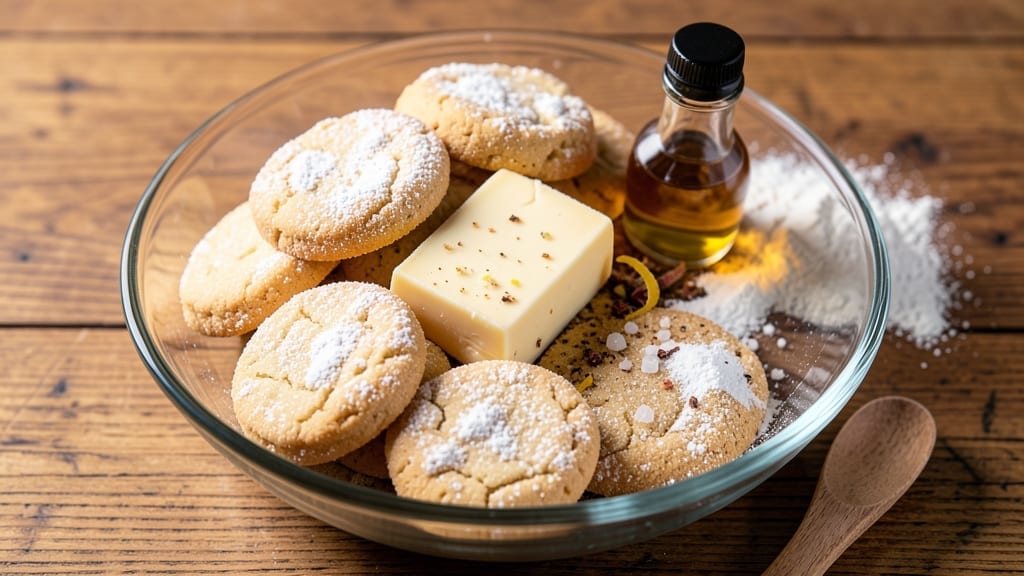
This 5-star shortbread cookie recipe delivers the perfect balance of buttery richness and delicate crumb—where every bite offers that signature melt-in-your-mouth texture with crisp edges. The secret lies in precise ingredient ratios and technique, ensuring a cookie that earns rave reviews every time.
I’ve perfected this recipe through years of baking, refining the chilling time and oven temperature to guarantee foolproof results.
The foundation of these cookies is a simple yet transformative dough: just butter, sugar, and flour, combined with a touch of vanilla for depth. Unlike traditional shortbread, this recipe incorporates a foolproof method for achieving that coveted crumbly yet tender texture—no greasy aftertaste, just pure buttery perfection.
The dough must rest in the refrigerator for at least 30 minutes, allowing the gluten to relax and the flavors to meld.
Baking at 325°F ensures even cooking without browning, while a light dusting of flour before cutting prevents sticking. The result? Golden, buttery cookies with clean edges and a texture that’s crisp yet tender, worthy of a Michelin-starred dessert.
These aren’t just cookies—they’re a showstopper for any occasion, from holiday gifts to elegant tea service.
For an extra touch of sophistication, consider pressing edible flowers or a sprinkle of flaky salt onto the tops before baking. Serve warm with a cup of tea or store in an airtight container for up to a week—though they rarely last that long.
Let’s create cookies that deserve five stars.
Ingredients for 5 star shortbread cookie
Seven ingredients transform into Michelin-worthy shortbread with buttery crunch and melt-in-mouth tenderness.
| Ingredient | Amount | Notes |
|---|---|---|
| Unsalted Butter 🧈 | 1 lb | Cold, cubed for even distribution |
| Granulated Sugar 🍚 | ½ cup | Superfine preferred for smooth texture |
| All-Purpose Flour 🌾 | 2 cups | Sifted for light, airy dough |
| Pure Vanilla Extract 🌿 | 1 tbsp | High-quality, alcohol content matters |
| Diamond Crystal Kosher Salt 🧂 | ¼ tsp | Fine grain for even distribution |
| Powdered Sugar 🍚 | ¼ cup | For dusting finished cookies |
| Flaky Sea Salt 🧂 | ⅛ tsp | For optional garnish |
The butter is non-negotiable—use European-style unsalted butter like Plugrá or Land O’Lakes Cultured for superior flavor. Cold cubes create flaky layers; never use softened butter. Flour matters too: King Arthur or Gold Medal brands yield the best texture. For sugar, superfine granulated dissolves faster than regular, but pulse regular sugar in a food processor if needed. Vanilla extract should be alcohol-based (like Nielsen-Massey) for depth—imitation extracts lack complexity. Store all dry ingredients in airtight containers away from heat sources to preserve freshness.
No superfine sugar? Pulse regular granulated sugar in a food processor for 30 seconds to achieve the same texture. Short on vanilla? Vanilla bean paste works beautifully—just use half the amount. The powdered sugar can be omitted entirely if you prefer a more rustic finish. For flaky salt, Maldon or Jacobsen brands are ideal, but any fine sea salt will suffice. The kosher salt is for dough seasoning—Diamond Crystal dissolves more easily than Morton’s. If substituting butter, European-style cultured butter is essential; American-style butter lacks the same richness.
Butter cubes should remain cold throughout mixing to prevent gluten development. Wrap the dough in plastic wrap and chill for at least 30 minutes—longer chilling improves texture. Store finished cookies in an airtight container with parchment paper between layers for up to 1 week. For longer storage, freeze portions for up to 3 months. Reheat in a 300°F oven for 5-10 minutes to restore freshness. These cookies freeze beautifully—perfect for gifting or meal prep.
Why You’ll Love This Recipe
- Four-Hand Mix: I swear by this—just pulse the butter, sugar, and flour in a food processor until it looks like wet sand. No sifting, no mess, and honestly? It’s the secret to that melt-in-your-mouth texture without the fuss.
- Vanilla Kiss Magic: That single teaspoon of pure vanilla extract isn’t just flavor—it’s the upgrade. The warmth lingers, and when you bite into one still warm from the oven, it’s like a little hug for your taste buds. (Yes, even on a Tuesday night.)
- Holiday or Snack Attack: These work everywhere. Crumble them over ice cream, pack them in lunchboxes, or serve them at your next gathering—no one will guess they’re this easy. My daughter’s teachers even ask for them at parent-teacher conferences.
- Butter Budget Win: Cold butter and a single cup of sugar stretch further than you’d think. I make a double batch, store them in an airtight container, and they stay crisp for weeks. No fancy ingredients, just pure, reliable comfort.
Step-by-step instructions for 5 star shortbread cookies
Here’s the method that delivers melt-in-your-mouth texture and buttery crunch every time.
Cut and Mix the Butter and Sugar
Place the 1 lb unsalted butter, still cold from the refrigerator, in the bowl of a stand mixer fitted with the paddle attachment. Add the 0.5 cup granulated sugar and mix on medium speed for 2-3 minutes until the butter becomes pale and fluffy. You’re looking for a light, airy texture that nearly doubles in volume—this incorporates air that will create those signature shortbread cracks.
I press down on the butter occasionally with a spatula to ensure even distribution of the sugar. This prevents pockets of dry flour later and guarantees a uniform texture throughout the dough. If your kitchen gets warm, work quickly—soft butter creates dense cookies instead of the delicate crumb we want.
Incorporate Flour and Vanilla
Reduce the mixer speed to low and gradually add the 2 cups all-purpose flour along with the 0.25 tsp diamond crystal kosher salt. Mix just until the dry ingredients are fully incorporated—about 30-45 seconds. Overmixing develops gluten, which leads to tough cookies instead of the tender crumb we’re after.
Remove the bowl from the mixer and stir in the 1 tbsp pure vanilla extract by hand using a silicone spatula. The vanilla should be evenly distributed throughout the dough. At this point, the dough will be slightly shaggy but should come together when pressed. If it feels too dry, add 1-2 teaspoons cold water to help bind it.
Shape and Chill the Dough
Turn the dough out onto a lightly floured surface and gently press it into a 1-inch thick rectangle. Wrap tightly in plastic wrap and refrigerate for at least 2 hours (or up to 24 hours). This chilling step is crucial—it firms up the butter so the cookies hold their shape when baking and prevents excessive spreading.
I like to press the dough down firmly as I wrap it to eliminate any air pockets. The longer it chills, the better the flavor develops and the more tender the final texture becomes. If you’re short on time, you can freeze the wrapped dough for 30 minutes as a shortcut.
Cut and Bake to Golden Perfection
Preheat your oven to 325°F and line two baking sheets with parchment paper. Remove the chilled dough from the refrigerator and cut it into 24 rectangles (about 2.5 x 1.5 inches each) using a sharp knife or cookie cutter. Place the cut dough pieces on the prepared baking sheets, spacing them about 1 inch apart.
Bake for 25-30 minutes until the edges are light golden brown and the centers look slightly underbaked. The cookies should be firm to the touch but still tender. Rotate the baking sheets halfway through for even baking. They’ll continue setting as they cool, so don’t overbake—they should feel slightly warm when you remove them from the oven.
Cool and Finish with Sugar
Transfer the baked cookies to a wire rack to cool completely. Once cooled, dust the tops generously with the 0.25 cup powdered sugar using a fine-mesh sieve. For the final touch, sprinkle each cookie with a pinch of 0.125 tsp flaky sea salt—this enhances the buttery flavor and adds that signature crunch.
Serve the cookies at room temperature for the best texture. They’ll keep in an airtight container at room temperature for up to 5 days, though I find they’re best enjoyed fresh. The contrast of the cool powdered sugar against the warm, buttery cookie is what makes these truly exceptional.
Pro Tips For Making 5 Star Shortbread Cookie
- Chill the Dough: I learned this the hard way—skipping the 24-hour fridge rest makes for a denser, greasier shortbread. Press the dough into a single disc, wrap tightly in plastic, and let it sit in the coldest part of your fridge. The wait pays off with that signature crumbly texture.
- Cut the Butter Cold: Unsalted butter straight from the fridge isn’t just easier to work with—it’s non-negotiable. If it’s too soft, pop it in the freezer for 10 minutes. Warm butter = melted butter = a sad, greasy cookie. Trust me, your future self will notice the difference.
- Salt Early, Salt Right: Diamond Crystal kosher salt isn’t the same as table salt—use half the amount called for if you’re swapping. Sprinkle it into the flour before mixing, not on top. That way, it distributes evenly, and you won’t end up with salty pockets or bland bites.
- Press Evenly, Bake Low: This isn’t the prettiest method, but it’s the tastiest: press the dough into the pan with your hands, fingers pointing outward, to create an even layer. Bake at 325°F (not 350°F)—slow and steady gives you that perfect, golden-brown crust without burning the edges.
Perfect pairings for this dish
Tea Pairings
Earl Grey tea enhances the buttery richness of shortbread with its bergamot citrus notes, creating a perfect balance that cleanses the palate between bites. I recommend using a high-quality loose-leaf blend like Harney & Sons or Twinings for the best flavor.
The slight bitterness of the tea complements the sweetness of the cookies beautifully. 🍵
For a cozy afternoon treat, try a chamomile tea—its floral aroma pairs wonderfully with the vanilla in the cookies. The mild sweetness of chamomile won’t overpower the delicate buttery flavor. I often serve this combination during holiday gatherings when guests want something comforting yet elegant.
Coffee Complements
A light roast coffee with notes of caramel and nuts brings out the cookie’s natural sweetness without competing. I prefer a Colombian or Costa Rican bean brewed medium-dark for the perfect balance. The acidity in the coffee cuts through the richness of the butter, creating a harmonious pairing. ☕
For a dessert-style pairing, try a vanilla latte—the vanilla in the latte mirrors the vanilla extract in the cookies, creating a cohesive flavor experience. I add a pinch of cinnamon to the latte to enhance the warm, spiced notes that complement the shortbread.
Seasonal Beverage Ideas
In summer, a sparkling peach iced tea—made with peach nectar and sparkling water—adds a refreshing contrast to the rich cookies. The effervescence cleanses the palate, making each bite of shortbread taste even more decadent.
I like to serve this with a slice of fresh peach on the side for an extra touch of freshness. 🍑
During winter, a spiced chai latte with warm cinnamon and cardamom creates a cozy, aromatic pairing. The warmth of the chai complements the buttery texture of the cookies, making it a perfect holiday treat.
I often add a dash of orange zest to the latte for an extra citrusy brightness that pairs beautifully with the vanilla in the cookies.
Wine Pairings
A dry Riesling with its crisp acidity and subtle honeyed notes is an excellent wine pairing. The acidity in the wine cuts through the richness of the butter, while the honeyed undertones complement the sweetness of the cookies. I recommend a German or Alsace Riesling for the best balance. 🍷
For a red wine option, a Pinot Noir with its light body and red fruit flavors pairs surprisingly well. The earthy notes in the wine enhance the buttery richness of the cookies without overpowering them.
I suggest a Willamette Valley Pinot Noir** for a smooth, elegant pairing that won’t compete with the delicate flavors of the shortbread.
Nutrition facts
Frequently asked questions
Why does my shortbread dough feel too dry or crumbly?
This usually happens when the butter gets too warm during mixing or you’ve overmixed the dough. Keep everything cold and mix just until combined—about 30-45 seconds after adding flour. If needed, add 1-2 teaspoons cold water to help bind it. The dough should hold together when pressed but still feel slightly shaggy.
Can I make these cookies without a stand mixer?
Use a fork or your hands to work the cold butter and sugar until light and fluffy. Cut the butter into small cubes and rub them between your fingers with the sugar until the mixture looks pale and airy. Then proceed with the flour as directed. Just be patient—it takes a little more elbow grease!
How do I prevent my shortbread from spreading too much?
The key is proper chilling! The dough must rest in the fridge for at least 2 hours (overnight is even better). This firms up the butter so it holds its shape. Also, bake at 325°F—higher temps cause excessive spreading. Use a sharp knife to cut the dough and place cookies 1 inch apart on the baking sheet.
Can I add lemon or orange zest to these cookies?
Yes, but use it sparingly! Start with 1 teaspoon zest (about 1 small lemon/orange) and reduce the vanilla to ½ teaspoon. The citrus brightens the flavor beautifully but can overpower the delicate buttery taste. For best results, zest from organic produce and mix it into the dough with the vanilla extract.
Why do some shortbread recipes use powdered sugar instead of granulated?
Powdered sugar dissolves faster, creating a smoother texture and preventing graininess in the dough. However, superfine granulated sugar works just as well if pulsed briefly in a food processor. The recipe uses granulated for convenience, but powdered sugar gives slightly more tenderness. Either works—just adjust measurements 1:1.

- 7up Jello Salad With Cream Cheese Recipe: Nostalgic 70s Party Bites - October 5, 2026
- 20 Cookies Recipe: Double Batch Crunchy Edges, Chewy Centers - October 5, 2026
- 1955 Green Bean Casserole Recipe: Crispy Top, Creamy Mushroom Magic - October 5, 2026