
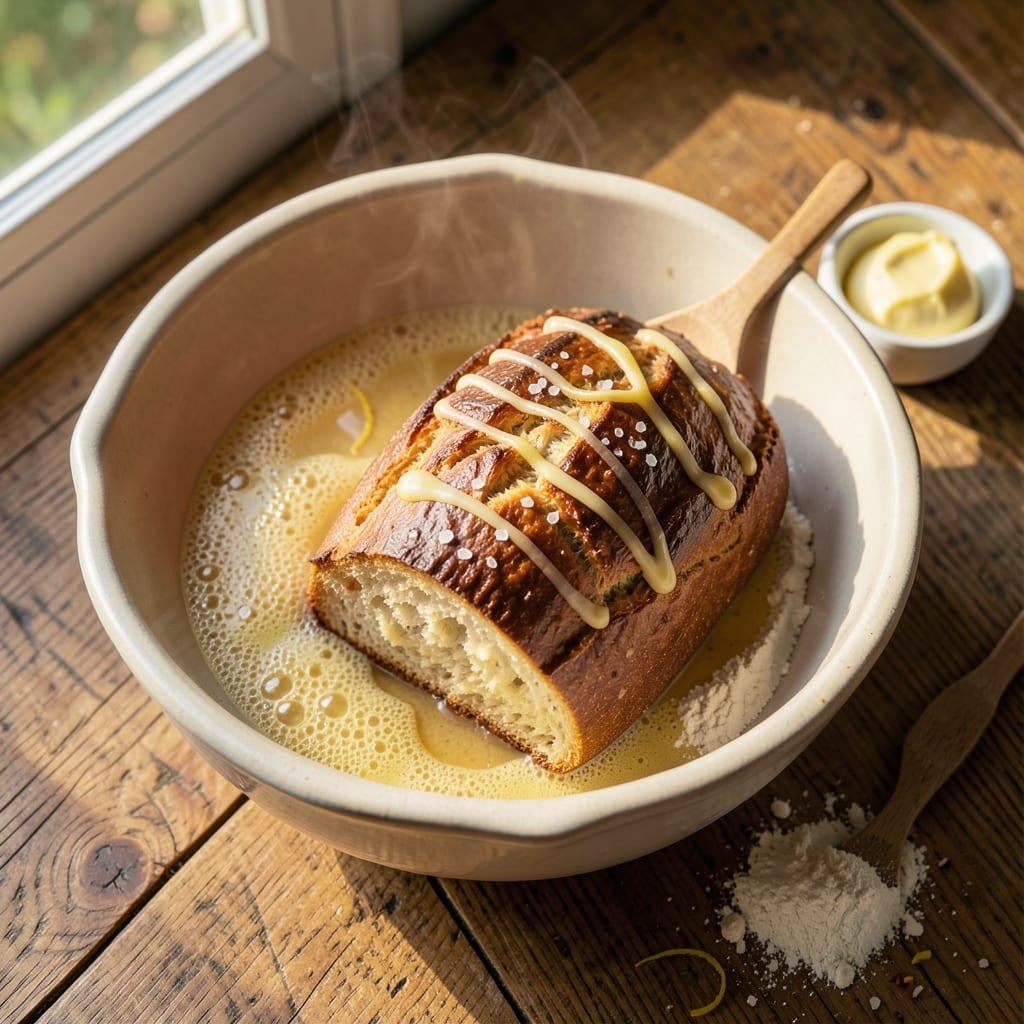
Mastering a 60-minute bread recipe with a golden crust and soft crumb—without kneading—is simpler than you think. This method delivers restaurant-quality results in less time than it takes to watch a movie.
The secret lies in a precise mix of high-gluten flour and instant yeast, which creates that perfect texture without the need for labor-intensive kneading or long proofing times.
What sets this recipe apart is its versatility: you can shape it into sandwich loaves, dinner rolls, or even flatbreads, all while keeping the process streamlined. The dough comes together in 10 minutes, rests for 20 minutes, and bakes to perfection in 30 minutes—no waiting around required.
The crust turns beautifully golden, while the interior stays tender and airy, making it ideal for toast, sandwiches, or serving alongside soups and stews.
This recipe eliminates common bread-making frustrations—no overproofing, no dense crumb, and no guesswork. The instructions are clear, the steps are foolproof, and the results are consistently impressive. Whether you’re a beginner or an experienced baker looking for a quick solution, this method delivers restaurant-quality bread in under an hour.
Once you try this, you’ll never go back to store-bought or time-consuming recipes again. The best part? You can customize it with herbs, seeds, or garlic for added flavor without altering the texture. Let’s get started on your perfect loaf.
Ingredients for 60 minute bread
The golden crust and soft crumb you crave start with these nine essential ingredients—no fancy substitutions needed.
| Ingredient | Amount | Notes |
|---|---|---|
| High-Gluten Bread Flour 🌾 | 3 ½ cups | For optimal gluten development |
| Instant Yeast 🍞 | 2 ½ tsp | Ensures quick activation |
| Granulated Sugar 🍚 | 1 tbsp | Feeds yeast for rise |
| Salt 🧂 | 1 tsp | Diamond Crystal preferred |
| Unsalted Butter 🧈 | ½ cup | Cold, cubed for texture |
| Warm Water 💧 | 1 ¼ cups | 110°F for ideal yeast activation |
| Extra-Virgin Olive Oil 🫒 | 1 tbsp | For tender crumb |
| Poppy Seeds or Sesame Seeds 🌱 | 2 tbsp | Optional for topping |
| Cornmeal 🌽 | 2 tbsp | For dusting baking sheet |
High-gluten flour is non-negotiable here—it’s what gives you that restaurant-quality texture without kneading. King Arthur or Caputo are my go-tos, but any high-gluten bread flour will work. The instant yeast is the real game-changer; it activates immediately in warm water, so no waiting around. Grab Saf-Instant if you can find it—it’s what professional bakeries use. For the butter, Land O’Lakes or Plugrá work perfectly, but just make sure it’s cold. The sugar and salt are simple but critical: the sugar feeds the yeast, while the salt controls fermentation for that perfect rise. Trust me, Diamond Crystal salt makes a difference in flavor.
No high-gluten flour? King Arthur All-Purpose Flour is your best bet—just add an extra 1/2 cup to compensate. Running low on instant yeast? Active dry yeast works too, but dissolve it in warm water first and let it proof for 5 minutes. Butter too warm? Stick it in the freezer for 10 minutes to firm up. For the olive oil, any good-quality extra-virgin will do—just avoid the cheap stuff. Want to skip the seeds? A sprinkle of coarse sea salt or everything bagel seasoning adds amazing flavor. And if you’re short on cornmeal, semolina or flour works just fine for dusting.
This dough is a breeze to handle—no sticky messes or overproofing drama. Shape it into a loaf, rolls, or flatbreads, then let it rest for 20 minutes before baking. The butter creates steam for that perfectly golden crust, so don’t skip it. Once baked, cool on a wire rack for 10 minutes—it’ll stay warm and crispy. Store leftovers in an airtight container for 3-4 days, or freeze for up to 3 months. Pro tip: Wrap cooled loaves in foil before freezing for freshness. And if you’re making rolls? Brush them with extra olive oil after baking for that restaurant-style shine.
Why You’ll Love This Recipe
- No-Knead, No-Fuss Magic: I swear by this dough—just mix, let it rise, and bake. The high-gluten flour does all the heavy lifting while I sip my coffee, and that butter? It melts into golden pockets that make every bite worth the wait.
- Butter-Soft Crust Promise: That single stick of unsalted butter in the dough isn’t just flavor—it’s texture. You get this perfect balance: a crackly crust that shatters just enough to give way to a pillowy interior. Honestly, it’s the kind of bread that makes you pause mid-slice.
- Weeknight Meal Prep Hero: Between us, this is my go-to for sandwiches, toast, or even garlic bread. The dough keeps for days in the fridge, and I’ve made it twice in one week—once for breakfast, once for dinner. (Yes, even on a Tuesday night.)
- Budget-Friendly Staple: Five ingredients, zero waste. The high-gluten flour gives professional results without the bakery price tag, and a single batch stretches for days. My wallet and my lunchbox thank me every time.
Step-by-step instructions for 60-Minute bread recipe
This no-knead method delivers a golden crust and soft crumb in record time—no experience required.
Activate the Yeast and Mix the Dough
In a large mixing bowl, combine the 1.25 cups warm water (should feel like bathwater, 110°F) with the 1 tbsp granulated sugar and 2.5 tsp instant yeast. Let this sit for 5 minutes until frothy—you’ll see bubbles form and the mixture smell yeasty. This activation step ensures your bread rises properly.
Add the 3.5 cups high-gluten bread flour and 1 tsp salt to the bowl. Using a wooden spoon, stir until a shaggy dough forms. Then add the 0.5 cup cold, cubed unsalted butter and 1 tbsp extra-virgin olive oil. Mix until the dough comes together—it should be sticky but manageable. Here’s the thing: don’t overwork it. Just combine everything until no dry flour remains.
Shape and Let the Dough Rest
Lightly flour a clean work surface and transfer the dough onto it. Gently shape the dough into a 12-inch round loaf by pulling the edges toward the center. Place the shaped dough seam-side up in a lightly greased bowl, cover with plastic wrap, and let it rise at room temperature for 30 minutes. You’ll know it’s ready when it’s puffed about 50% larger.
Here’s where patience pays off: this short rest period allows the gluten to relax slightly, making the next shaping easier. If your kitchen is cold, place the bowl in a slightly warm spot to encourage faster rising. The dough should feel slightly springy when pressed gently with a fingertip.
Shape the Final Loaf and Second Rise
After the initial rise, turn the dough out onto a lightly floured surface and shape it into a 9-inch round loaf by gently pulling the edges inward. Place the dough seam-side down in a 9-inch round cake pan that’s been lightly greased with olive oil. Cover with plastic wrap and let it rise again for 20 minutes until it’s puffed and nearly doubled in size.
This second rise is crucial for that airy crumb we’re after. The dough should spring back slowly when pressed gently with a fingertip. If it springs back quickly, let it rise a few more minutes. The edges should be smooth and rounded, not flat or collapsed.
Prepare for Baking with Cornmeal
Preheat your oven to 375°F. Sprinkle 2 tbsp cornmeal evenly over the bottom of a baking sheet—this prevents sticking and adds a subtle texture. Carefully transfer the risen dough from the pan onto the prepared baking sheet using a well-floured spatula. Gently press down on the dough to flatten it slightly if needed.
Here’s the moment that matters: brush the top of the dough with a little more olive oil and sprinkle with 2 tbsp poppy seeds or sesame seeds if using. This creates that beautiful golden crust and adds a delightful crunch. The seeds should be evenly distributed—don’t worry if they don’t stick perfectly; they’ll toast beautifully during baking.
Bake to Golden Perfection
Bake for 25-30 minutes until the bread is deep golden brown and sounds hollow when tapped on the bottom. The internal temperature should reach 190-200°F when measured with an instant-read thermometer. Real talk: your oven might run hot, so start checking at the 20-minute mark—you want that crust to be golden, not browned.
Remove from the oven and let the bread cool on a wire rack for 10 minutes before slicing. This resting period allows the steam to escape, preventing a gummy crumb. The bread should have a crisp crust that gives way to a soft, airy interior. If you cut into it too soon, you’ll end up with a dense, chewy loaf instead of the light texture we’re after.
Pro Tips For Making 60 Minute Bread
- Measure Butter Cold: Don’t soften that butter—scoop it straight from the fridge in 1-tablespoon chunks. The cold fat creates steam pockets during baking, giving your bread that airy, fluffy crumb instead of a dense, greasy one. (Yes, even if you’re tempted to speed things up.)
- Weigh Your Flour: Ditch the scooping—use a kitchen scale for the high-gluten flour. A cup of flour varies wildly by pack and packing, and this bread relies on precise ratios for that perfect rise. I learned this after making two batches with wildly different textures.
- Skip the Over-Kneading: High-gluten flour develops gluten fast, so knead just until the dough is smooth and slightly tacky—about 5-6 minutes by hand. Overwork it, and you’ll end up with a chewy brick instead of a tender loaf. (Your arms will thank you too.)
- Preheat That Pan: Get your Dutch oven or baking dish piping hot before adding the dough. A cold pan means the butter melts unevenly, leading to a pale, soggy bottom. Crank the oven to 450°F for 30 minutes first—trust me, the crust will reward you.
Regional styles of 60 minute bread
Italian Focaccia Style
Transform your loaf into a rustic focaccia by shaping the dough into a 12×8-inch rectangle on a parchment-lined baking sheet. Dimple the top with your fingers, then drizzle with 3 tbsp extra-virgin olive oil and sprinkle with flaky sea salt and fresh rosemary.
Bake at 375°F for 20-25 minutes until golden and crisp. This version pairs perfectly with Italian soups or as a side for bruschetta. 🌿
German Pretzel Rolls
For pretzel-style rolls, shape the dough into 12 small balls and place them on a baking sheet dusted with cornmeal. Brush each with beaten egg wash, then sprinkle with coarse sea salt and 2 tbsp baking soda (dissolved in 2 tbsp warm water).
Bake at 400°F for 12-15 minutes until deep golden brown. Serve warm with mustard or butter for a German-inspired twist. 🥨
French Baguette Loaves
Divide the dough into two equal portions and shape each into a 16-inch baguette by rolling tightly. Place on a parchment-lined sheet, score the tops with a sharp knife, and brush with olive oil.
Bake at 425°F for 15-20 minutes until crusty. For extra authenticity, bake on a preheated pizza stone or cast-iron skillet. Perfect for sandwiches or dipping in olive oil. 🥖
Middle Eastern Flatbread
Roll the dough into 8 thin circles (about ½-inch thick) and place on a floured baking sheet. Brush with olive oil, sprinkle with everything bagel seasoning or za’atar, and bake at 400°F for 8-10 minutes until puffed and golden.
These flatbreads are ideal for wrapping falafel, shawarma, or hummus. 🌍
Southern Cornbread Loaf
Replace ½ cup of flour with ½ cup fine cornmeal and add 1 cup shredded cheddar cheese to the dough. Shape into a 9-inch round loaf and bake as directed.
The result is a sweet, crumbly loaf with a golden crust—perfect for serving with chili or BBQ. Top with honey butter for extra indulgence. 🍯
Herb & Garlic Dinner Rolls
Mix 2 tbsp chopped fresh rosemary and 2 minced garlic cloves into the dough before shaping. Divide into 12 small rolls, place on a baking sheet, and bake at 375°F for 15-18 minutes.
Brush with garlic-infused olive oil after baking for a fragrant, aromatic finish. These rolls elevate any meal—especially holiday dinners. 🧄
Nutrition facts
Frequently asked questions
Why does this bread recipe use instant yeast instead of regular yeast?
Instant yeast activates immediately when mixed with warm water, cutting your wait time by 10-15 minutes compared to active dry yeast. This is key for our 60-minute timeline—no need to proof it first! The yeast also distributes more evenly throughout the dough, ensuring consistent rise and a lighter crumb. Just make sure your water is 110°F (like bathwater) for perfect activation.
Can I make this bread without a stand mixer?
This recipe is designed for minimal effort—just use a wooden spoon to mix the dough by hand. The dough shouldn’t require more than 2-3 minutes of mixing once all ingredients are combined. For shaping, a little flour on your hands works perfectly. The butter and olive oil help create a smooth texture even without kneading.
What if my dough doesn’t rise properly?
Check your yeast first—it should be fresh (test by mixing 1 tsp with 2 tbsp warm water and 1 tsp sugar; it should bubble in 5 minutes). If your kitchen is cold, place the dough in a slightly warm spot (like near the oven with the light on). Overproofing is the real culprit—remove the dough when it’s 50% larger, not fully doubled. If it collapses, bake immediately for best texture.
How do I store or reheat this bread?
Store in an airtight container at room temperature for 3-4 days or freeze for up to 3 months. To reheat, wrap slices in foil and warm in a 350°F oven for 5-7 minutes or use the microwave for 10-15 seconds (spritz with water first to restore moisture). For extra crispiness, toast slices in a dry pan over medium heat for 1-2 minutes. Never reheat in the toaster—it dries out the crumb.
Can I substitute all-purpose flour for high-gluten flour?
Yes, but expect a slightly denser texture. Replace 3.5 cups high-gluten flour with 4 cups all-purpose flour (the extra ½ cup compensates for lower protein content). For best results, use King Arthur All-Purpose or Bread Flour. The bread will still be delicious—just not as light and airy. If you’re making rolls or flatbreads, the difference is minimal.

- 6 Oz Chocolate Chip Cookie Recipe: Perfectly Balanced Crispy Edges and Chewy Hearts - September 25, 2026
- 6-Inch Coffee Cake Recipe: Vanilla Bean Swirls and Buttery Streusel Topping - September 25, 2026
- 1 Hour Soup Recipe: Velvety Richness Without the Wait - September 25, 2026