
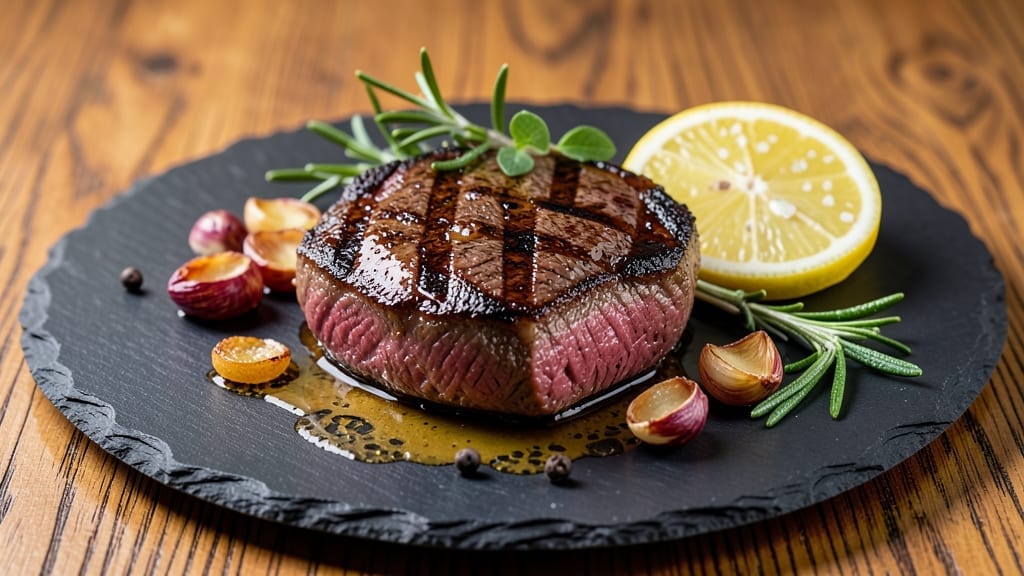
An 8 oz steak recipe that delivers a perfect balance of seared crust and juicy pink centers is the ultimate weeknight upgrade. The secret lies in high-heat pan-searing and precise timing—no fancy equipment required. I’ve perfected this method for ribeye and sirloin cuts, ensuring every bite stays tender while the exterior develops that coveted caramelized bark.
Start with a thick-cut steak (8 oz) at room temperature, seasoned generously with kosher salt and black pepper. A cast-iron skillet on medium-high heat is ideal—it retains heat better than nonstick pans, creating that restaurant-quality crust.
The key is patience: let the steak develop a deep sear on both sides before checking for doneness with a meat thermometer (125°F for rare, 135°F for medium-rare).
After searing, transfer the steak to a cutting board and let it rest for 5–10 minutes—this critical step ensures juices redistribute, preventing dryness. The result? A steak with a crispy exterior and a perfectly pink, buttery interior that melts in your mouth.
Serve with a simple side of roasted garlic mashed potatoes or a fresh arugula salad to complement the rich flavors.
For versatility, this method works equally well for grilling or broiling. Adjust cooking times slightly based on your preferred doneness, but always prioritize resting. The difference between a good steak and a great one often comes down to these small, intentional details. Let’s get cooking!
Ingredients for 8 oz steak
Thick-cut steak, high-heat sear, and precise timing create the perfect restaurant-quality crust with juicy pink centers.
| Ingredient | Amount | Notes |
|---|---|---|
| Ribeye or Sirloin Steak 🥩 | 8 oz | Thick-cut, 1-inch minimum thickness |
| Kosher Salt 🧂 | 1 ½ tsp | Diamond Crystal preferred, coarse grain |
| Freshly Ground Black Pepper 🌶️ | ½ tsp | Cracked peppercorns preferred |
| Extra-Virgin Olive Oil 🫒 | 1 tbsp | High smoke point preferred |
| Unsalted Butter 🧈 | 1 tbsp | Cold, cut into small cubes |
| Garlic Cloves 🧄 | 2 cloves | Smashed, for garnish |
| Fresh Rosemary 🌿 | ¼ tsp | Chopped, for finishing |
| Cast-Iron Skillet 🔥 | 1 whole | 10-inch minimum diameter |
| Meat Thermometer 🌡️ | 1 whole | Instant-read preferred |
The steak cut matters—ribeye for marbling or sirloin for leaner texture. Buy from a butcher shop if possible; they often carry thicker cuts than grocery stores. Look for bright red color with visible fat marbling—this ensures tenderness. If using frozen steak, thaw it in the fridge overnight for even cooking. Costco or local butcher counters are reliable sources for quality cuts, though high-end grocery stores like Whole Foods carry excellent options too. Avoid pre-cut steaks from the deli counter—they often have thinner edges that overcook.
No cast-iron skillet? A heavy stainless steel pan works in a pinch, but it won’t retain heat as well. The olive oil and butter combo creates the perfect crust—don’t skip the butter. If you’re short on time, avocado oil has a higher smoke point than olive oil. For seasoning, Maldon flaky salt is ideal, but any coarse kosher salt works. Fresh rosemary can be swapped for thyme or parsley if unavailable. The garlic should be smashed, not minced—this releases more flavor. If you don’t have a meat thermometer, use the finger test (firm for medium-rare, slightly springy for rare).
Steak should rest on a warm plate or cutting board for 5–10 minutes before slicing—this keeps juices inside. Store leftovers in an airtight container in the fridge for up to 3 days. For longer storage, wrap tightly in parchment paper and freeze for up to 3 months. Reheat gently in a skillet over low heat or in the oven at 200°F to avoid drying out. The crust won’t be as crispy after reheating, but the interior remains tender. Portion into individual servings before freezing for easy single meals.
Why You’ll Love This Recipe
- Two-Handed Cooking: I swear by this one—just a steak, salt, pepper, and a pan. No chopping, no measuring cups, no stress. Honestly, it’s the kind of meal where you can hold a conversation while it cooks.
- Butter-Basted Magic: That moment when the butter pools on the steak and you baste it right off the pan? Chef’s kiss. The olive oil sears the crust, then the butter melts into a golden, herby sauce—rich, simple, and impossible to resist.
- Date Night or Dinner Solo: Works for both. A single 8 oz steak feels special enough for a fancy night in, but it’s also the perfect portion when you’re craving something hearty after a long week. (Yes, even on a Tuesday night.)
- Leftovers That Don’t Suck: Cold steak salad? Yes, please. Slice it up, toss with greens, and suddenly you’ve got a lunch that tastes like dinner. Between us, I’ve reheated mine in a skillet with a splash of broth—still delicious, still worth it.
Step-by-step instructions for pan-seared steak with juicy pink centers
Master this technique and you’ll achieve a perfectly seared crust while preserving the steak’s tender interior every time.
Prep the Steak for Maximum Flavor and Even Cooking
Remove the steak from the refrigerator and let it sit at room temperature for 30-45 minutes. This allows for even cooking throughout—cold meat creates uneven doneness. Pat the steak dry completely with paper towels, pressing firmly on all sides. Moisture is the enemy of a good sear, and removing it ensures maximum crust development.
Generously season both sides with the 1.5 teaspoons kosher salt and 0.5 teaspoon freshly ground black pepper. Use your fingers to press the seasoning into the meat, ensuring even coverage. The salt will draw out moisture initially, but this is essential for creating that flavorful crust. Let the seasoned steak rest for another 5 minutes while you prepare your pan.
Create the Perfect Searing Environment in Cast Iron
Place the 10-inch cast-iron skillet over medium-high heat until it’s thoroughly preheated. You’ll know it’s ready when a drop of water sizzles and evaporates instantly upon contact. Add the 1 tablespoon extra-virgin olive oil and let it heat for 1 minute, swirling to coat the pan evenly. The oil should shimmer but not smoke excessively—this is your signal to add the butter.
Add the 1 tablespoon unsalted butter cut into small cubes. The butter will foam and bubble as it melts, creating additional flavor compounds. This butter-oil combination is what gives your steak that rich, complex crust. Keep the heat at medium-high—too high and you’ll burn the butter before the steak sears properly.
Sear the Steak to Develop Deep Flavor and Crust
Place the steak in the skillet, centering it away from you for safety. Let it cook undisturbed for 2-3 minutes until you see a deep golden-brown crust forming and the edges begin to pull away slightly from the pan. This is where patience pays off—resist the urge to move it around. I press down gently on the steak during the first minute to prevent curling and ensure even contact with the pan.
Flip the steak using tongs and sear the second side for another 2-3 minutes, depending on your desired doneness. For medium-rare, aim for an internal temperature of 130-135°F when measured with your instant-read meat thermometer. The crust should be deep mahogany and crispy, with caramelized butter clinging to the surface. Remove the steak to a warm plate and let it rest for 5-10 minutes—this crucial step allows the juices to redistribute.
Finish with Aromatics and Serve Immediately
While the steak rests, reduce the heat to medium and add the 2 smashed garlic cloves to the skillet. Let them sizzle for 30 seconds until fragrant but not browned. Remove them with tongs and set aside for garnish. Add the 0.25 teaspoon chopped fresh rosemary to the pan and cook for another 10 seconds to release its aroma.
Return the steak to the skillet, spooning the fragrant garlic butter over the top. Let it sit for 1 minute to absorb those final flavors. Slice against the grain into ½-inch thick portions and serve immediately with the garlic butter drizzled over each piece. The steak should have a crisp crust that gives way to juicy pink centers, with each bite delivering perfect texture and rich flavor.
Pro Tips For Making 8 Oz Steak
- Preheat Pan Like It’s 1999: DESCRIPTION: I used to slap that steak in a lukewarm pan and wonder why it didn’t sear. Crank your heat to medium-high and let the pan scream for 3-4 minutes—you should see smoke. Ribeye and sirloin need that initial shock to lock in juices and build crust. (Yes, even if you’re impatient like me.)
- Salt the Night Before: DESCRIPTION: My grandmother swore by this, and she was right: sprinkle kosher salt on the steak 12-24 hours ahead. It seasons deeper and dries the surface just enough for a better crust. Skip this, and you’re fighting for flavor instead of letting it work for you.
- Butter at the End Only: DESCRIPTION: Don’t add butter until the last 30 seconds—it burns faster than you think. Toss in a pat of unsalted butter with a splash of olive oil when the steak’s halfway done, then baste like you’re painting a masterpiece. That’s how you get the golden, buttery crust without turning it into a sad, greasy mess.
- Rest Under Foil: DESCRIPTION: I learned this the hard way—cutting into steak too soon sends all the juices pooling on your plate instead of your mouth. After cooking, transfer it to foil and let it rest for 5-10 minutes. (Your future self will thank you.)
Regional styles of these flavors
Texas-Style Ribeye
In Texas, steak isn’t just dinner—it’s a cultural experience. For an 8 oz ribeye, Texans prefer a bold, smoky flavor profile. Start with a thick-cut ribeye (1-inch minimum) and season generously with kosher salt and coarsely ground black pepper.
After searing in a cast-iron skillet, finish the steak on a hot grill or griddle for that signature char. Serve with crispy fried onions and a side of creamy mac and cheese—this combo is a Texas staple.
The key is high heat and minimal handling to preserve that tender interior. 🔥
New York Strip Perfection
New Yorkers love their steaks leaner but packed with flavor. For an 8 oz sirloin or strip steak, focus on a hot cast-iron sear followed by a quick broil to lock in juices.
Season simply with flaky Maldon salt and freshly cracked pepper, then finish with a pat of cold butter and a sprinkle of chopped parsley. Serve with garlic mashed potatoes and grilled asparagus—this is classic NYC steakhouse style. The secret?
Keep the heat consistent and rest the steak for at least 10 minutes before slicing. ⚡
California-Style Grilled Steak
Out West, steak gets a fresh, herbaceous twist. Grill an 8 oz ribeye or sirloin over charcoal or hardwood (cedar or oak work best) and brush it with a mix of olive oil, minced garlic, and fresh rosemary while cooking.
Add a splash of red wine to the pan for depth. Serve with grilled vegetables (zucchini, bell peppers) and a white wine reduction—this approach highlights California’s love of bold flavors and outdoor cooking. The high heat of the grill creates a crispy crust without overcooking the interior. 🌿
Chicago’s Buttery Steakhouse Style
Chicagoans take their steaks seriously, and an 8 oz porterhouse is their go-to. Sear the steak in butter and garlic until the crust is golden, then finish with a compound butter (mix softened butter with minced shallots and dried thyme).
Serve with au jus for dipping and roasted garlic potatoes. The Windy City’s style is all about rich, buttery flavors and a perfect medium-rare doneness. Pro tip: Use a meat thermometer to hit 130°F for that ideal Chicago steakhouse texture. 💛
Southwest Spiced Steak
For a flavor-packed twist, try a Southwest-inspired 8 oz steak. Rub the steak with a mix of chili powder, smoked paprika, and cumin before searing. After cooking, top with sliced avocado, pickled red onions, and a dollop of sour cream.
This fusion style balances smoky, spicy, and creamy flavors—perfect for a weeknight upgrade. The key is to marinate the steak for 30 minutes before cooking to let the spices penetrate. 🌶️
Nutrition facts
Frequently asked questions
What’s the best cut for an 8 oz steak that stays juicy?
For maximum juiciness, choose a thick-cut ribeye or sirloin with at least 1-inch thickness. These cuts have the perfect balance of marbling and tenderness. Filet mignon works too but lacks flavor depth, while flank steak is leaner and better suited for slicing thin. Always buy from a butcher shop for the freshest, thickest cuts.
How do I know when my 8 oz steak is done without a thermometer?
Use the finger test for rough estimates: press your finger on the steak—rare feels like pressing a fleshy part of your palm, medium-rare like pressing your thumb, and medium like pressing your index finger. For medium-rare, aim for 2-3 minutes per side in a hot pan. The key is timing and resting for 5-10 minutes after cooking.
Can I cook an 8 oz steak in a nonstick pan?
Nonstick pans work but won’t give you that crispy crust like cast iron. For best results, use a heavy stainless steel pan or cast iron. If you must use nonstick, increase the heat slightly and press the steak down gently during searing. The crust will be thinner, but the interior will still be tender if you avoid overcooking.
Why does my steak turn out dry even after resting?
Overcooking is the #1 cause of dry steak. For an 8 oz steak, 2-3 minutes per side on high heat is ideal for medium-rare. Check internal temp with a thermometer (130°F for medium-rare). Also, slicing against the grain and resting for 5-10 minutes helps retain juices. Never skip the rest—it’s when juices redistribute!
What sides pair best with this 8 oz steak recipe?
Classic pairings include roasted garlic mashed potatoes, grilled asparagus, or a simple arugula salad with lemon vinaigrette. For a heartier meal, try creamy mac and cheese or crispy roasted Brussels sprouts. Avoid heavy sides that overpower the steak’s rich flavor—balance is key.

- 12 Bean Chili Recipe: Hearty Slow-Cooked Depth With 12 Legumes - October 17, 2026
- 5 Seed Bread Recipe: Nutty Crunch and Artisan Flavor in One Loaf - October 17, 2026
- 1 Lb Macaroni Salad Recipe: Bold, Crunchy, and Crowd-Pleasing - October 17, 2026