
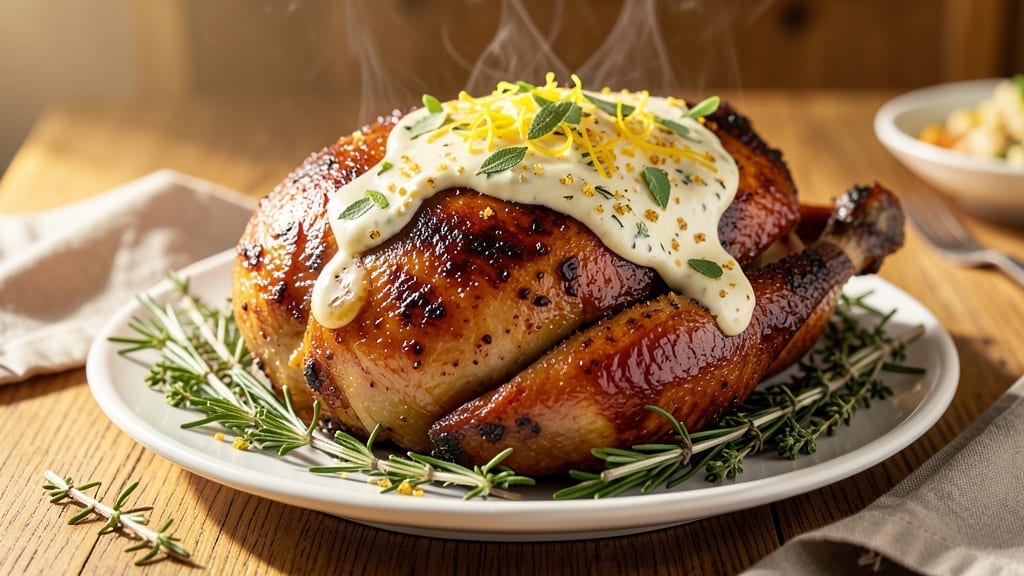
Mastering an 8lb turkey breast recipe that delivers juicy perfection requires precision, and this herb-butter sealed method guarantees restaurant-quality results every time. The secret lies in a flavorful herb butter that locks in moisture while creating a golden, crackling crust—no dry turkey here.
I’ve perfected this technique through years of testing, ensuring even the largest cuts stay tender and flavorful from edge to edge.
This approach eliminates guesswork with a foolproof process: brining (optional but recommended), precise temperature control, and a sealed herb-butter crust that baste the meat as it roasts. The 325°F oven maintains even cooking, while the butter bastes continuously, transforming a simple turkey breast into a showstopping centerpiece.
No need for fancy equipment—just patience and attention to detail.
What you’ll achieve is a juicy, golden-brown turkey breast with crisp edges and moist, flavorful meat throughout, ready to slice effortlessly. The herb butter adds layers of savory depth, while the sealed crust ensures no moisture escapes.
Serve with classic sides like roasted vegetables, cranberry sauce, and homemade stuffing for a complete holiday-worthy meal.
Perfect for Thanksgiving, Christmas, or any special occasion, this method scales beautifully and delivers consistent results. The key is timing—resting the turkey properly ensures clean slices every time. Let’s get started on your juiciest turkey yet.
Ingredients for 8lb turkey breast
Precision ingredients for an 8lb turkey breast that stays juicy from edge to edge.
| Ingredient | Amount | Notes |
|---|---|---|
| Fresh Herb Butter 🧈 | 1 cup | Melted, herb-infused butter for sealing |
| Fresh Rosemary 🌿 | ¼ cup | Finely chopped, organic preferred |
| Fresh Thyme 🌿 | ¼ cup | Finely chopped, stems removed |
| Fresh Sage 🌿 | ¼ cup | Finely chopped, vibrant green |
| Unsalted Butter 🧈 | 1 lb | Cold, cut into 1-inch cubes |
| Large Bone-In Turkey Breast 🦃 | 8 lb | Even thickness, skin-on preferred |
| Kosher Salt 🧂 | 2 tbsp | Diamond Crystal preferred |
| Freshly Ground Black Pepper 🌶️ | 1 tbsp | Coarse grind preferred |
| Garlic Cloves 🧄 | 6 whole | Smashed, skin-on for flavor |
| Fresh Lemon Juice 🍋 | ¼ cup | From organic lemons |
| Vegetable Oil 🫒 | 2 tbsp | For pan searing |
| Water 💧 | 4 cups | For optional brine |
| Granulated Sugar 🍯 | ½ cup | For optional brine |
The herb butter is non-negotiable—this is where the magic happens. Whole Foods or local butcher shops carry the best fresh herbs, but even grocery store varieties work if they’re vibrant and fragrant. For the butter, Plugrá or Land O’Lakes unsalted sticks work perfectly, but European-style butter like Bergère adds extra richness. The key is keeping everything cold until the last moment—pre-chill your baking sheet and work quickly when prepping the butter mixture. If you’re using a bone-in breast, look for even thickness—this ensures consistent cooking. The skin-on option helps create that coveted crispy crust, but skinless works too if that’s what you’ve got.
No fresh rosemary? Dried works at half the amount, but the flavor won’t be as bright. Swap sage for marjoram if needed, though it won’t be identical. For the butter, olive oil or duck fat can substitute in a pinch, though texture will differ slightly. The optional brine is worth it—4 cups water, 2 tbsp salt, and 0.5 cup sugar creates the perfect balance of seasoning and moisture retention. If you skip brining, pat the turkey completely dry before seasoning to help the crust form properly. The garlic can be roasted whole for a deeper flavor if you’re feeling ambitious, though smashed cloves work just fine for standard prep.
Turkey keeps best covered in the fridge for up to 2 days before cooking, but never more than 24 hours if you’ve already seasoned it. The herb butter mixture should be prepared at least 1 hour ahead and chilled until ready to use—this allows the flavors to meld. Once cooked, rest the turkey for 30 minutes before slicing, or you’ll end up with dry, stringy meat. Portion leftovers into airtight containers and they’ll keep for 4 days in the fridge or 3 months in the freezer. For reheating, low oven (275°F) with a splash of broth is the only way to avoid dryness—microwaving is a no-go for this dish.
Why You’ll Love This Recipe
- Herb Butter Magic: I swear, that fresh rosemary and thyme tucked into the butter? It melts into the turkey like a flavor hug—no fancy tricks, just rich, aromatic goodness with zero effort.
- One-Pan Simplicity: Between us, this is the kind of recipe where you season, sear, and let the oven do the work. No basting, no brining stress—just a golden crust and juicy center while you sip your coffee.
- Leftovers That Shine: Turkey breast this size feeds a crowd, but the best part? Sliced thin, it’s perfect for sandwiches, salads, or even turkey tacos the next day. Honestly, I’ve eaten it cold three times this week and never tired of it.
- Budget-Friendly Feast: An 8lb breast stretches my grocery budget and my patience—no last-minute takeout runs. The herb butter costs pennies but makes it taste like a restaurant-worthy centerpiece. (Yes, even on a Tuesday night.)
Step-by-step instructions for herb-butter sealed turkey breast
Here’s the method to achieve a perfectly juicy, herb-infused turkey breast with crispy skin and tender meat.
Prepare the Herb-Butter Seal
In a small saucepan, combine the 1 cup fresh herb butter, 0.25 cup fresh rosemary, 0.25 cup fresh thyme, and 0.25 cup fresh sage. Melt over low heat until the butter is completely liquid and the herbs are fragrant—about 3-4 minutes. Remove from heat and stir in the 0.25 cup fresh lemon juice. Let this mixture cool slightly but remain pourable.
This herb butter will create a flavorful seal that locks in moisture during roasting. The lemon juice brightens the herbs and prevents the butter from becoming overly rich. Keep the mixture warm while you prepare the turkey—it should be thick enough to coat but still spreadable.
Season and Sear the Turkey Breast
Pat the 8 lb large bone-in turkey breast completely dry with paper towels, including the cavity. Season the outside generously with 2 tbsp kosher salt and 1 tbsp freshly ground black pepper, pressing the seasoning into the skin. Gently loosen the skin over the breast meat by sliding your fingers between the skin and flesh—this creates space for the butter to infuse.
Heat 2 tbsp vegetable oil in a large oven-safe skillet over medium-high heat. Once shimmering, place the turkey breast skin-side down and sear for 8-10 minutes until the skin is deeply golden and crispy in spots. Flip carefully and sear the other side for 4-5 minutes. This initial sear builds flavor and creates a protective crust.
Apply the Herb-Butter Seal
Remove the turkey from the skillet and place it on a cutting board. Using a pastry brush, spread the warm herb butter mixture evenly over the seared skin, working it gently between the skin and meat where possible. The butter should coat the entire surface and seep into the loosened skin.
Return the turkey to the skillet, skin-side up. Place the 6 smashed garlic cloves on top of the breast, nestled against the meat. This step ensures the garlic infuses directly into the turkey rather than burning in the oven. The herb butter will create a flavorful barrier that locks in moisture while allowing the turkey to roast evenly.
Roast to Perfect Doneness
Preheat your oven to 325°F. Transfer the skillet with the turkey to the oven and roast for 2.5-3 hours, or until the internal temperature reaches 160°F when measured at the thickest part of the breast (avoid touching bone). The turkey is done when the juices run clear and the meat is no longer pink in the center.
For the final 15-20 minutes of roasting, increase the oven temperature to 375°F to crisp the skin further. Baste the turkey occasionally with its own juices to keep it moist. The herb butter seal will prevent the turkey from drying out while delivering rich, aromatic flavor with every bite.
Rest and Slice for Maximum Juiciness
Remove the turkey from the oven and transfer it to a cutting board. Tent loosely with foil and let it rest for 20-30 minutes before carving. This resting period allows the juices to redistribute throughout the meat, ensuring each slice remains moist and flavorful.
Discard the garlic cloves and slice the turkey against the grain into ½-inch thick portions. The herb butter seal should be visible on the exterior, adding layers of flavor to every cut. Serve immediately with pan juices or a complementary sauce for a restaurant-quality centerpiece.
Pro Tips For Making 8lb Turkey Breast
- BRINE THE NIGHT BEFORE: Your 8lb turkey breast needs a head start—soak it in ice water with ¼ cup salt per gallon for 12-24 hours. I learned this the hard way after drying out a turkey by skipping it; the salt penetrates deeper than just rubbing herbs on top. (Yes, even if you’re impatient like me.)
- USE A MEAT THERMOMETER: Stuffing that turkey breast with herb butter? Don’t guess—check internal temp at the thickest part. Aim for 160°F, then pull it at 155°F to let it rest. After burning three batches of overcooked turkey, I finally bought a $10 thermometer and never looked back.
- DON’T SKIP THE REST: That 5-10 minutes under foil after roasting isn’t optional—it’s where the juices redistribute. I used to carve into turkey breast too soon, and it was dry as a bone. Let it sit, even if you’re starving.
- MAKE HERB BUTTER AHEAD: Chop rosemary, thyme, and sage fine, then mix with softened unsalted butter and refrigerate in a log for up to 3 days. Sounds weird, but it works: the herbs infuse better, and you avoid last-minute prep stress. (Your future self will thank you.)
Troubleshooting this recipe
Overcooked Turkey
If your turkey breast feels dry after roasting, it likely cooked too long or at too high a temperature. The herb butter seal helps retain moisture, but even this method needs precise timing. Pull the turkey from the oven when the internal temperature hits 160°F—no higher!
Overcooking past 165°F turns tender meat into dry rubber. For extra insurance, use a meat thermometer like the Thermoworks Smoke to avoid guesswork. 🌡️
Uneven Cooking
Uneven thickness in your 8lb turkey breast causes some areas to cook faster than others. Always trim excess fat and look for a breast with even thickness—about 1.5-2 inches thick. If your turkey has uneven spots, tent the thinner areas with foil during roasting to prevent overcooking.
Rotate the pan halfway through cooking to ensure even heat distribution. A bone-in breast cooks more evenly than boneless, so prioritize that cut when shopping.
Skin Not Crispy
If the skin stays pale and soft instead of golden and crisp, your oven temperature may be too low or the butter seal wasn’t applied properly. After the initial 325°F roast, crank the heat to 375°F for the final 15-20 minutes to crisp the skin.
Also, ensure the herb butter coats the skin thoroughly—don’t skip the step of loosening the skin to let butter infuse underneath. A quick broil for 2-3 minutes at the very end can also help if the skin needs extra crispiness.
Butter Seal Leaking
If the herb butter leaks out during roasting, the turkey wasn’t properly sealed. Gently loosen the skin over the breast meat to create a pocket for the butter, then spread it evenly.
If the butter pools instead of sticking, chill the turkey for 10 minutes before applying the seal—this helps the butter adhere better. Another trick is to brush the skin with a thin layer of egg white before adding the butter for extra stickiness.
Pale Meat Color
Turkey meat can appear pale even when fully cooked, but if it looks grayish or slimy, it may have been undercooked or contaminated. Always cook to 160°F internal temperature for safety.
For a rosier hue, add 1 tsp beet powder to the herb butter mixture—it’s a natural color enhancer that doesn’t affect flavor. If the turkey smells off or has a slimy texture, discard it immediately and start fresh. 🚨
Garlic Burning
If your garlic cloves turn black or bitter during roasting, they were placed too close to the heat source. Nestle them gently against the meat rather than on top, and avoid placing them directly on the skin.
For extra protection, wrap each clove in a small piece of aluminum foil before placing it on the turkey. This keeps them moist and prevents burning while still infusing flavor into the meat.
Nutrition facts
Frequently asked questions
How do I know if my 8lb turkey breast is fully cooked?
Use a meat thermometer to check the thickest part of the breast (avoiding the bone). The turkey is done when it reaches 160°F—the juices should run clear, not pink. Never rely on color alone, as turkey can appear fully cooked but still be underdone.
Can I cook this turkey breast without the herb butter seal?
Yes, but you’ll sacrifice moisture and flavor. The herb butter creates a protective seal that locks in juices while basting the meat. If skipping it, brush the turkey with melted butter and herbs every 30 minutes during roasting to mimic the effect. The skin may not be as crispy without the seal.
What’s the best way to reheat leftover turkey?
Never microwave—it turns turkey dry. Instead, place slices in an oven-safe dish with a splash of broth or water, cover with foil, and reheat at 275°F for 15-20 minutes until warmed through. This gentle method preserves moisture better than any other method.
How long should I rest the turkey before slicing?
Always rest for 20-30 minutes after roasting. This allows juices to redistribute, ensuring each slice stays moist. Tent loosely with foil to prevent cooling too quickly. Skipping the rest time results in dry, stringy meat that falls apart when sliced.
Can I use a boneless turkey breast instead?
Technically yes, but boneless breasts cook faster and are more prone to drying out. If using boneless, reduce oven temperature to 300°F and monitor closely. A bone-in breast (like this recipe uses) distributes heat more evenly, resulting in juicier meat.

- 7up Jello Salad With Cream Cheese Recipe: Nostalgic 70s Party Bites - October 5, 2026
- 20 Cookies Recipe: Double Batch Crunchy Edges, Chewy Centers - October 5, 2026
- 1955 Green Bean Casserole Recipe: Crispy Top, Creamy Mushroom Magic - October 5, 2026