
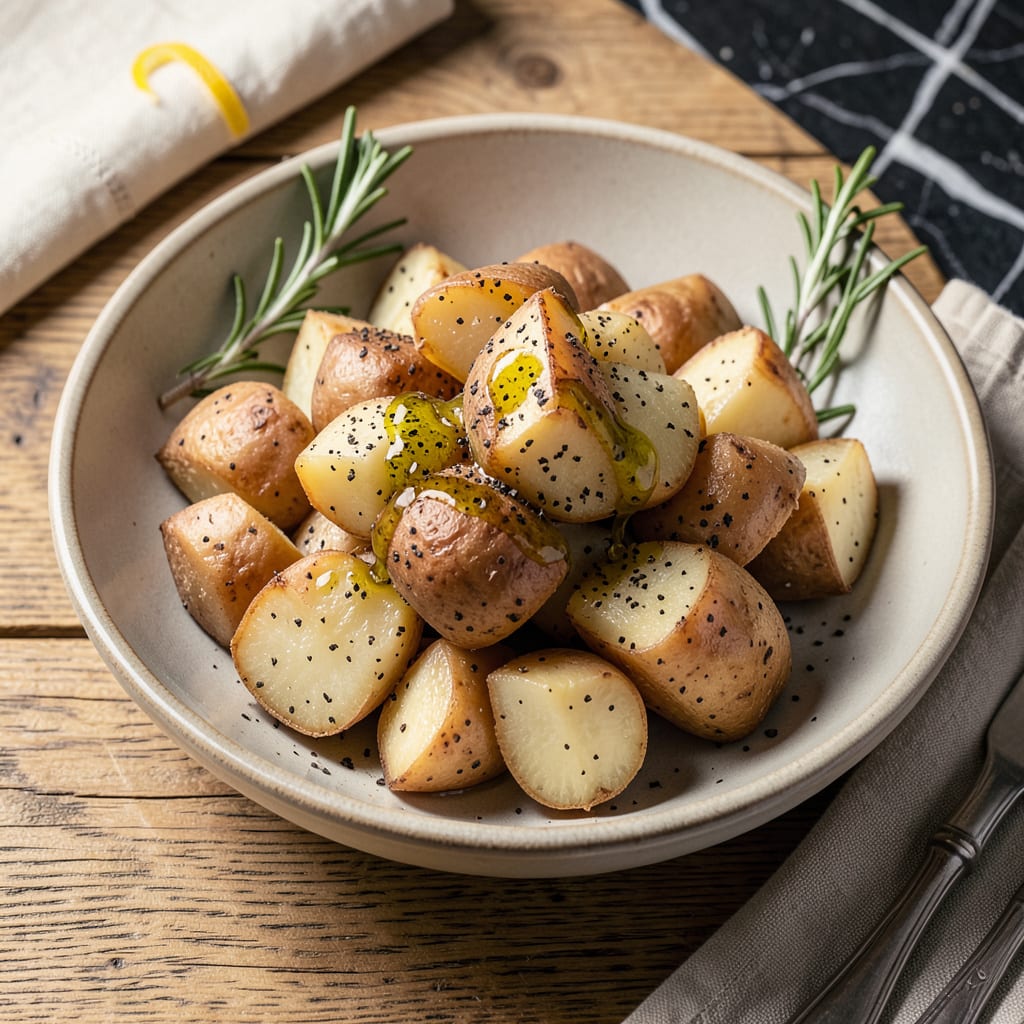
Perfectly boiled russet potatoes are the foundation of countless dishes, yet achieving that ideal fluffy texture requires precision. This method delivers consistent results every time, whether you’re preparing them for mashing, salads, or as a simple side. The key lies in proper preparation and controlled cooking time.
With just 15-20 minutes for cubed potatoes or 25-30 minutes for whole, you’ll master the art of fork-tender potatoes that hold their shape without turning mushy. Start with cold water, maintain a gentle boil, and finish with your choice of butter, herbs, or garlic for added depth. These versatile potatoes adapt to any meal plan.
Ingredients for Boiled Russet Potatoes
Just five core ingredients (plus optional upgrades) for those perfectly fluffy russet potatoes every single time.
| Ingredient | Amount | Notes |
|---|---|---|
| Russet Potatoes 🥔 | 2 lb | Uniform medium size (about 4-5 potatoes) |
| Cold Water 💧 | 8 cups | Enough to cover potatoes by 1 inch |
| Kosher Salt 🧂 | 1 tbsp | Diamond Crystal preferred for even flavor |
| Distilled White Vinegar 🍶 | 1 tsp | Balances pH for better texture |
| Extra-Virgin Olive Oil 🫒 | 1 tbsp | For finishing (optional but recommended) |
| Freshly Ground Black Pepper 🌶️ | ½ tsp | Adjust to taste after cooking |
| Garlic Cloves 🧄 | 3 cloves | Minced, for optional garlic infusion |
| Fresh Parsley 🌿 | 2 tbsp | Chopped, for garnish (optional) |
| Vegan Butter 🧈 | 2 tbsp | Miyoko's or Earth Balance recommended |
| Fresh Chives 🌱 | 1 tbsp | Thinly sliced, optional garnish |
The potatoes are everything here—russets only, no substitutions. Look for firm, smooth-skinned ones about the size of your fist (that’s the sweet spot for even cooking). I grab mine from Trader Joe’s or the bulk bins at natural food stores—they seem to have better quality than conventional grocery stores. The salt matters too: Diamond Crystal kosher salt dissolves evenly and seasons without overpowering. (If you’re using table salt, cut the amount in half—it’s way saltier.)
No vinegar? A squeeze of lemon juice works in a pinch, but vinegar’s neutral flavor is ideal. For the vegan butter, Miyoko’s or Earth Balance melt beautifully—avoid the margarine sticks, they’re too watery. The garlic and herbs are totally optional, but if you’re using them, fresh is non-negotiable (dried just doesn’t cut it here). And hey, if you’re making these for mashing, add a splash of unsweetened almond milk at the end for creaminess.
Boiled potatoes keep 3-4 days in the fridge, but they’re best used immediately. If prepping ahead, stop just shy of fully cooked—1-2 minutes less—then reheat in simmering water. For mashing, drain well and spread on a baking sheet to let excess steam escape (worth the extra minute). Freezing? Only if mashed—whole boiled potatoes turn grainy.
Why You’ll Love This Recipe
- Five-Minute Prep: I don’t even need to pull out a knife—just scrub the potatoes, toss them in cold water with salt and a splash of vinegar, and walk away. The hardest part is waiting for the water to boil.
- That Vinegar Secret: Here’s what sold me—the vinegar doesn’t make them taste sour, but it keeps the potatoes from turning to mush and adds this subtle brightness that makes them taste way more interesting than plain boiled spuds.
- Meal Prep MVP: I make a big batch Sunday night, drizzle with olive oil while warm, and suddenly I’ve got potatoes ready for mashed, roasted, or tossed into salads all week. No last-minute scrambling.
- Pennies per Serving: Russets are one of the cheapest things in the produce aisle, and this method stretches them further—no wasted peels, no fancy ingredients. Feeds my family of four for less than the cost of a coffee.
Step-by-Step Instructions for Perfect Boiled Russet Potatoes
Here’s the method I swear by—simple steps, foolproof results, and potatoes that never disappoint.
Step 1: Prep the Potatoes for Even Cooking
Start by scrubbing the 2 lb Russet Potatoes clean under cold running water. I use a vegetable brush to remove any dirt from the skin—this ensures no grit ends up in your final dish. Cut the potatoes into uniform 1½-inch chunks so they cook at the same rate. The key here is consistency: you want pieces that are roughly the same size to avoid some being mushy while others remain undercooked.
Place the cut potatoes in a large bowl and cover them with cold water. This step removes excess starch, which helps prevent the potatoes from becoming gummy during cooking. Let them soak for 5 minutes, then drain and rinse under cold water. You’ll notice the water looks cloudy—that’s the starch washing away.
Step 2: Create the Perfect Boiling Environment
Transfer the drained potatoes to a large pot and add the 8 cups Cold Water. The water should cover the potatoes by about 1 inch—this ensures even cooking and prevents the bottom pieces from becoming waterlogged. Add the 1 tbsp Kosher Salt and 1 tsp Distilled White Vinegar to the water. The salt seasons the potatoes from the outside in, while the vinegar helps maintain their structure, preventing them from falling apart.
Place the pot over high heat and bring it to a rolling boil. I always use a pot with a tight-fitting lid to speed up the boiling process. Watch for the moment when large bubbles break the surface consistently—that’s your signal that the water is at a full boil and ready for the next step.
Step 3: Cook to Fluffy Perfection
Once boiling, reduce the heat to medium to maintain a gentle but steady boil. Cook the potatoes uncovered for 12-15 minutes, depending on their size. You’ll know they’re done when a fork or skewer slides in easily with no resistance, but the potatoes still hold their shape when lifted. Don’t rely solely on time—always do the fork test.
During cooking, you might notice some potatoes rise to the surface. Gently push them back down with a spoon to ensure even cooking. The potatoes are finished when the edges start to round slightly and the centers offer no resistance. Be careful not to overcook them—they should be tender but not falling apart.
Step 4: Finish and Season for Maximum Flavor
Drain the potatoes immediately in a colander and let them sit for 1 minute to allow excess water to evaporate. Return the potatoes to the warm pot (off the heat) and add the 2 tbsp Vegan Butter. The residual heat will melt the butter evenly as you gently toss the potatoes. This step adds richness and helps create that perfect, slightly glossy finish.
Season with the 0.5 tsp Freshly Ground Black Pepper and drizzle with the 1 tbsp Extra-Virgin Olive Oil if using. For an extra flavor boost, add the minced 3 cloves Garlic Cloves now and toss everything together. The garlic will soften slightly from the heat of the potatoes, infusing them with aromatic flavor without needing to cook it separately.
Step 5: Garnish and Serve While Hot
Transfer the potatoes to a serving bowl and sprinkle with the 2 tbsp Fresh Parsley and 1 tbsp Fresh Chives. The fresh herbs add a bright, fresh contrast to the rich, buttery potatoes. I like to give everything one final gentle toss to distribute the herbs evenly. The potatoes should be fluffy inside with a slight sheen from the butter and oil.
Serve immediately while hot—they’re at their absolute best right out of the pot. These potatoes make the perfect side dish, equally at home with a simple weeknight meal or a fancy holiday spread. The texture should be creamy throughout with just enough structure to hold their shape when served.
Regional Styles of This Recipe
Pacific Northwest Style
In the Pacific Northwest, we love our potatoes with a touch of fresh dill and a hint of lemon. After boiling, I toss the potatoes with 1 tbsp melted vegan butter, 1 tsp lemon zest, and 1 tbsp chopped fresh dill. The bright, herby notes complement the earthy russets perfectly. Serve with a sprinkle of flaky sea salt for that coastal touch. 🌿
Southern Comfort Style
Down South, boiled potatoes get the full treatment with rich, creamy elements. After draining, I return the potatoes to the pot with ¼ cup vegan sour cream (I like Forager Project brand) and 2 tbsp chopped green onions. A dash of smoked paprika adds that signature Southern warmth. These potatoes pair beautifully with collard greens.
New England Classic
New Englanders keep it simple but flavorful. After boiling, I toss the potatoes with 2 tbsp melted vegan butter and 1 tbsp apple cider vinegar. The vinegar gives that tangy kick reminiscent of classic clam bakes. Finish with 1 tsp dried summer savory—it’s a traditional New England herb that’s underused but perfect here.
Southwest Fiesta
For a Southwest twist, I add 1 tsp ground cumin and ½ tsp chili powder to the boiling water. After cooking, toss with 1 tbsp lime juice and 2 tbsp chopped cilantro. The citrus and spices transform these into the perfect side for tacos or enchiladas. A sprinkle of toasted pepitas adds crunch. 🌶️
Midwest Butter & Herb
The Midwest loves its butter, and for good reason. I use 3 tbsp vegan butter (yes, extra!) and 1 tbsp dried parsley flakes for a hearty, comforting side. A pinch of garlic powder and onion powder rounds out the flavors. These potatoes are perfect with meatloaf or roasted chicken.
California Fresh
California style means bright, fresh flavors. After boiling, I toss the potatoes with 1 tbsp extra-virgin olive oil, 1 tbsp lemon juice, and 2 tbsp mixed fresh herbs (basil, chives, and tarragon). The combination is light yet flavorful, perfect for pairing with grilled vegetables or fish. A sprinkle of hemp seeds adds a nutty finish.
Nutrition Facts
Frequently Asked Questions
Why start potatoes in cold water instead of hot?
Cold water ensures even cooking from edge to center. Hot water shocks the outside, creating an uneven texture where the exterior falls apart before the middle cooks through. This method guarantees consistent, fork-tender results every time.
Can I boil potatoes ahead of time?
Yes, but stop cooking them 1-2 minutes early. Drain and store in an airtight container in the fridge for up to 2 days. Reheat by simmering in fresh water for 2-3 minutes until warmed through. Avoid microwaving—it makes them mealy.
What’s the vinegar for in the boiling water?
The 1 tsp vinegar balances the water’s pH, helping potatoes maintain their shape. It prevents the starch from becoming too sticky, so you get fluffy (not gluey) results. White vinegar is neutral—apple cider works too but adds slight sweetness.
How do I fix undercooked potatoes?
Return them to the pot with fresh boiling water for 3-5 minutes. Test frequently with a fork—they’re done when it slides in smoothly with no resistance. Avoid high heat; a gentle simmer prevents the outside from turning mushy while the center catches up.

- 8 Bean Soup Recipe Crock Pot: Hearty Vegetable Medley in One Pot - September 25, 2026
- 4C Bread Crumbs Meatballs Recipe: Crispy Crust and Juicy Centers - September 25, 2026
- 6 Oz Chocolate Chip Cookie Recipe: Perfectly Balanced Crispy Edges and Chewy Hearts - September 25, 2026