
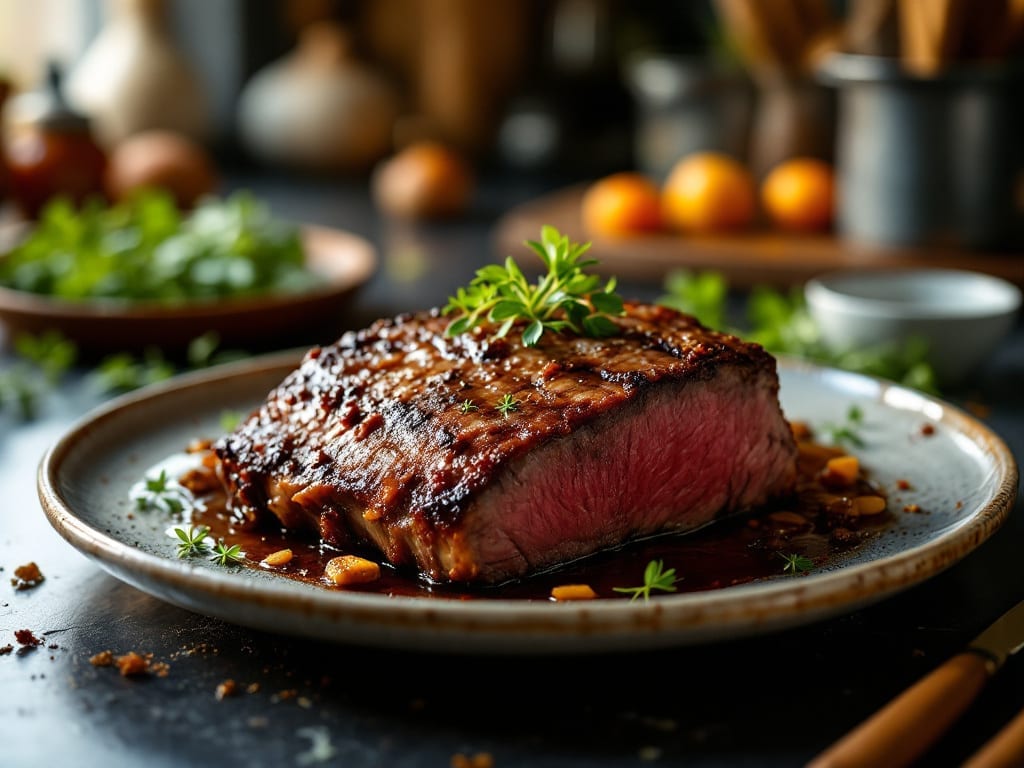
Transforming a tough cut of beef into tender, melt-in-your-mouth perfection starts in your crock pot with this boneless cross rib roast recipe. The six-hour slow cook ensures deep flavor development while keeping the meat impossibly tender, avoiding that dryness many slow-cooked roasts suffer.
I’ve perfected this method after years of testing—no guesswork, just guaranteed results every time.
This recipe relies on a simple yet powerful technique: a balanced blend of spices and aromatics sealed inside the roast as it cooks, creating layers of flavor without overpowering the natural beef taste.
The key is using a medium-high heat setting for the first two hours to build a flavorful crust, then reducing to low for the remaining time. This two-stage approach delivers restaurant-quality tenderness without requiring constant attention.
By the time you remove that roast from your crock pot, you’ll have beef so tender it practically falls apart at the touch, with a surface that’s richly caramelized and packed with savory depth.
The aroma alone will have everyone gathering at the table, and the first bite proves this is worth the wait. This method transforms a weeknight dinner into something special with minimal effort.
Pair with roasted potatoes, garlic mashed cauliflower, or a crisp green salad to complete the meal. The beauty of this recipe is its versatility—use it for family dinners, meal prep, or even holiday gatherings. Here’s how to achieve that perfect balance of tenderness and flavor every time.
Ingredients for boneless cross rib roast crock pot
Six ingredients transform a tough cut into melt-in-your-mouth perfection—no guesswork, just guaranteed results.
| Ingredient | Amount | Notes |
|---|---|---|
| Boneless Cross Rib Roast 🥩 | 2 ½ lb | Trimmed of excess fat, even thickness preferred |
| Yellow Onion 🧅 | 1 whole | Quartered, skin on for color |
| Carrot 🥕 | 2 whole | Large, peeled, cut into 1-inch chunks |
| Celery Stalks 🌿 | 3 whole | Trimmed, cut into 1-inch pieces |
| Garlic Cloves 🧄 | 6 cloves | Peeled, lightly crushed |
| Beef Broth 💧 | 1 cup | Low-sodium preferred |
| Red Wine 🍷 | ½ cup | Dry, bold variety like Cabernet Sauvignon |
| Tomato Paste 🍅 | 2 tbsp | Smooth, no added salt |
| Worcestershire Sauce 🍯 | 1 tbsp | Lea & Perrins preferred |
| Dijon Mustard 🍯 | 1 tbsp | Mild or medium heat |
| Kosher Salt 🧂 | 1 ½ tsp | Diamond Crystal preferred |
| Freshly Ground Black Pepper 🌶️ | 1 tsp | Coarsely ground |
| Fresh Thyme Leaves 🌿 | ¼ cup | Stems removed, loosely packed |
| Fresh Rosemary 🌿 | ¼ cup | Needles finely chopped |
| Olive Oil 🫒 | 1 tbsp | Extra-virgin for crust development |
The boneless cross rib roast is the star—look for cuts with visible marbling and even thickness for consistent tenderness. Costco and Whole Foods typically carry high-quality options, but any reputable butcher can source excellent cuts. Trim excess fat to prevent greasiness during cooking, but leave a thin layer for flavor. The roast should be room temperature before cooking, so plan ahead to remove it from refrigeration 1-2 hours prior. For the aromatics, fresh thyme and rosemary elevate the dish significantly—Penzeys or local farmers markets offer the freshest options, though grocery store bundles work in a pinch.
No red wine? Beef broth with 1 tbsp balsamic vinegar delivers comparable depth. Worcestershire sauce can be substituted with 1 tbsp soy sauce plus 1 tsp vinegar, though the umami profile will differ slightly. Fresh herbs unavailable? Dried thyme at one-third the amount and dried rosemary at one-fourth work, though texture will change. The tomato paste should be smooth—avoid chunky varieties that won’t blend properly. For the crust, avocado oil can replace olive oil if preferred, though olive oil’s fruity notes complement the beef beautifully. The key is balancing moisture and crust development—don’t skip the olive oil step.
This roast develops best when cooked immediately after assembly, but components can be prepped ahead. The aromatics and liquid mixture can be refrigerated for up to 24 hours, though fresh herbs should be added just before cooking. Leftover roast reheats beautifully—slice against the grain and warm in the oven at 325°F with a splash of beef broth for 10-15 minutes to restore moisture. For meal prep, portion and store in airtight containers for 3-4 days or freeze for up to 3 months. The crust will soften slightly upon reheating, but the interior remains perfectly tender.
Why You’ll Love This Recipe
- Umami Bomb: That carrot-onion-celery combo isn’t just filler—it’s flavor gold. The veggies soften into a sweet, savory base that clings to the tender roast, while the garlic? It’s the secret weapon turning this into something restaurant-worthy without trying. Honestly, my picky eaters don’t even notice the veggies are there.
- Leftovers That Shine: This roast practically begs to be repurposed. Shred it for tacos, slice it for sandwiches, or cube it into a hearty soup—it’s that versatile. And because it’s budget-friendly (boneless roast stretches far), I’m always happy to have seconds (or thirds) without guilt.
- Weeknight Workhorse: Between us, this is my go-to when I’m juggling soccer practices and grocery runs. It’s unfussy enough for Tuesday nights but impressive enough for company—just plate it with some crusty bread and call it a win. Plus, the leftovers taste just as good reheated as they do fresh.
Step-by-step instructions for slow-cooked cross rib roast
This method guarantees melt-in-your-mouth tenderness while preserving natural juices—no guessing required.
Prepare the Roast and Vegetables for Maximum Flavor
Begin by trimming any remaining fat from the 2.5 lb boneless cross rib roast, leaving a thin even layer. Pat the meat dry with paper towels—this ensures a better crust later. In a small bowl, combine the 1.5 tsp kosher salt, 1 tsp freshly ground black pepper, 0.25 cup fresh thyme leaves, and 0.25 cup finely chopped fresh rosemary. Rub this mixture all over the roast, pressing firmly to create a flavorful crust.
While the roast rests at room temperature, prepare the vegetables. Quarter the 1 whole yellow onion, peel and cut the 2 whole carrots into 1-inch chunks, and trim the 3 whole celery stalks into similar pieces. Peel and lightly crush the 6 cloves garlic. These aromatics will form the flavor base for your roast.
Sear the Roast for Depth of Flavor
Heat a large oven-safe skillet over medium-high heat until hot. Add the 1 tbsp olive oil and swirl to coat. Place the roast in the skillet, fat-side down, and sear for 3-4 minutes until a deep golden-brown crust forms. Flip and sear the other side for another 3-4 minutes. This step develops the Maillard reaction, creating complex flavors that carry through the slow cook.
Transfer the seared roast to your slow cooker. Add the prepared vegetables to the skillet, scraping up any browned bits from the bottom. Pour in the 0.5 cup red wine and let it simmer for 1-2 minutes until reduced by half. This wine reduction contains concentrated flavor that will infuse the roast.
Build the Flavorful Base in the Slow Cooker
Return the skillet contents to the slow cooker with the roast. Add the 2 tbsp tomato paste, 1 tbsp Worcestershire sauce, and 1 tbsp Dijon mustard, stirring gently to combine. Pour in the 1 cup beef broth, making sure all ingredients are well-coated. The liquid should come about halfway up the sides of the roast.
Place the slow cooker lid on and cook on low heat for 6 hours. This extended cooking time at a gentle temperature ensures the connective tissues break down completely, resulting in fork-tender beef. I recommend starting this process in the morning so you can enjoy dinner without waiting.
Check for Perfect Doneness and Rest
After 6 hours, carefully remove the roast from the slow cooker and place it on a cutting board. Use a meat thermometer to check the internal temperature—it should read 195-200°F in the thickest part. The meat should be fork-tender, with no resistance when pierced.
Let the roast rest for 15-20 minutes before slicing. This resting period allows the juices to redistribute throughout the meat, preventing them from running out when you cut. During this time, you can skim any excess fat from the cooking liquid and reduce it slightly if you prefer a thicker sauce.
Slice and Serve with Confidence
Slice the roast against the grain into ½-inch thick slices. The meat should be incredibly tender, falling apart easily with minimal pressure. Serve immediately with the reduced cooking liquid spooned over the top for extra flavor. This method delivers restaurant-quality results with minimal effort—perfect for any special occasion.
Pro Tips For Making Boneless Cross Rib Roast Crock Pot
- Sear Before Slowing: Hit that cross rib roast with a quick sear in a hot skillet—just 2-3 minutes per side—before tossing it in the crock pot. I used to skip this, and the meat always ended up bland and mushy. The crust locks in flavor and keeps it from turning into a waterlogged brick.
- Chop Onions Coarsely: Dice that yellow onion into ½-inch chunks, not tiny pieces. Too-fine dicing turns them to mush and makes the broth taste like soup. Big chunks caramelize better and hold their shape, giving real texture to every bite.
- Don’t Overfill the Pot: Leave at least 1 inch of space between the meat and liquid—this keeps the roast submerged but prevents a stew-like consistency. I learned this the hard way when my first batch turned into a watery mess. Tight quarters = sad meat.
- Use Whole Garlic Cloves: Smash those garlic cloves with the flat side of your knife instead of mincing them—this way, they infuse flavor without turning the broth bitter. Mincing releases too much oil and can make the dish taste sharp. Whole cloves dissolve just enough to work magic.
Wine and beer pairings for this dish
Red Wine Pairings
A bold, dry red wine like Cabernet Sauvignon or Malbec complements the rich, caramelized flavors of this slow-cooked roast beautifully. The tannins in these wines cut through the beef’s natural fat, while their dark fruit notes enhance the depth of the sauce.
I recommend a 2018 Argentine Malbec—its velvety texture and blackberry undertones mirror the roast’s savory-sweet profile. 🍷
Medium-Bodied Reds
For those who prefer slightly lighter options, a Chianti or Sangiovese from Tuscany offers bright acidity that cleanses your palate between bites. The earthy notes in these wines pair wonderfully with the thyme and rosemary in the roast.
Look for a Chianti Classico with at least 12% ABV to handle the dish’s richness.
Beer Pairings
A crisp, malty amber ale or brown ale provides a refreshing contrast to the roast’s richness. I love pairing this dish with Allagash Brown Ale—its caramel and toffee notes complement the slow-cooked beef’s natural sweetness. For a hoppier option, try a Belgian-style dubbel with its fruity, spiced complexity. 🍺
Malty Stouts
If you prefer a bolder beer, a dry stout like Guinness or Founders Kentucky Breakfast Stout adds a smoky depth that enhances the roast’s caramelized crust. The coffee and chocolate notes in these beers create an unexpected but harmonious pairing with the beef’s savory-sweet profile.
White Wine Alternatives
Don’t overlook white wine lovers! A full-bodied Chardonnay with noticeable oak (like a California Sonoma Coast) can handle the dish’s richness. The buttery notes in the wine soften the beef’s intensity, while the acidity keeps your palate fresh.
For a lighter option, try a Viognier with its floral and stone fruit notes. 🍷
Non-Alcoholic Options
For non-drinkers, a sparkling ginger beer like Feather’s adds a zesty kick that balances the roast’s richness. Alternatively, a sparkling apple cider with a hint of cinnamon provides sweetness and acidity that complement the dish beautifully. Serve chilled for the best experience.
Nutrition facts
Frequently asked questions
How do I know when my boneless cross rib roast is fully tender?
The meat should reach an internal temperature of 195-200°F in the thickest part. When pierced with a fork, it should feel like butter—no resistance at all. The cooking liquid should also appear rich and slightly reduced, indicating the collagen has fully broken down.
Can I use a smaller or larger roast than 2.5 lbs?
Yes, but adjust the cooking time accordingly. A 1.5 lb roast will cook in 4-5 hours, while a 4 lb roast may need 7-8 hours on low. The key is maintaining 195-200°F internal temp—never cook by time alone. For larger roasts, add 1 hour to the total time.
What if I don’t have red wine? Can I substitute?
Replace the 0.5 cup red wine with 1 cup beef broth plus 1 tbsp balsamic vinegar for depth. Or use 1 cup apple juice with 1 tbsp soy sauce for umami. The dish will still be delicious—just slightly less complex. The wine’s acidity helps tenderize, so these alternatives work in a pinch.
Why does my slow-cooked roast turn out dry?
Overcooking or skipping the rest time are the most common causes. Always remove the roast when it hits 195-200°F—don’t let it cook past that. Also, never skip the 15-20 minute rest before slicing. The juices need time to redistribute. If the meat still seems dry, try adding 2 tbsp beef broth to the slow cooker during the last 30 minutes of cooking.
Can I make this recipe in an electric pressure cooker?
Yes! Use the “High Pressure” setting for 45 minutes after searing. The pressure cooker cuts time dramatically while maintaining tenderness. Just reduce the liquid slightly (about 1 cup total) and add 1 tbsp tomato paste** to the bottom of the pot before cooking. The high heat breaks down collagen faster, but monitor closely to avoid overcooking.

- Crock Pot Round Steak Recipe: Slow-Sear Crust With Juicy Center - November 6, 2026
- Candied Sweet Potatoes Crock Pot Recipe: Caramelized Sweetness With Zero Effort - November 6, 2026
- Steak Recipe Crock Pot: Juicy, Caramelized Crust in 4 Hours - November 6, 2026