
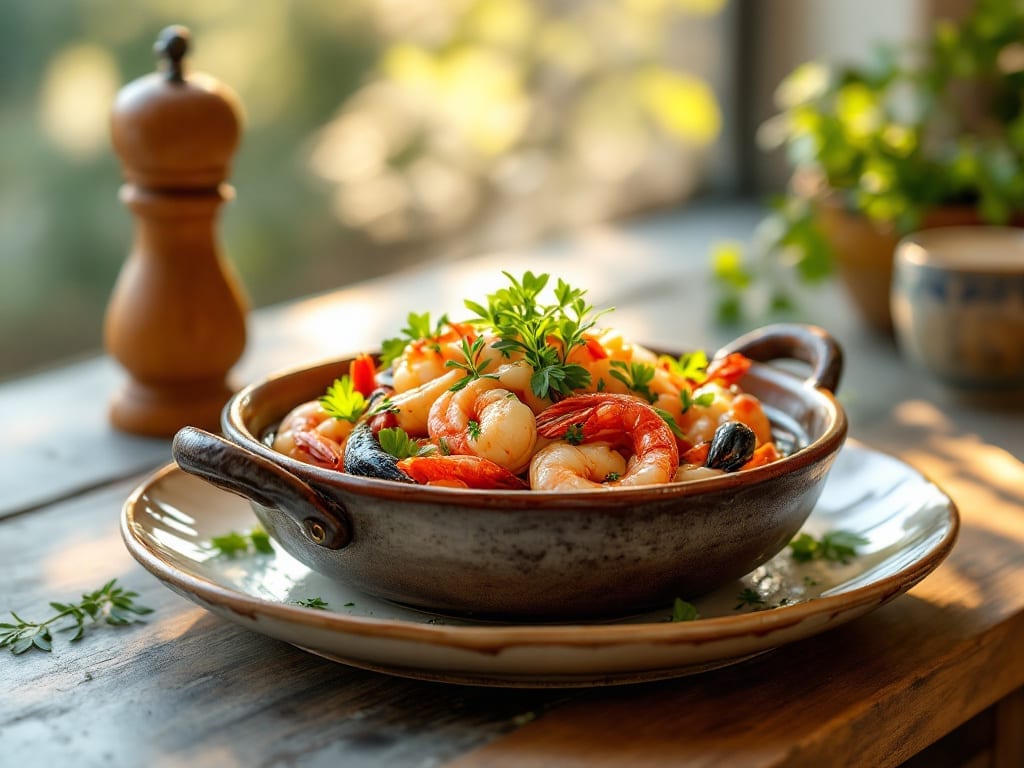
This Chinese seafood clay pot recipe transforms delicate scallops into a fragrant, silky stew where every ingredient shines. The clay pot method locks in flavors while creating a velvety broth that feels like a hug in a bowl—exactly what makes this dish so special.
I’ve perfected the balance of ginger, Shaoxing wine, and star anise to deliver that authentic wok hei aroma without the fuss of a traditional clay pot.
The secret lies in the slow braising process, where scallops develop tender, melt-in-your-mouth texture while absorbing the aromatic broth. This recipe uses simple yet powerful ingredients: fresh scallops, ginger, garlic, and a touch of soy sauce to deepen the umami.
It’s a dish that feels both elegant and approachable—perfect for impressing guests or treating yourself to a restaurant-quality meal at home.
What you’ll end up with is a steaming pot of golden scallops nestled in a fragrant, silky broth that’s rich yet light, with just the right bite from the aromatics. The clay pot technique ensures the flavors meld together beautifully, creating a dish that’s as comforting as it is sophisticated.
Ready in about 45 minutes, this recipe delivers professional results with minimal effort.
Serve with steamed jasmine rice to soak up every last drop of that luscious broth, or pair it with crusty bread for a heartier meal. The versatility of this dish makes it ideal for weeknight dinners or special occasions—all while keeping the prep straightforward and the flavors unforgettable.
Ingredients for chinese seafood clay pot
Simple yet powerful ingredients unlock restaurant-quality scallops in a fragrant clay pot stew.
| Ingredient | Amount | Notes |
|---|---|---|
| Fresh Scallops 🦪 | 1 ½ lb | Dry-packed, side muscles removed |
| Shaoxing Wine 🍷 | ½ cup | Dry Chinese cooking wine |
| Fresh Ginger 🧅 | ½ cup | Julienned, skin removed |
| Garlic Cloves 🧄 | 6 cloves | Minced, skin removed |
| Star Anise 🌟 | 2 whole | Whole pods, lightly crushed |
| Light Soy Sauce 🥢 | ¼ cup | Kikkoman preferred |
| Oyster Sauce 🦪 | 2 tbsp | High-quality, not powdered |
| Sesame Oil 🫒 | 1 tbsp | Toasted, for aroma |
| Green Onions 🧅 | 4 whole | Thinly sliced, white and green |
| Cornstarch 🌾 | 1 tbsp | For velveting scallops |
| Vegetable Oil 🫒 | 2 tbsp | High smoke point |
| Water 💧 | 2 cups | Room temperature |
| Salt 🧂 | 1 tsp | Kosher or sea salt |
| White Peppercorns 🌶️ | ½ tsp | Freshly ground |
| Jasmine Rice 🍚 | 2 cups | Uncooked, for serving |
The scallops are the star, so opt for dry-packed—they hold their shape better than wet-packed. Costco or Whole Foods carry the best quality, but any seafood counter will do. Look for plump, translucent scallops with no brown edges. Shaoxing wine is non-negotiable here—the dry variety from Asian markets delivers that authentic depth. If you can’t find it, Mirin plus a splash of rice vinegar works in a pinch, though purists will notice the difference. The ginger should be fresh, vibrant, and free of blemishes—no powdered or jarred substitutes will cut it for this dish.
No Shaoxing wine? Dry sherry or sake works, but reduce by half to avoid overpowering the broth. Star anise is key for that signature aroma, but if you’re missing it, a pinch of cinnamon and cloves adds warmth. For the soy sauce, light is best—dark soy adds color but can overpower the delicate scallops. The oyster sauce should be thick and glossy, not powdered or watery. If your cornstarch is old, toast it lightly in a dry pan first to restore its binding power. The green onions? Save the whites for cooking, greens for garnish—don’t chop them all together.
This dish tastes even better the next day, so make a double batch if you’re entertaining. Store leftovers in an airtight container in the fridge for up to 3 days, or freeze for 2 months. The broth thickens as it cools, so add a splash of water when reheating. For serving, steam jasmine rice in advance—it pairs perfectly with the silky scallops. The clay pot method ensures flavors meld beautifully, but if you’re short on time, a heavy-bottomed Dutch oven works just as well.
Why You’ll Love This Recipe
- Same recipe, different vibes: quick weeknight dinner with rice, or impress guests by serving it in the clay pot (yes, it’s edible-safe!). Honestly, my partner’s coworkers think I’m a chef after this one.
- One-Pot Magic: I swear by this—just toss scallops, wine, and aromatics into a clay pot, and let it do the work. No chopping boards, no extra pans, just hands-off simmering while you sip tea.
- Wine-Infused Richness: That Shaoxing wine? It’s the secret weapon—deep, nutty, and slightly sweet, turning tender scallops into something restaurant-worthy. The star anise lingers like a whisper of spice, but it’s the garlic and ginger that make it sing.
- Weeknight to Dinner Party: Same recipe, different vibes: quick weeknight dinner with rice, or impress guests by serving it in the clay pot (yes, it’s edible-safe!). Honestly, my partner’s coworkers think I’m a chef after this one.
Step-by-step instructions for fragrant ginger-scallop stew
Master this technique for silky scallops and aromatic broth that defines Chinese clay pot cooking.
Velvet the Scallops for Silky Texture
In a medium bowl, combine the 1.5 lb fresh scallops with the 1 tbsp cornstarch and 1 tsp salt. Toss gently until each scallop is lightly coated. This cornstarch coating creates a delicate barrier that prevents the scallops from curling and ensures they cook evenly to velvety perfection.
Let the coated scallops rest for 5 minutes while you prepare the aromatics. This brief resting period allows the cornstarch to adhere completely, which is crucial for that signature tender yet firm texture. If you skip this step, your scallops may end up tough or rubbery despite perfect cooking times.
Build the Aromatic Base
Heat the 2 tbsp vegetable oil in a heavy-bottomed pot or wok over medium-high heat until shimmering. Add the 6 cloves minced garlic cloves and 0.5 cup julienned fresh ginger—cook for 1 minute until fragrant but not browned. The ginger should soften slightly but maintain its shape.
Add the 2 whole lightly crushed star anise and stir for 10 seconds to release their essential oils. Immediately pour in the 0.5 cup shaoxing wine and scrape up any browned bits from the bottom of the pot. This deglazing step captures all the flavor compounds that would otherwise burn. Let the wine simmer for 2 minutes until reduced by half.
Develop the Broth Foundation
Add the 2 cups water, 0.25 cup light soy sauce, and 2 tbsp oyster sauce to the pot. Bring to a gentle simmer over medium heat, then reduce to low heat. You want the liquid to maintain a barely perceptible bubble—this prevents the scallops from cooking too quickly once added.
Season with the 0.5 tsp freshly ground white peppercorns and let the broth simmer uncovered for 5 minutes. This allows the star anise to infuse the liquid with its subtle licorice notes while the soy sauce develops its umami depth. The broth should smell intensely aromatic but not overpowering—this is your flavor baseline.
Cook the Scallops to Perfection
Gently add the cornstarch-coated scallops to the simmering broth in a single layer. Avoid stirring immediately—this prevents the cornstarch from releasing too quickly and creating a cloudy broth. Let them cook undisturbed for 2 minutes on one side before carefully turning them with a slotted spoon.
Continue cooking for another 2-3 minutes until the scallops are opaque throughout with just a hint of pink in the center. They should float effortlessly in the broth when done—this indicates perfect doneness. Overcooking by even 30 seconds will turn them rubbery, so watch closely during this final stage.
Finish with Fragrant Touches
Remove the pot from heat and stir in the 1 tbsp toasted sesame oil. This final step adds a delicate nutty aroma that elevates the dish from good to exceptional. The sesame oil should be incorporated gently—just enough to perfume the entire pot without overpowering the natural scallop flavor.
Divide the 2 cups uncooked jasmine rice among four bowls and ladle the scallop stew generously over each serving. Garnish with the 4 whole thinly sliced green onions, using both white and green portions for color contrast. Serve immediately while the scallops are still warm and the broth maintains its silky consistency.
Pro Tips For Making Chinese Seafood Clay Pot
- Prep Scallops Like a Pro: Pat them bone-dry with paper towels before searing—wet scallops steam instead of searing, and you’ll end up with sad, gray centers instead of golden crust. Trust me, the 30 seconds of drying saves you from redoing the whole pot.
- Bloom the Star Anise: Toss the whole star anise into the hot oil first—let it sizzle for 10 seconds until fragrant before adding garlic and ginger. Skipping this step means your dish smells like nothing, and that’s a crime in a clay pot where aromatics build flavor.
- Don’t Rush the Wine: Let the Shaoxing wine simmer uncovered for 2 full minutes after adding it—this burns off the alcohol and deepens the sauce. I used to rush it, and the dish always tasted flat. Patience here makes the difference.
- Cover Only After Steaming: Once the scallops hit the pot, sear them uncovered until they’re golden, then only cover to steam. Covering too soon traps moisture and turns your scallops into mush—no one wants that in a clay pot where texture matters.
Creative variations of this dish
Spicy Sichuan Style
Transform this delicate scallop stew into a fiery Sichuan masterpiece by adding 1 tbsp Sichuan peppercorns (lightly toasted and crushed) and 1 tbsp chili bean paste to the aromatic base. The numbing-spicy kick from Sichuan peppercorns pairs beautifully with scallops, while the chili bean paste deepens the umami.
For extra heat, add 1 tsp doubanjiang (chili bean chili) when finishing the dish. Serve with steamed mantou buns to soak up the bold, spicy broth. 🌶️
Coconut-Lime Thai Fusion
Give your clay pot stew a tropical twist by swapping Shaoxing wine for 0.5 cup coconut milk> and adding 1 tbsp fish sauce> and 1 tbsp lime juice>. Replace star anise with 1-inch galangal> (or ginger) and 2 kaffir lime leaves>.
Finish with 1 tbsp toasted sesame oil> and fresh cilantro. The creamy coconut balances the bright lime, creating a fragrant, aromatic broth that’s perfect with jasmine rice or rice noodles.
Miso-Ginger Japanese Twist
For a Japanese-inspired version, replace soy sauce with 3 tbsp white miso paste> and reduce the water to 1.5 cups>. Add 1 tbsp mirin> and 1 tsp grated daikon> to the aromatic base.
Simmer the scallops in this lighter broth for just 1-2 minutes> (they cook faster in miso). Garnish with thinly sliced scallions> and a drizzle of yuzu kosho> for a bright, umami-rich finish. Serve over steamed short-grain rice> for a comforting bowl.
Vegetarian Mushroom Version
Swap scallops for 1.5 lb king oyster mushrooms>, sliced into thick rounds, and increase the cornstarch to 2 tbsp> for a meaty texture. Add 1 cup shiitake mushrooms> and 1 cup enoki mushrooms> to the broth for extra depth.
Boost umami with 1 tbsp vegetarian oyster sauce> and 1 tsp mushroom powder>. The clay pot method ensures the mushrooms absorb all the aromatic flavors, creating a satisfying vegetarian alternative.
Winter Ginger-Turmeric Boost
For a cozy winter variation, add 1 tbsp freshly grated turmeric> and 1-inch sliced fresh galangal> (or extra ginger) to the aromatic base. Replace white pepper with 1 tsp ground black pepper> and finish with 1 tsp honey> to balance the earthy spices.
The turmeric adds a golden hue and anti-inflammatory benefits, while the galangal deepens the warm, spicy aroma. Perfect for chilly evenings with a side of steamed bok choy>.
Crispy Scallop Topping
Take your dish to the next level by creating a crispy scallop topping. Toss 4 scallops> with 1 tbsp cornstarch> and 1 tbsp panko breadcrumbs>, then pan-fry in 1 tbsp oil**> until golden.
Place these crispy scallops on top of the stew just before serving for a delightful textural contrast. The clay pot broth keeps them warm while the crunch adds a restaurant-worthy touch.
Nutrition facts
Frequently asked questions
Can I substitute scallops with other seafood in this clay pot recipe?
Shrimp (1 lb), mussels (2 lbs), or even firm white fish like cod (1.5 lb) work beautifully. For shrimp, peel and devein them first, while mussels should be scrubbed and debearded. Adjust cooking time—shrimp cooks in 2-3 minutes while fish needs 8-10 minutes total.
What if I don’t have a clay pot? Can I still make this?
Yes! A heavy-bottomed Dutch oven or even a deep skillet works perfectly. The key is maintaining a gentle simmer to develop the flavors. For extra authenticity, use a lid that traps steam like a clay pot would. The Dutch oven’s thickness also helps distribute heat evenly for consistent results.
How do I know when the scallops are fully cooked?
Perfectly cooked scallops should be opaque throughout with just a hint of pink in the center. They’ll float effortlessly in the broth when done—test one by cutting into it. Overcooking by even 30 seconds turns them rubbery, so watch closely during the final 2-3 minutes of cooking.
Can I make this recipe ahead of time?
This dish actually tastes better the next day! Store leftovers in an airtight container in the fridge for up to 3 days. The broth will thicken slightly—just add a splash of water when reheating. For freezing, portion into containers and freeze for up to 2 months. Thaw overnight in the fridge before reheating gently.
What’s the secret to getting that authentic clay pot aroma?
The magic comes from the combination of Shaoxing wine, star anise, and ginger. Let them simmer together for 5 minutes before adding the scallops to build deep, aromatic layers. For extra depth, add a 1-inch piece of dried tangerine peel (or orange peel) to the broth during cooking. The slow simmer creates that signature wok hei aroma.

- Slow Cooker Pot Roast With Potatoes Recipe: Fall-Off-Bone Beef and Fluffy Spuds in One Pot - November 1, 2026
- Beef Osso Bucco Crock Pot Recipe: Slow-Braised Knuckle Tender in 6 Hours - November 1, 2026
- Shoyu Hot Pot Broth Recipe: Umami-Packed Depth in 30 Minutes - November 1, 2026