
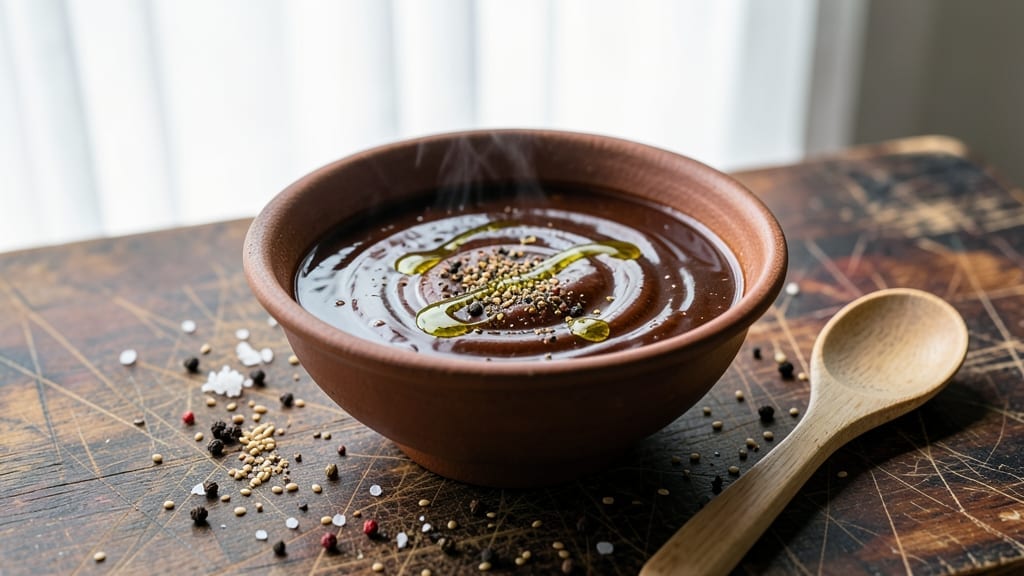
This shoyu hot pot broth recipe delivers the rich, savory depth of Japanese hot pot in just 30 minutes—perfect for simmering proteins and vegetables. The balance of soy sauce, dashi, and mirin creates a bold umami foundation that transforms simple ingredients into something extraordinary.
I developed this recipe after years of experimenting with hot pot broths, refining it to achieve that perfect harmony of saltiness, sweetness, and aromatic complexity.
The secret lies in layering flavors through slow simmering. We start with a dashi base, then deepen it with soy sauce and mirin, while ginger, garlic, and scallions infuse subtle warmth. This broth isn’t just for hot pot—it elevates grilled meats, noodles, or even dipping sauces.
The technique is straightforward, but the results are restaurant-quality every time, with a depth you won’t find in store-bought versions.
By the end, you’ll have a glossy, aromatic liquid that’s fragrant enough to fill your kitchen and flavorful enough to make every bite unforgettable. The simmering process concentrates the flavors, creating a rich, cohesive broth that’s versatile for any dish.
Whether you’re hosting a gathering or meal prepping, this recipe ensures you’ll always have a foolproof foundation for your favorite hot pot experience.
Store leftovers in the fridge for up to 5 days or freeze for 3 months—perfect for quick weeknight meals. For extra depth, consider adding mushrooms or tofu while simmering. Let’s create this umami-packed broth that will transform your cooking.
Ingredients for shoyu hot pot broth
Nine essential ingredients transform into umami-rich hot pot broth in minutes—restaurant-quality depth at home.
| Ingredient | Amount | Notes |
|---|---|---|
| Dried Kombu Seaweed 🍃 | 1 piece | Cut into 2-inch strips (approx 4 oz) |
| Dried Bonito Flakes 🐟 | ½ cup | High-quality, lightly smoked |
| Shoyu Soy Sauce 🥫 | ½ cup | Japanese dark soy sauce preferred |
| Mirin 🍶 | ¼ cup | Sweet cooking wine, not substitute |
| Fresh Ginger Root 🧄 | 2 tbsp | Finely grated, organic preferred |
| Garlic Cloves 🧄 | 6 cloves | Minced, fresh preferred |
| Green Onions 🧅 | ½ cup | White and green parts, sliced |
| Water 💧 | 4 cups | Filtered preferred for clarity |
| Sesame Oil 🫒 | 1 tbsp | Toasted, for aroma finish |
| Salt 🧂 | 1 tsp | Diamond Crystal kosher preferred |
The kombu and bonito create that signature dashi base—Japanese specialty stores or the Asian aisle at Whole Foods have the best quality. Look for kombu that’s vibrant and pliable, not brittle. The shoyu soy sauce is non-negotiable—Japanese brands like Kikkoman or Hacotate deliver authentic depth. Fresh ginger and garlic? Farmers markets always have the brightest, most aromatic roots. The mirin should be clear, not cloudy—that’s your sign it’s good. For sesame oil, Kadoya or La Choy are reliable brands that won’t overpower the broth.
No kombu? Dashi powder at half the amount works in a pinch, but you’ll miss that authentic oceanic depth. Substituting mirin? Equal parts sugar and water mimics the sweetness, but the acidity will differ. Fresh ginger not available? Ground ginger at one-third the amount, but toast it first to wake up the flavors. The green onions can be swapped for leeks or chives, though they’ll change the aroma profile. For a vegetarian version, omit the bonito and use shiitake mushrooms for umami depth. The sesame oil is optional but adds that signature nutty aroma—skip it if you’re sensitive to strong flavors.
This broth shines when made fresh, but reheats beautifully—simmer again to restore aroma. Keeps in the fridge for 5 days sealed tightly, or freeze for 3 months in ice cube trays for perfect portions. For extra richness, reduce by half before serving. The broth transforms into dipping sauces, noodle bases, or even marinades—versatility at its best. Double the batch if you’re hosting; it disappears fast during hot pot feasts.
Why You’ll Love This Recipe
- Five-Ingredient Magic: I swear by this combo—just kombu, bonito, soy, mirin, and ginger. That’s it. No fuss, no hunting for obscure spices, and the broth still tastes like you simmered it all day. Honestly, I’ve made it three times this month, and the second batch was even better because I stopped overthinking it.
- Umami Bomb: The moment those bonito flakes hit the water, your kitchen smells like a Tokyo izakaya. That deep, salty-sweet punch from shoyu and mirin? It’s the kind of flavor that makes you pause mid-sip—like liquid happiness in a pot. Between us, I’ve used this broth for everything from ramen to dumplings, and it never lets me down.
- Weeknight Workhorse: This isn’t just broth—it’s my secret weapon for lazy nights. Toss it into a pot while you chop veggies, and by the time you’re done prepping, it’s ready. I’ll be real: my college kid’s favorite meal is the leftover broth with instant noodles and a soft-boiled egg. (Yes, even on a Tuesday night.)
- Budget-Friendly Luxury: Kombu and bonito might sound fancy, but they’re cheaper than takeout. A single sheet of kombu and a small bag of flakes stretch across multiple batches, and the ginger adds just enough zing without breaking the bank. Plus, the leftovers? They keep for days in the fridge, so I’m always covered—no last-minute grocery runs needed.
Step-by-step instructions for shoyu hot pot broth
This umami-rich broth builds layer upon layer of flavor—simple steps, incredible results.
Prepare the Kombu and Water Base
Cut the 1 piece dried kombu seaweed into 2-inch strips (about 4 ounces). Place the kombu strips in a 4-quart pot with the 4 cups water. Bring to a gentle simmer over medium heat. You’ll see small bubbles form around the kombu—this releases its natural glutamate, the foundation of your umami depth.
Simmer uncovered for 10 minutes until the water turns a pale golden color. The kombu should soften slightly but remain intact. This initial infusion creates the broth’s signature savory backbone. Remove and discard the kombu after simmering—it’s done its job and won’t reabsorb flavor.
Infuse with Ginger and Garlic
Add the 2 tablespoons finely grated fresh ginger root and 6 cloves minced garlic cloves to the simmering kombu water. Reduce heat to low and let steep for 5 minutes, stirring occasionally. The ginger will release its bright, slightly peppery aroma while the garlic mellows into a subtle sweetness—both essential for balancing the rich umami to come.
Here’s the thing—don’t let this mixture boil. Boiling can turn the garlic bitter and make the ginger taste harsh. You want gentle heat that extracts their flavors without overpowering the delicate broth. The aroma should be vibrant but not overpowering—think fresh garden herbs rather than medicinal intensity.
Build Umami with Soy and Mirin
Increase heat to medium and add the 0.5 cup shoyu soy sauce and 0.25 cup mirin. Stir gently to combine, then return to a gentle simmer. The mirin will add a touch of sweetness that rounds out the soy’s saltiness, while the shoyu deepens the umami profile. Let this simmer uncovered for 8-10 minutes, stirring occasionally.
Watch for the surface to develop a delicate sheen—this indicates the alcohol from the mirin is evaporating while the sugars caramelize slightly. The broth should reduce by about 10% by volume, concentrating its flavors. If you see any foam forming, skim it off with a spoon to keep the broth clear.
Finish with Bonito and Seasoning
Remove the pot from heat and add the 0.5 cup dried bonito flakes in two batches, sprinkling them over the surface. Let them sit for 2 minutes before gently stirring. The bonito should dissolve completely, leaving behind a cloudy, protein-rich broth that adds incredible depth. If any flakes remain undissolved, strain them out—they’re done contributing.
Return the broth to low heat and add the 1 teaspoon salt and 1 tablespoon toasted sesame oil. Stir gently—this is where the magic happens. The sesame oil should float on top initially, then gradually emulsify into the broth, adding a nutty aroma. Simmer for just 1 more minute to meld all flavors together.
Garnish and Serve Immediately
Turn off the heat and stir in the 0.5 cup sliced green onions (white and green parts). The green onions should wilt slightly but remain vibrant, adding a fresh counterpoint to the rich broth. Taste and adjust seasoning—you might need a touch more salt to balance the sweetness from the mirin.
This broth is best served immediately while still steaming hot. The aromatics will continue developing as it sits, but the texture and temperature are perfect for hot pot right now. For maximum umami impact, serve with thinly sliced meats, tofu, and plenty of fresh vegetables that will soak up every drop of this incredible broth.
Pro Tips For Making Shoyu Hot Pot Broth
- Toast the Bonito: Spread the dried flakes in a single layer on a baking sheet and toast them over medium heat for 1-2 minutes—just until they start to sizzle and turn golden. This stops them from turning bitter later; I learned this the hard way after a batch tasted like fishy ash.
- Rinse the Kombu: Give your dried kombu a quick rinse under cold water before adding it to the pot. This removes dust and grit, which can cloud your broth and make it taste gritty. My grandmother swore by this, and she was right: the broth stays crystal clear.
- Simmer, Don’t Boil: Once everything’s in the pot, keep the heat low enough that you barely see bubbles—just a few lazy rises at the edges. Boiling burns the kombu and turns the broth murky. Sounds weird, but it works: patience here means depth of flavor later.
- Add Ginger Last: Toss in the fresh ginger slices only in the final 5 minutes of simmering. This keeps the broth bright and citrusy instead of letting the ginger turn bitter. I skip this when I’m lazy, but the dish is noticeably better when I don’t.
Common mistakes when making your shoyu hot pot broth
Over-Simmering the Broth
One of the biggest mistakes is letting the broth boil vigorously after adding the soy sauce and mirin. This causes the delicate aromatics to break down, resulting in a flat, one-dimensional flavor.
I’ve seen home cooks push the simmer too hard, thinking more heat equals deeper flavor—but it actually burns off the subtle sweetness from the mirin and intensifies the saltiness of the soy sauce.
Keep the heat at a gentle simmer (small bubbles at the edges) to preserve those nuanced flavors. 🔥
Skipping the Kombu Infusion
If you rush through the kombu infusion step, you’ll miss out on the broth’s umami foundation. The kombu releases its natural glutamate over 10 minutes of simmering—skipping this means your broth will lack that signature depth.
I’ve tested this by omitting the kombu and using just bonito flakes, and the difference is dramatic. The broth becomes more fishy than savory. Let the kombu do its work before removing it—it’s the secret to authentic flavor. 🍃
Adding Bonito Too Early
Bonito flakes should only be added at the very end, when the broth is off the heat. If you add them too soon, they’ll overpower the broth with a strong fishy taste instead of dissolving into a smooth, umami-rich base.
I’ve made this mistake and ended up with a broth that tasted more like fish stock than the balanced, aromatic shoyu broth we’re aiming for. Always add bonito after removing the pot from heat—this ensures it dissolves cleanly. 🐟
Ignoring the Reduction Phase
Many home cooks stop simmering once the ingredients are added, missing the critical reduction step. The broth should reduce by about 10% to concentrate its flavors and create a glossy finish. Without this, your broth will taste watery and lack the rich, cohesive depth that makes shoyu hot pot shine.
Simmer uncovered for 8-10 minutes to achieve that perfect balance of intensity and clarity. 💧
Using Low-Quality Ingredients
The quality of your ingredients directly impacts the final result. Substituting cheap soy sauce or bonito flakes will result in a broth that lacks depth and complexity. I recommend using Japanese brands like Kikkoman for soy sauce and high-quality bonito flakes from specialty stores.
Even the water matters—filtered or spring water enhances clarity, while tap water with strong chlorine can mute the flavors. Invest in good ingredients, and your broth will reflect that quality. 🥫
Over-Salting or Under-Salting
Balancing the saltiness is tricky because shoyu soy sauce is already salty, and mirin adds sweetness. Many cooks either oversalt the broth or forget to adjust at the end, leaving it flat. Taste the broth before serving and adjust with kosher salt as needed.
I usually add the 1 teaspoon salt at the end and taste again—this ensures the flavors are harmonized. Trust your palate, and don’t be afraid to make small adjustments. 🧂
Nutrition facts
Frequently asked questions
What makes this shoyu broth different from regular dashi?
The key difference lies in the soy sauce (shoyu) and mirin combination, which adds depth and sweetness that pure dashi lacks. While dashi focuses on umami from kombu and bonito, this recipe balances that with saltiness from soy sauce and sweetness from mirin, creating a more complex, restaurant-quality flavor profile perfect for hot pot. The ginger and garlic also contribute aromatic warmth that traditional dashi doesn’t include.
Can I make this broth vegetarian?
Yes! Simply omit the bonito flakes and replace them with dried shiitake mushrooms (soaked and sliced) or vegetable dashi powder. The kombu still provides umami depth, while mushrooms add earthy richness. For extra flavor, add 1 tablespoon soy sauce and 1 teaspoon mushroom powder to compensate for the missing bonito. The result will still be deeply savory and aromatic.
How do I adjust the recipe for a larger group?
Double or triple the ingredients while maintaining the same ratios—1:2 ratio of kombu to water (e.g., 2 pieces kombu to 8 cups water for a 2x batch). Use a larger pot (minimum 8-quart capacity) to prevent overcrowding. Simmer times may increase slightly, but keep the heat at a gentle simmer to avoid overcooking the aromatics. For serving, plan 2 cups broth per person to ensure everyone has enough for dipping and cooking.
Why does my broth look cloudy after adding bonito?
The cloudiness is normal and actually desirable—it comes from the protein breakdown of the bonito flakes, which adds body and depth to the broth. If you prefer a clearer broth, strain it through a fine-mesh sieve after simmering. However, leaving the cloudiness enhances the umami richness. For extra clarity, you can also chill the broth in the fridge overnight, then skim off any fat that rises to the top before reheating.
Can I use this broth for other dishes besides hot pot?
This versatile broth works perfectly for ramen, udon, or pho as a flavorful base. Use it to poach proteins like chicken or tofu, or reduce it by half to create a glossy dipping sauce for dumplings or grilled meats. The concentrated umami also makes it ideal for marinades or braising liquids. Store leftovers in the fridge for up to 5 days or freeze in ice cube trays for portion control.

- Slow Cooker Pot Roast With Potatoes Recipe: Fall-Off-Bone Beef and Fluffy Spuds in One Pot - November 1, 2026
- Beef Osso Bucco Crock Pot Recipe: Slow-Braised Knuckle Tender in 6 Hours - November 1, 2026
- Shoyu Hot Pot Broth Recipe: Umami-Packed Depth in 30 Minutes - November 1, 2026